







Introduction:To create stunning latte art, it’s not just about technique—you also need to choose the right coffee beans. This article delves into the history of latte art, explores why dark roasted beans are particularly well-suited for crafting intricate designs, and offers practical advice on selecting high-crema beans. Whether you're a beginner or advanced, this guide will help you fully understand the essential connection between latte art and your choice of beans.
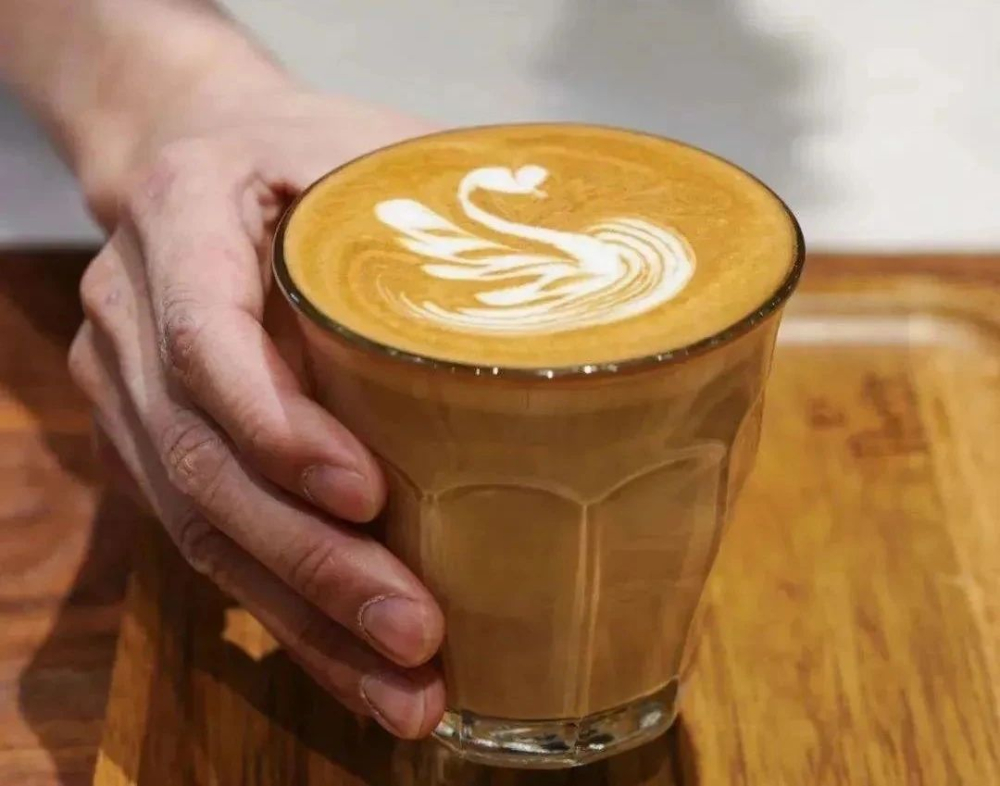
Latte art, also known as "Latte Art", is the skill of creating various patterns using milk foam while steaming and pouring hot milk into an espresso shot. From simple hearts and leaves to complex etched designs, these artistic touches not only make the coffee taste better but also elevate it visually. Many coffee enthusiasts are initially drawn to this craft precisely because of the indescribable sense of achievement that comes with pouring a beautifully designed pattern.

Early latte art styles were dominated by basic shapes. However, with the rise of specialty coffee culture, baristas around the world began to pursue higher standards of visual presentation. They focused not only on the patterns themselves but also developed techniques to use milk foam and additional ingredients to create more three-dimensional and bold shapes. Over time, latte art has evolved from a mere display of artistry into a crucial aspect for evaluating the overall quality of a milk-based coffee—including the fineness of the milk and how well it integrates with the espresso, both of which directly impact taste and visual appeal.
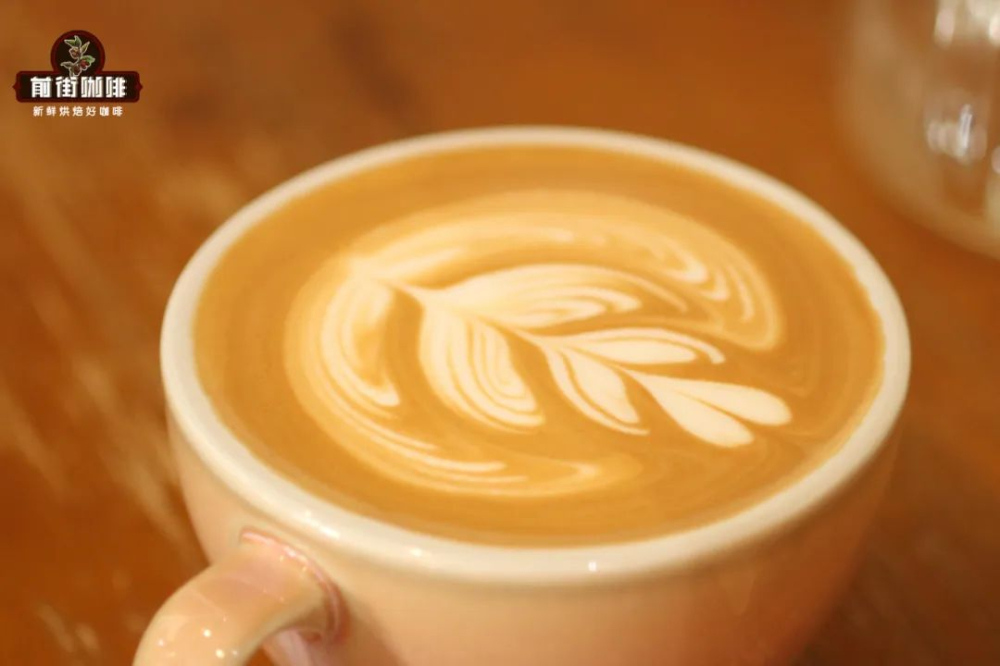
One reason drinks like lattes and flat whites have become so popular on today’s social media platforms is the added charm of latte art. Who wouldn’t want to enjoy a rich cup of coffee alongside a visually stunning masterpiece? Latte art has become an indispensable part of coffee culture and a key skill for many baristas to showcase their professionalism.
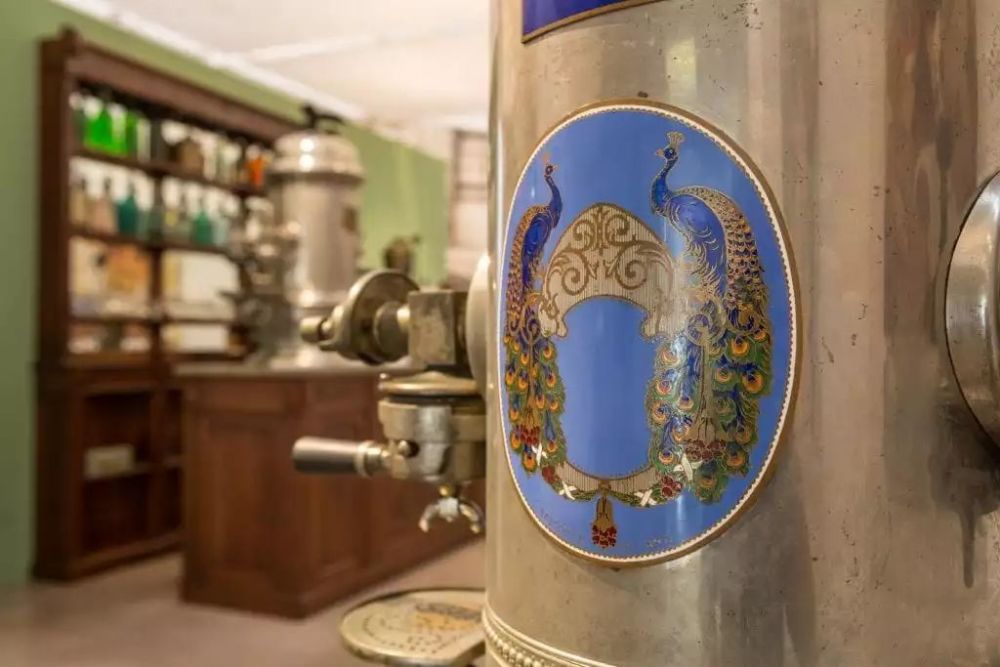
When talking about the origins of latte art, we must mention Luigi Bezzera from Milan, Italy, in the early 20th century. To improve coffee extraction efficiency, he invented the first semi-automatic steam-pressure coffee machine, which was patented in 1901. This invention laid the foundation for combining espresso with milk later on. By 1906, the Italian company La Pavoni acquired the patent and added a steam wand feature, enabling baristas to handle milk foam more precisely and further driving the birth of latte art techniques.
Although steamed milk had been used in Italy since the late 19th century, it wasn’t until several decades later that latte art truly became an art form. It’s said that in the 1980s, David Schomer, a barista from Seattle, USA, accidentally created a heart-shaped pattern on the surface of a cappuccino during an espresso and milk preparation process, which inspired him to deeply study latte art patterns. After learning Italian espresso techniques, he opened Espresso Vivace and dedicated himself to researching and teaching latte art. This decorative style of coffee gradually gained popularity in the United States by the late 1980s and quickly spread worldwide.
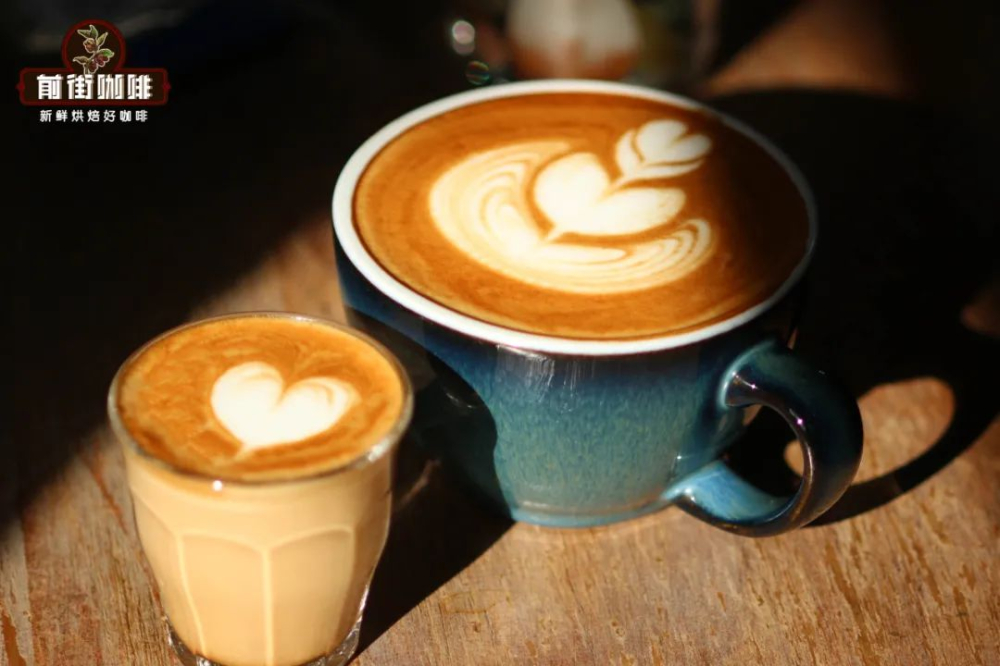
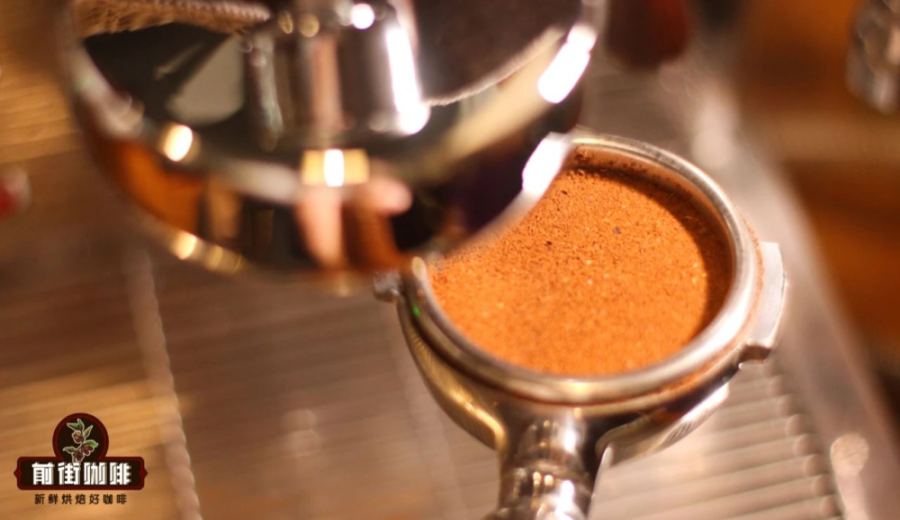
To achieve outstanding latte art, in addition to mastering the technique, having the right equipment such as an espresso machine and steam wand is crucial. But equally important is the performance of the coffee beans themselves. The richness of the coffee crema directly affects the smoothness and stability of the latte art. A fine, golden layer of crema not only makes the patterns clearer but also helps the milk foam blend better with the espresso.
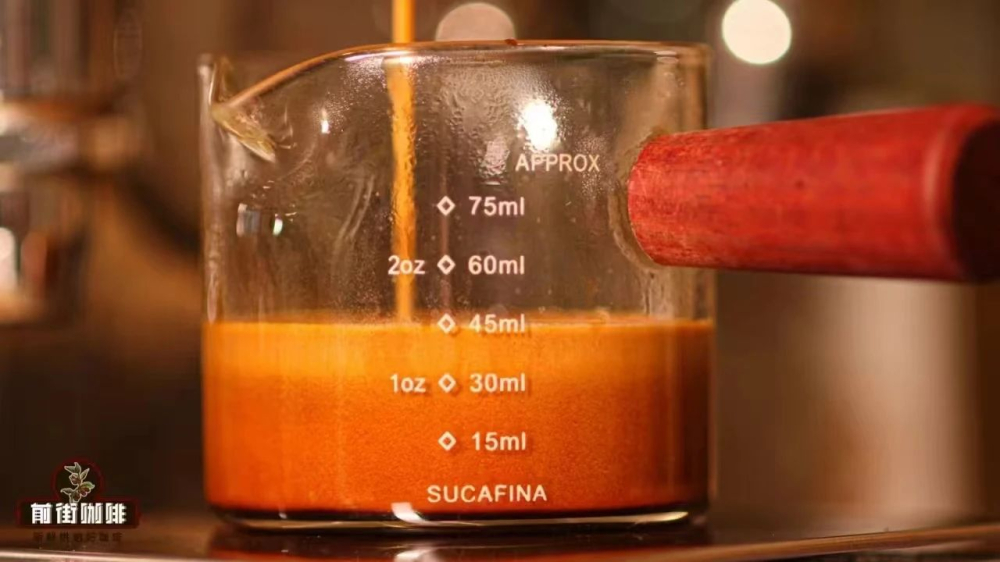
Generally speaking, dark roasted coffee beans release more coffee oils due to their higher roasting level, forming a richer crema—which is the ideal condition for latte art. Dark roast beans are characterized by their intense flavor, concentrated taste, balanced bitterness and sweetness, and the ease with which they produce a thick layer of crema. They are a relatively easy-to-control choice for both beginners and professional baristas.

In addition, the amount of coffee crema can also serve as an important indicator of bean freshness. Freshly roasted coffee beans, because their internal carbon dioxide hasn’t dissipated significantly yet, can fully combine with the oils to form a rich crema. Therefore, if you’re aiming to focus on latte art, it’s recommended to use beans roasted within five days to ensure they’re within their optimal flavor window. This way, you can not only pour beautiful patterns but also enjoy the fullest expression of the coffee’s flavor.
In summary, if you want to go further in the world of latte art, in addition to continuously practicing your technique, you should also be especially mindful when selecting your beans. Dark roasted coffee beans, with their rich oils and excellent crema performance, are the ideal choice for making latte art. Whether you’re just starting out or already have some experience, mastering these key elements will make your coffee creations more convincing both in taste and appearance.


The above content is compiled by CoffeeHunters, a coffee news website.

