







Introduction:Kenyan coffee is renowned for its pronounced berry-like acidity and juicy sweetness, with its distinctive flavor profile stemming from high-altitude cultivation and a unique washed processing method. This article delves into the varietal characteristics of Kenyan beans, how the double fermentation process shapes a bright and clean flavor profile, and offers suggestions for light roast options along with practical brewing references to help beginners master this standout pour over coffee.
When it comes to coffees with bright acidity, many people first think of Ethiopia’s Yirgacheffe or Panama’s Geisha. However, Kenyan coffee also showcases rich fruit acidity and sweet aromas, even delivering a vibrant, freshly-squeezed juice-like mouthfeel.
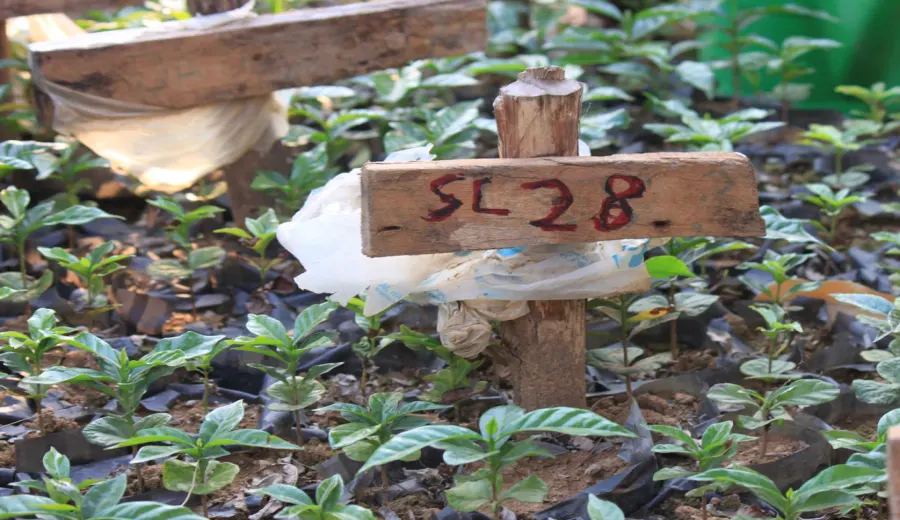
Kenyan coffee primarily utilizes two classic varieties—SL28 and SL34—and employs a unique double-washed processing method. Unlike the typical washed process in Central and South America, where fermentation is usually completed within 36 hours, Kenyan processing facilities ferment the mucilage-covered beans for as long as 48 hours initially. After thoroughly removing the mucilage, the beans are then soaked in clean water for 24 hours, creating what is known as a "double fermentation" or "double soak" process. This step significantly enhances the complexity and cleanliness of the flavors.
In terms of varietal characteristics, SL28 exhibits distinct dark plum and citrus acidity, with a rich and deep acidity reminiscent of the structure found in high-quality red wine. SL34, on the other hand, shows a more balanced fruit acidity accompanied by mellow notes of nuts and spices. These two varieties are grown in soils with high phosphorus content, further intensifying their unique flavor profiles and challenging the traditional notion that artificially bred varieties are inferior to heirlooms.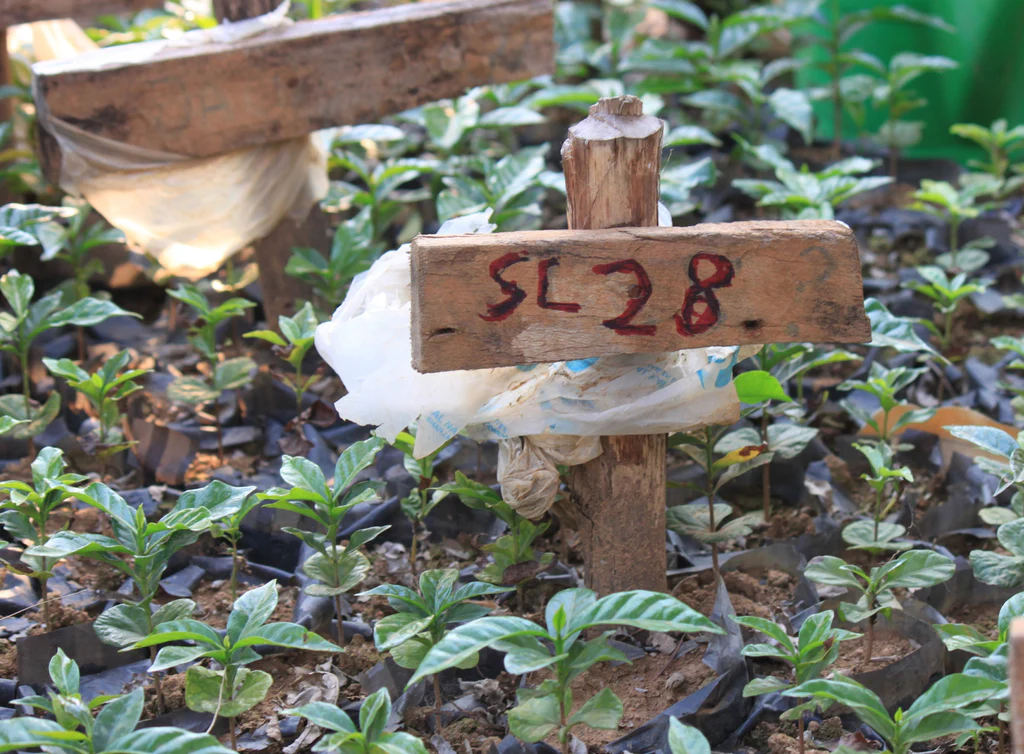
The degree of roasting has a significant impact on the flavor expression of Kenyan coffee: dark roasts highlight a rich body and mellow caramel notes, but if you want to experience its signature berry flavors, light or medium-light roasts better emphasize the fresh notes of dark plum, cherry tomatoes, and floral tones. It’s recommended to choose green beans roasted within one month to achieve the optimal flavor.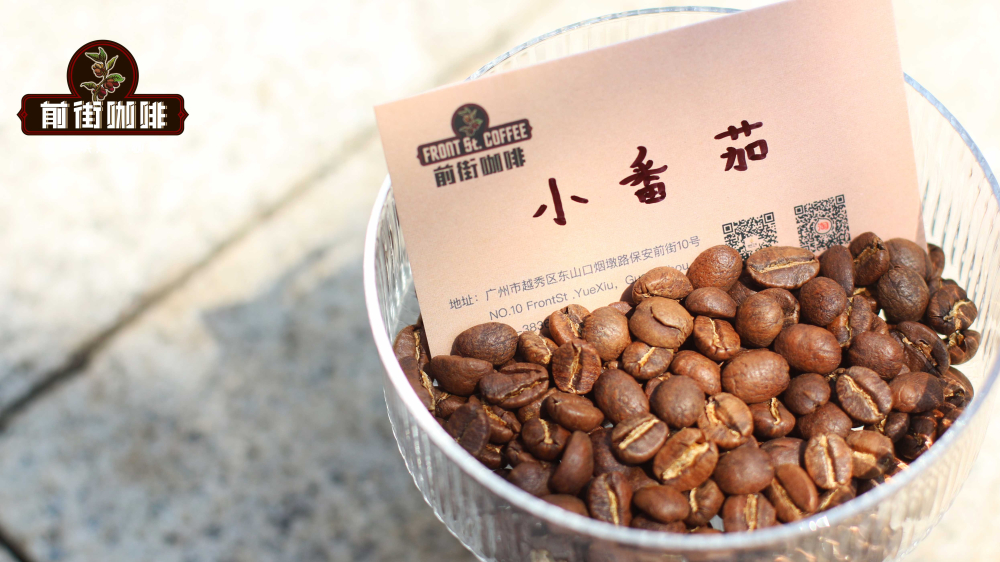
[is] a classic Kenyan representative with a clear flavor profile, produced at the Athiriya washing station located at an altitude of 1550–1750 meters in the Thika region. It uses the SL28 and SL34 varieties and the washed process, presenting complex flavors of dark plum, cherry tomato, brown sugar, and black plum. Freshness is a key factor in brewing a good cup of coffee—beans roasted more than a month ago often suffer significant flavor loss and may even develop unpleasant woody notes.
When purchasing coffee beans, it is advisable to choose brands with stable roasting quality and a good reputation to ensure the beans meet the freshness and processing standards required for pour over. Suitable brewing parameters can be set to a medium-fine grind (similar to the size of fine sugar crystals), a water temperature of 90–92°C, and a multi-pour extraction method to balance acidity and sweetness.
In summary, Kenyan coffee, with its special varieties, double washed process, and high-altitude growing conditions, is an unmissable choice for pour over enthusiasts seeking bright fruit acidity and a juicy mouthfeel. Understanding its processing techniques and the impact of roasting will help you extract the unique charm of this coffee more accurately.
The above content is compiled by CoffeeHunters, a coffee news website.


