







Introduction:Want to know what real coffee enthusiasts drink every day? This article selects 12 classic coffee beans from renowned global producing regions, covering popular varieties such as Yirgacheffe, Geisha, and Blue Mountain. It details their processing methods, flavor profiles, and recommended brewing techniques. From entry-level affordable beans to championship-grade specialty beans, it provides flavor descriptions, roasting suggestions, and extraction parameters to help you find your ideal coffee experience.
As a globally beloved beverage, everyone has their own reason for enjoying coffee—some seek a touch of sophistication, others rely on caffeine for a boost, and many are drawn to its unique layers of flavor. For true coffee aficionados, the charm of a high-quality single-origin coffee is irreplaceable. This article will take you on a journey through 12 widely acclaimed coffee varieties, from light-roasted beans favored by pour-over enthusiasts to world-famous beans representing top-producing regions, analyzing their distinctive flavors and brewing characteristics.
Why is pour-over coffee the top choice for specialty coffee?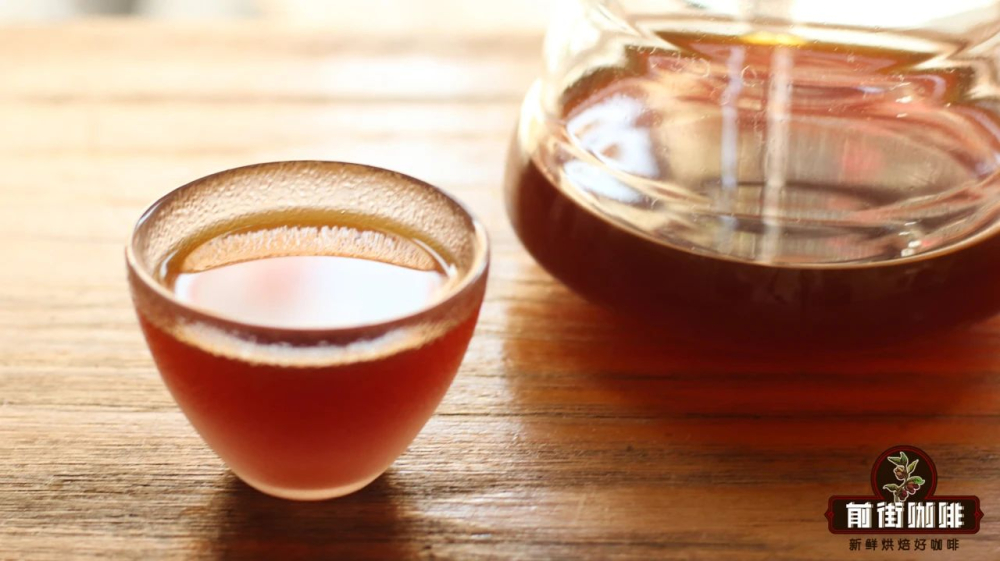 Modern pour-over techniques, with their simple equipment and precise control, can perfectly highlight the delicate flavors of coffee, especially when paired with the increasingly popular light-roasted beans. A basic pour-over setup includes a filter cone, pour-over kettle, digital scale, and other tools, with an entry-level configuration available for around 1500 RMB to deliver a premium experience. This extraction method preserves the coffee’s original aromas, particularly accentuating bright notes like citrus and floral tones, making it the most endorsed tasting method among coffee professionals.
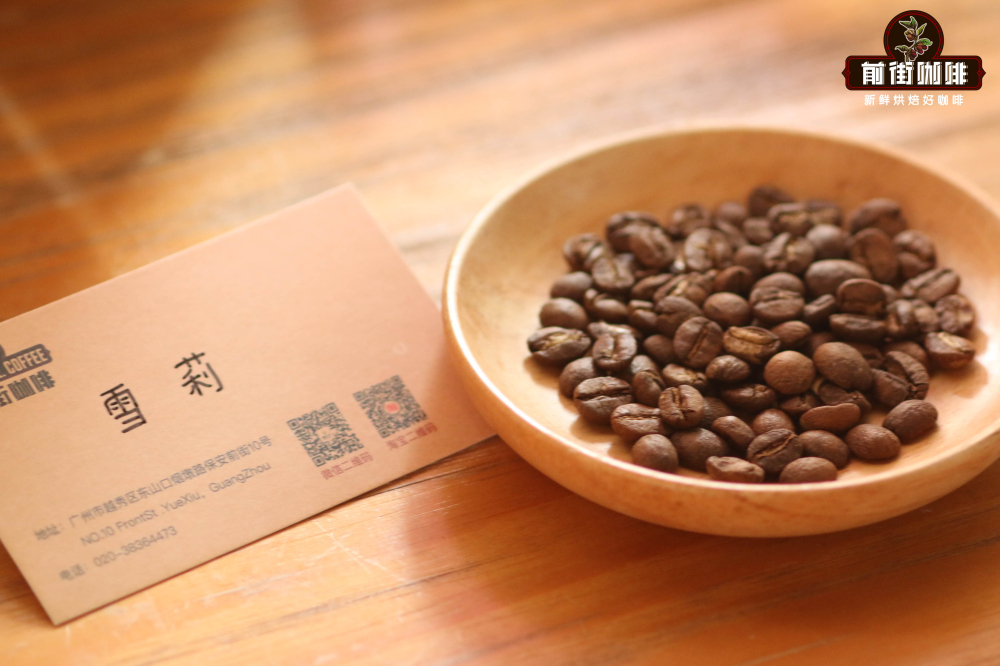
Yirgacheffe: The Coffee Gem of Ethiopia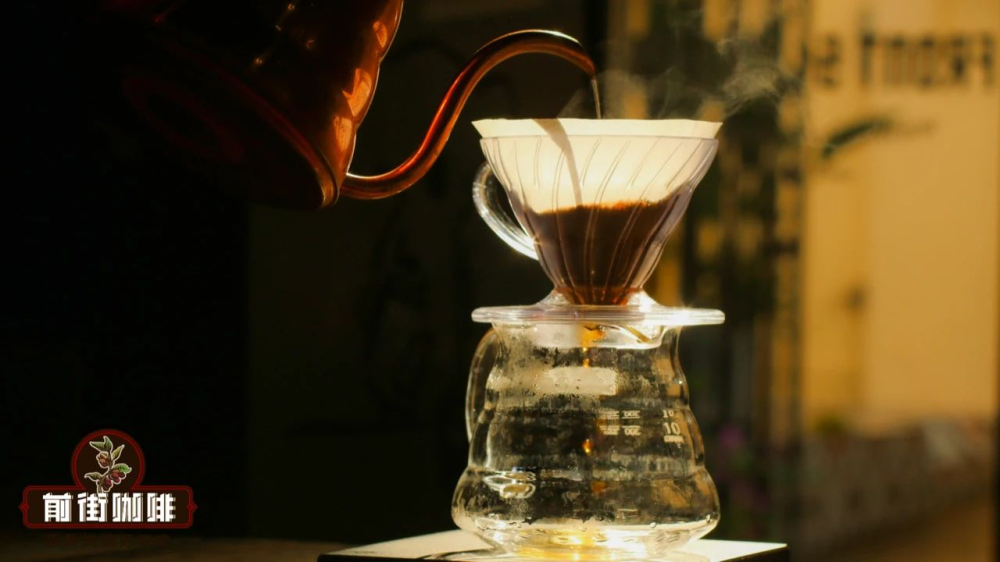 As a benchmark producing region in African coffee, Ethiopia’s Yirgacheffe is renowned for its unique floral and citrus notes. Local coffee beans often present an enticing combination of white floral aromas, citrus acidity, and green tea undertones. The region offers three representative products: red cherry G1 grade beans processed with the natural method, boasting intense berry flavors; washed-process Guji Dingding Cooperative beans, known for their crisp citrus acidity and honey sweetness; and the cost-effective G2 grade washed beans, priced at just 25 RMB per pack. Though they have a slightly higher defect rate (allowing 12 defects in 300g of green beans), their flavors remain outstanding after professional screening.
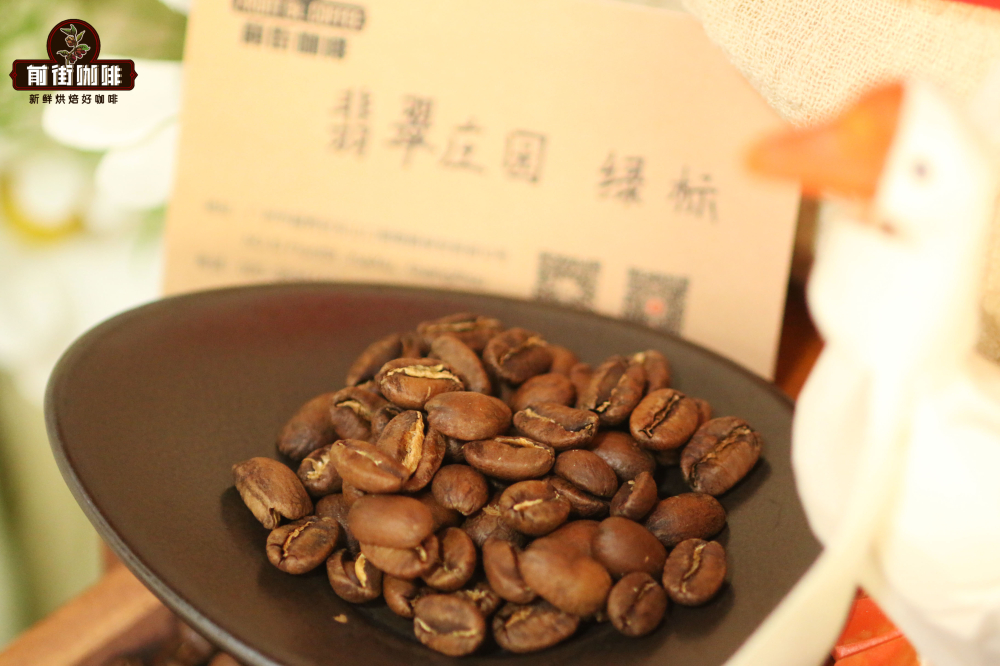
Geisha Coffee: The Legendary Variety from Panama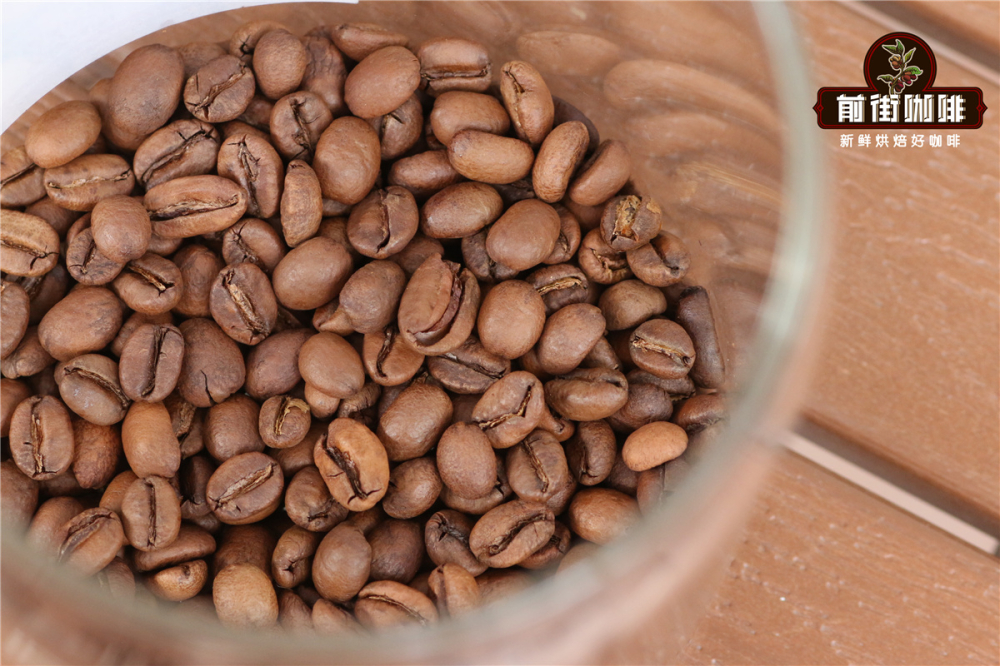 The Geisha variety originated from Ethiopia’s Gesha Mountain and, after being cultivated elsewhere, truly shined at Panama’s Hacienda La Esmeralda. The estate’s Red Label Geisha (Esmeralda Special) is the pinnacle representation, selecting only G1 grade beans from high-altitude plots between 1600-1800 meters, with each batch requiring a cupping score of 90 or above. Its bright lemon acidity, jasmine floral notes, and tea-like finish are unforgettable. The Green Label (Private Collection), though a blend of multiple plots, maintains the signature floral and citrus profile of Geisha, with greater affordability.
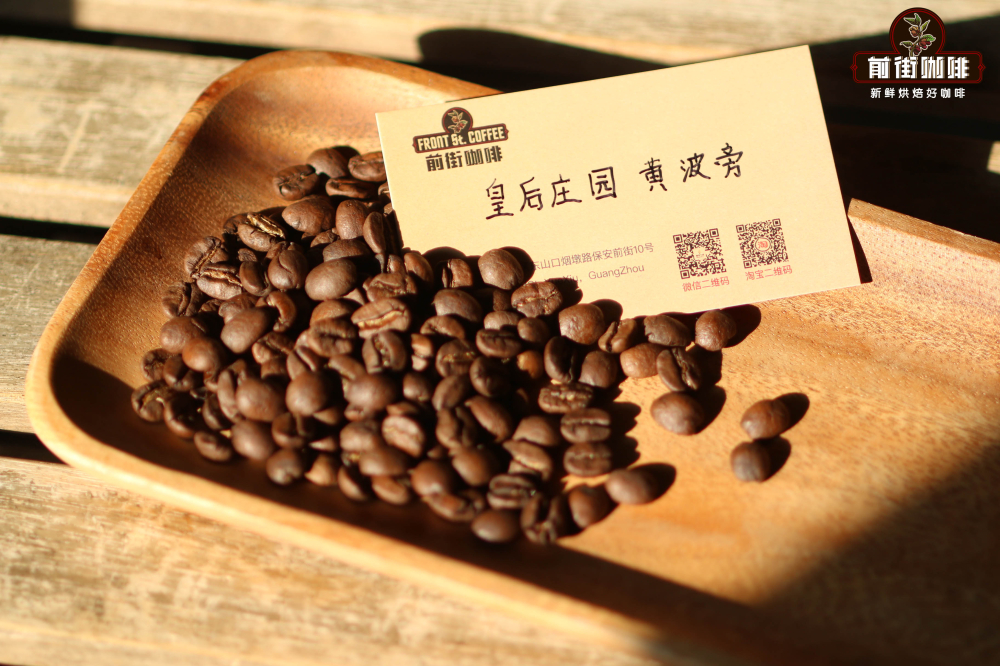
Flavor Experiments with Special Processing Methods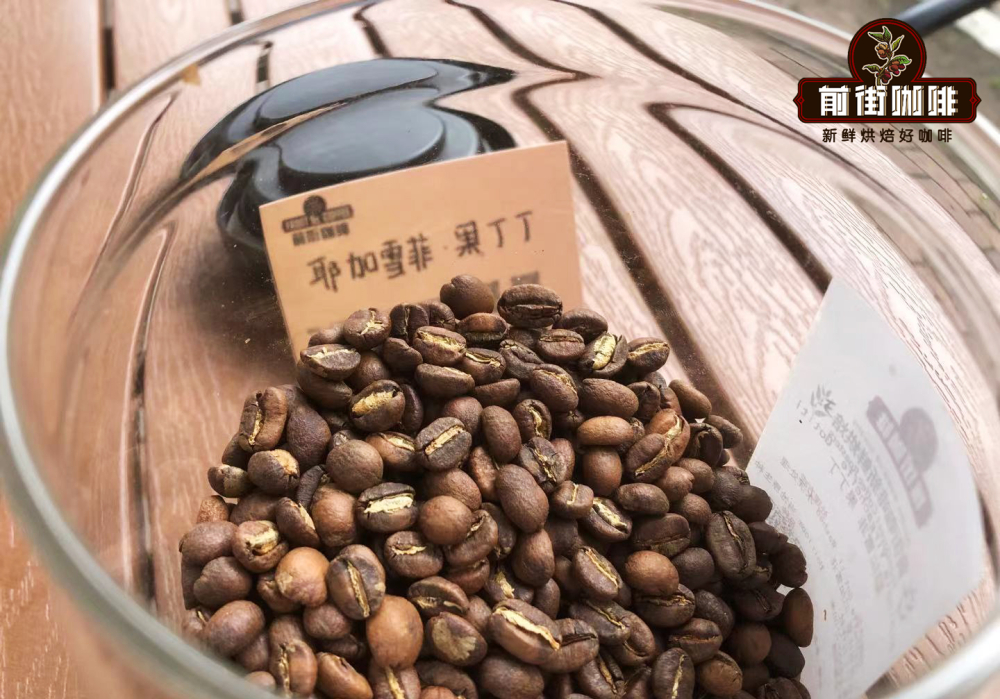 A certain brand’s Honduran Sherry Coffee employs whiskey oak barrel fermentation, imparting rich wine-like aromas and vanilla cream flavors. This innovative processing method requires precise control over fermentation time and humidity. When brewing, it’s recommended to use a medium-light roast, with water temperature controlled at 90-92°C to highlight the wine notes. Another example, Brazil’s Queen Estate Yellow Bourbon, achieves a strong cane sugar sweetness and chocolate flavor through medium roasting, making it particularly suitable for beginners trying pour-over for the first time.
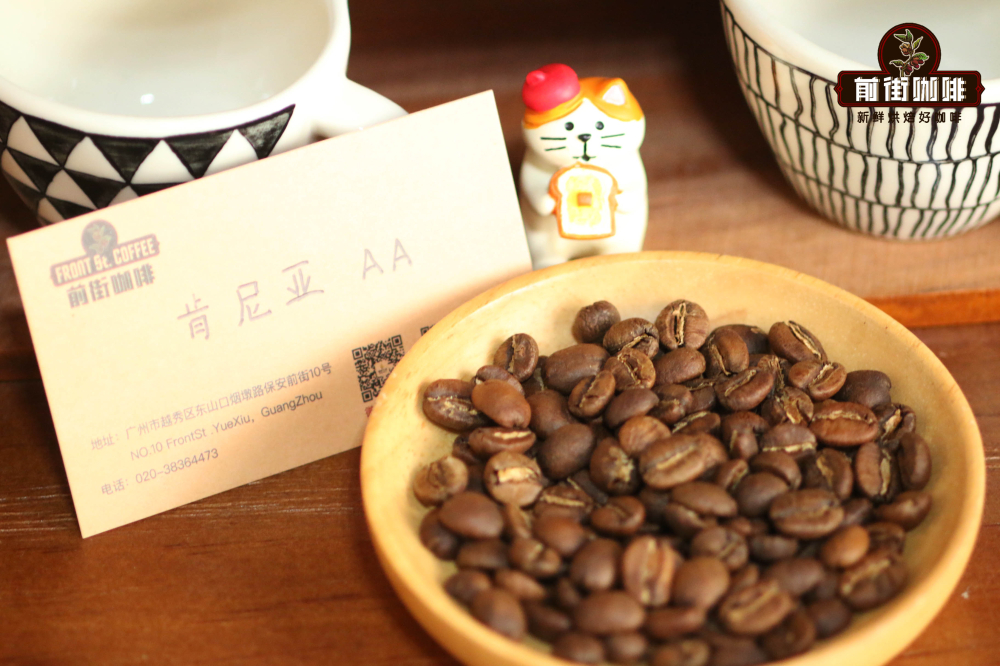
The Acidity Charm of African Coffee Kenya AA-grade coffee is famed for its robust dark plum and cherry tomato acidity, thanks to the SL28/SL34 varieties and a unique 72-hour extended washed process. The country grades its beans by size, with AA requiring 17-18 mesh particles. The Bee Fermentation batch from the Assalia Processing Factory often exhibits vivid fruit acidity. When brewing these high-acid beans, it’s recommended to use a coarser grind (e.g., 80% through a Chinese standard 20-mesh sieve) and water at 93°C to avoid over-extraction that leads to sharp acidity.
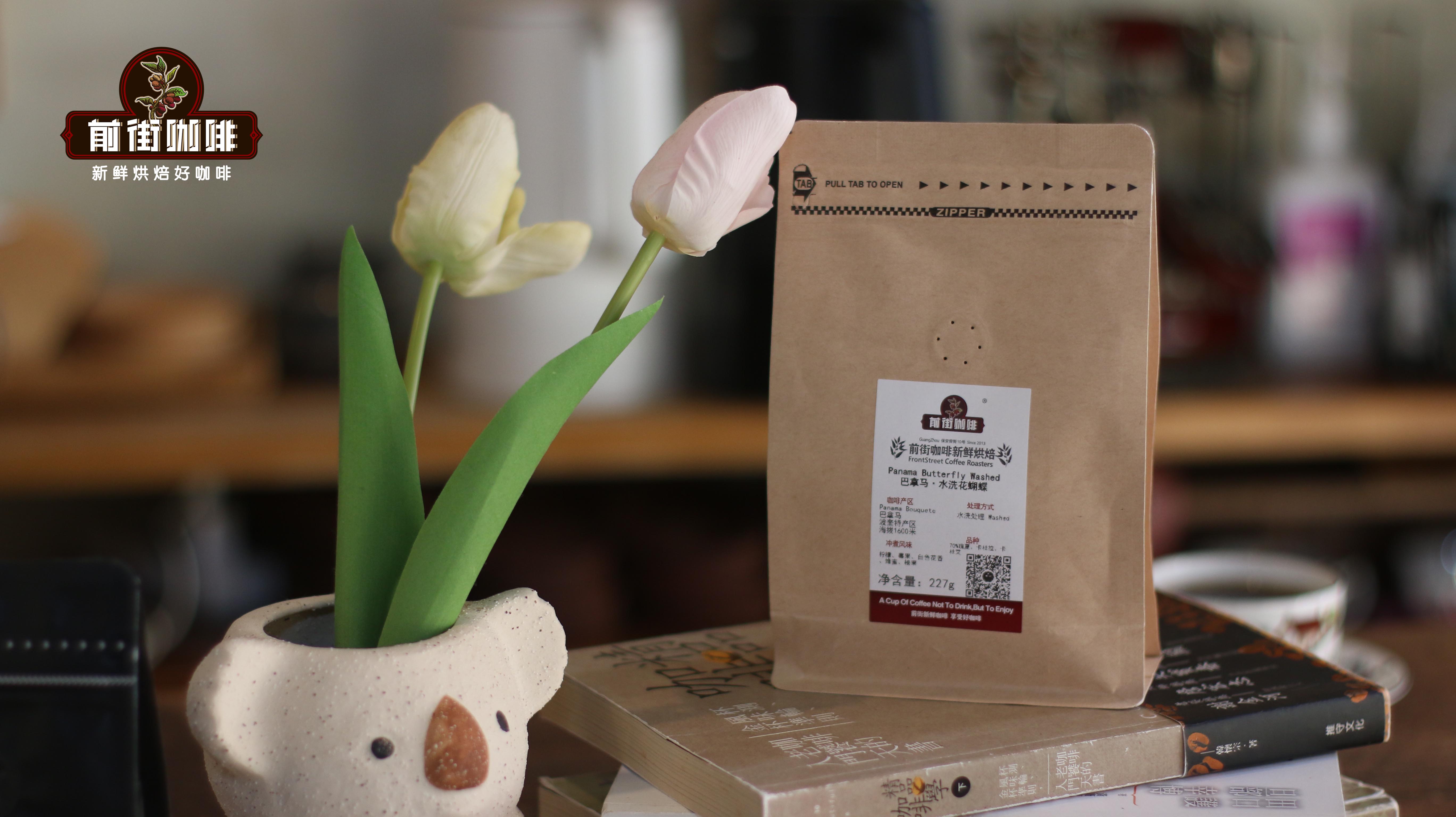
The Diverse Expressions of American Coffee Panama’s Geisha Flower Butterfly Coffee contains 70% Geisha blended with other varieties, offering the classic Geisha flavors at an accessible price. Costa Rica’s Stone Manor Blueberry Cotton Candy beans, processed with anaerobic honey, deliver intense blueberry and rose aromas. Though pricier, its flavor is unique. Brazil’s Queen Estate Yellow Bourbon, with medium roasting, showcases nutty and chocolatey tones, compatible with various brewing methods like pour-over and French press, making it a practical yet flavorful choice.
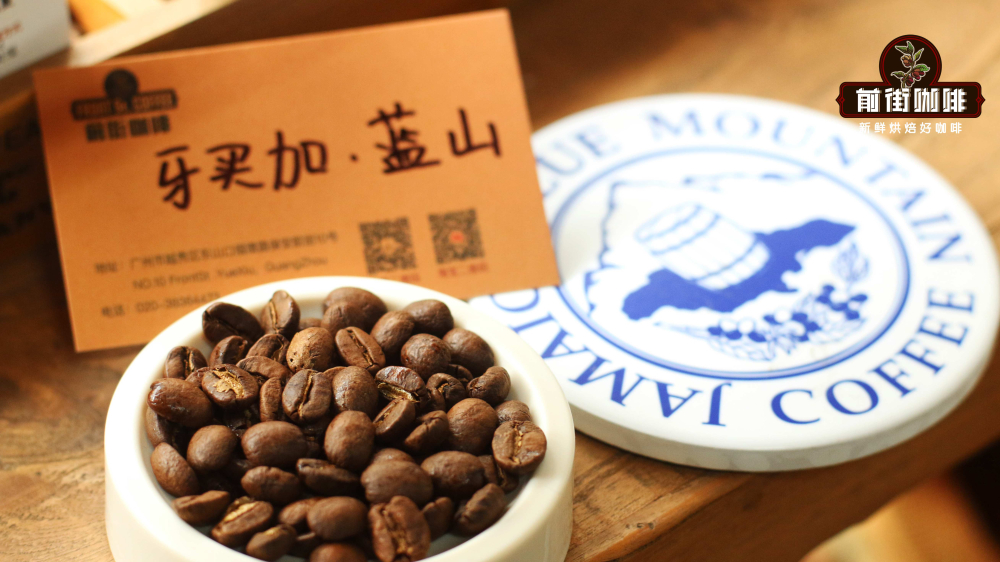
Blue Mountain Coffee: The Benchmark of Coffee Royalty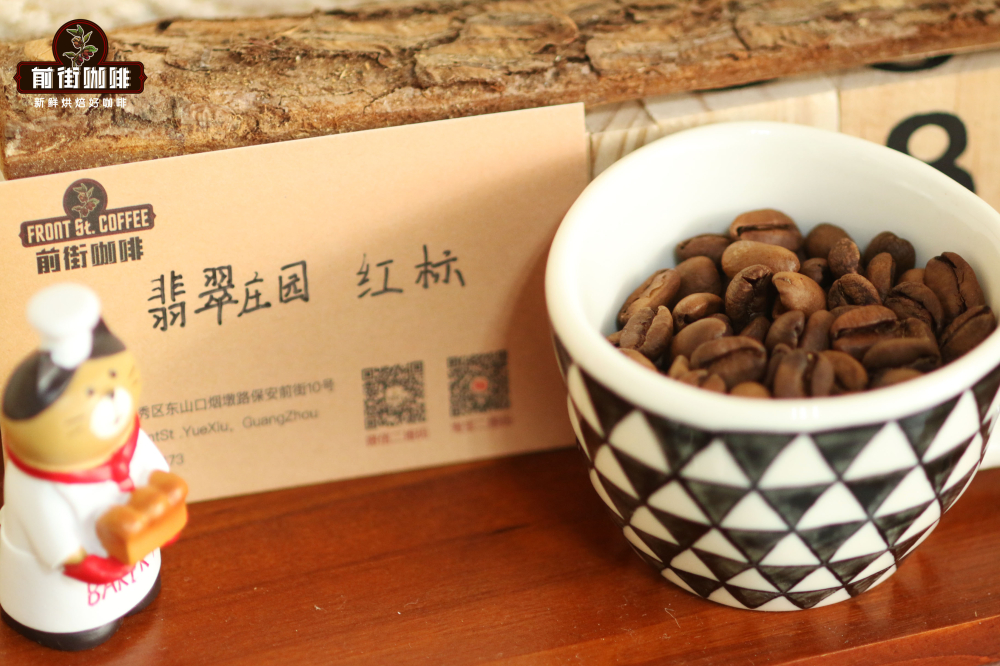 Jamaica Blue Mountain No.1 consistently ranks at the pinnacle of specialty coffee for its balanced acidity, sweetness, and bitterness, along with a rich and clean mouthfeel. Authentic Blue Mountain beans must come from specific altitude zones within the Blue Mountains and undergo strict grading. This coffee is highly sensitive to roast levels; a medium roast (Agtron roast level chart around #65) is recommended to preserve its complex flavors. Pay attention to water flow stability during brewing to showcase its layered taste.
From the highland floral notes of Ethiopia to the berry tones of Panama, these classic coffee varieties showcase the terroir characteristics of different global producing regions. When choosing, consider your personal flavor preferences: opt for Yirgacheffe or Kenya AA if you prefer bright fruit acidity; try Blue Mountain or Brazilian Yellow Bourbon for rich sweetness; or explore sherry barrel or anaerobic-processed beans for a unique experience. Mastering the characteristics and brewing parameters of different bean varieties will greatly enhance your coffee tasting journey.
The above content is compiled by CoffeeHunters, a coffee news website.


