







Introduction:Coffee enthusiasts often hear about grades like G1, AA, and SHB, but do you know what these classifications actually mean? Grading standards vary greatly across different coffee-growing regions, with factors such as the number of defective beans, bean size, altitude, and processing methods all influencing the final grade. This article takes an in-depth look at the grading systems of major producing regions such as Ethiopia, Kenya, Colombia, and Costa Rica, helping you choose the coffee beans that best suit your taste.
When tasting coffee, have you ever wondered why some beans are labeled G1, AA, or SHB? These are actually grades assigned to green coffee beans based on varying criteria in each region. Understanding these classifications not only helps you select coffee beans more precisely but also deepens your knowledge of coffee flavor and quality.
First, why is it necessary to grade coffee beans? Primarily, it's to distinguish higher-quality beans from lower-quality ones, giving consumers a basis for making purchasing decisions. However, grading standards differ across regions. Common grading criteria include defect rate, bean size, altitude, bean density, and processing methods. Therefore, it’s not recommended to directly compare grades between different countries.
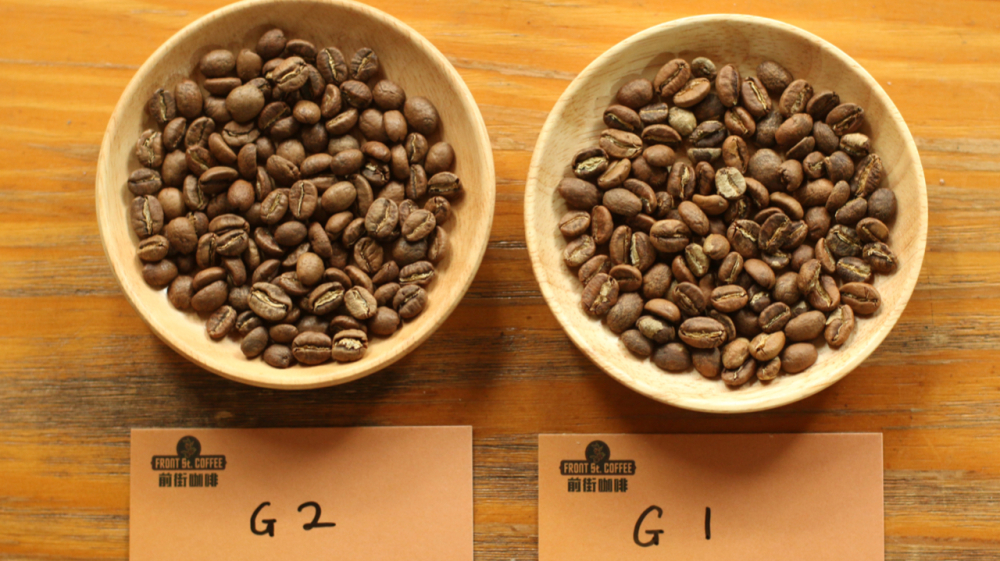
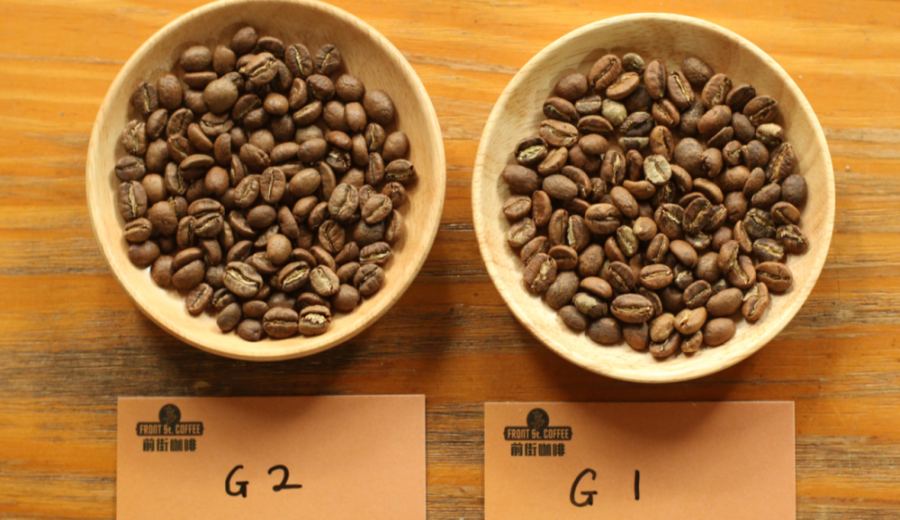
Take Ethiopia as an example. Before the establishment of the Ethiopian Commodity Exchange (ECX), coffee grading in the country mainly relied on the number of defective beans. In a 300-gram sample, the fewer the defects, the higher the grade. For instance, Grade 1 required 3 or fewer defective beans, while Grade 5 could have as many as 46–90. With advancements in processing techniques, even natural (sun-dried) beans can now achieve G1 status.
After the ECX was established, a more comprehensive grading approach was adopted, combining physical characteristics and cupping quality for evaluation. Coffee beans are divided into three main categories: specialty, commercial, and local/domestic, with the first two intended for export. In the specialty grading system, physical characteristics account for 40% and cupping quality 60%, ultimately resulting in nine grades. Among these, G1 and G2 can be further classified as Q1 specialty grade if they achieve a cupping score of 85 or above.
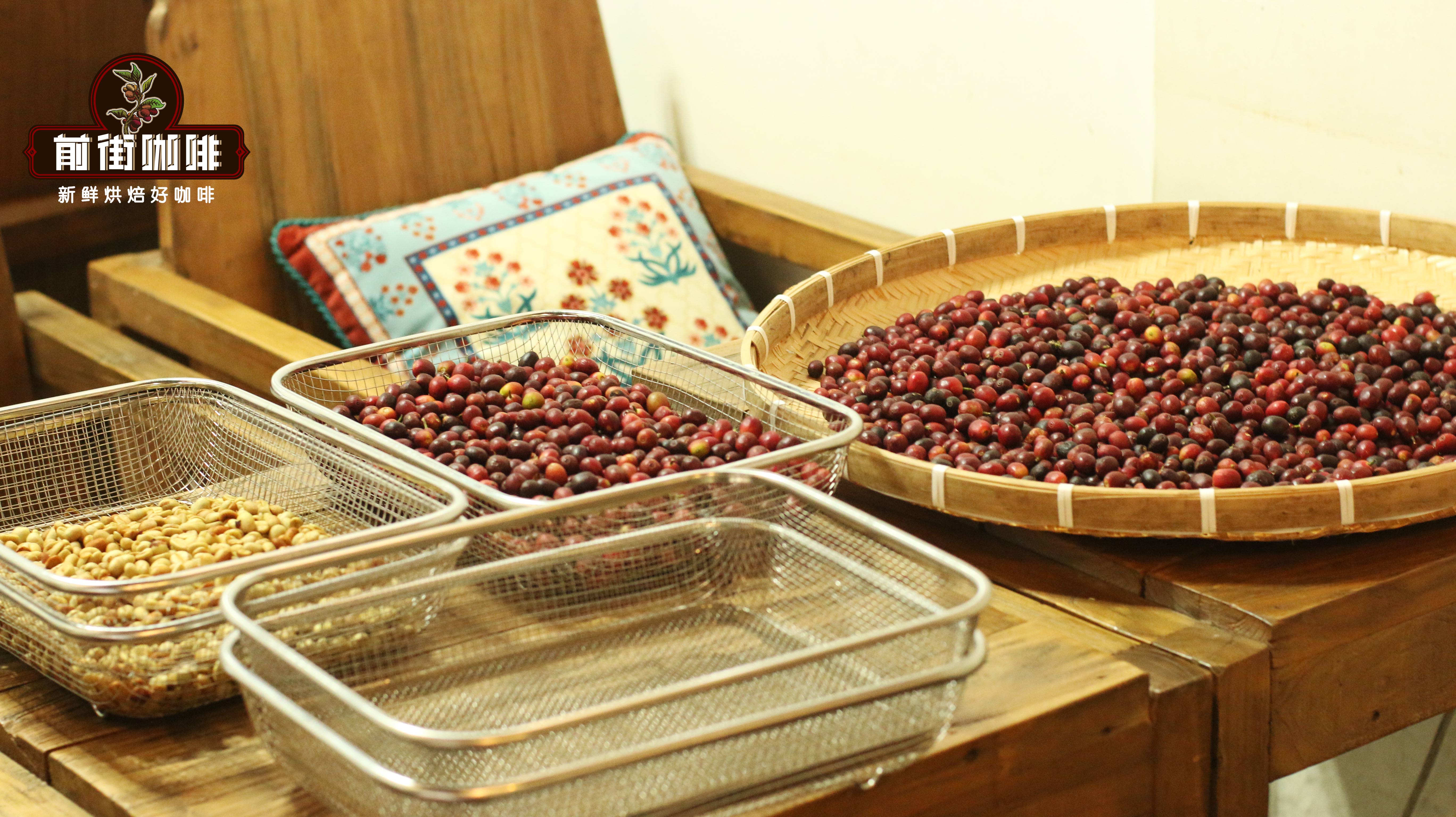
Next, let’s look at Kenya, where coffee grading is primarily based on bean size. Kenyan coffee beans are divided into eight grades, with AA grade being around 17–18 mesh, one of the most common and highly regarded grades. However, it’s important to note that while bean size correlates somewhat with quality, it doesn’t directly equate to flavor superiority. Additionally, Kenya has a PB grade, which stands for peaberry—where only one seed develops inside the coffee cherry, resulting in small, round beans that are rare and often exhibit unique flavor profiles.
In Colombia, coffee grading is primarily focused on bean size. The highest grades are Supreme Screen 18+ and Supreme, which require beans to have a screen size of 95 or above. There is also the Excelso series, such as Excelso EP, with a size of 14–16 mesh, suitable for general commercial use and high-quality needs.
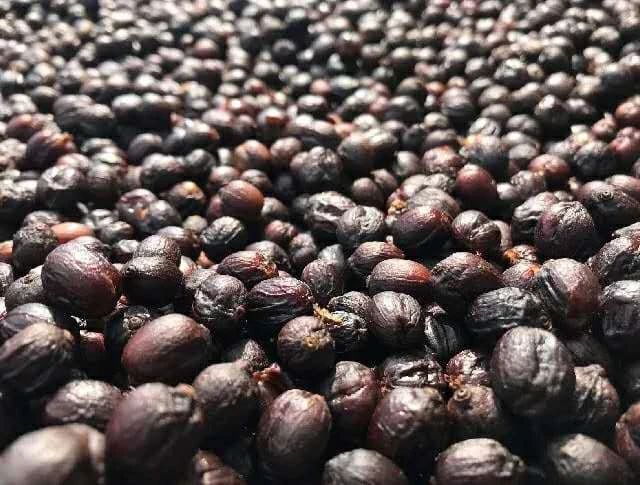
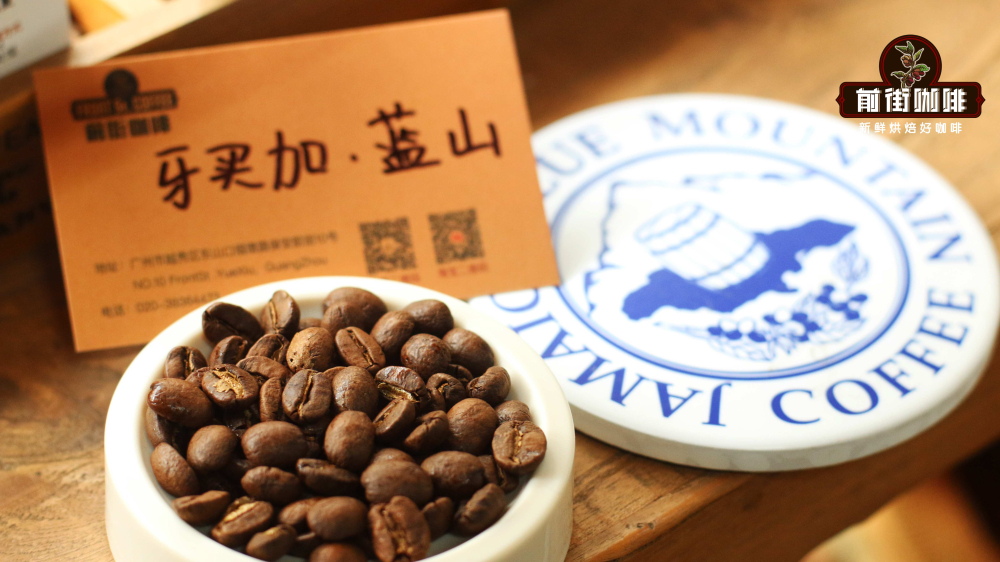
As for Jamaica’s Blue Mountain coffee, grading combines both altitude and bean size, divided into seven grades: Blue Mountain No. 1 to No. 3, Blue Mountain Peaberry, and blended beans. Among them, Blue Mountain No. 1 requires that 96% of the beans must be 17/18 mesh, with no more than 2% defective beans, making it the top-tier representative of Blue Mountain coffee.
In Central America, including countries like Costa Rica, Panama, and Guatemala, coffee grading often uses altitude as the standard. For example, SHB (Strictly Hard Bean) refers to extremely hard beans grown at altitudes above 1400 meters. Due to the harsh growing environment and slow growth rate, these beans accumulate ample nutrients, typically resulting in richer and more complex flavors.
El Salvador and Honduras grade coffee by altitude as well, such as SHB (Strictly High Grown) requiring elevations above 1200 meters, and HG (High Grown) falling between 900–1200 meters. The higher the altitude, the greater the day-night temperature variation, leading to richer accumulation of flavor compounds in the coffee.
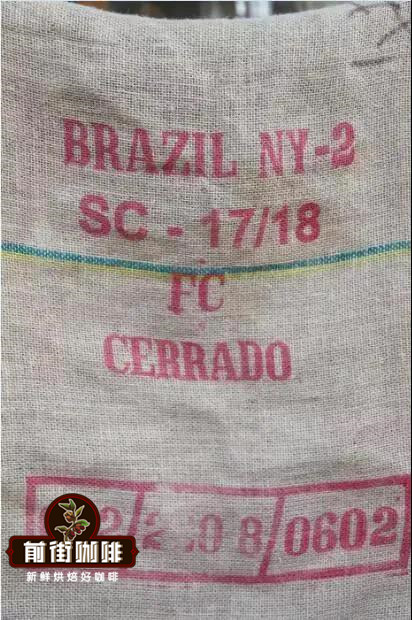
Finally, Brazil, as the world’s largest coffee producer, uses a grading system that takes into account bean size, defect rate, and cupping score. In Brazil’s grading, NY.2 is considered relatively high quality, requiring beans to be 17–18 mesh, with no more than 6 defective beans, and cupping quality also meeting certain standards.

The above content is compiled by CoffeeHunters, a coffee news website.

