








Introduction:Want to dive deeper into the flavor layers of pour over coffee? This article explains the complete process of professional coffee tasting, from dry aroma and wet aroma to high and low temperature flavor changes. It guides you through the techniques of sipping and the eight key physicochemical evaluation dimensions. Not only does it teach you how to properly taste coffee, but it also offers practical methods for describing flavors, allowing you to analyze specialty coffee details like a cupping expert.
Tasting coffee is similar to wine tasting—it’s an art that combines sensory experience. Many coffee enthusiasts hope to accurately identify the flavor characteristics of coffee and express them using professional vocabulary. This article will introduce, in an easy-to-understand way, how to systematically evaluate a cup of black pour over coffee—from the basic steps to specific descriptive methods—to help you comprehensively enhance your coffee tasting skills.

Evaluating coffee can be divided into two core aspects: the tasting process and the tasting perspective. Many people wonder why we use “flavor” instead of just “taste” to describe coffee. The key lies in the fact that flavor encompasses three dimensions: smell (aroma), taste (acid, sweetness, bitterness, saltiness, umami), and touch (mouthfeel), making it a multi-dimensional sensory experience. Relying solely on taste is far from enough to fully interpret the essence of a cup of coffee.
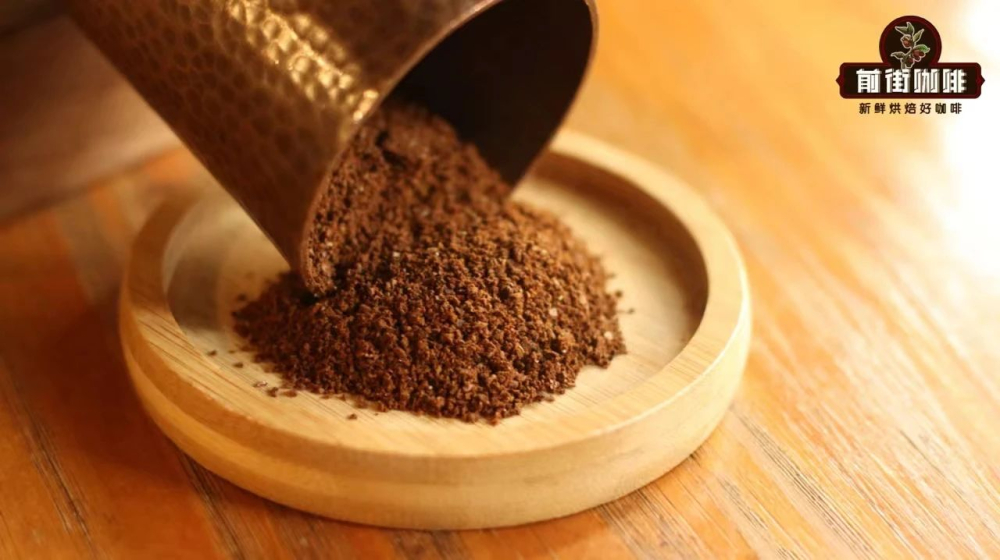
The starting point of evaluation is usually smelling the dry aroma. When coffee beans are ground into powder, a large amount of volatile aromatic compounds are released—this is the first and most direct impression of the aroma. It’s distinctly different from the wet aroma after brewing; the dry aroma often more closely resembles the original characteristics of the coffee beans themselves. After brewing, sniff the wet aroma of the coffee liquid again to capture more of the complex aromatic notes released during extraction. Though simple, these two steps are important foundations for judging coffee quality.
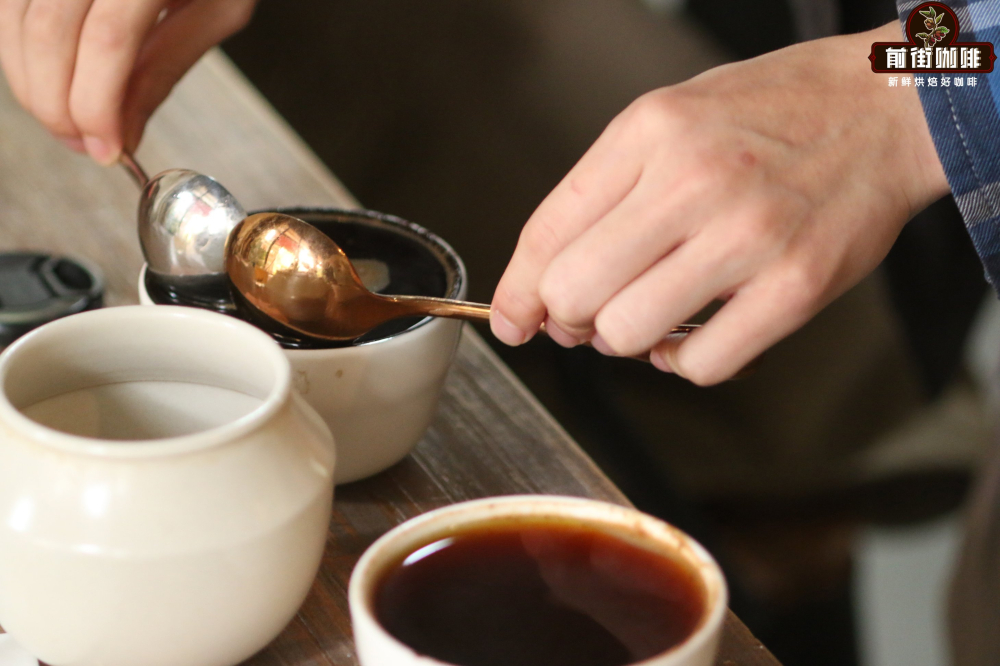
Next comes the actual tasting stage. Many experienced coffee drinkers prefer the sipping (slurping) method, where coffee is rapidly drawn into the mouth to atomize it, allowing flavor compounds to contact both the tongue surface and the olfactory receptors at the back of the nasal cavity—greatly enhancing flavor sensitivity. It’s worth noting that the flavor profile of coffee changes noticeably at different temperatures: at high temperatures, fruit acidity and aromas typically stand out, while as the temperature drops, sweetness and body gradually emerge. It’s recommended to spend at least ten minutes to fully experience the temperature evolution of a cup of coffee.
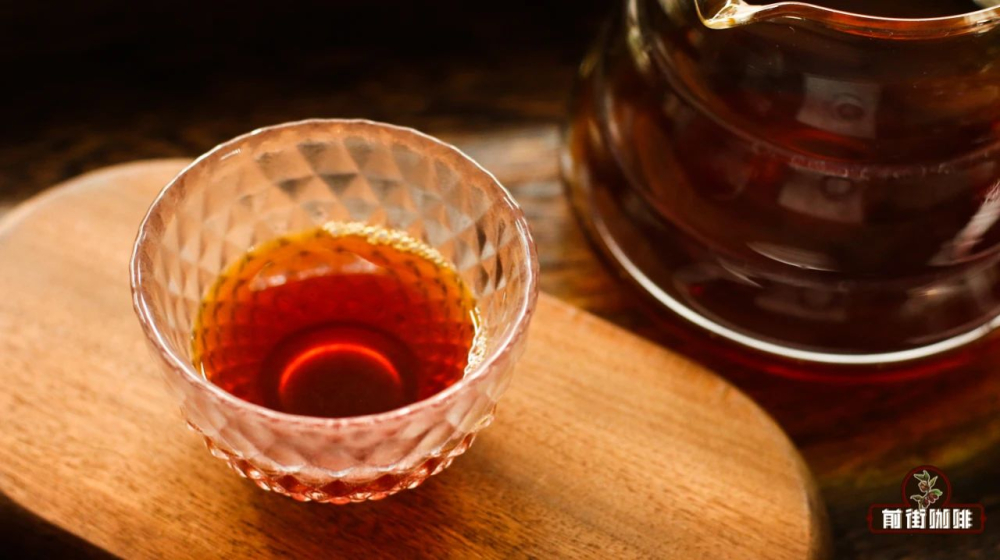
Professional coffee evaluations often refer to the COE (Cup of Excellence) cupping system, assessing coffee quality across eight dimensions. The first is aroma, considered the soul of coffee. Dry aroma comes from the volatile compounds after grinding, while wet aroma reflects the quality of extraction. Certain well-known producing regions have unique signature aromas—for example, Ethiopian Yirgacheffe often displays a distinct citrus-toned floral note, while Java beans may present an elegant herbal aroma. These characteristics help drinkers quickly establish flavor memory associations.
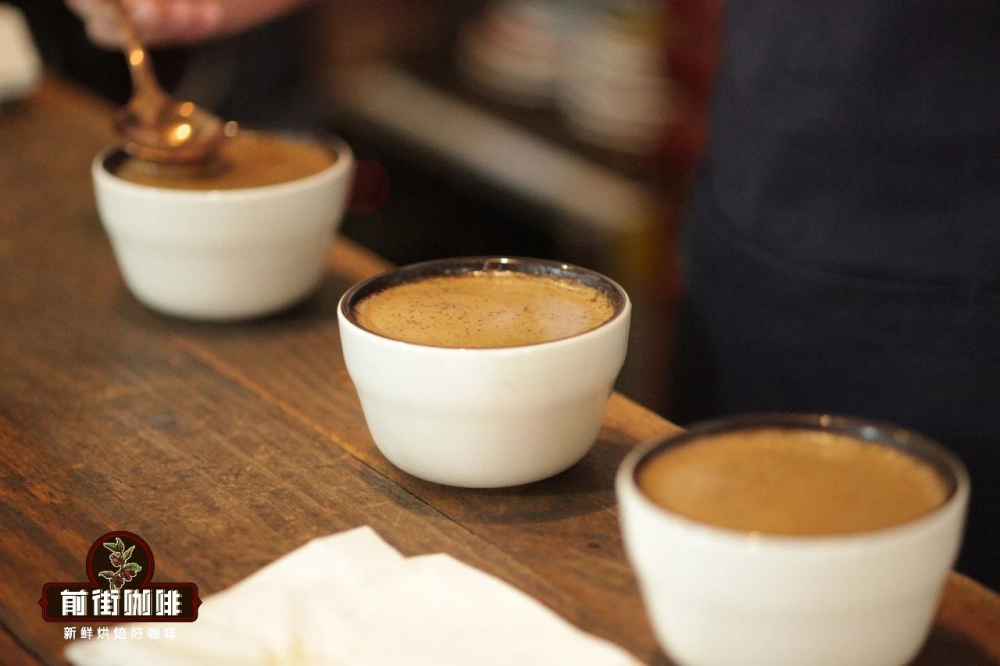
Cleanliness is a key indicator for assessing whether a coffee has defects. High-quality coffee should not exhibit earthy, medicinal, plastic-like, or any other unpleasant off-flavors. Next is sweetness—a good level of sweetness can significantly enhance the overall drinking experience. Its sources include the ripeness of the coffee fruit, processing method (e.g., natural sun-dried is usually sweeter than washed), degree of roasting caramelization, and extraction parameters. Types of sweetness can be subdivided into fruit sugar sweetness, honey sweetness, and caramel sweetness, among others.
Acidity evaluation must consider both intensity and texture. Ideal acidity should be bright and lively, like fresh fruit—not sharp or overly stimulating. For instance, Ethiopian beans often exhibit a refreshing citrus-like acidity, while Kenyan beans are known for their rich berry-like acidity. It’s important to distinguish between healthy fruit acids and undesirable rotten acids or excessively sharp vinegar-like notes. As for mouthfeel, it relates to the body and richness of the coffee, which comes from the fine fibers and oils suspended in the liquid—this is different from mere concentration. You can use the smoothness differences between water, whole milk, and light cream as reference benchmarks.
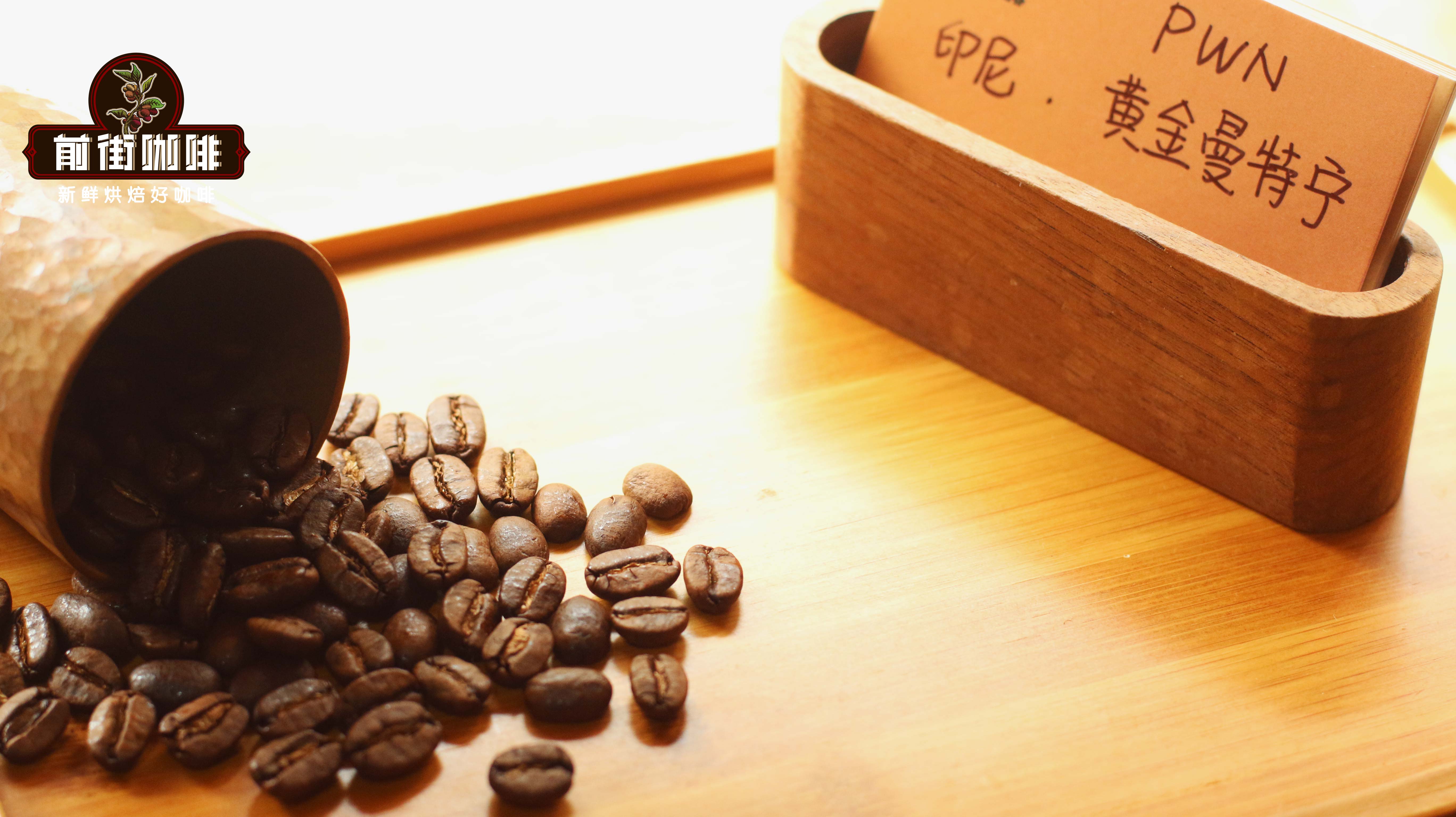
Flavor description is the part that best showcases the evaluator’s skill. It requires translating olfactory and taste impressions into concrete metaphors—such as associating bright lemon acidity with a refreshing fruity scent, or comparing dark roast chocolate notes to a rich dark chocolate. It’s advisable to build your own flavor memory library by continuously tasting and accumulating associative material. Aftertaste refers to the lingering presence of aroma and taste in the mouth after swallowing. High-quality coffee often leaves an aftertaste that can last several minutes—for example, Panamanian Geisha often delivers elegant floral notes and a cool tea-like sensation.
Finally, balance evaluation concerns the harmony among all indicators. An ideal cup of coffee should achieve perfect equilibrium among acid, sweetness, bitterness, saltiness, and umami—neither overly highlighting a single trait nor appearing monotonous. During professional evaluations, special attention is paid to whether the acidity is too sharp, the bitterness too heavy, or whether the sweetness is sufficient to support the overall flavor structure. By systematically observing these eight dimensions, even beginners can gradually develop professional coffee tasting skills.

The above content is compiled by CoffeeHunters, a coffee news website.


