








Introduction:Do you enjoy coffee with berry and tea-like flavors? This article takes an in-depth look at the unique berry characteristics of the washed beans from the Gotiti Cooperative in Yirgacheffe, Ethiopia. From the regional background and processing method features to the flavor profile of medium-light roasting, we also provide practical three-stage pour over parameters and grind size recommendations to help both beginners and advanced coffee enthusiasts brew a bright, refreshing berry-tea cup.
Berries are not actually a single type of fruit but refer to a variety of small, juicy berries. In the 2016 updated SCA coffee flavor wheel, berries were categorized separately, including strawberries, blueberries, raspberries, blackberries, as well as the less commonly mentioned mulberries and cranberries. Many coffee lovers are particularly drawn to beans with distinct berry flavors, among which several washed beans from Ethiopia's producing regions stand out the most.

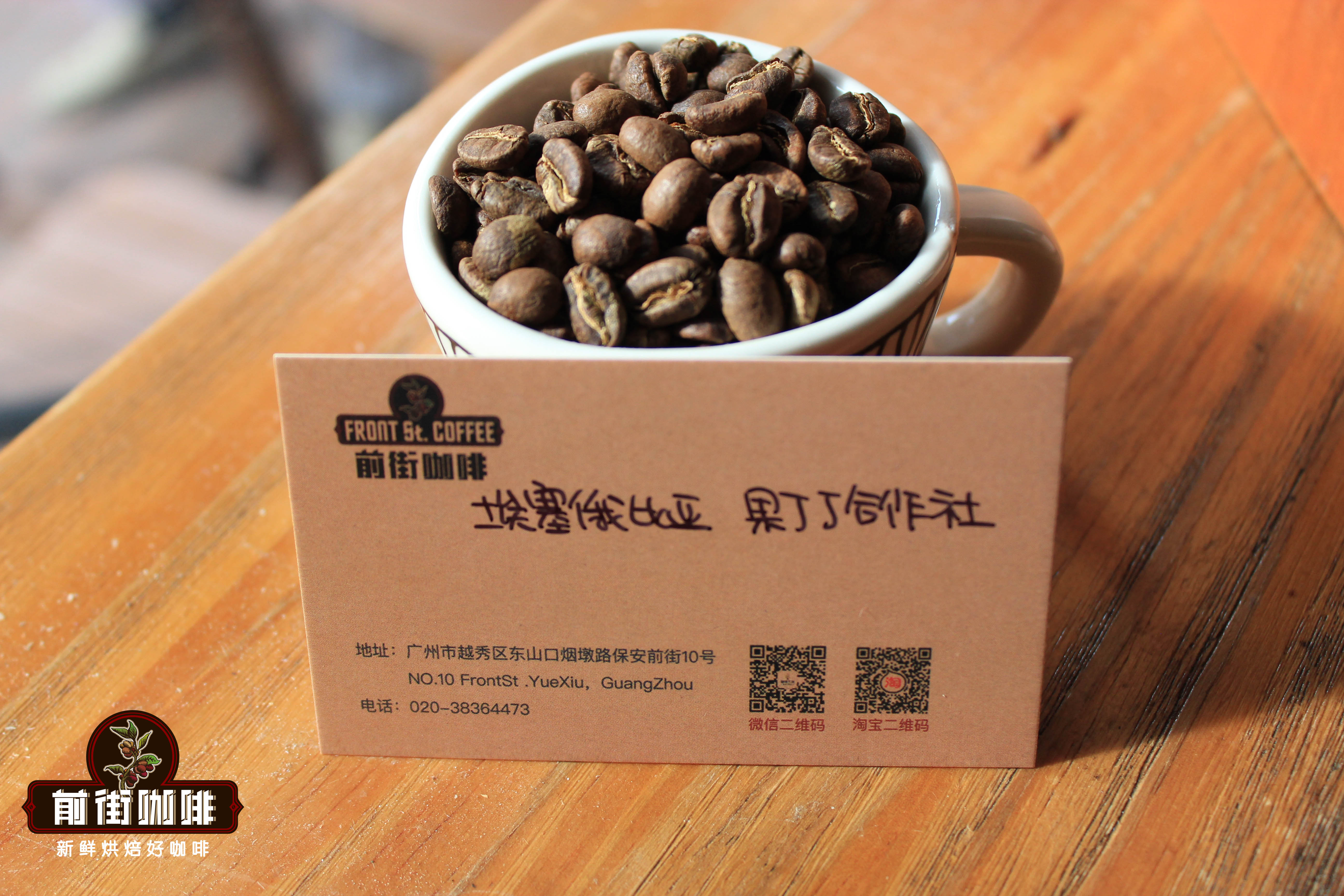
Among many distinctly flavored varieties, the washed beans from Ethiopia’s Gotiti Cooperative are known for their clear white floral notes, sweet and sour berry tones, citrus characteristics, and unique tea-like mouthfeel. These coffee beans come from the Wolkite region in the southeastern part of Yirgacheffe, operated by a cooperative composed of about 300 smallholder farmers. Not only do they have mature techniques, but thanks to the superior geographical conditions, they are also able to produce coffee flavors that are both layered and refreshing.
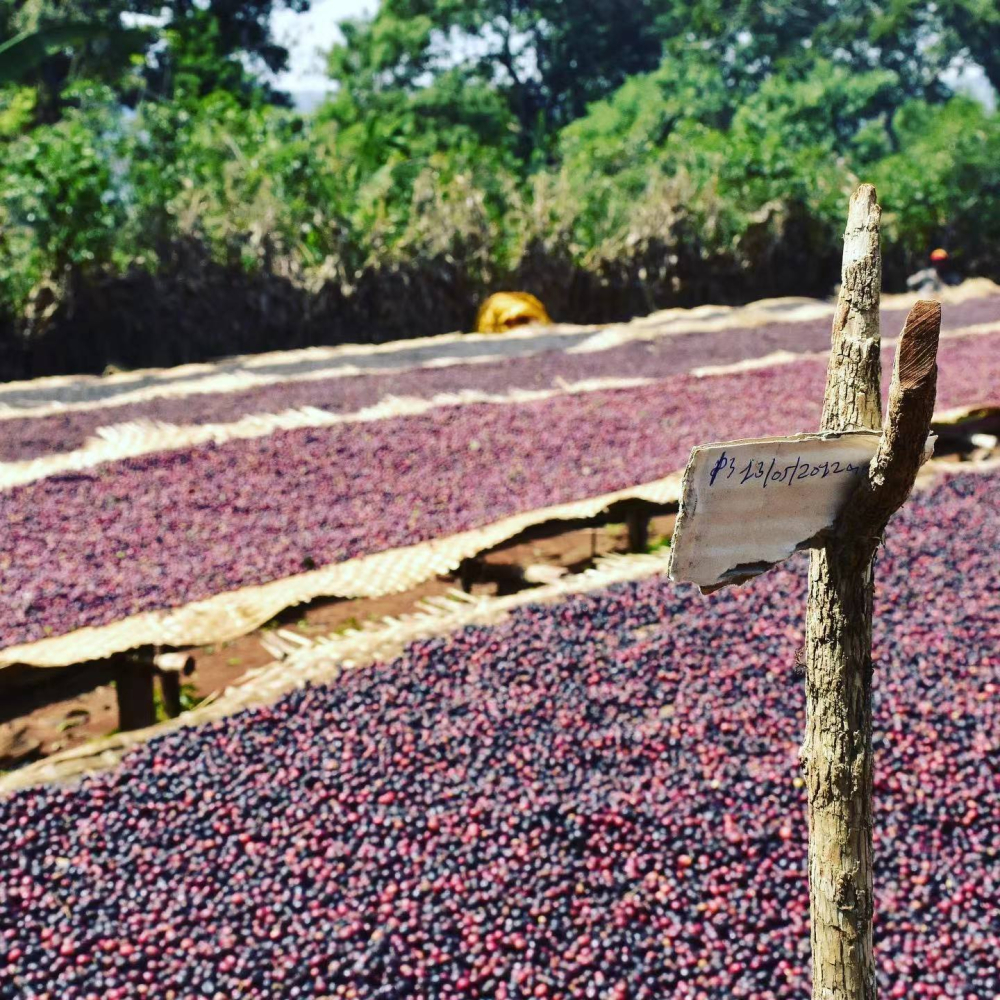
Yirgacheffe is located in Ethiopia’s high-altitude producing region, with some areas planted as high as 2100 meters above sea level. The high-altitude environment slows down the growth of coffee trees, helping them accumulate nutrients and resulting in richer and more complex flavors, especially bright acidity and lush fruity aromas. The surrounding Lake Turkana, Lake Abaya, and Lake Chamo provide ample moisture and a stable microclimate, giving the coffee here a unique misty moistness and spring-like growing conditions all year round.
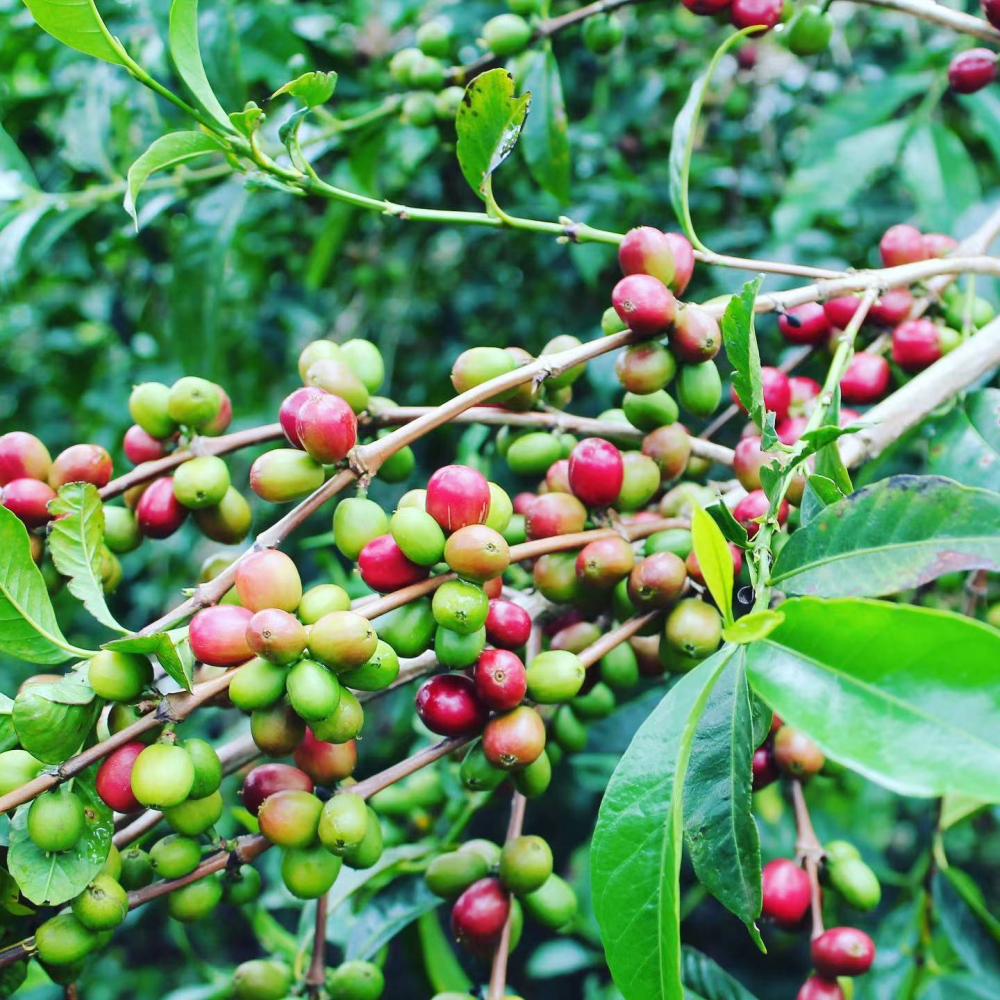
Coffee production in Ethiopia is mostly carried out by smallholders, with each household typically farming only about 1 hectare of land, resulting in limited output. Therefore, most coffee beans are centralized to local cooperatives for unified processing and grading. This model not only helps improve overall quality but also ensures more stable income for farmers. Common names we often see—such as Gotiti, Worka, Konga, and Adado—are derived from these representative cooperatives.
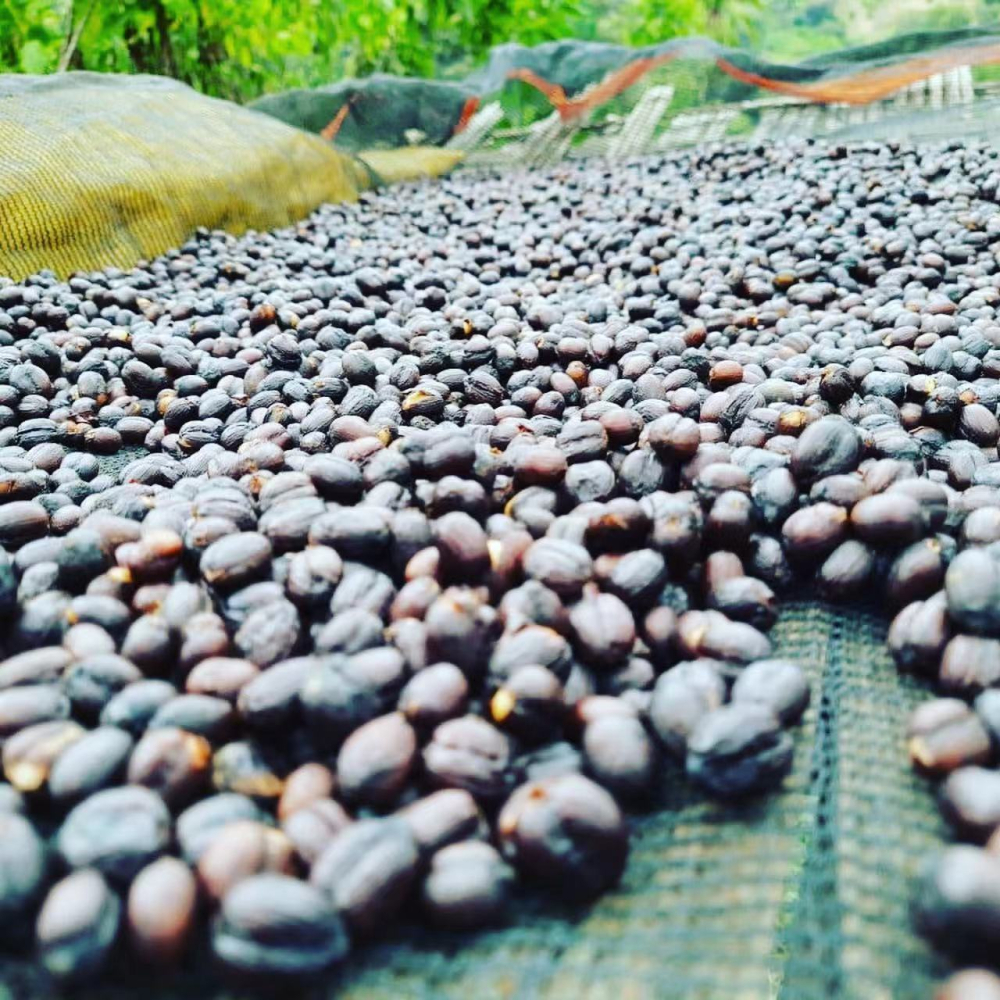
While traditional natural sun-dried processing can preserve rich flavors, it may also carry earthy or overly fermented off-notes. In contrast, washed processing removes defective beans through multiple steps, showcasing cleaner, brighter acidity and aroma. The Gotiti Cooperative uses medium-light roasted washed processing, successfully avoiding the intense bitterness commonly found in black coffee, and instead presents a fresh citrus and lemon acidity, complemented by subtle jasmine floral notes, making it truly unforgettable.
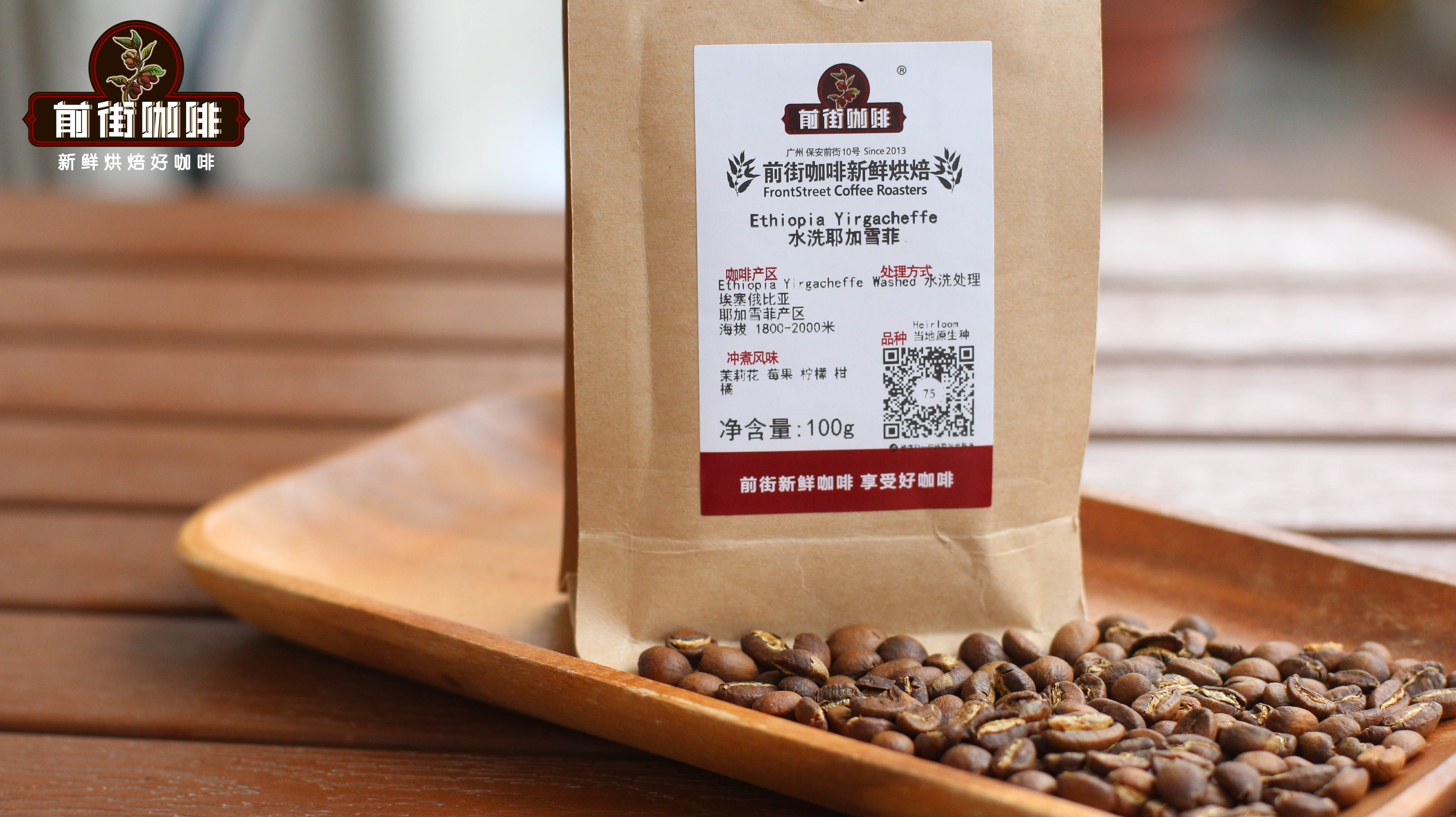
Medium-light roasting is key to highlighting the fruity profiles of Ethiopian coffee. The beans from the Gotiti Cooperative are roasted to this level, enhancing the brightness of the fruit acidity and the explosiveness of the floral notes, whether brewed via pour over, cold brew, or French press. During cupping, its dry fragrance carries the tartness of passion fruit, citrus, and berries, while the brewed cup delivers citrus acidity, berry sweetness, accompanied by almond notes and a lasting honey-like aftertaste. The overall body is low, yet extremely refreshing and clean.

For those who are just beginning to explore pour over coffee, the three-stage pouring method is recommended for brewing the Gotiti washed beans. This method helps extract flavor compounds more fully while avoiding over-extraction that can lead to unwanted off-flavors. A suggested coffee-to-water ratio is 1:15. For example, with 15 grams of coffee grounds, the total water volume is 225 milliliters, divided into three stages: the first 30 milliliters, the second 95 milliliters, and the third 100 milliliters, corresponding to 30 grams, 125 grams, and 225 grams on the scale, with a total extraction time controlled at about 2 minutes.
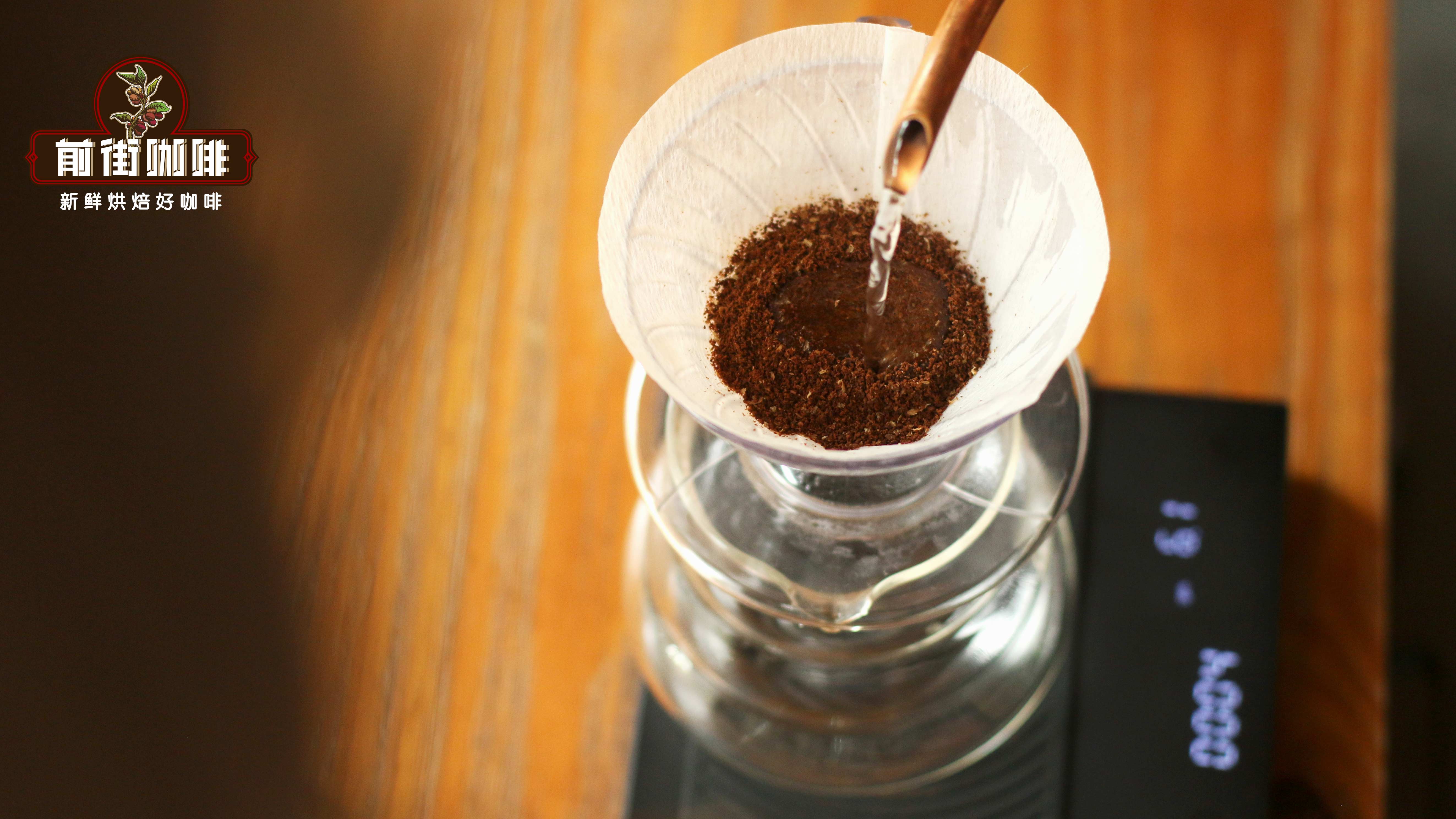
For brewing, it is recommended to use a Hario V60 filter cone. Its unique spiral rib design promotes the degassing of the coffee grounds, helping to release and dissolve acidic aromatic compounds. At the same time, since Gotiti is a light roast, it is recommended to use water at 92°C to 93°C to fully bring out its floral and fruity characteristics. As for grind size, a medium-fine grind is advised—approximately 78% passing through a Chinese standard No. 20 sieve, similar in coarseness to fine sugar—which balances flavor extraction and the fineness of the mouthfeel.

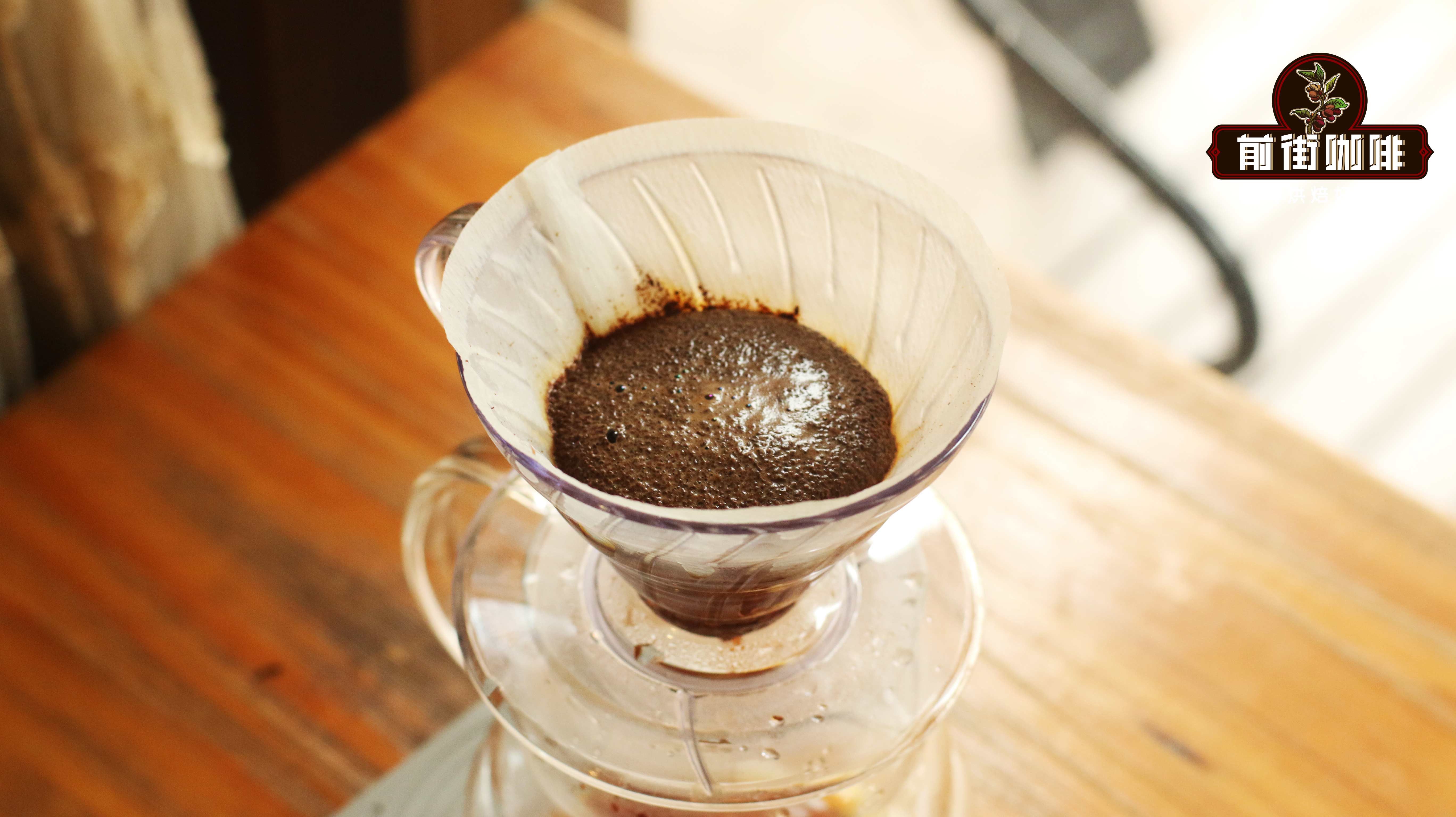
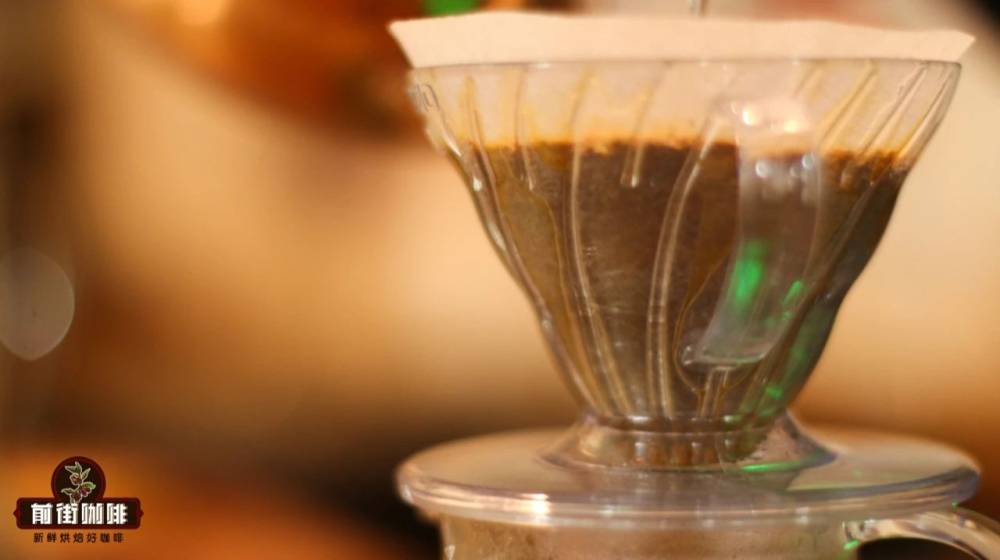
For specific steps, start by wetting the filter paper and placing it snugly in the V60, then add 15 grams of ground coffee, gently shake to level, and reset the scale. The first stage involves pouring 30 grams of water in small streams from the center outward in a circular motion for a 30-second bloom. The second stage switches to a slightly larger stream, steadily pouring 95 grams of water, completing around the 55-second mark, with the total weight reaching 125 grams. Once the liquid level drops halfway, pour the final 100 grams of water using small circular motions, paying attention to controlling the flow rate to avoid excessive dispersion of the coffee bed. The overall extraction time is about 2 minutes. After completion, give the coffee in the server a gentle swirl and enjoy.
The above content is compiled by CoffeeHunters, a coffee news website.


