







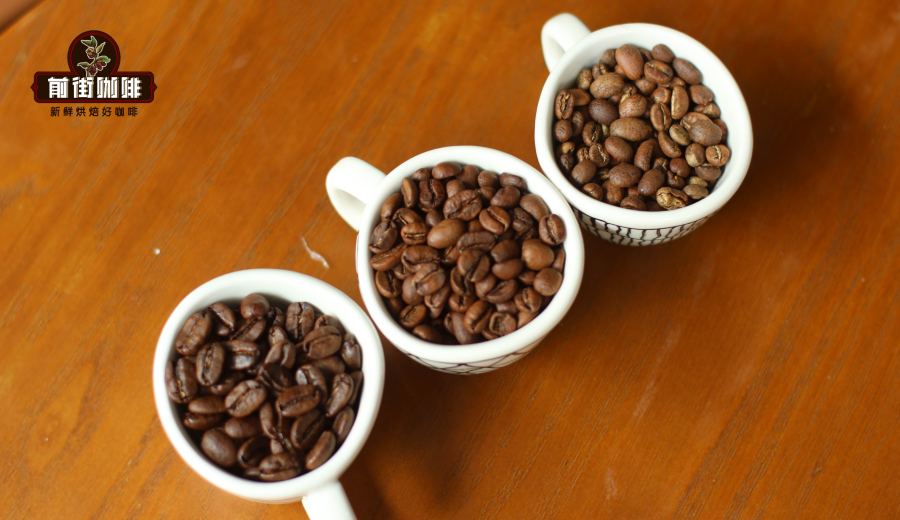
Introduction:Understanding coffee bean roast levels is the foundation for mastering flavor and extraction. The progression from light to dark roasts not only affects color but also determines the balance of acidity, sweetness, and bitterness, as well as the most suitable brewing methods. This article, based on professional color charts, provides a detailed breakdown of the characteristics of each roast stage—including special styles such as Nordic extra-light and Japanese extra-dark—and offers key parameters for roast stages along with common issues to help you find your ideal coffee match.
The key to transforming green beans into the familiar brown roasted beans lies in the roasting process. As heating time and temperature vary, the color of the coffee beans gradually darkens, while their flavor profiles undergo significant changes. The industry generally refers to the standard color chart established by the Specialty Coffee Association of America, which divides roast levels into eight grades, showcasing a diverse range of flavor expressions from light to dark.
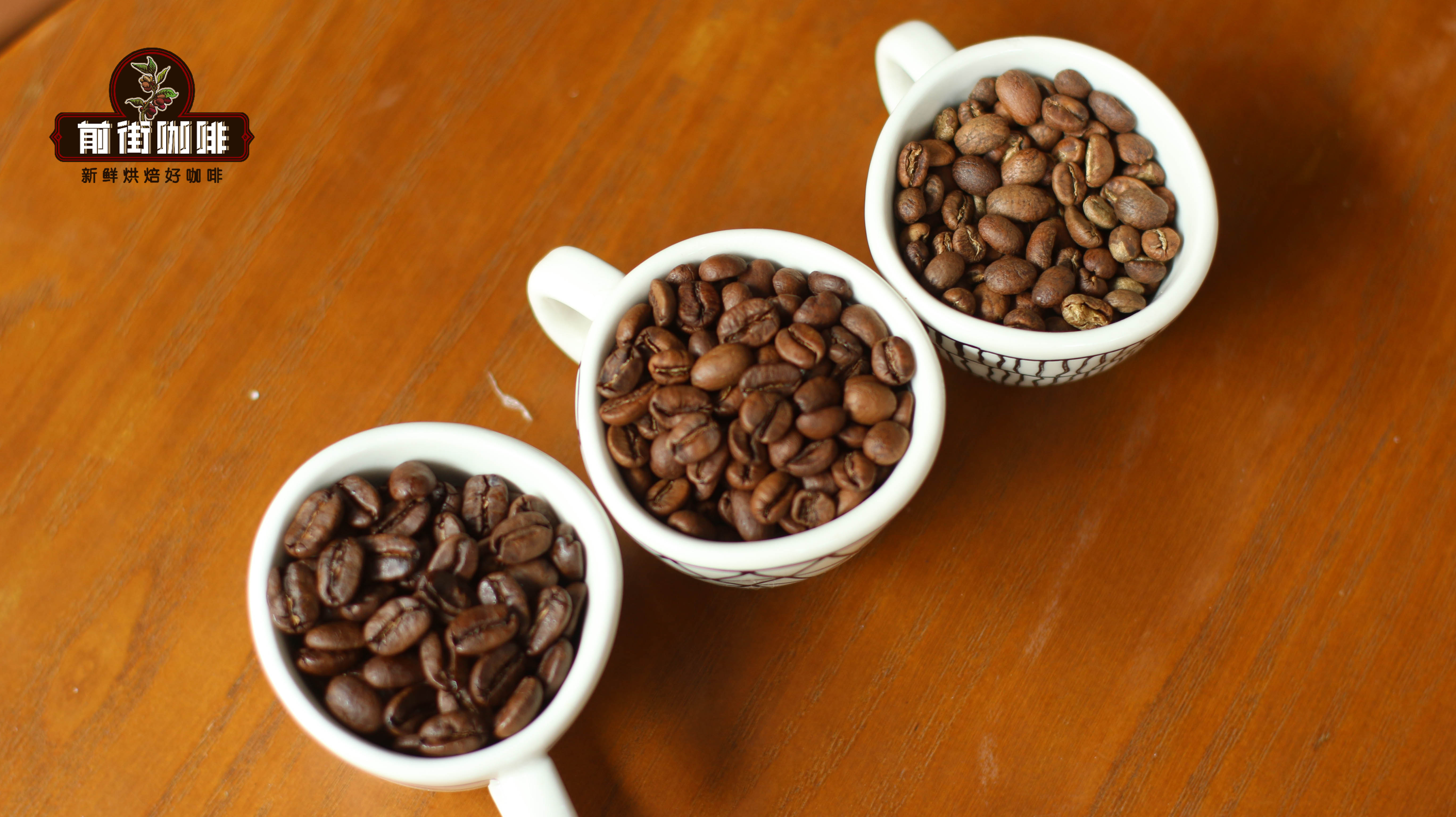
On the standard color chart, Light Roast (Agtron 95), labeled as number 95, is typically dropped at the beginning of the first crack. At this stage, the beans are still cracking internally, and the flavor is dominated by bright acidity. However, if the development time is insufficient, it can easily result in a grassy or underdeveloped taste. This stage of coffee suits drinkers who prefer a fresh and vibrant profile, commonly used in delicate pour overs or filter brews.
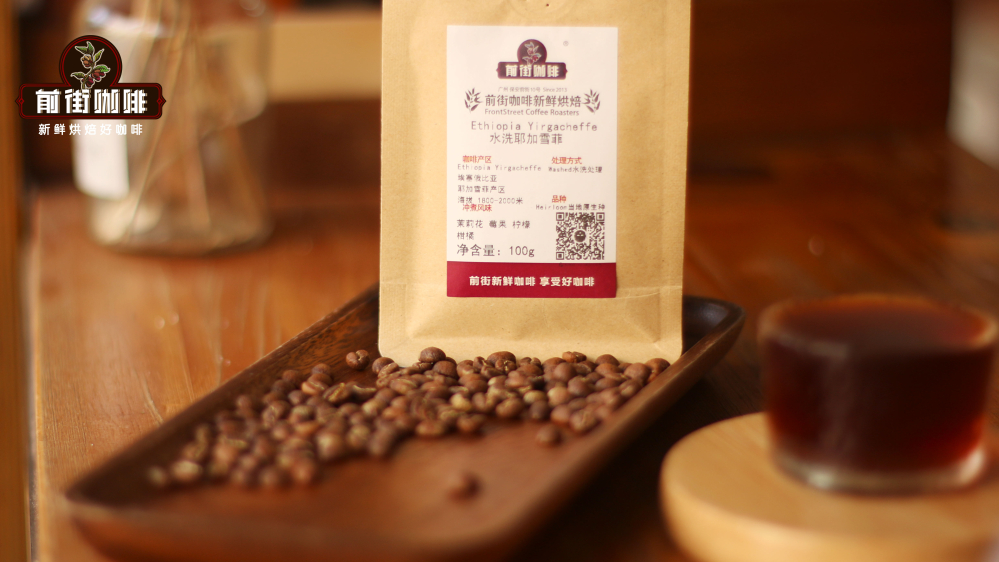
Cinnamon Roast (Agtron 85), labeled as number 85, is dropped around the end of the first crack. It features an elegant acidic tone with a sweet aftertaste, often leaving a clean sweetness reminiscent of cane sugar or honey. This roast level retains more of the original characteristics of the beans and is suitable for coffee enthusiasts seeking nuanced flavors, though care must be taken with heat control to avoid under-roasting.
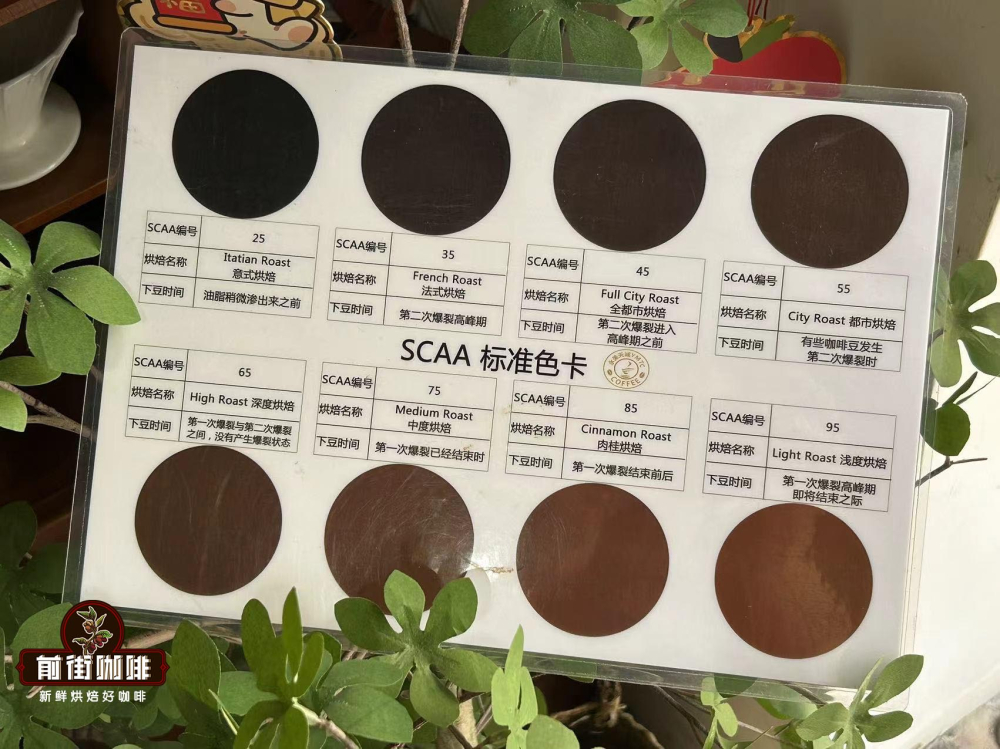
Medium Roast (Agtron 75), labeled as number 75, is dropped after the first crack has ended. At this stage, sweetness and fruit acidity reach a balanced harmony, and the aftertaste carries aromas of caramel or roasted sweet potato. This stage highlights the layered complexity of the coffee, especially benefiting floral-type beans from regions such as Ethiopia, making it a common choice in many specialty coffee shops.
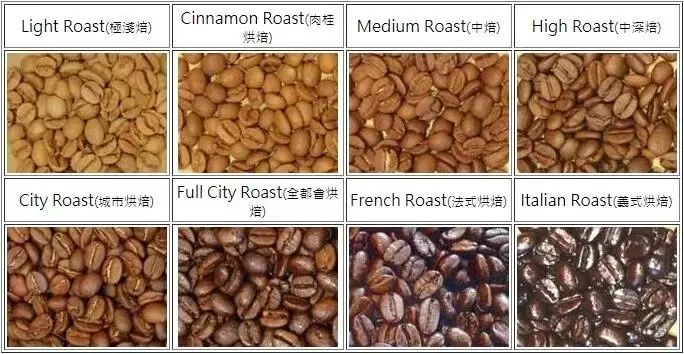
When entering High Roast (Agtron 65), labeled as number 65, which is dropped around the time between the first and second cracks, the flavors shift toward nutty and caramel notes, with a fuller body and the acidity fading away. This stage is suitable for those who enjoy a rich yet balanced cup, commonly found in blends or as the base for milk coffee.
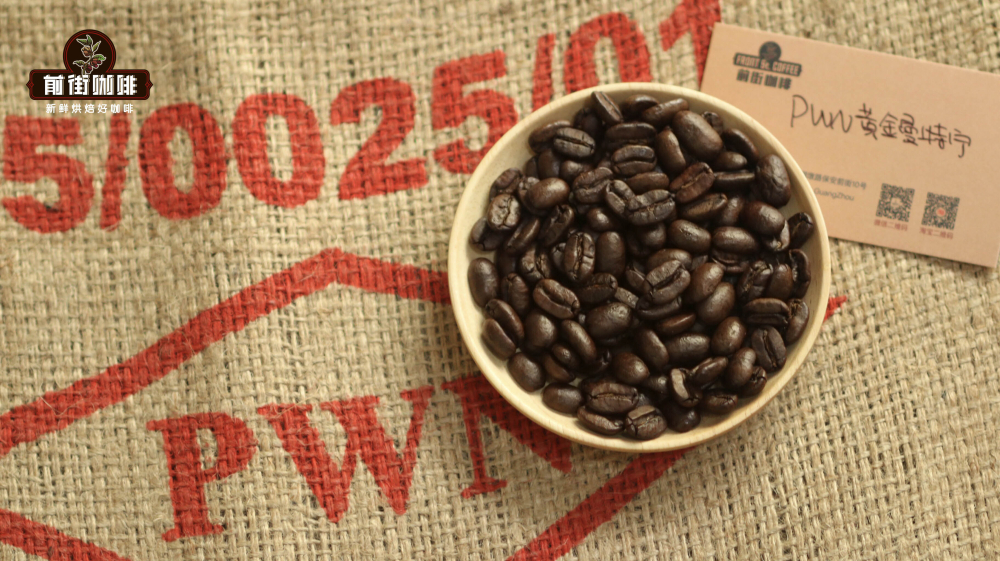
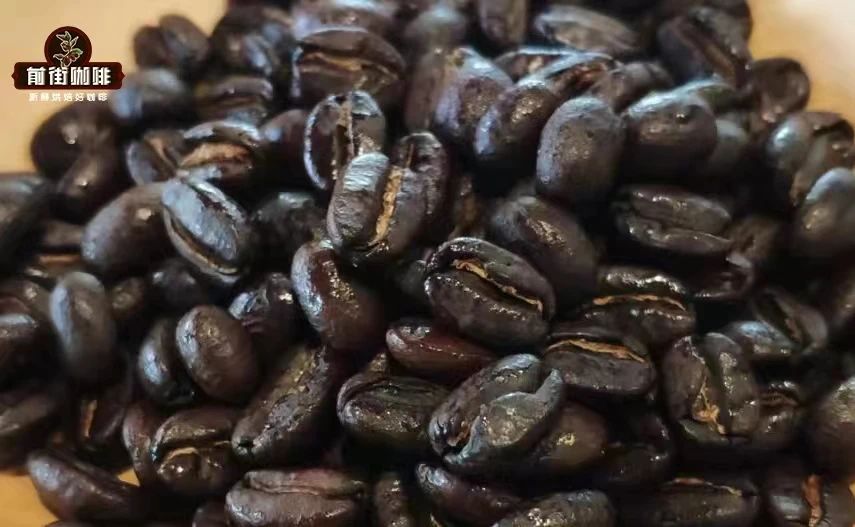
Beyond the standard classifications, the recently emerged "Nordic extra-light roast" and "Japanese extra-dark roast" have become popular specialty topics. Nordic light roast (color value 85–90) emphasizes preserving the bean’s inherent aromatic compounds, delivering a light-bodied, high-acidity profile—but requires precise control to avoid underdevelopment, and is mainly popular in Nordic countries such as Norway and Denmark. Meanwhile, Japanese dark roast (color value 25–30) is characterized by its deep black, charred appearance and intense bitter-sweetness, with rich crema, making it ideal for espresso preparation.
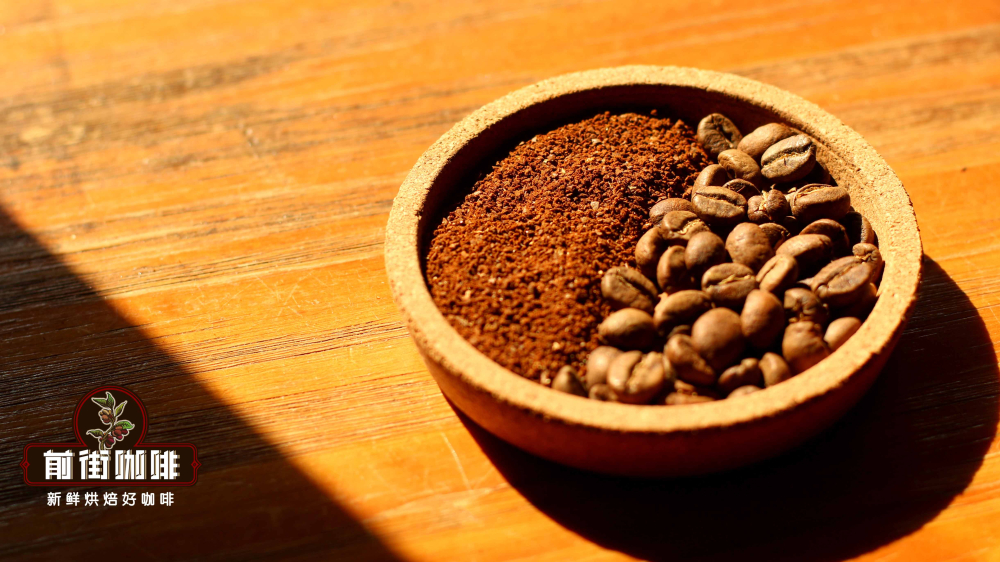
The coffee roasting process can be divided into five key stages: drying, dehydration, first crack, second crack, and dropping. During the drying stage, at around 135°C, the beans turn from green to light brown. The dehydration stage, up to 160°C, releases grassy aromas and transitions the beans to a light brown color. At approximately 190°C during the first crack, the cell walls rupture, and caramelization reactions begin, bringing sweetness and body. The second crack is accompanied by more intense reactions, with the beans expanding to 1.5 times their original size and beginning to release oils, with roasting completed before reaching 230°C.
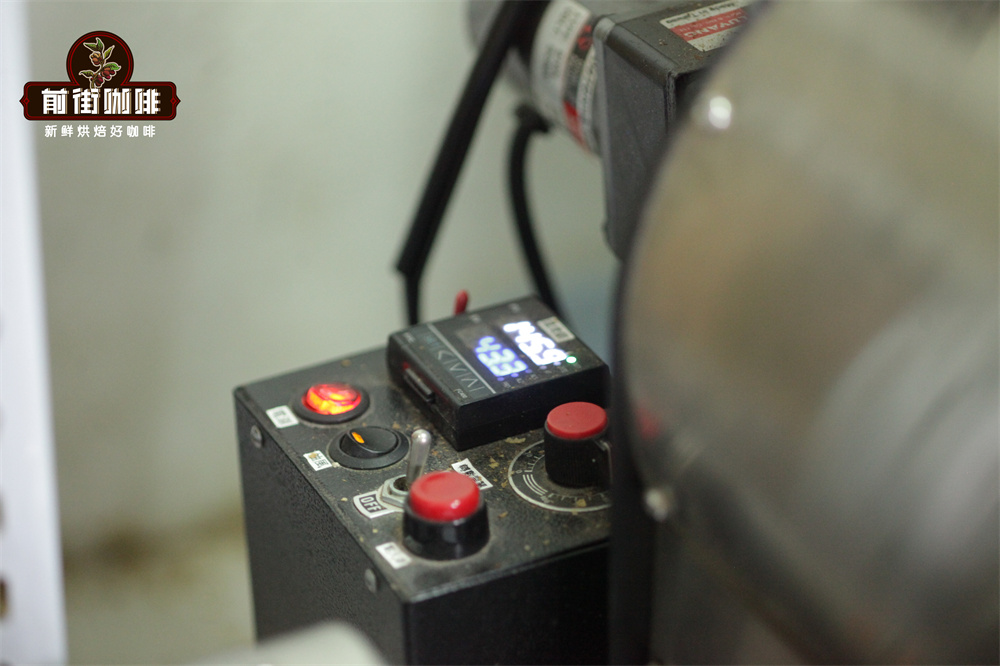
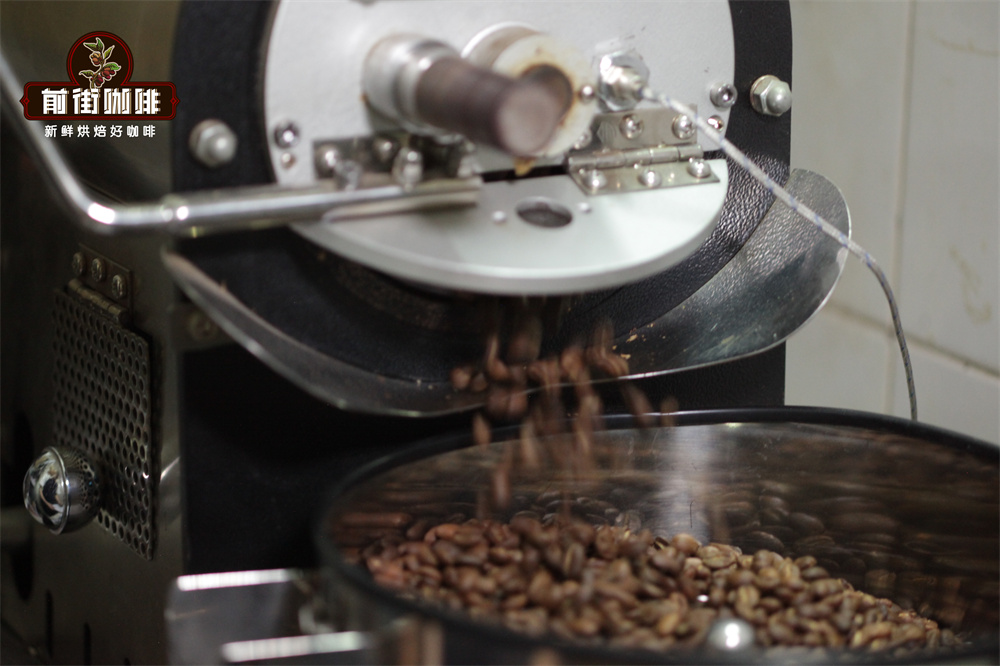
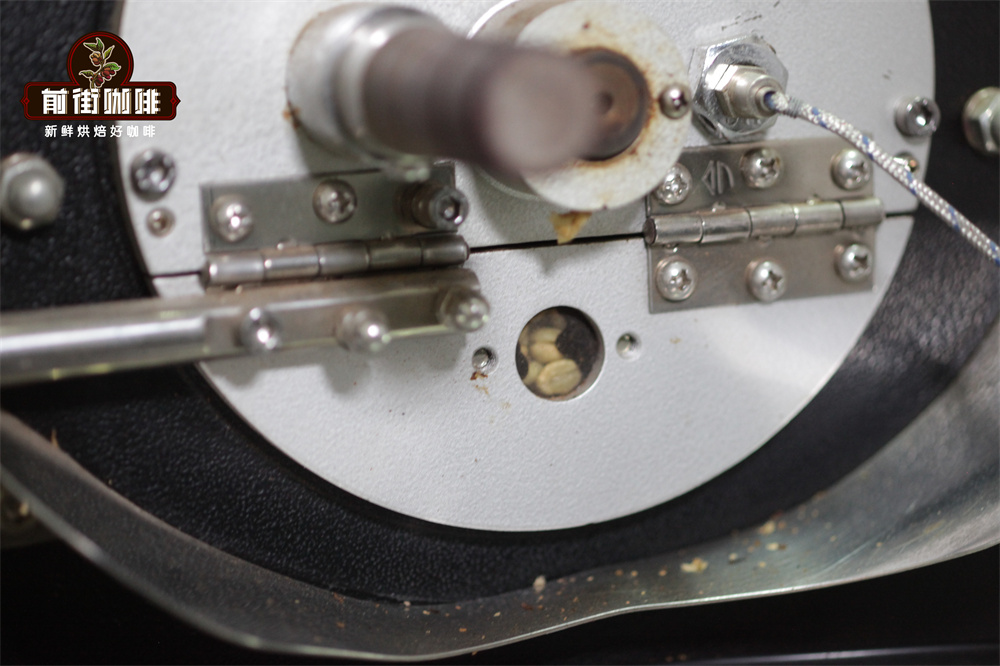
It is worth noting that the uniformity of roasting during dehydration and before the first crack determines the final flavor. If heating is insufficient during this phase, grassy or underdeveloped tastes can easily arise. It is recommended to maintain a bean tray rotation speed of 60–65 revolutions per minute during flat bean roasting, while reducing the speed for peaberry beans to ensure even heating. For home roasting, a roasting drum tool can be selected to ensure proper tumbling effects during direct-fire roasting.
The above content is compiled by CoffeeHunters, a coffee news website.

