








Introduction:Berry flavors in pour over coffee are often described as the source of bright acidity and vibrant fruitiness, but many beginners find such descriptions vague. This article delves into the definition of the berry category in the SCA Flavor Wheel, explains the characteristics of common berries such as blackberries and blueberries, and extends to include related items like blackcurrant. It also highlights three single-origin pour over beans from African regions with distinct berry profiles, providing clear flavor outlines and practical brewing references to help coffee enthusiasts more accurately identify and enjoy berry-toned coffees.
When it comes to berry flavors in coffee, many people first think of a tangy-sweet, vivid taste, but the term "berry" actually covers a broad range and is not limited to a single fruit. According to the SCA (Specialty Coffee Association)'s updated Professional Flavor Wheel released in 2016, berries are categorized as a distinct and well-defined group, clearly differentiated from tropical fruits.

In the berry classification of the flavor wheel, common entries include classic fruits such as Strawberry, Blueberry, Raspberry, and Blackberry. In addition, Mulberry and Cranberry also belong to this category. In fact, the Chinese character “莓” originates from the English word “Berry,” generally referring to a type of small fruit with soft flesh, thin skin, and seeds evenly distributed throughout the pulp, which is distinctly different from nuts or fruits with obvious hard cores.
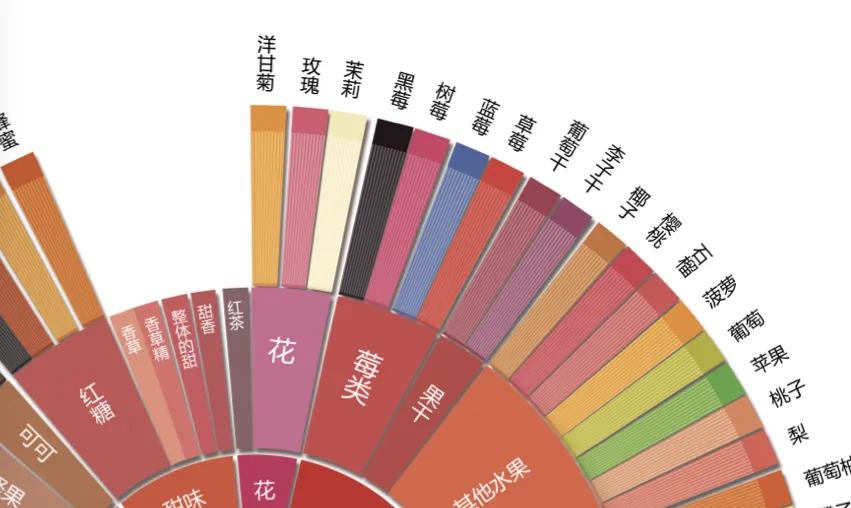
These shared characteristics of such fruits have also become important criteria for judging berry flavors during coffee evaluation. When a coffee exhibits similar berry-like acidity brightness, fruity layers, and juiciness, evaluators and drinkers tend to categorize it as having a berry-toned flavor profile.
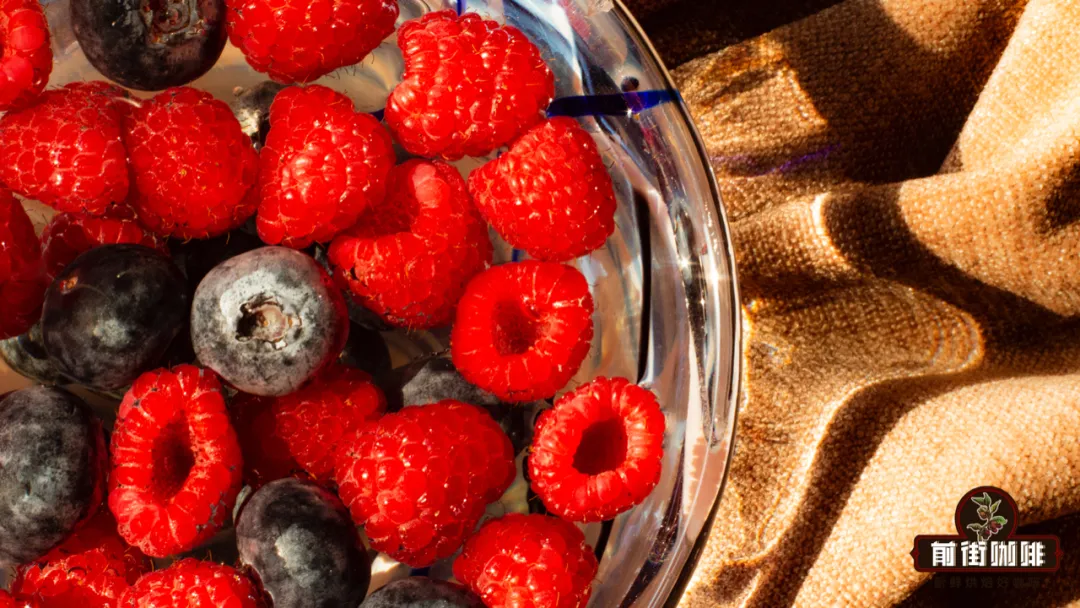
It is worth noting that the berry category is not limited to fruits that literally contain the character “莓.” For example, Blackcurrant, commonly known as blackcurrant or black vinegar plum, is also classified by professionals as part of the berry group. Due to the wide variety of berries, the industry typically further divides them into two major types—red berries and black berries (or dark berries)—based on color and brightness, to help describe coffee flavor profiles more precisely.
If you want to explore pour over coffees with pronounced berry flavors, it is recommended to start with major African producing regions, especially beans from Kenya, Rwanda, and Ethiopia. Thanks to their growing environments and varietal characteristics, these often feature rich and distinctive berry tonalities. Below are three highly regarded pour over single-origin beans with clear berry characteristics, recommended for coffee enthusiasts to reference and try.
The first recommendation is a well-known bean from the Kenyan region, often described as having undertones of cherry tomato and dark plum, along with distinct dark berries such as blackberry and black plum (black damson), plus subtle pear notes. The overall berry expression is layered, with bright acidity that is not overly sharp. It is suitable for medium-light roasting, paired with a pour over grind size of about medium-fine (e.g., conical burr grinders suggest 80–100 microns), with water temperature controlled at 90–92°C. Using a 2:1 coffee-to-water ratio and a step-brewing method helps highlight the delicate changes in berry and fruit acid profiles.
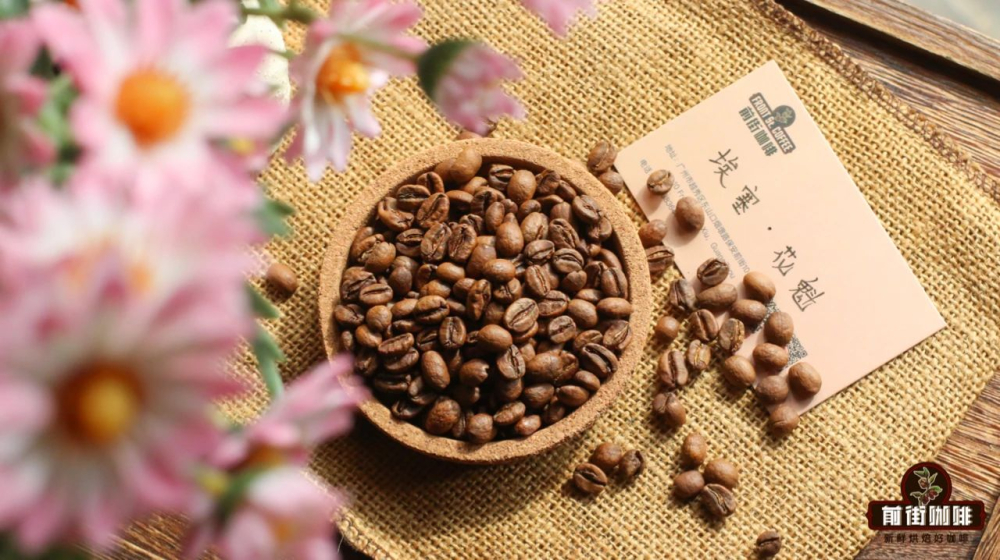
The second recommendation is a Rwandan Red Bourbon variety, which clearly showcases red berry aromas such as cherry and raspberry, complemented by citrus notes and a stable nutty base tone, offering a balanced and approachable flavor. It is recommended to use light to medium roasting. For pour over, the grind size can be slightly coarser than the above (around 100–120 microns), with water temperature suggested at 88–90°C, to avoid over-extraction that might lead to overly sharp flavors. It suits drinkers who prefer a softer berry profile.
Finally, we introduce the Ethiopian Hua Kui (Huákuí) variety from Ethiopia, whose common flavor descriptions include the silky texture of strawberry, fresh orange, a hint of tropical guava, and balanced lemon acidity. This bean typically features bright fruit acidity and multi-layered fruity notes, suitable for light roasting. For pour over, it is advised to use a medium-fine grind, with water temperature around 90°C, and a 2:1 coffee-to-water ratio using fine, step-wise pouring to fully present the vivid expressions of strawberry and citrus.
The above content is compiled by CoffeeHunters, a coffee news website.

