








Introduction:Learning to appreciate coffee is the foundation of mastering pour over techniques. This article will guide beginners through systematic flavor identification, clarifying the specific manifestations of under-extraction and over-extraction, and teaching how to describe coffee characteristics using professional terminology. From sensory evaluation standards to practical tasting skills, it helps you build a systematic framework for understanding coffee flavors.
To improve your pour over skills, the first priority is to develop a keen sensitivity to coffee flavors. The so-called "tasting ability" does not require precisely describing complex aromas, but rather being able to objectively assess the extraction state of a cup of coffee—this is the key distinction between amateurs and professionals.
In the world of coffee tasting, subjective perception and objective standards must strike a balance. A customer once gave completely opposite evaluations of the same coffee bean during a tasting session: some were struck by its pronounced acidity, while others praised its sweet aftertaste. Such differences stem from individual variations in taste bud sensitivity thresholds.

To establish a common language, international coffee organizations such as SCA and ACE have developed systematic sensory evaluation systems. Beginners are advised to start by building foundational knowledge through professional books like the Coffee Taster’s Flavor Wheel, and then consider advanced courses once they have accumulated sufficient practical experience.
For hands-on training, comparative tasting is the most effective learning method. Invite a companion to taste brewing samples with different parameters together, recording the intensity of acidity, sweetness, and the length of the aftertaste for each cup. This can effectively expand your flavor memory bank. It’s worth noting that whenever you encounter extreme flavors that break your previous perceptions (such as strong citrus acidity or dark roast scorchiness), it indicates an improvement in your taste bud threshold.
Correctly distinguishing flavor attributes is crucial. Positive flavors include the bright and fresh acidity of lemon, the tropical fruit aroma of passion fruit, and the rich bitter-sweet balance of dark chocolate. Conversely, negative traits include sharp and tongue-piercing acidity, burnt and throat-burning bitterness, and persistent astringency. Non-taste-related defects such as hollow mouthfeel, rough grittiness, and short aftertaste usually reflect imbalanced brewing parameters.
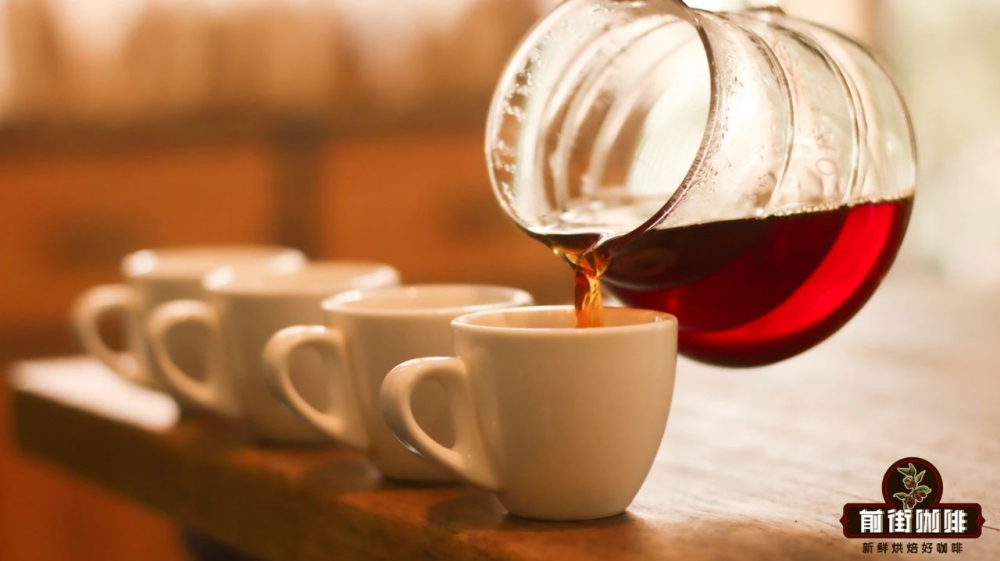
Common symptoms of under-extraction include: an immediately noticeable sharp acidity, thin watery body, flat mouthfeel, and unusually brief aftertaste. An exception is when sweet substances are insufficiently extracted, allowing trace amounts of saltiness that should be masked to emerge. Typical causes include: too coarse a grind (e.g., using a medium-coarse grind but extending brewing time), low water temperature (below 90°C), improper brew ratio (e.g., 1:16 or higher), and too fast pouring leading to insufficient total extraction time.
In practice, special attention should be paid to the "false espresso phenomenon"—when too much coffee powder is used but only the initial extraction phase is extracted, the high concentration of acidity can create an illusion of richness but unsmoothness. Additionally, if uneven pouring during the blooming stage causes channeling, some coffee grounds may not be fully pre-wetted, resulting in localized areas of under-extraction.
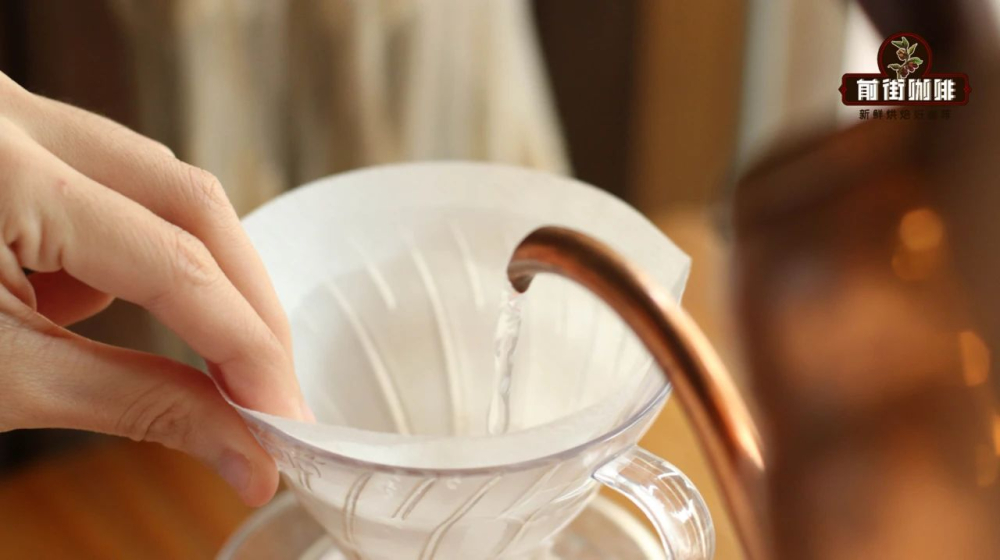
Over-extraction manifests as the excessive release of polyphenols, specifically showing as rough astringency, lingering bitterness, and unpleasant woody fiber-like flavors. Common causes include: too fine a grind (e.g., finer than granulated sugar), overly long steeping time (exceeding 3 minutes), excessively high water temperature (above 96°C), or too many fines causing poor water flow. These factors lead to the excessive dissolution of bitter precursors such as caffeine and quinic acid.
The ideal state of professional brewing should present a three-stage balance: a bright initial acidity (such as the lively acidity of citrus fruits), a full-bodied middle sweetness (with a smooth texture like honey or caramel), and an elegant aftertaste (subtle floral notes or an aftertaste akin to oolong tea). The ideal extraction yield should fall within the 18%-22% range, with total dissolved solids (TDS) maintained between 1.15%-1.35%.
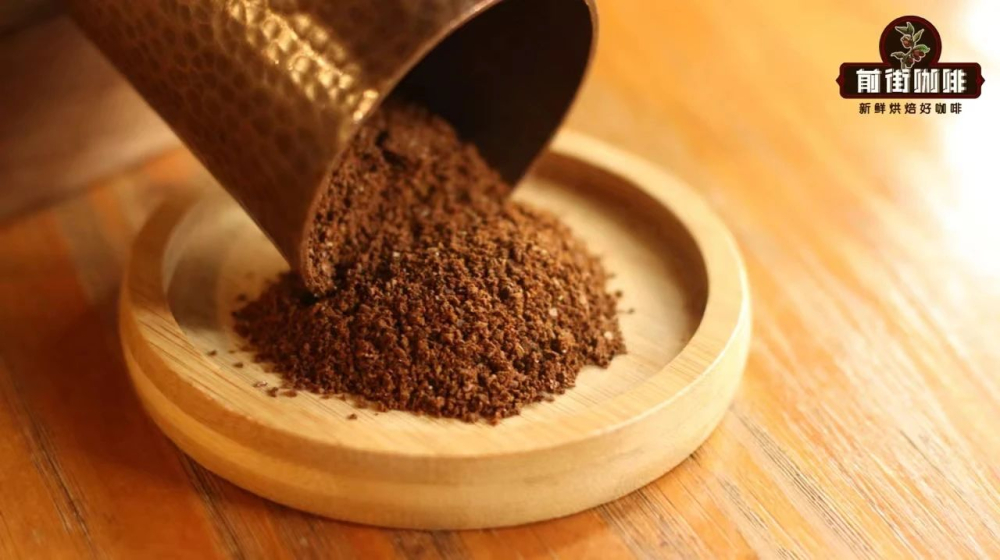
During daily brewing, it’s recommended to keep a parameter log, recording each adjustment of grind size, water temperature settings, pouring techniques, and flavor feedback. When obvious negative traits appear, you can troubleshoot following this process: first check grind uniformity and brew time, then confirm whether the filter design suits the current grind size, and finally adjust water temperature and stirring intensity. Remember, stable water quality (recommended TDS 50-150ppm) and freshly roasted coffee beans (7-21 days post-roast) are the basic conditions for tasting.
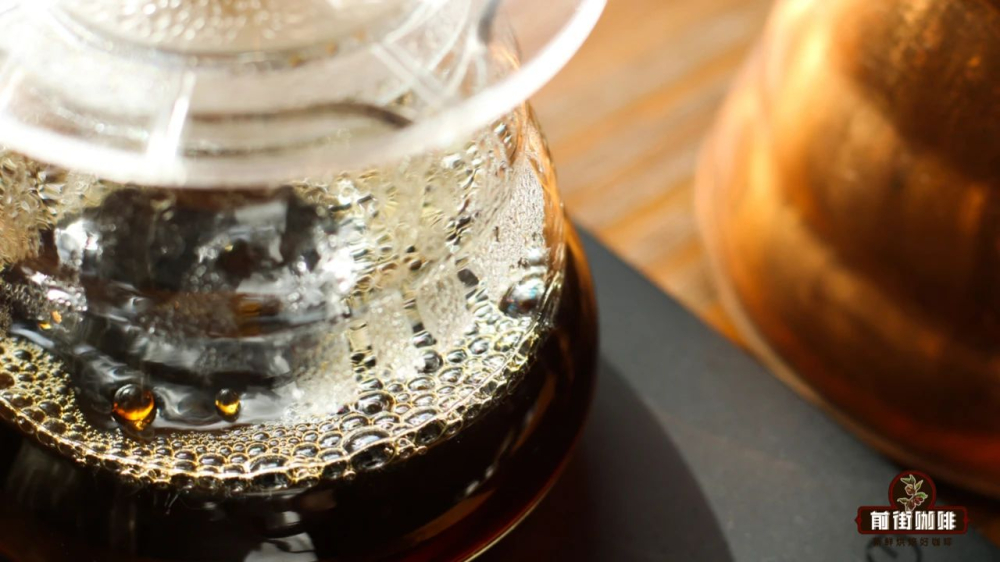
Once you’ve mastered these basic identification techniques, you’ll be able to adjust your brewing strategy more precisely. For example, if the acidity is too prominent, you can try a finer grind or higher water temperature; if bitterness dominates, do the opposite. Through systematic observation and recording, gradually build your personal flavor map, ultimately achieving a complete upgrade from tasting to precise control.

The above content is compiled by CoffeeHunters, a coffee news website.


