







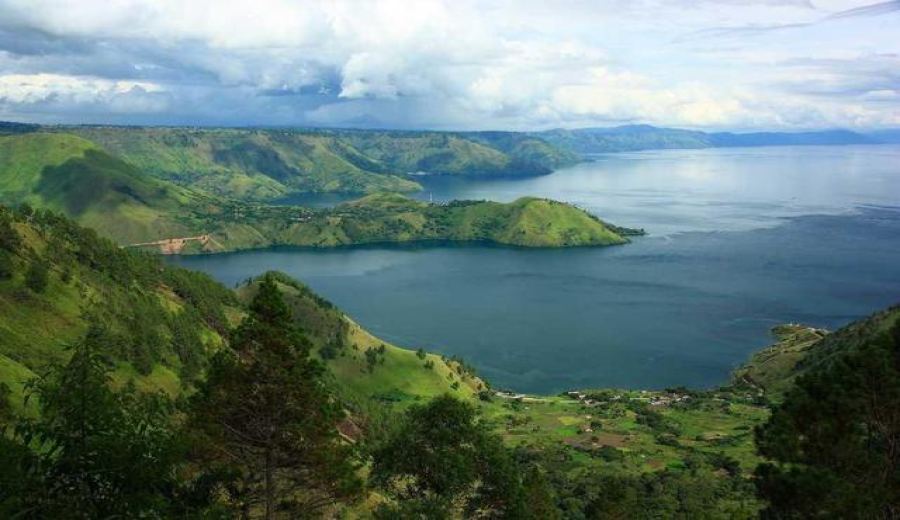
Introduction:Both Mandheling and Huākuí (Flower Queen) are popular single-origin coffees, yet they deliver vastly different taste experiences. This article delves into the key differences between Sumatran Mandheling and Ethiopian Huākuí in terms of flavor profiles, processing methods, and brewing parameters, while also providing practical pour-over recommendations to help beginners choose their first specialty coffee bean based on taste preferences.
When it comes to representative coffees from Southeast Asia and Africa, Indonesian Mandheling and Ethiopian Huākuí always stand out. The former is known for its rich and bold flavor, while the latter captivates many coffee enthusiasts with its bright floral and fruity aromas. What exactly sets these two classic single-origin coffees apart in terms of flavor, processing techniques, and suitable brewing methods? For those new to pour-over brewing, which one is more suitable as an introductory option? Let’s break down the charm of these two classic coffees from origin background to actual flavor expression.
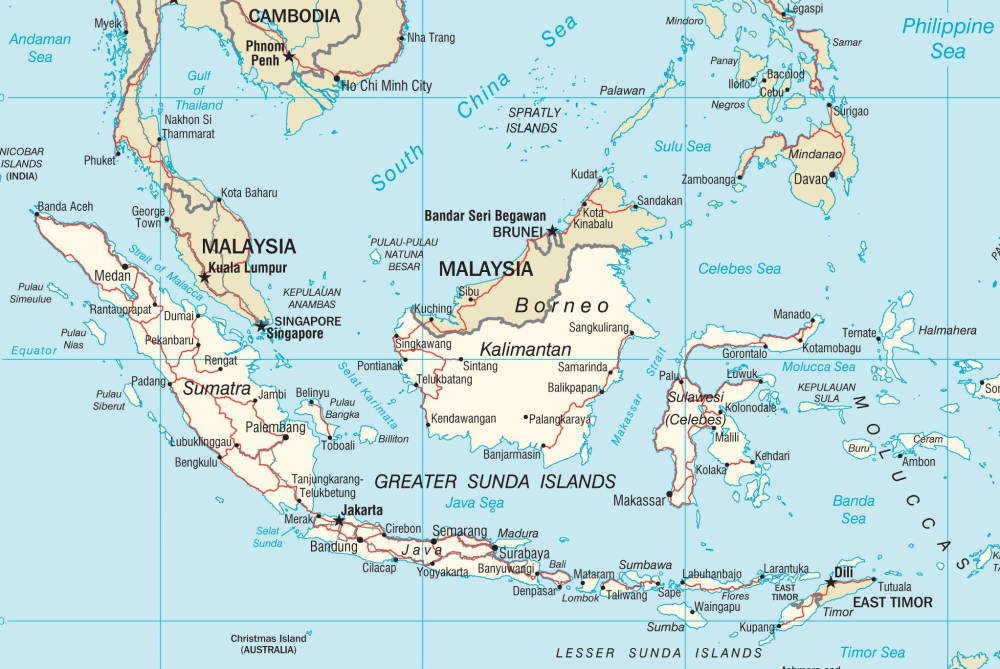
The history of Mandheling coffee dates back to the 17th century, when the Dutch introduced Arabica coffee to Indonesia’s Ceylon and the Indonesian archipelago. However, in 1877, a severe outbreak of coffee leaf rust in Indonesia led to the near extinction of native Arabica varieties, which were eventually replaced by the more disease-resistant Robusta. Today, Indonesia’s main coffee-growing regions include Sumatra, Java, and Sulawesi, with Mandheling from Sumatra being one of the few areas that still cultivates Arabica varieties, grown at altitudes of approximately 750 to 1500 meters.
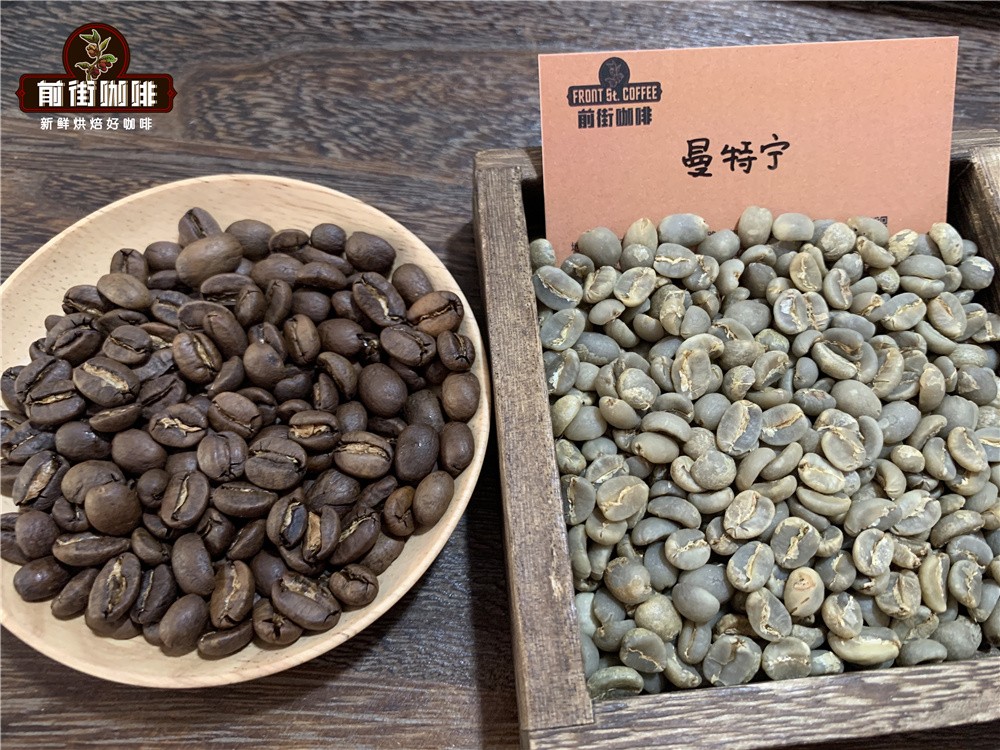
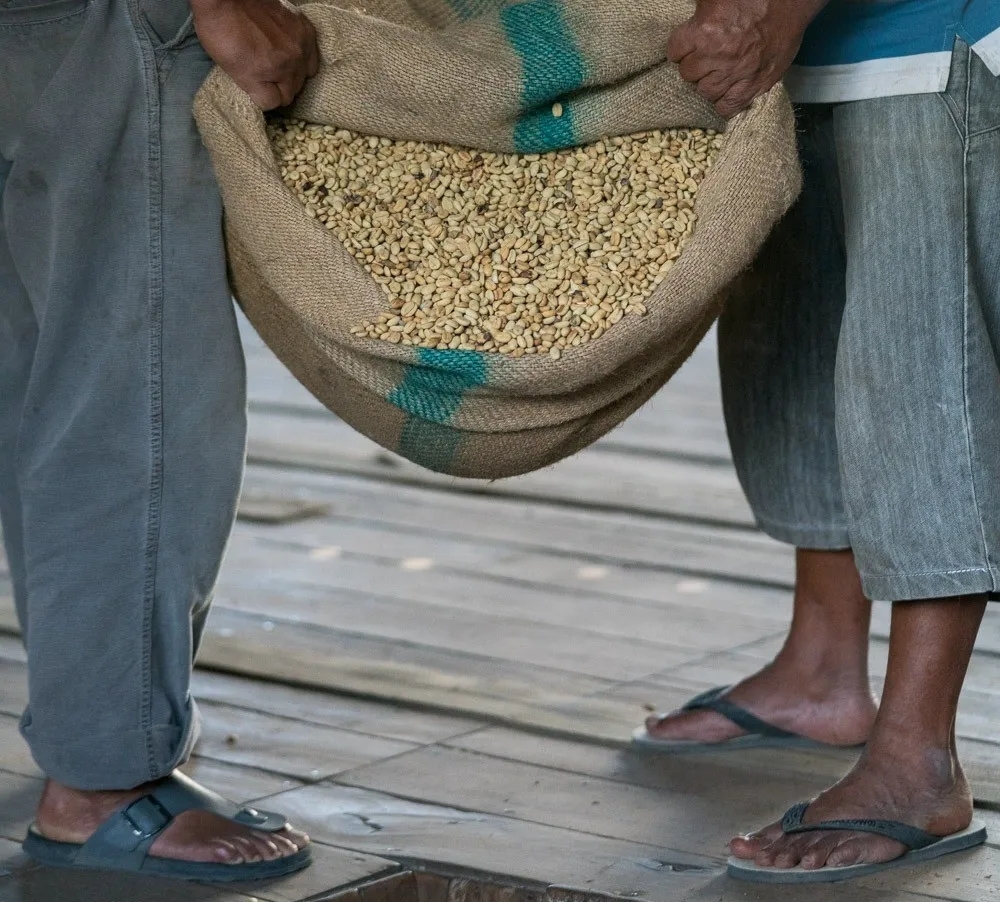
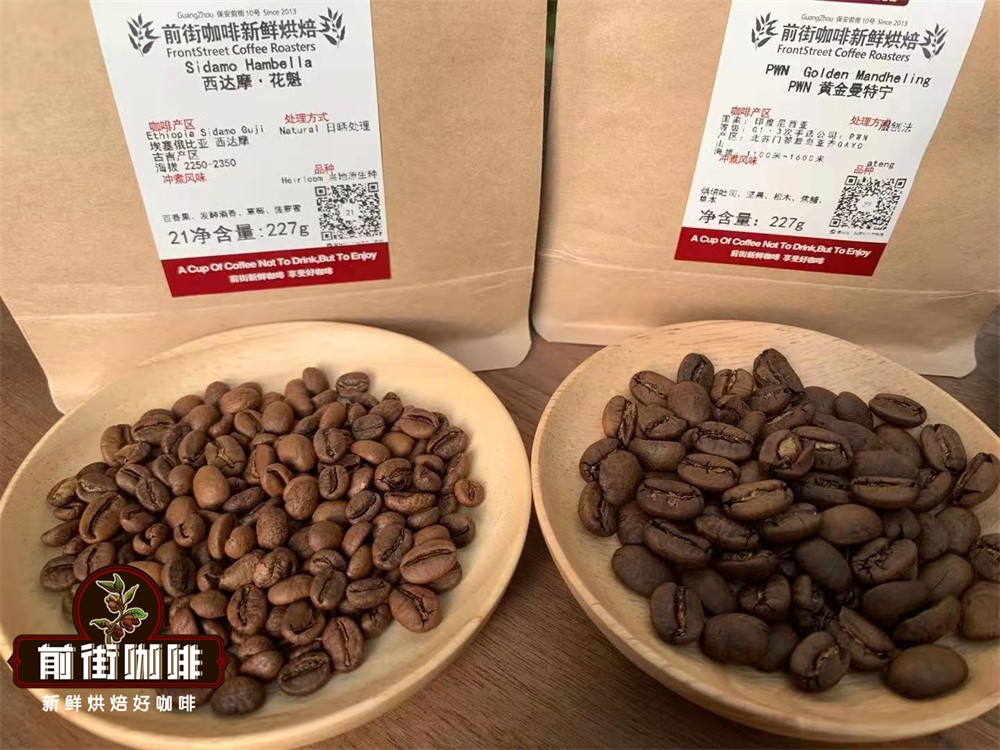
A significant part of Mandheling’s unique flavor profile stems from Sumatra’s distinctive wet-hulling process (Giling Basah). This method involves partially sun-drying the coffee beans—still in their parchment—after an initial water-washed fermentation, until their moisture content reaches around 30–50%, before removing the outer parchment layer for further drying. This process not only accelerates drying but also results in Mandheling’s characteristic low acidity, high body, and bold, heavy mouthfeel. Common Mandheling varieties such as Lintong and Golden Mandheling both use this method, with the former being an entry-level choice and the latter known for more consistent quality and refined characteristics.
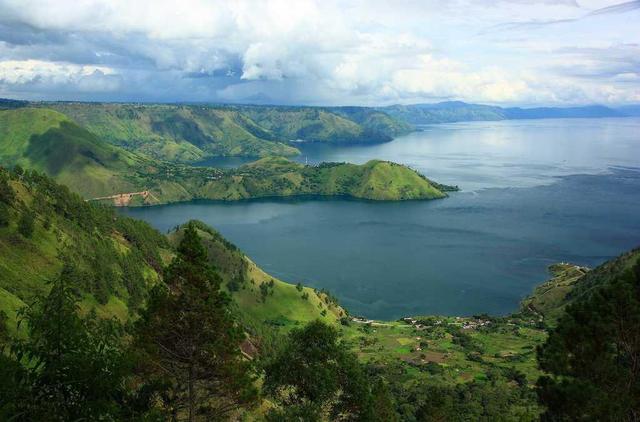
Sumatra’s unique geographical environment—with its year-round hot and humid climate and unstable sunlight—makes traditional sun-drying and washed processing difficult to control, and the wet-hulling method helps overcome these limitations. Mandheling processed via wet-hulling typically has low acidity, a full body, and intense aromas of herbs, dark chocolate, and caramel. However, since the beans are susceptible to human influence during processing, strict quality control is essential. It’s recommended to choose reputable roasters to ensure consistent flavor.
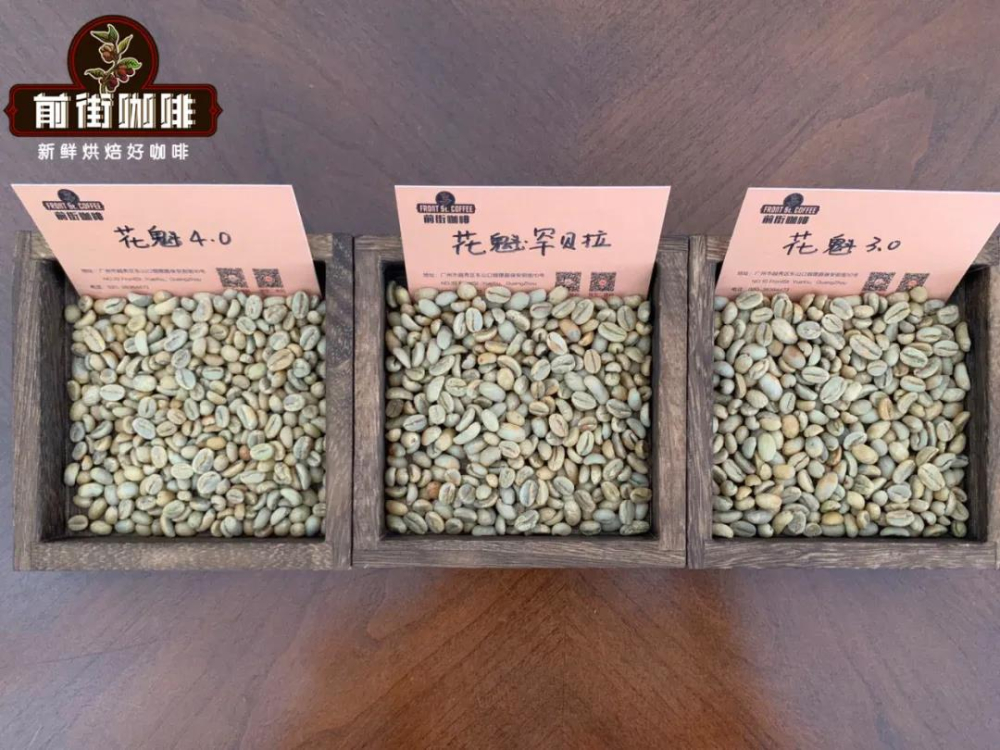
Now let’s look at Ethiopian Huākuí coffee, which originates from Hambella in the Guji region, part of the Sidamo area. Huākuí first gained fame in 2017’s TOH (Taste of Harvest, Ethiopia’s national harvest-season flavor competition) for its distinctive strawberry cream and tropical fruit aromas, where it won the sun-dried category and thus rose to prominence. It’s important to note that only the sun-dried batches from Hambella’s “Buku Abel” processing station can be rightfully called “Huākuí.”
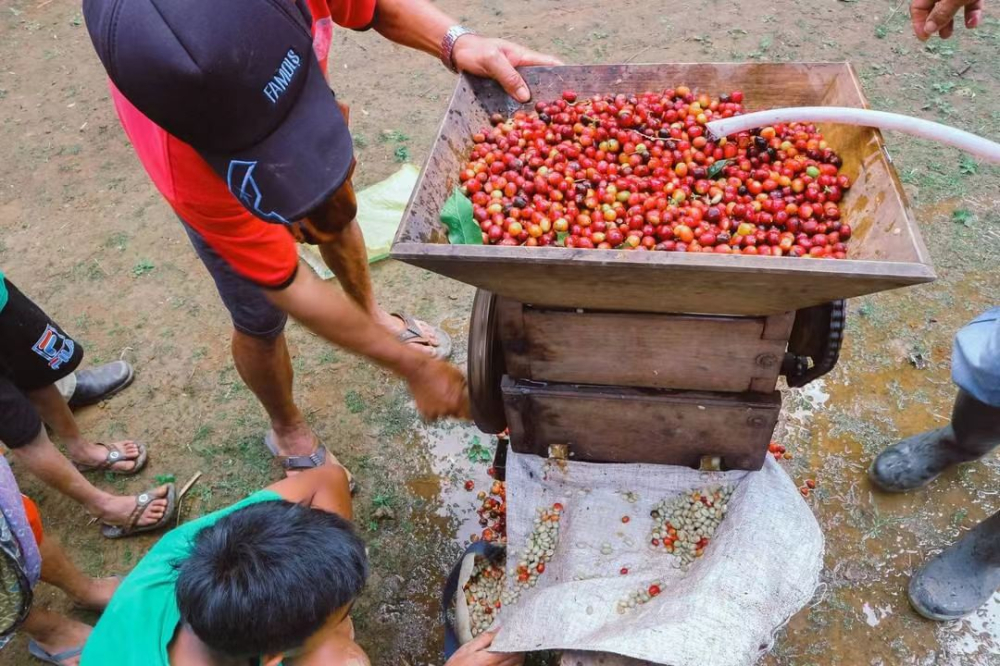
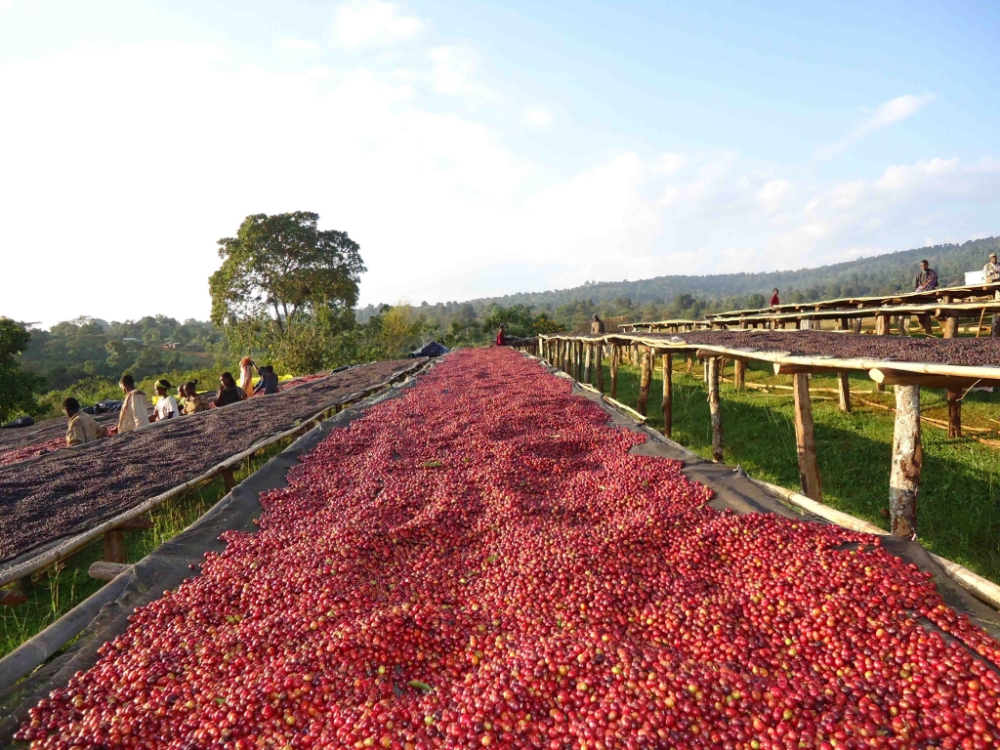
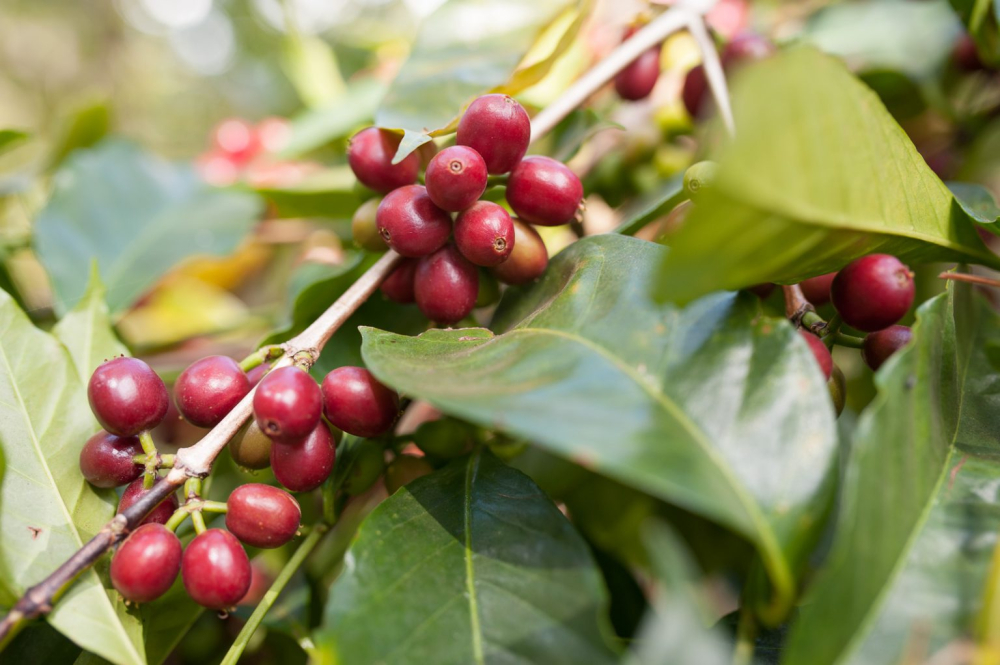
Huākuí coffee belongs to Ethiopia’s native heirloom variety (commonly labeled as Heirloom), a collective term covering numerous wild and hybrid strains. Due to government protection policies, specific variety names are not disclosed. The region sits at an altitude of about 2300 meters, with significant day-night temperature variations and nutrient-rich reddish-brown soil, resulting in slow fruit growth and the accumulation of richer flavor compounds. Huākuí is processed using meticulous sun-drying methods: fully red cherries are spread in thin layers (2–3 layers) on African raised beds, hand-sorted multiple times daily, with strict control over turning and shading times. The entire process lasts 21 days to preserve maximum floral, fruity, and fermented aromas.
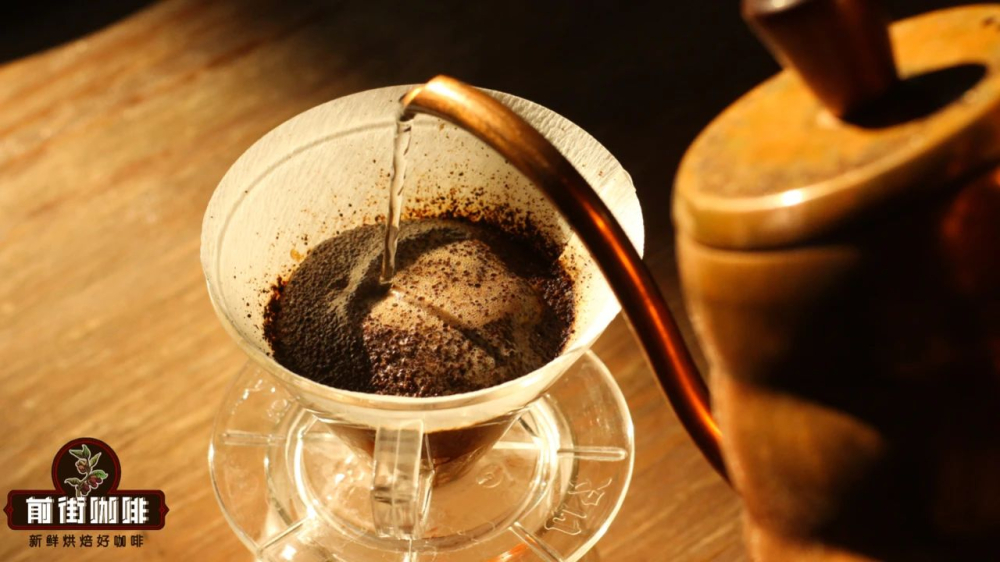
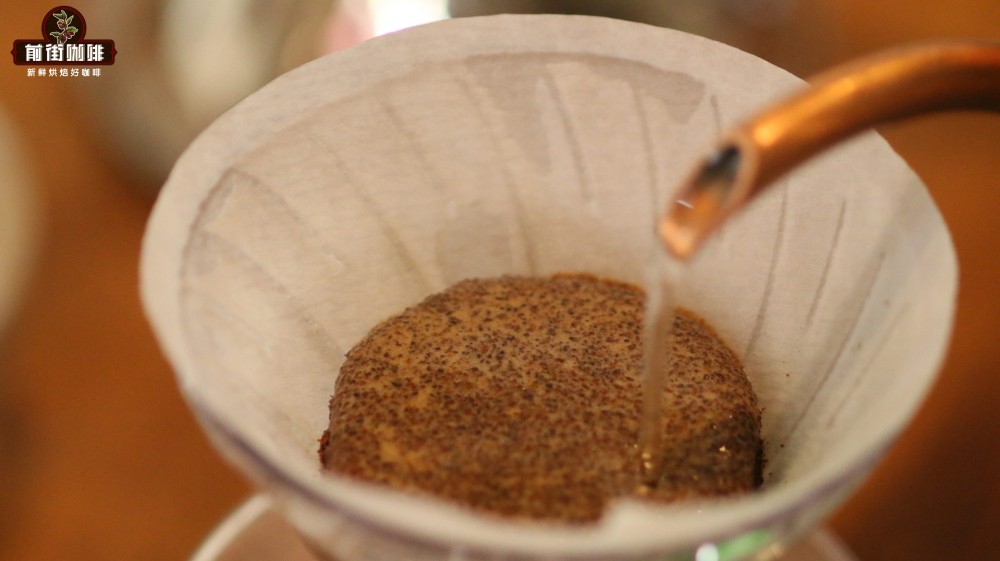
For brewing recommendations, Mandheling’s bold and low-acid characteristics suit medium-to-dark roasts, often using a KONO filter to enhance body and aftertaste. Recommended brewing parameters include a water temperature of 88°C, a coffee-to-water ratio of 1:15, and a grind size of about 75% passing through a #20 sieve, making it ideal for those who enjoy nutty, chocolatey, and caramel notes. For Huākuí, a light roast is recommended to highlight its layered berry, passionfruit, and tropical fruit aromas, using a V60 filter. Optimal extraction parameters are a water temperature of 90°C, a 1:15 coffee-to-water ratio, and a slightly finer grind (about 80% passing through a #20 sieve), which fully showcases its refreshing yet sweet profile.
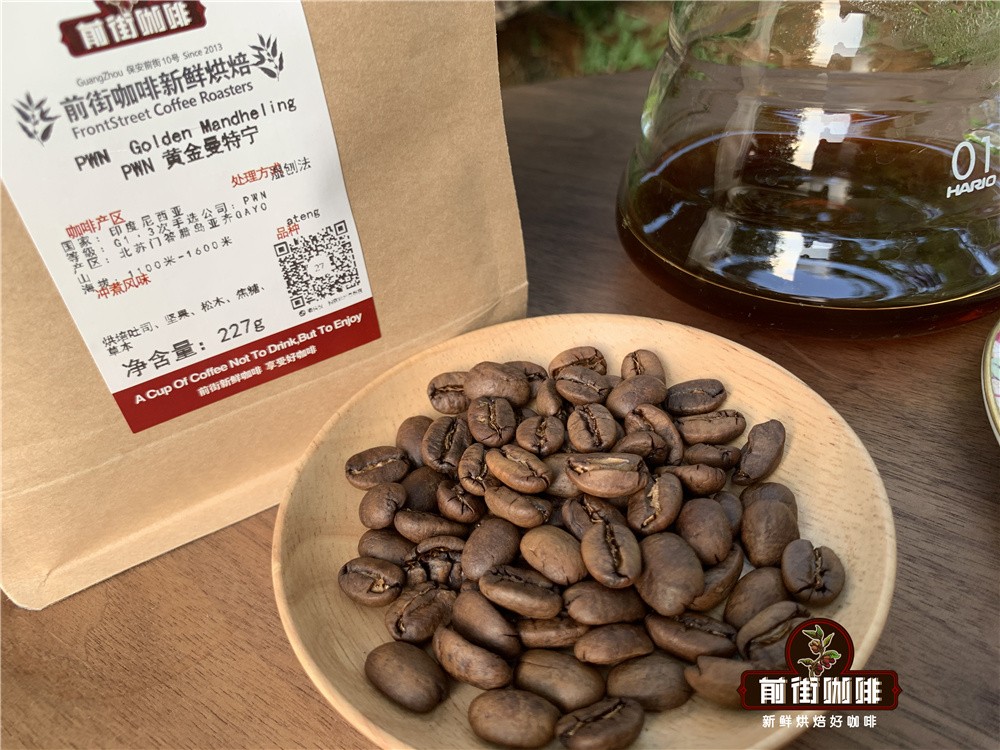
In summary, Mandheling and Huākuí represent two distinctly iconic flavor directions in coffee: the former is bold, low-acid, and full-bodied, suiting drinkers who prefer intense flavors and chocolatey notes; the latter is bright, sweet-and-acidic, and rich in fruitiness, appealing more to those who enjoy fresh and floral profiles. For readers just beginning to explore pour-over coffee, you can choose your first single-origin bean based on your tolerance for acidity, sweetness, and body, and fine-tune grind size and water temperature to find the extraction method that best matches your personal taste.
The above content is compiled by CoffeeHunters, a coffee news website.


