







Introduction:Many coffee enthusiasts opt to buy pre-ground coffee powder to save time. However, did you know that the storage methods and shelf life of coffee powder differ significantly from those of whole beans? This article delves into how long coffee powder can be stored, whether it’s suitable for refrigeration, and how grinding affects its flavor and texture—helping you master proper preservation techniques to extend the peak freshness of your coffee.
Many people agree that freshly ground coffee smells the best, and that’s undoubtedly true. Freshness plays a crucial role in coffee flavor, yet many consumers skip the hassle of grinding beans or adjusting grind size by purchasing pre-ground coffee from shops. While convenient, this comes with a series of issues: How long can coffee powder be stored? Should it be kept in the fridge? And how does its flavor compare to that of whole beans? We’ll answer these common questions one by one.
After roasting, coffee beans produce a large amount of carbon dioxide, which not only affects extraction but is also closely tied to aroma preservation. Generally, the first 4 to 7 days after roasting are the peak period for CO₂ release, during which about 60% to 70% of the gas is emitted—this stage is also key for forming a nice “bun layer” during blooming. Afterward, the release rate slows down, and within approximately 30 to 45 days, the extraction flavor of the coffee beans reaches its peak. This period is considered the “optimal flavor window” for coffee beans.
However, the actual flavor performance of coffee beans also depends on storage conditions. It’s recommended to store unopened coffee beans in a cool, dry, dark, and airtight environment, while minimizing the number of times the package is opened. If the packaging is frequently opened or exposed to humid air, even within the optimal window, flavor loss may occur. As for storing coffee powder in the refrigerator, although it can temporarily slow down aroma dissipation, the frequent temperature changes can cause condensation inside the packaging, leading to moisture absorption and negatively affecting taste. Therefore,it is not recommended to refrigerate coffee powder.
It is generally advised that freshly roasted coffee beans should be consumed within two months for the best flavor. But once ground, the increased surface area exposed to air causes the flavor to deteriorate rapidly,and it is recommended to use it within 20 daysto enjoy better aromatic qualities.
So, how long can the flavor of ground coffee actually last? The answer might surprise you—it’s very short. This is because, in their whole form, CO₂ can only escape from the surface of the beans, whereas once ground, the increased surface area accelerates the loss of both CO₂ and volatile aromatic compounds, leading to a swift decline in flavor.
One experiment tested the same batch of Panamanian Boquete Geisha beans, ground at different time points (30 days, 21 days, and 14 days before testing) and stored in sealed containers. The results showed that,under conditions of minimal opening and proper sealing, coffee powder can maintain decent flavor for about 3 weeks, but the quality clearly declines over time; after one month, most of the aroma is gone, leaving behind only a dull “coffee taste.”
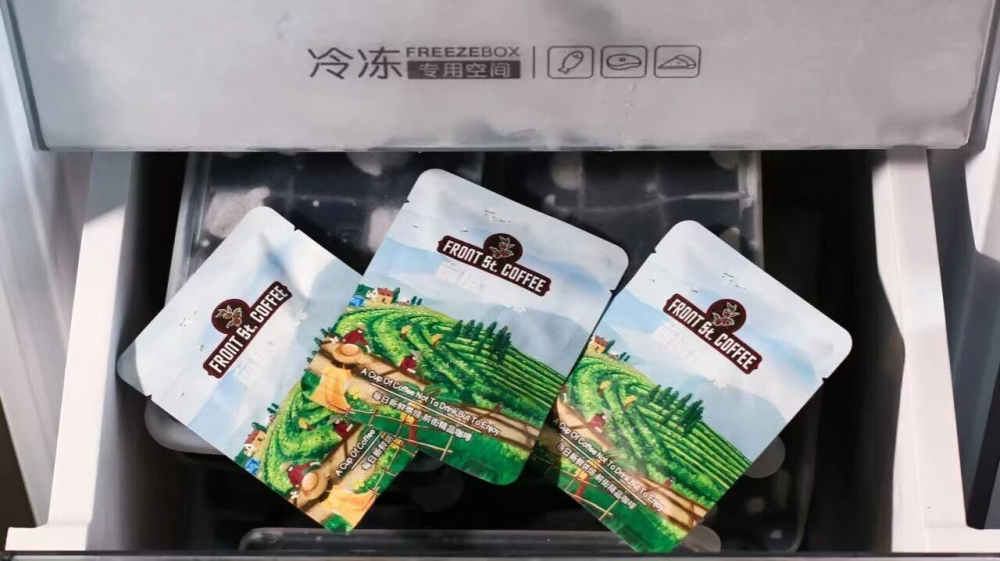
If you purchase a large quantity of pre-ground coffee powder at once, it’s recommended to divide it into multiple airtight jars or resealable bags, using only the portion needed for each brew. This helps minimize aroma loss from repeated exposure to air. Proper portioning and storage can extend the usable life of the coffee powder. Although it can’t fully replicate the flavor of fresh-ground coffee, it can at least help maintain a certain level of quality.
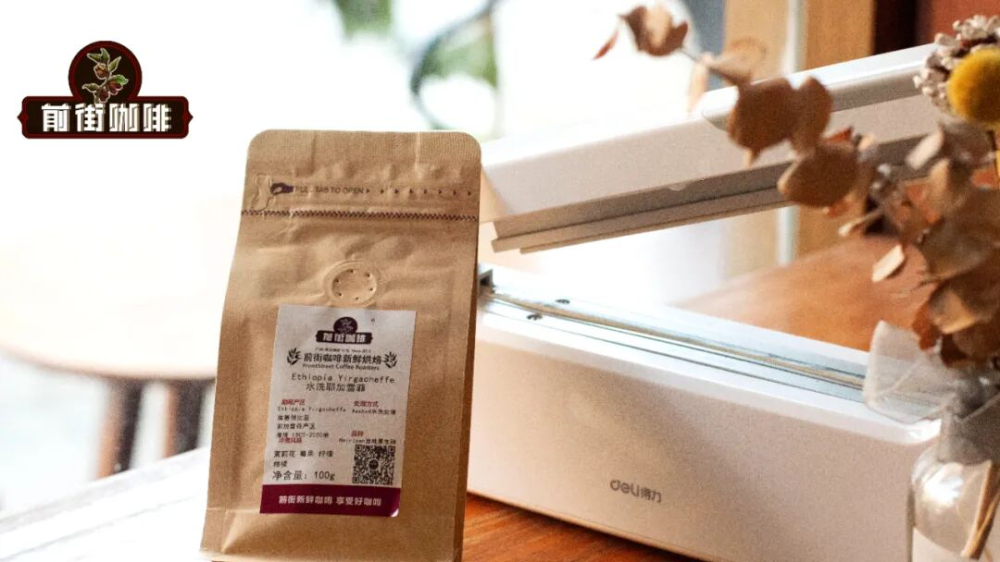
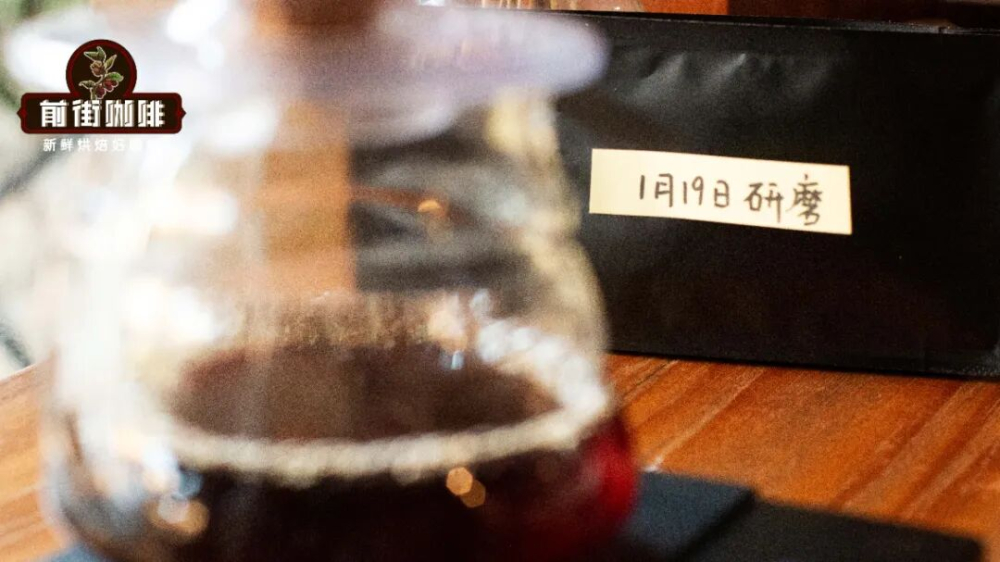
You might also wonder how the flavor of pre-ground coffee actually changes over time. We conducted a daily flavor tracking test on a pack of washed Yirgacheffe (roasted on December 29, 2024), observing the differences between freshly ground coffee and coffee stored for several days.
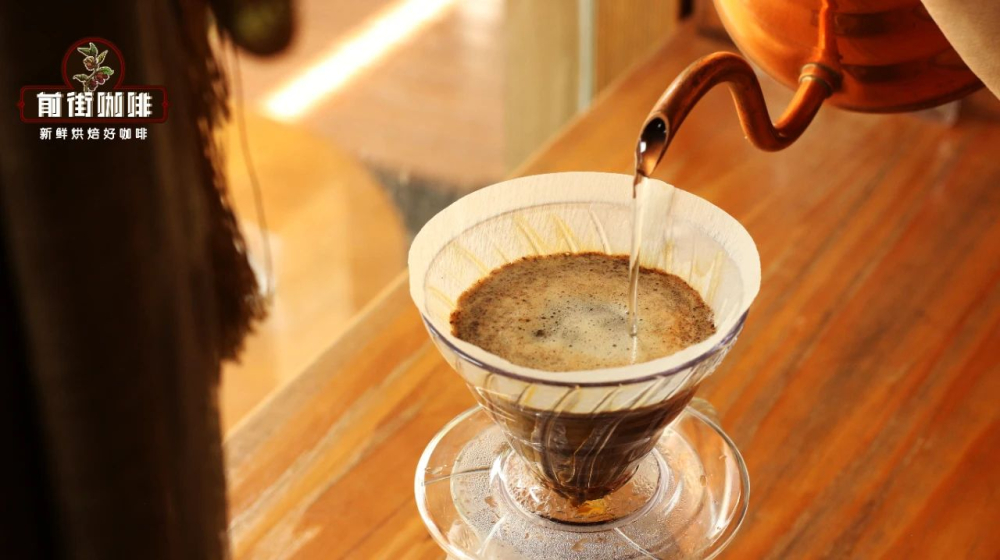
When freshly ground and brewed, the coffee exhibited rich citrus, floral, and honey-like sweetness, with good blooming response, clear and bright flavors, a light and crisp acidity, and a caramel-and-green-tea-like aftertaste. However, just one day later, the citrus and floral notes began to weaken, the flavors shifted toward sweet orange and grapefruit tones, and although some tea-like qualities and aftertaste remained, the overall complexity was less pronounced than at the start.
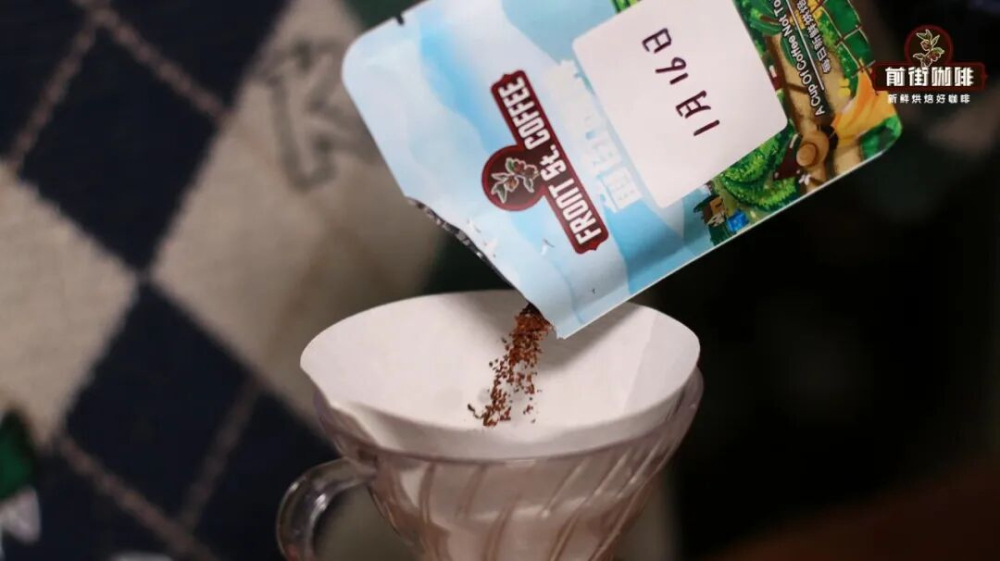
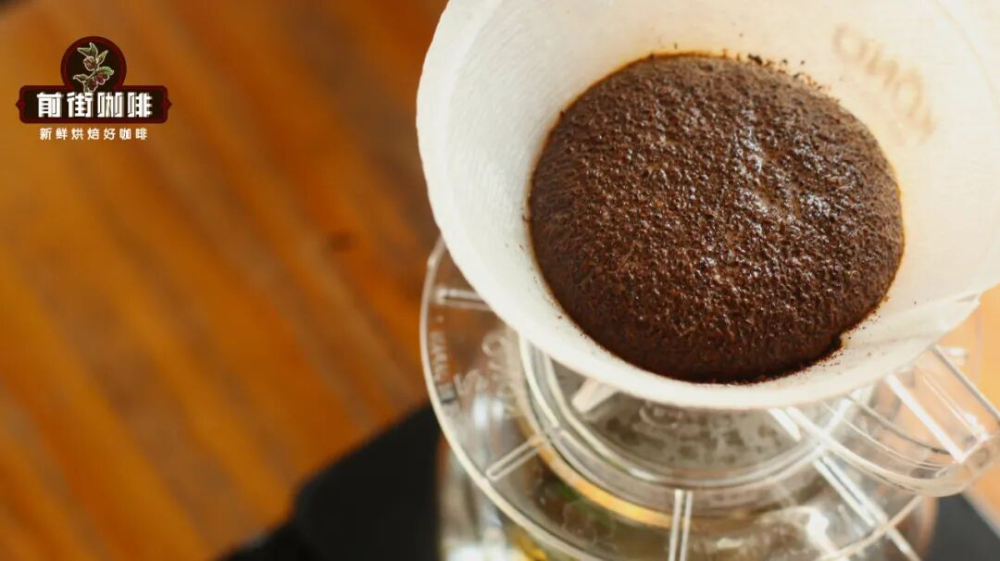
By the second day, the dry aroma had visibly faded, no more blooming lift occurred, fewer bubbles formed on the coffee bed, and the flavors were dominated by citrus and grapefruit acidity with a touch of sweetness, and a caramel-like aftertaste. On the third day, the dry aroma turned honey-like and nutty, with even fewer bubbles, the overall flavor profile became heavier, the acidity was no longer prominent, and the caramel notes stood out more.
This experiment clearly shows that once coffee is ground, its aroma continually diminishes over time, with the originally fresh and vibrant fruity notes gradually replaced by heavier caramel and nutty flavors. Especially for light to medium roast coffees that emphasize floral and fruity aromas,much of the flavor essence is often lost within just a few hours of grinding.
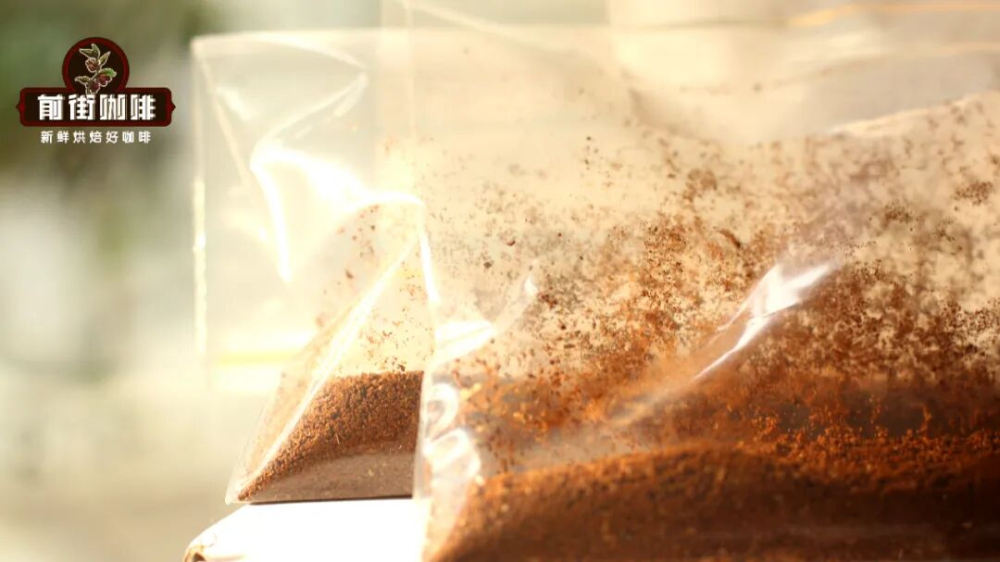
In summary, if you truly cannot grind your own beans, be sure to pay attention to how you store your coffee powder: choose airtight containers, avoid light and moisture, reduce air exposure, and consume it as soon as possible. With proper storage strategies, though you may not fully match the experience of fresh-ground coffee, you can still enjoy a relatively high-quality cup. Remember, coffee flavor is ever-changing—the fresher, the better.
The above content is compiled by CoffeeHunters, a coffee news website.

