








Introduction:Want to make espresso at home with rich crema and perfect latte art like in a café? The crema on espresso is not just a visual treat—it’s also key to flavor complexity and overall mouthfeel. This article dives deep into how crema forms, how to judge its quality, and recommends blends ideal for making lattes and cappuccinos, helping you master brewing parameters and bean selection.
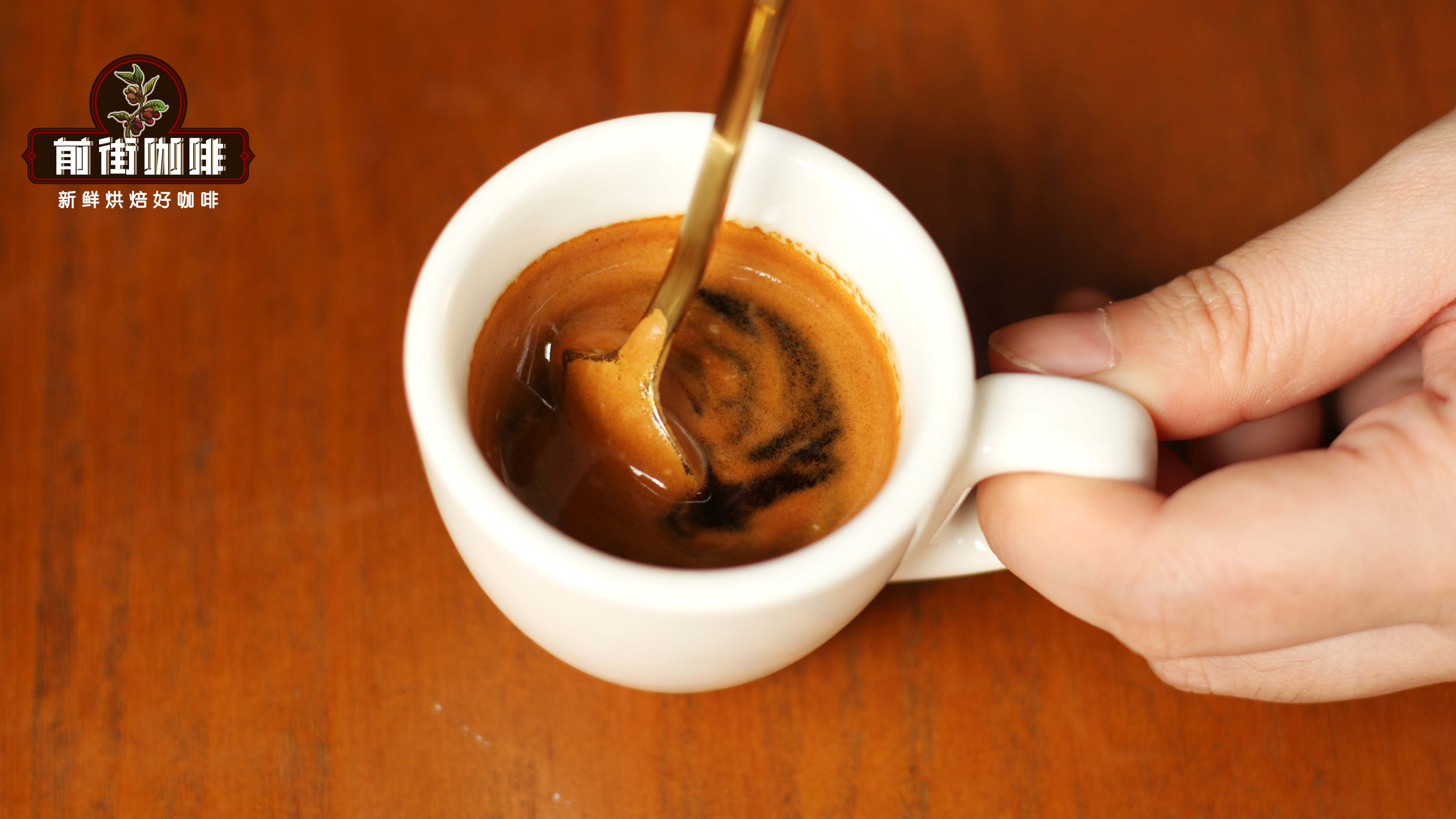
A stunning shot of Espresso features a layer of golden to dark brown coffee crema on the surface. This isn’t just a visual highlight—it’s also a major contributor to flavor. This crema gives the espresso a richer mouthfeel and a lingering aftertaste. Compared to drip coffee, the presence of crema makes the overall experience more full-bodied. However, the amount of crema isn’t the sole indicator of coffee quality—we need a more comprehensive understanding of how it forms and functions.
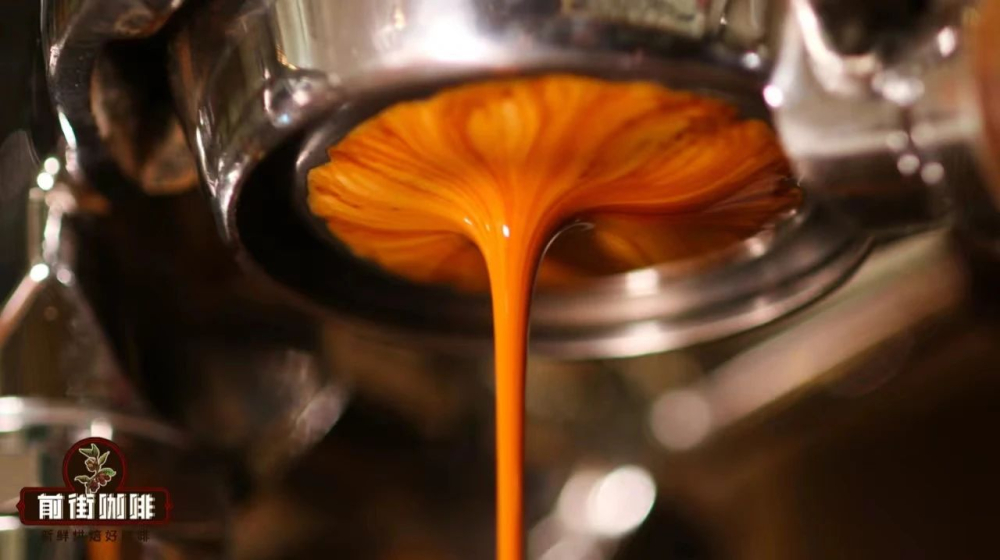
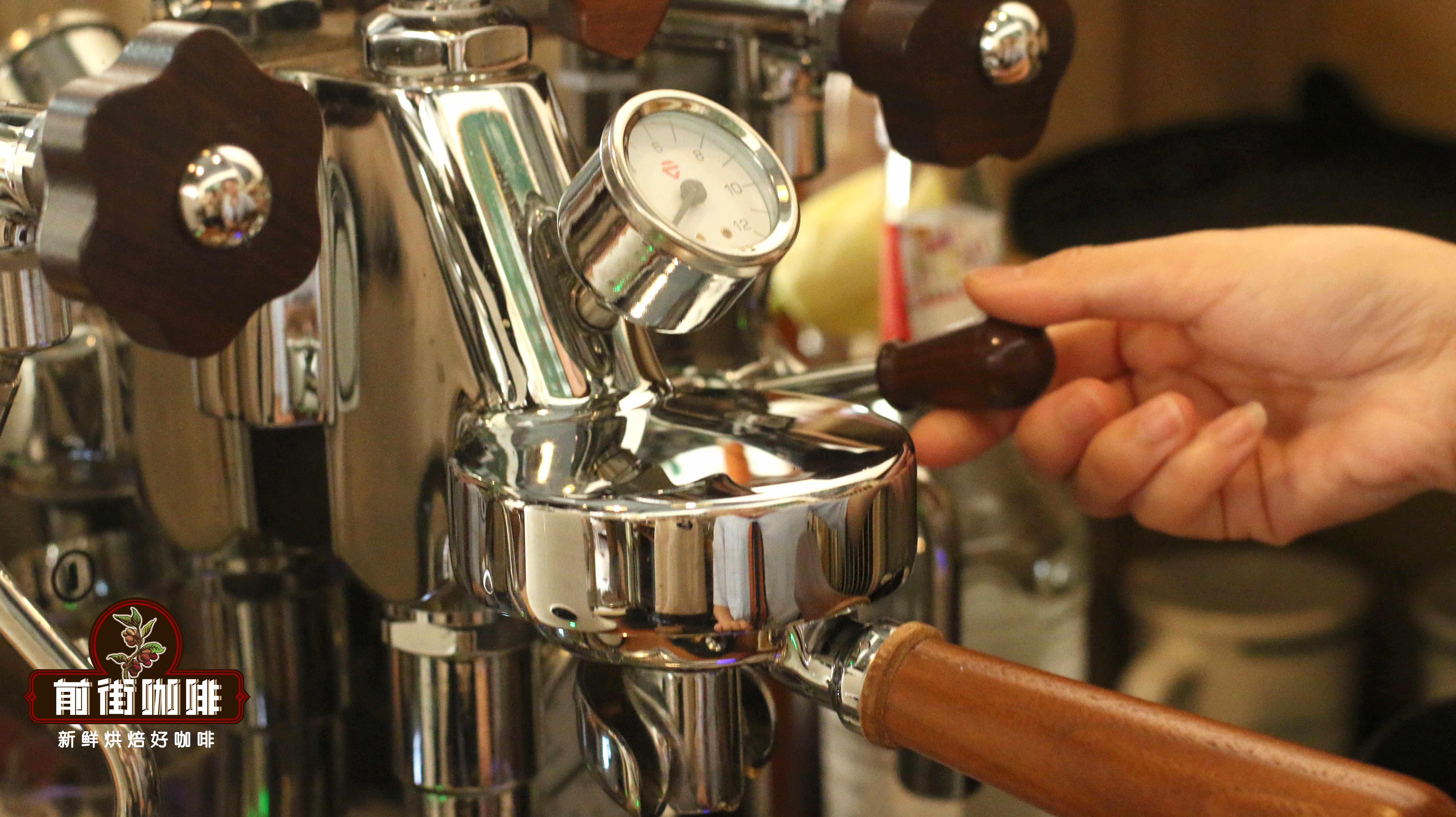
Crema formation is closely tied to the espresso extraction process. In a professional espresso machine, medium-fine ground coffee (typically 18 to 20 grams) is brewed under 9 Bar of high pressure and a water temperature of around 90°C to 96°C to extract 35 to 40 grams of espresso. Under this high-pressure environment, water penetrates the compact coffee puck, extracting not only soluble flavor compounds but also emulsifying the natural oils and carbon dioxide in the beans, forming a stable golden foam layer.
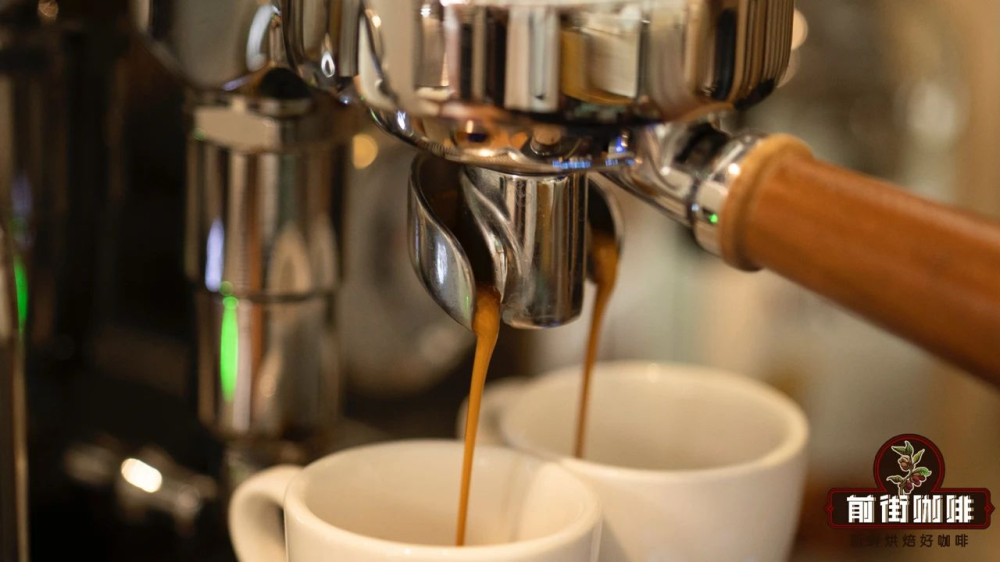
As high-pressure water flows through the coffee bed, it releases compressed carbon dioxide. These gases rapidly expand upon pressure release, carrying tiny oil droplets upward to the liquid surface, eventually forming the crema we see. This process requires freshly roasted coffee beans, as the carbon dioxide content in the beans gradually decreases over time, which in turn affects the richness and stability of the crema.
While abundant crema is often seen as a sign of high-quality espresso, not all crema indicates excellence. For example, Robusta beans naturally contain more oils, but their flavor is often harsher with pronounced bitterness, and may not suit those seeking a delicate taste. Truly good espresso should, beyond crema, showcase distinct origin characteristics—such as fruity acidity, floral notes, caramel, or nutty tones—along with balanced, smooth mouthfeel and a long-lasting finish.
If you want to make espresso at home that’s rich in crema and perfect for latte art, choosing the right blend is crucial. It’s recommended to go with a blend that uses Arabica as the base, complemented by a moderate amount of other varieties. This ensures flavor complexity while providing enough crema support. In terms of roast level, medium-dark to dark roasts help bring out a full-bodied taste and rich crema, especially suitable for pairing with milk in lattes or cappuccinos.
During actual brewing, adjust grind size based on your machine’s performance. The coffee-to-water ratio is best kept between 1:2 and 1:3, with an extraction time of around 25 to 30 seconds. A uniformly tamped, compact coffee puck helps stabilize flow rate and crema formation. Additionally, the machine’s pressure and water temperature settings must meet standard specifications to ensure optimal crema performance in every shot.
The above content is compiled by CoffeeHunters, a coffee news website.

