







Introduction:Have you ever wondered why some pour over coffees taste like you're savoring fresh fruit? In fact, the fruity flavors in coffee come from specific aromatic compounds, which are transformed through the roasting process. This article will delve into the four key factors that shape coffee flavor—variety, origin, processing method, and roast level—and recommend several specialty coffee beans with prominent fruity notes that are perfect for pour over brewing, helping you find your ideal match.
The reason why coffee emits such rich fruity aromas lies in complex chemical reactions and natural aromatic compounds. These substances include esters, ketones, alcohols, as well as fatty acids, terpenes, and amino acids, all of which are key components contributing to fruity notes and are stably present in green beans.
During the roasting process, the Maillard reaction and caramelization gradually take effect, transforming internal compounds in the green beans into a variety of volatile aromatic molecules. When certain key aromatic components accumulate to a certain concentration, they can create fruity experiences that are either fresh, sweet, or richly tropical, evoking memories of fruits like bananas, citrus, or berries.
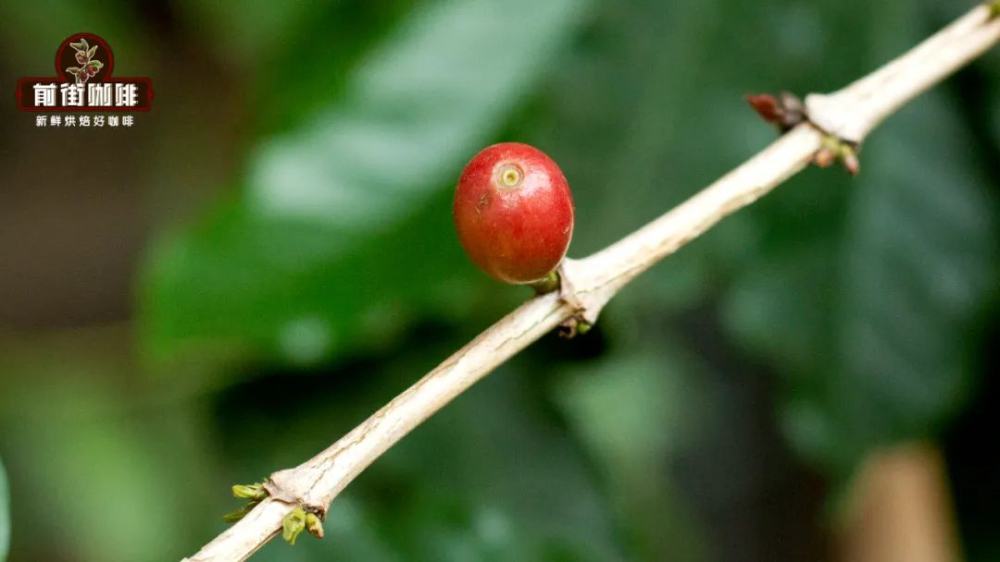
Not all coffees exhibit pronounced fruity characteristics, but some Arabica beans from high-altitude regions are particularly prone to developing complex and varied fruity and floral notes. Based on cupping experience, common fruits often described in coffee flavor profiles include citrus, passion fruit, mango, pineapple, guava, grape, peach, blueberry, and strawberry—these aromas are widespread and easily detectable during tasting.

These fruity flavors are not limited to a single origin or variety. Many specialty coffee beans from Africa and Central and South America often showcase astonishing layers of fruitiness. Below, we introduce several beans that performed excellently in cuppings, with clear and distinct flavors, and are suitable for pour over brewing, offering reference for coffee enthusiasts.
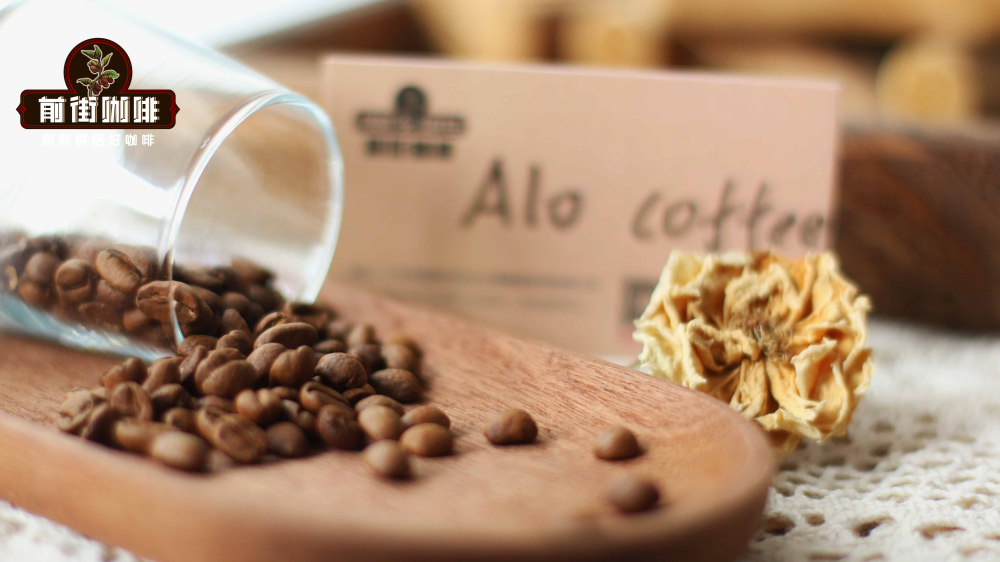
Among them, a coffee bean from the Alo region of Sidamo often carries a rich and ripe mango aroma, complemented by delicate notes of guava, magnolia, and citrus.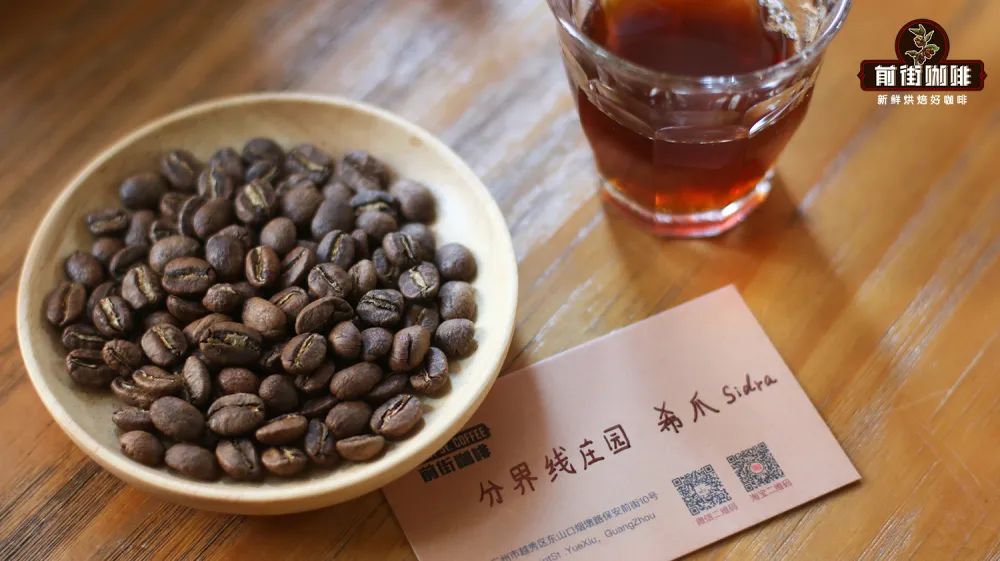 The overall flavor profile is rich and highly distinctive; the Xiazhua and Dabuzhong varieties respectively showcase distinct floral notes in purple and pink hues. Xiazhua is particularly characterized by a sweet and sour fruity profile led by passion fruit, grape, and apricot, while Dabuzhong leans more toward blackcurrant and spicy flavors.
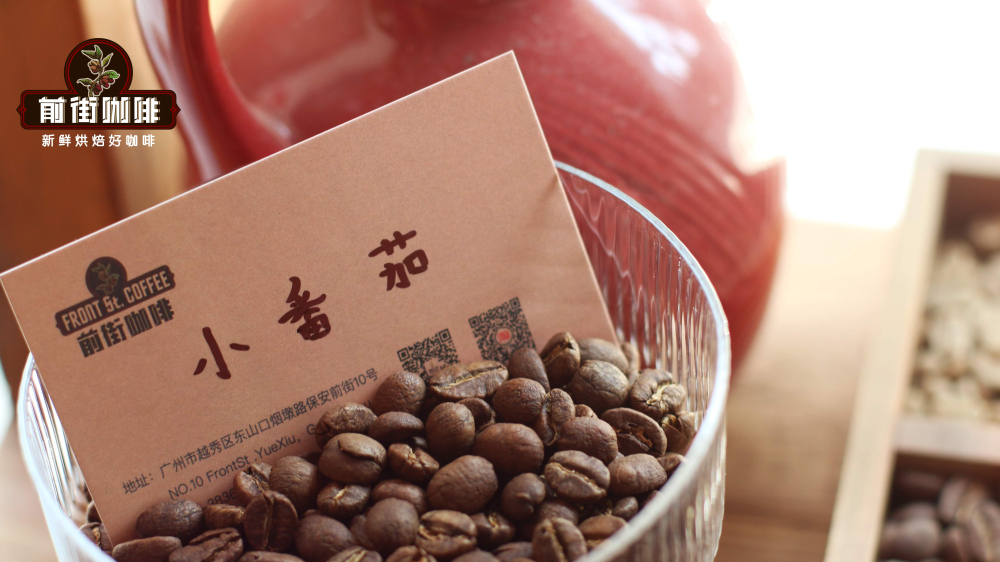
The Huahudie and Guodingding coffees exhibit soft white floral notes, paired with citrus, orange, and a light tea-like sensation, making them suitable for drinkers who prefer a refreshing taste. As for the Kenyan Small Tomato bean, its floral aroma is relatively intense, and upon tasting, one can perceive the juicy acidity and sweetness reminiscent of cherry tomatoes, dark plums, pears, and black plums, offering a unique flavor.
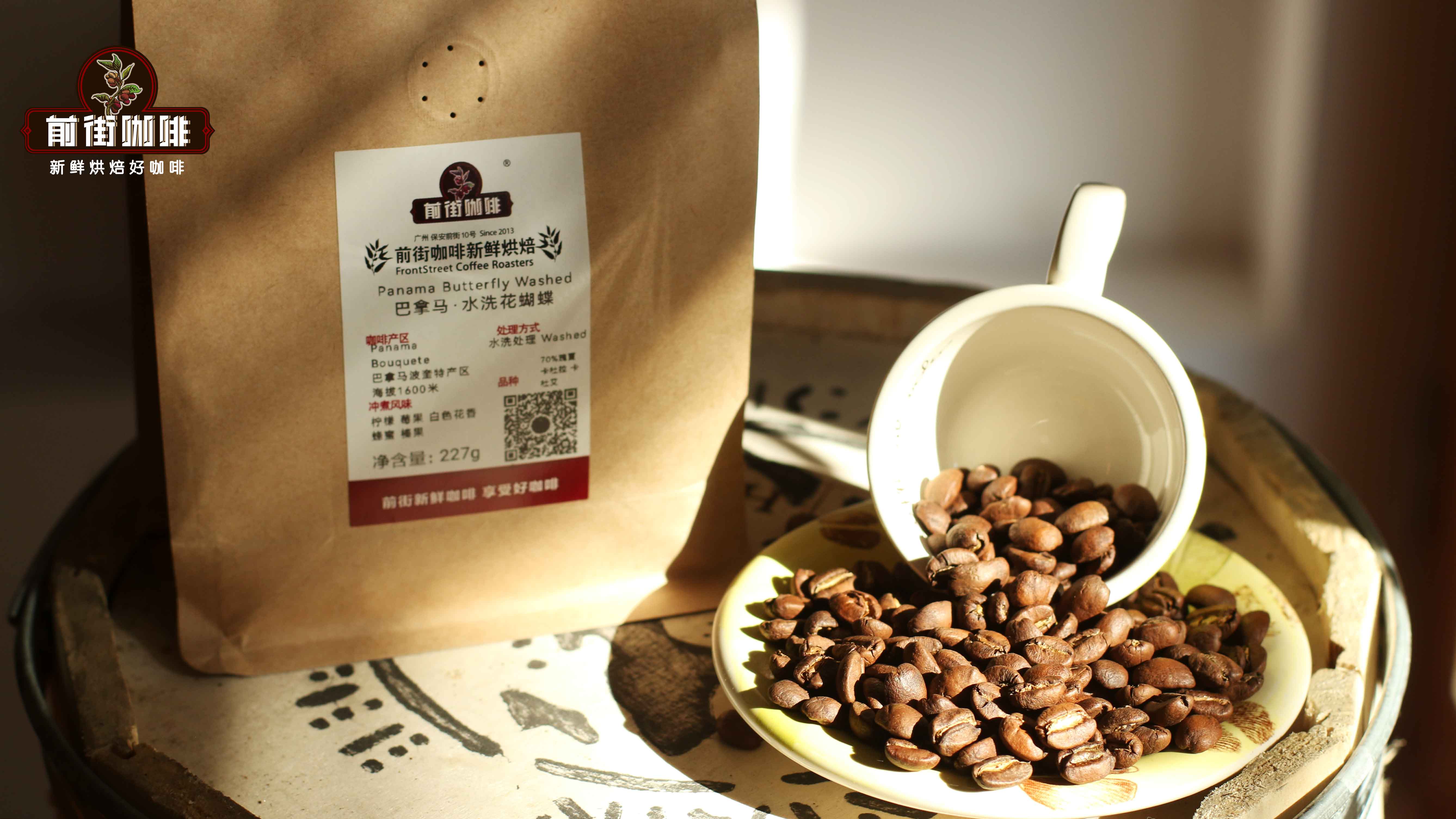
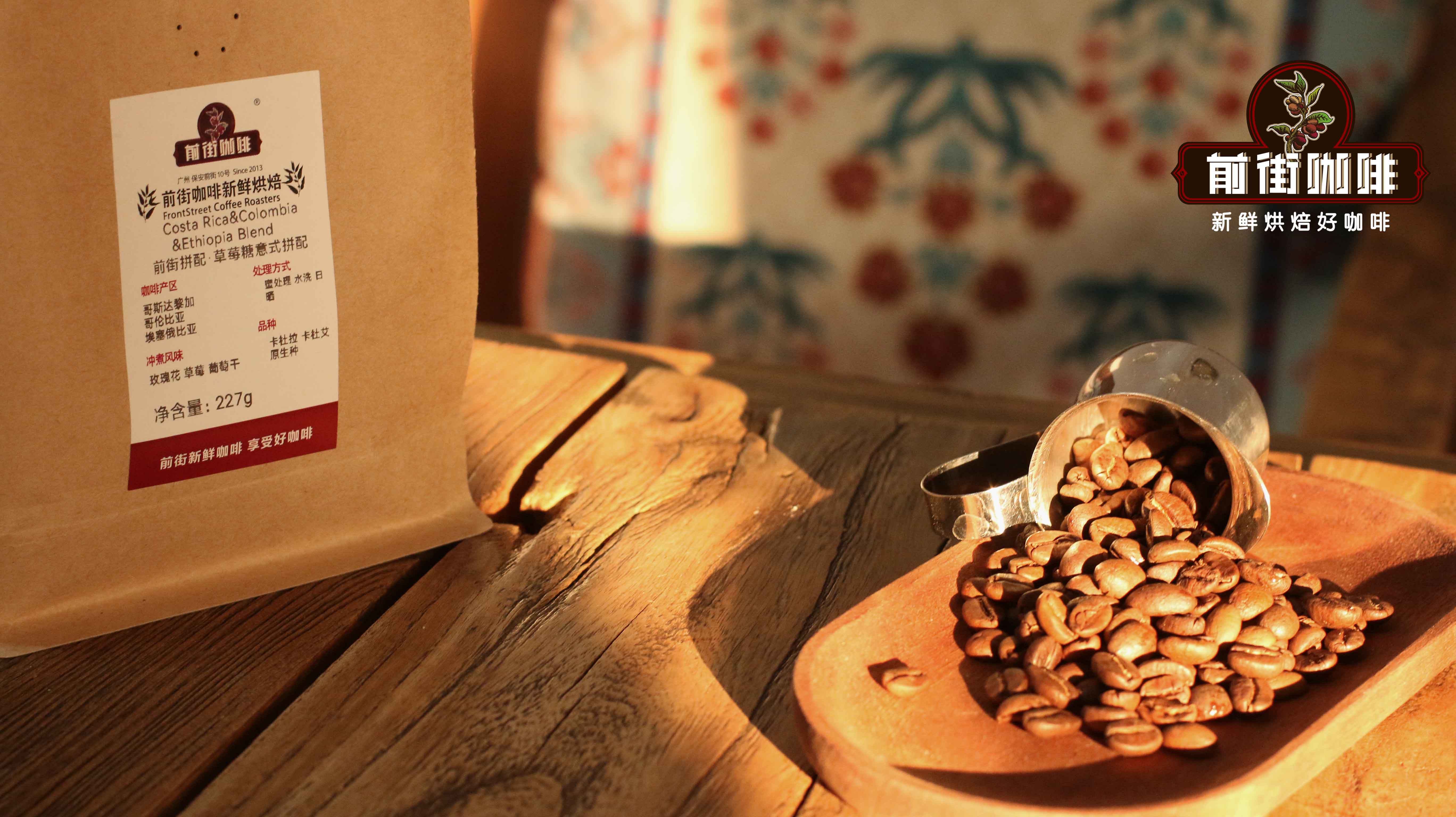
Finally, the Strawberry Candy-flavored coffee leads with elegant rose floral notes, accompanied by sweet tones of grape, strawberry candy, dried fruit, and sweet orange. It's highly suitable for brewers who enjoy a balanced combination of fruity and sweet profiles. These beans not only demonstrate the diverse possibilities of fruity flavors but also make the pour over experience full of exploration and delight.
The above content is compiled by CoffeeHunters, a coffee news website.

