







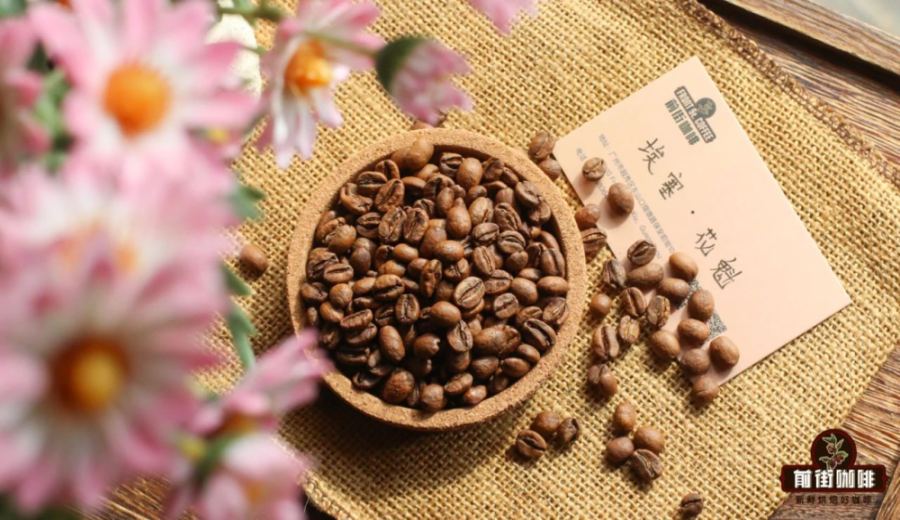
Introduction:The flavor profile of coffee is closely related to how coffee beans or ground coffee are stored. Whether you're a pour over enthusiast or enjoy making your own espresso, understanding how to properly store coffee can effectively extend its freshness and flavor lifespan. This article will delve into the shelf life, key storage considerations, and common factors that affect the freshness of coffee beans and ground coffee, helping you master preservation tips so that every cup of coffee remains at its best.
The freshness of coffee beans is inseparable from proper storage.If roasted coffee beans are not stored correctly, they may lose their original aroma and flavor due to oxidation, moisture, or high temperatures—even if they haven’t expired. Proper storage methods can slow down flavor loss, ensuring you can still enjoy the optimal performance of the coffee even after opening.
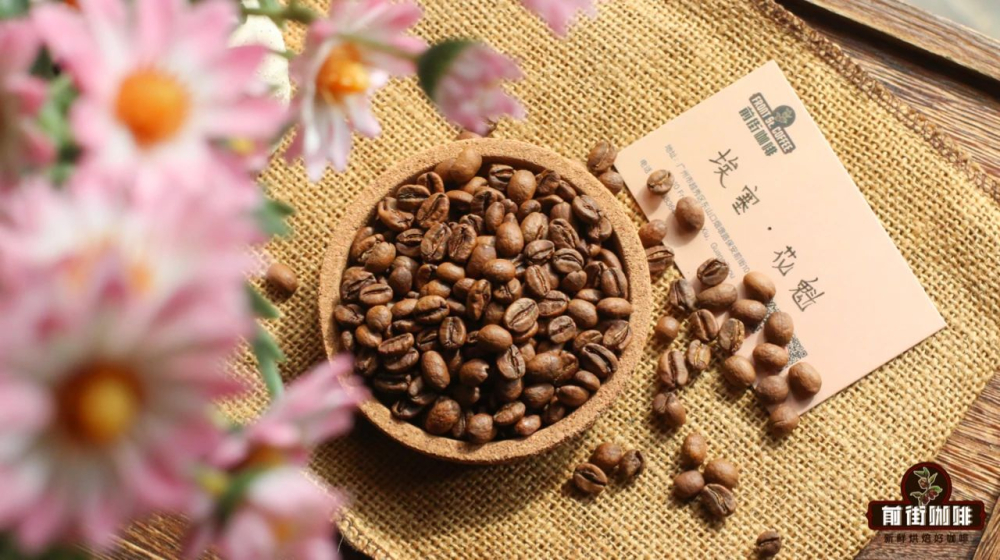
Generally speaking,the optimal flavor period of coffee beans is around 4 to 30 days after roasting,during which the beans usually exhibit the richest aroma and taste. Beyond this period, although the beans may not necessarily be spoiled, the richness of their aroma and flavor will noticeably decline, possibly becoming bland, monotonous, or even unpalatable. It’s worth mentioning that as long as the storage environment is good,the actual shelf life of coffee beans can be up to one year,but the flavor performance will gradually diminish over time.
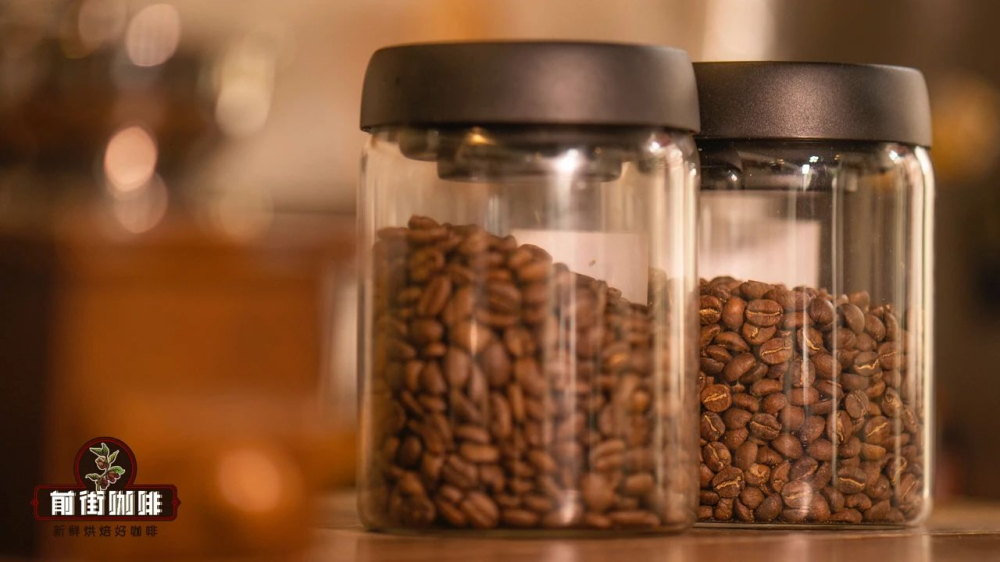
Compared to whole coffee beans,ground coffee has an even shorter optimal flavor period.Since grinding increases the surface area of the coffee significantly, the oxidation rate accelerates markedly. If not stored properly, the flavor can deteriorate substantially within just a few days, and may become noticeably off within a week. Therefore, if you’re using pre-ground coffee, it’s recommended to consume it as soon as possible and pay extra attention to storage methods.
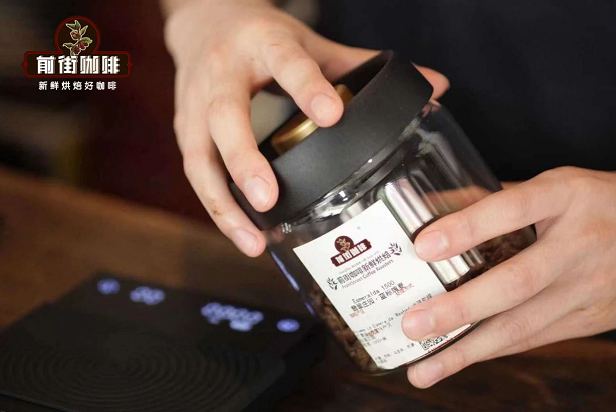
To effectively extend the optimal flavor period of coffee beans, you first need to understand several major “freshness killers.” The first islight and high temperatures.Direct sunlight or placement in high-temperature environments can accelerate the evaporation of aromatic compounds in the beans. For example, many specialty coffee brands use aluminum foil packaging, which can reflect some light but offers limited insulation. Therefore, storage should be in a cool, heat-source-free place, such as a cupboard or drawer, away from direct sunlight or heat sources like stoves and appliances.
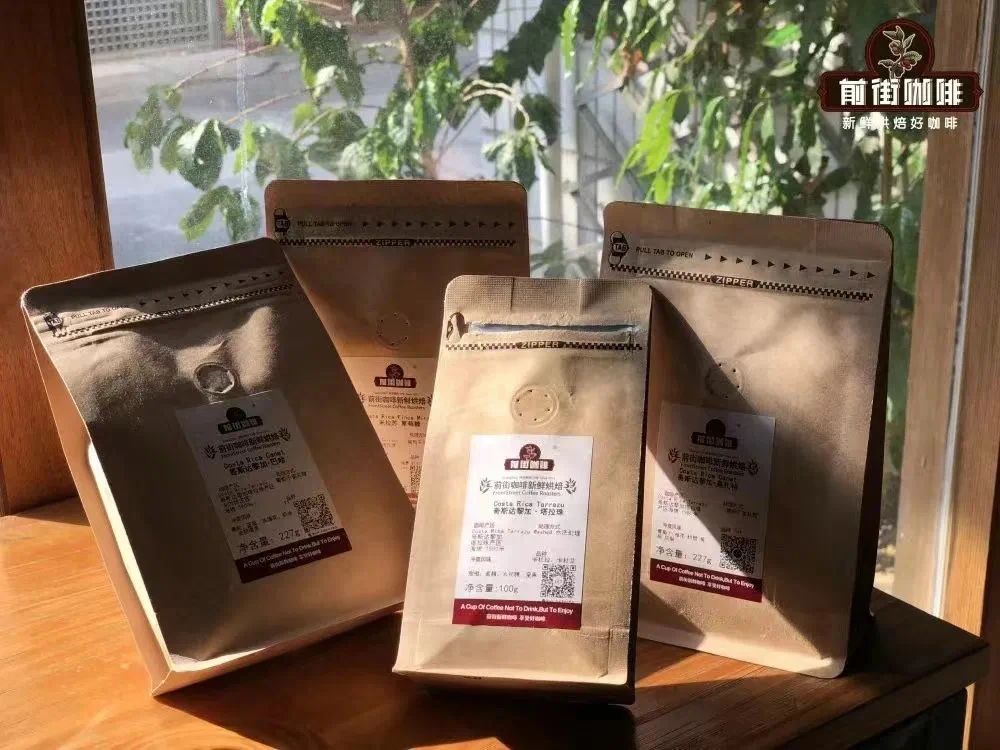
The second key factor ishumidity.Coffee beans are inherently dry agricultural products, and excessively high environmental humidity can cause the beans to absorb moisture from the air. Even when stored in a sealed container, they may be affected by momentary humidity exposure when opened. Moist coffee beans are prone to developing musty flavors and may also acquire off-flavors, severely impacting the taste of the brewed coffee. Therefore,the storage environment should remain dry and well-ventilated,and beans should be kept away from areas with high moisture such as bathrooms or laundry rooms.
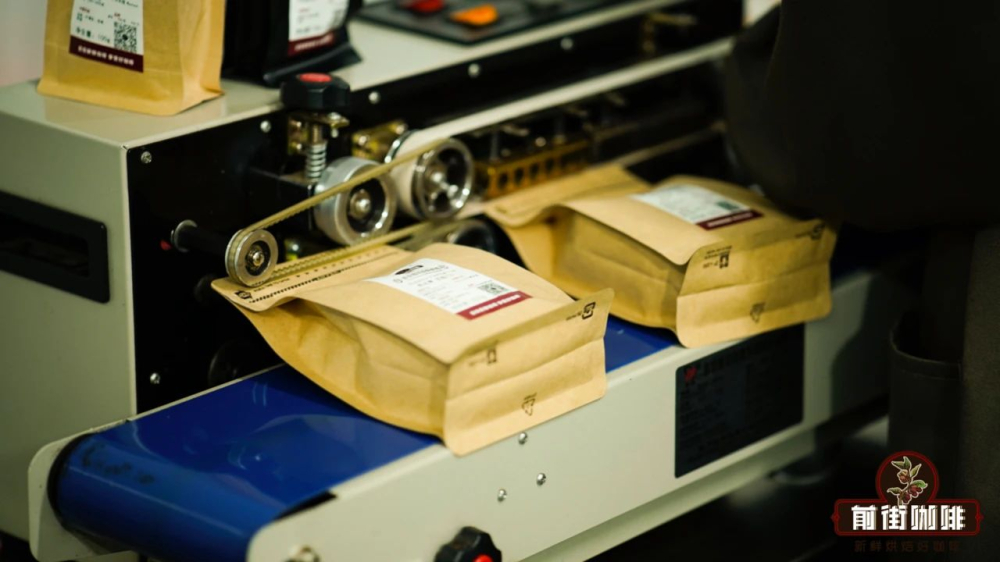
Finally, and perhaps the hardest to completely avoid—oxygen.Although we can’t fully eliminate oxygen, we can slow down the oxidation process by reducing the time and opportunity for coffee beans to come into contact with it. After each opening, the packaging or storage container should be tightly sealed immediately to minimize oxygen infiltration. If possible, choosing coffee bean bags with a one-way degassing valve can effectively release internal carbon dioxide while preventing external oxygen from entering, helping to maintain the freshness of the beans.
The above content is compiled by CoffeeHunters, a coffee news website.

