








Introduction:How should you store coffee beans after bringing them home to maintain their optimal flavor? Which method is most effective—freezing, airtight containers, or keeping them in their original packaging? This article delves into the flavor retention period of freshly roasted coffee beans, debunks common storage myths, and offers expert advice on everything from the role of degassing valves, the impact of opening frequency, to the risks of fridge or freezer storage. Learn how to extend the shelf life of your coffee beans and avoid wasting good beans.
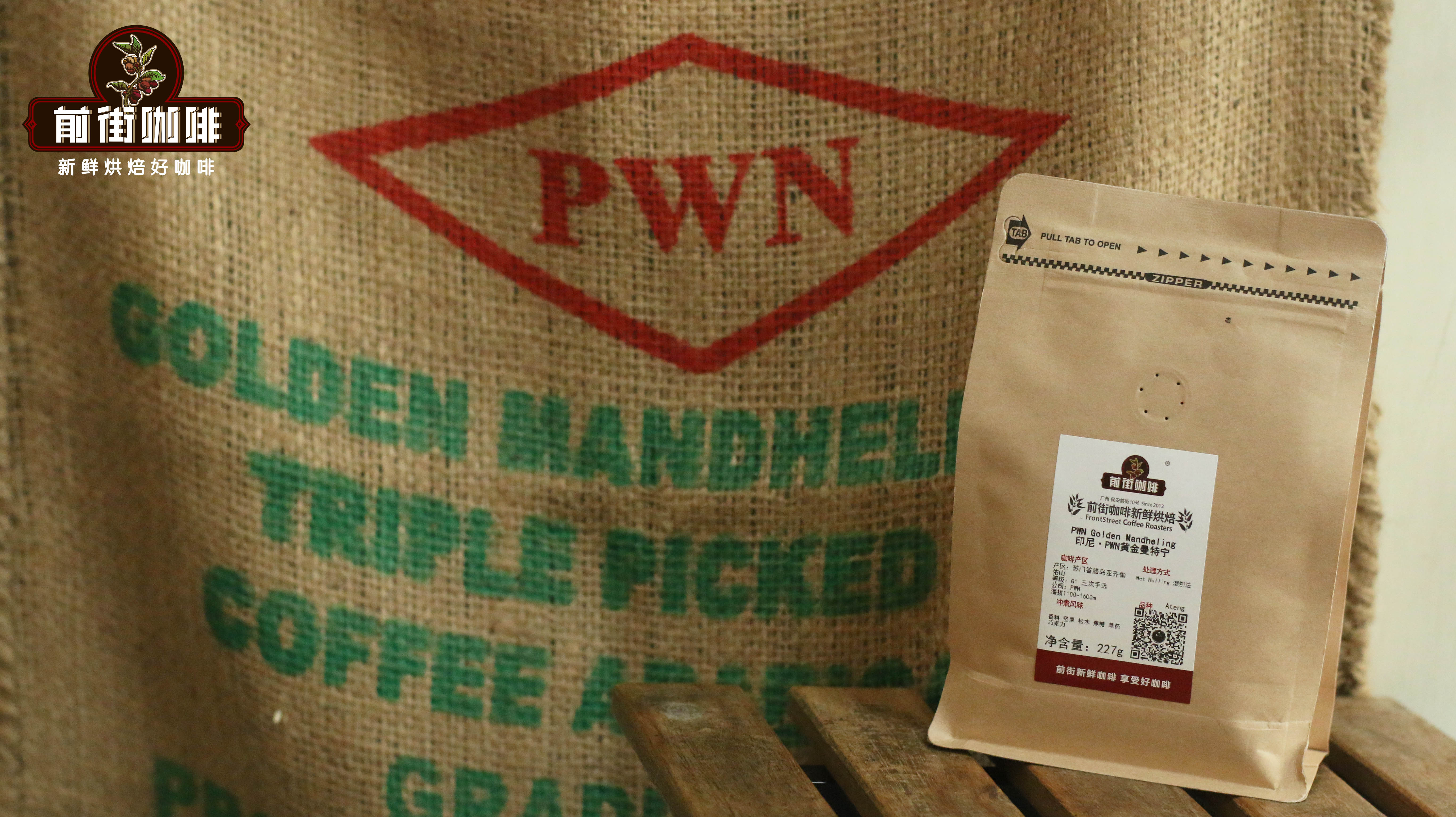
Many coffee enthusiasts have the habit of buying coffee beans in bulk during promotions, only to face a common question: how should these beans be stored to preserve their best flavor? Many ask, how long can unopened coffee beans be kept? And once opened, what’s the best way to store them to slow down flavor loss? This article will break down the key points of coffee bean storage to help you make the right choices.
First, we need to understand what it means when coffee beans “lose their flavor.” Essentially, flavor loss mainly refers to the weakening of aroma—such as the floral, fruity, or nutty notes released when grinding, or the layered aromas in the brewed coffee liquid. These aromas come from the volatile aromatic compounds in coffee. Once they dissipate over time or due to improper storage conditions, the coffee may taste flat. However, even if the flavor diminishes, the basic taste of coffee—which comes from water-soluble substances—remains, and it is still safe to drink within its shelf life (usually around 12 months). Generally, coffee beans need 4 to 7 days of resting after roasting for their flavors to fully develop and reach their peak. After that, they enter a 30 to 45-day window of optimal flavor, which then gradually declines.
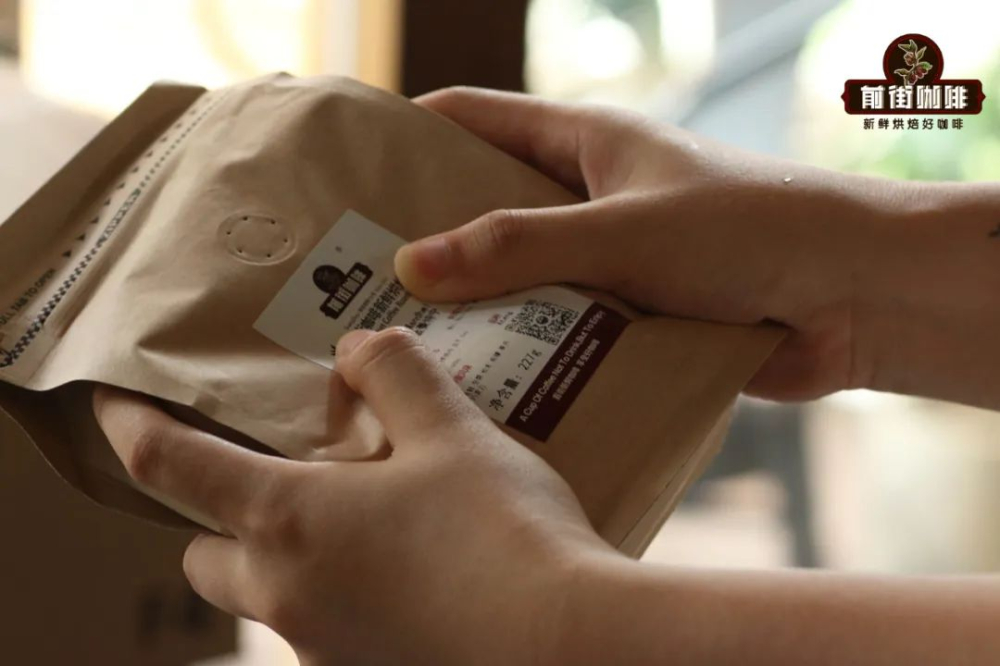
Many consumers believe that sealing the degassing valve on the coffee package can slow down flavor loss. But in reality, the purpose of this one-way degassing valve is to release the carbon dioxide naturally produced by the coffee beans inside the packaging, preventing the bag from expanding or bursting. When the internal gas pressure rises, the valve automatically opens to release excess gas, and remains closed otherwise. If you manually tape over the degassing valve, not only will it fail to prevent flavor escape, but it may also cause the packaging to deform due to trapped internal pressure, offering no real benefit to preservation.
Another common practice is transferring opened coffee beans into an airtight container. Theoretically, as long as the airtightness of the container is good, there isn’t much difference in flavor protection compared to the original packaging with a sealing strip. The real key factor affecting the speed of flavor loss is actually how often and for how long the bag is opened. Each time you open the package, the coffee beans are exposed to external air, moisture, and temperature fluctuations, accelerating aroma dissipation. This is also why some coffee may taste great when first opened, but the flavor noticeably declines just a few days later.
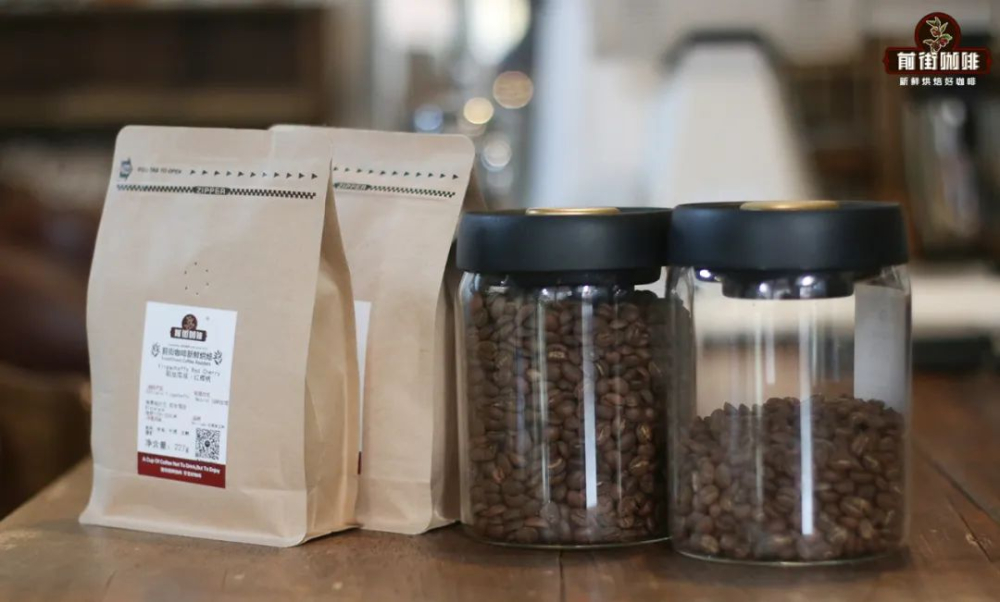
As for storing coffee beans in the freezer, this method is more controversial. While low temperatures can indeed slow down chemical reactions and aroma evaporation, home freezer environments often pose hidden risks. First, freezers usually contain various food items, and if not properly sealed or organized, coffee beans can easily absorb odors from other foods, resulting in unpleasant off-flavors. Additionally, when frozen beans are taken out to thaw, the extreme temperature difference can cause moisture in the surrounding air to condense into water droplets on the bean surface, leading to dampness or even mold, severely impacting brewing performance and flavor.
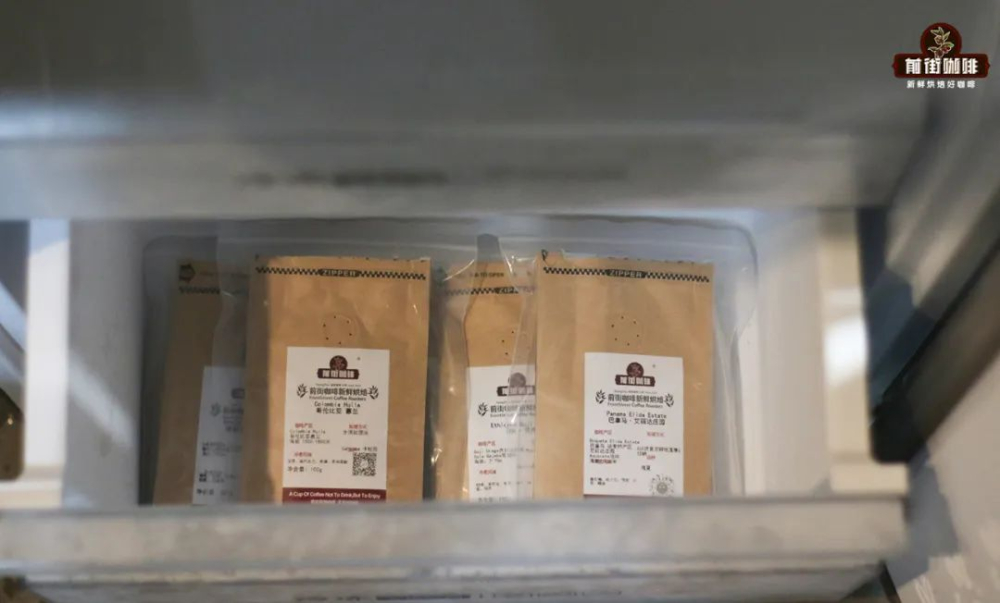
So, what is truly the best way to preserve the flavor of coffee beans? In truth, no matter which storage method you choose, the natural decline of flavor over time cannot be completely avoided. The most ideal strategy is to buy a one-month supply of freshly roasted coffee beans based on your consumption frequency, avoiding overstocking that could lead to beans going stale or losing flavor. If the beans are still unopened, it’s recommended to keep them in their original packaging and store them in a cool, dry, and dark place. Once opened, you can reseal the package using the original sealing strip, but be sure to check the seal’s effectiveness—if the packaging is damaged, replace it with a more airtight container.
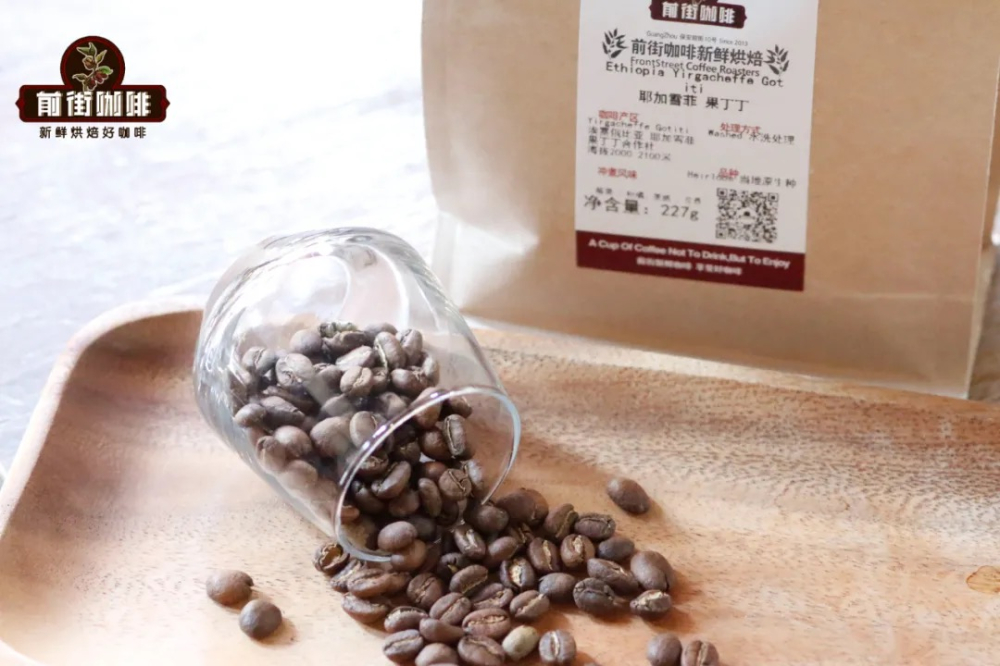
Finally, even with the best preservation methods, under normal usage, the flavor of coffee beans typically only lasts about 30 days. Therefore, it’s advisable to plan your coffee consumption, regularly purchase freshly roasted beans, not only to ensure the best flavor in every cup, but also to avoid waste caused by long-term storage.
The above content is compiled by CoffeeHunters, a coffee news website.

