








Introduction:Do you know why freshly roasted coffee beans aren’t necessarily at their best to drink right away? This article delves into the degassing process of coffee beans from the time they’re roasted until they reach peak flavor, helping you master the blooming time for both pour over single-origin beans and dark roast beans. Understand the key moments of carbon dioxide release and flavor loss so that every brew lets you enjoy the most captivating aroma and complexity that coffee has to offer.

When buying food, we often check the production date and expiration date to avoid consuming expired products. But for coffee beans, the roast date is important not just because of shelf life limits—although roasted beans typically have a shelf life of about six months to a year and usually don’t go bad within that period—it’s more crucial because this date directly affects whether you can taste the coffee’s most ideal and richest flavor profile.
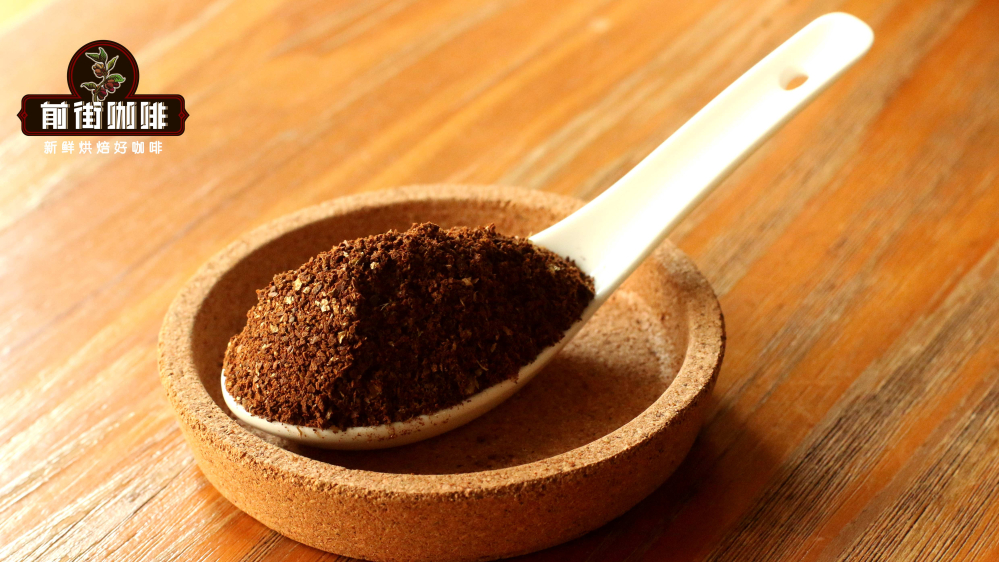
Nowadays, most specialty pour over single-origin coffee beans on the market emphasize being “freshly roasted.” This is closely tied to the current trend of light roasting. Light-roasted beans, due to their lighter roast level, contain unique volatile compounds such as floral, fruity, and sweet aromas that are delightful but also very prone to fading over time. Usually, in the first week after roasting, these pleasant aromas gradually emerge, but if more than two months pass, not only do the aromas noticeably weaken, but you may also start to notice smoky, grassy, or even almond-like aged notes, which can greatly affect the taste.
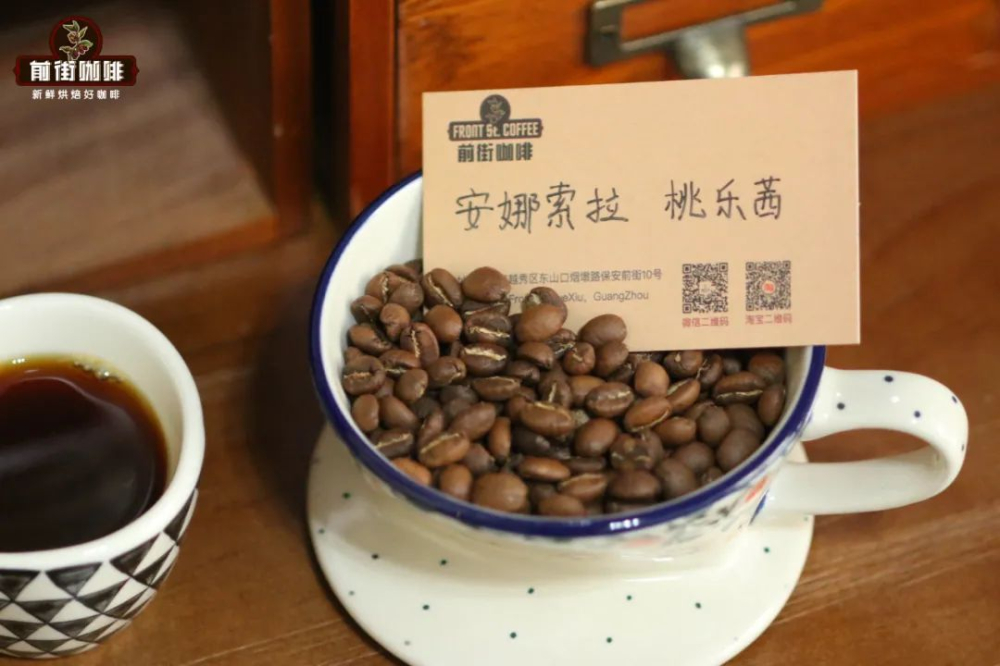
However, coffee beans right after roasting are not immediately suitable for brewing either. The primary reason is that freshly roasted beans continue to release large amounts of carbon dioxide, which interferes with the contact between water and coffee grounds and hinders the release of flavor compounds during extraction. This gas release is called “degassing” or “blooming,” and it’s a natural process that every batch of coffee beans must go through after roasting. If you ignore this stage and brew directly, it may not only result in uneven extraction, but you might also perceive a distinct “harshness” or sharp acidity, compromising the overall drinking experience.
Generally speaking, after roasting, the internal structure of the beans remains loose, and the carbon dioxide inside is gradually released. During this period, the high concentration of carbon dioxide prevents water from penetrating into the core of the beans, making it difficult for flavor components to be fully extracted. Therefore, it is recommended to let the coffee beans go through a “resting period” (养豆期), allowing the beans to naturally release carbon dioxide while letting the flavors stabilize and become more balanced.
Based on experience, most light-roasted coffee beans begin to enter their peak flavor window between the 4th and 7th day after roasting, which is also the time most specialty coffee shops recommend starting to enjoy them. This golden period can last up to around 40 days, during which volatile compounds such as floral notes, fruit acidity, and sweetness are most active. However, over time, these delicate flavors will gradually fade, eventually leaving behind a more one-dimensional woody or astringent taste. In contrast, dark-roasted beans or those designed specifically for espresso, due to their longer roast times and tighter structures, release carbon dioxide more slowly and therefore require a longer resting period. Typically, it’s advised to wait 1 to 2 weeks for the flavors to stabilize.
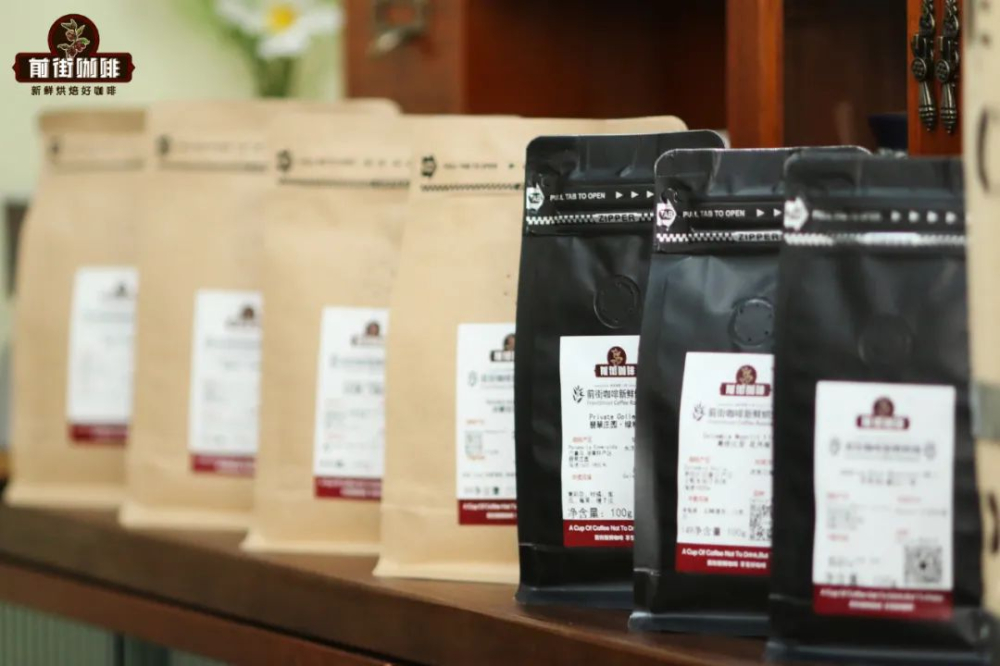
Overall, the optimal flavor window for light-roast pour over beans usually falls between the 4th and 40th day after roasting, whereas dark-roast or espresso beans are recommended to rest for about 1 to 2 weeks before use. As a result, many roasting brands that prioritize flavor performance—for example, some well-known roasters commonly found on the market—control their shipping schedule so that the beans are dispatched within 5 days of roasting, with an additional 1 to 2 days of transit time, ensuring that customers receive the beans just as they reach the completed resting phase at peak flavor.
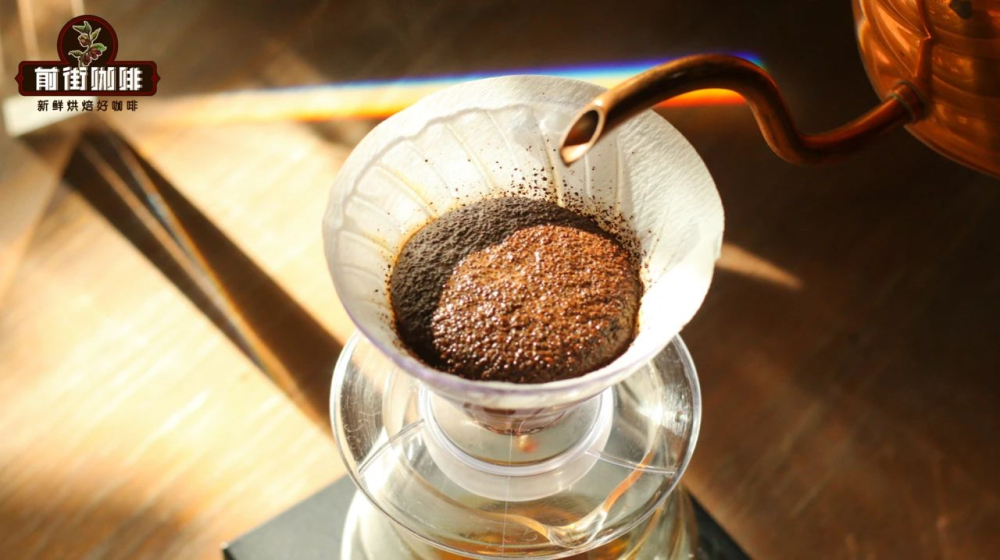
Next time you buy freshly roasted coffee beans, take a look at the roast date on the packaging and calculate the best brewing time based on the suggestions above. Whether you prefer the bright fruitiness of a pour over single-origin or the rich intensity of a dark roast espresso, mastering the timing of resting and blooming will help you more easily brew a cup of coffee with full flavor and rich layers.
The above content is compiled by CoffeeHunters, a coffee news website.

