







Introduction:Many coffee enthusiasts are concerned about the shelf life of coffee beans and how to preserve their flavors. This article delves into the changes coffee beans undergo from roasting to grinding, analyzes the difference between the "optimal flavor window" and the "food shelf life," and provides practical storage tips and precautions to help you store coffee more scientifically—preserving its aroma and complexity.
Many coffee lovers, after purchasing coffee beans, often mistakenly believe that as long as the package remains unopened, the beans will stay “as fresh as the day they were roasted” even after several months. However, while unopened coffee beans may not spoil immediately, their most precious aromas and flavor characteristics gradually diminish over time. Understanding the correct storage methods and timelines is the first step toward enjoying a pour over coffee with a complete flavor profile.
Many people assume that “freshly ground” equals “fresh,” but the truth is not so straightforward. The key factors that truly affect coffee aroma and flavor are not just whether it’s ground fresh, but also when the beans were roasted. In the first few days after roasting, the coffee's aroma peaks, but its flavors are not yet stable—this is not yet the optimal time for drinking.
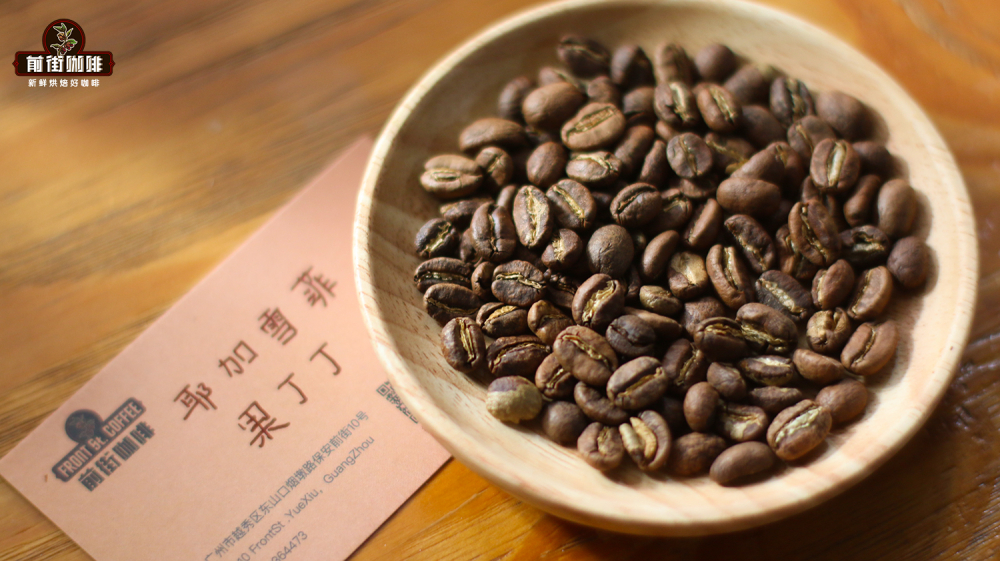
Freshly roasted coffee beans are often considered the “freshest,” but in reality, during the first 48 hours after roasting, the beans are still in a “degassing” phase, with internal carbon dioxide continuing to release and flavors not yet fully developed. Therefore, it is recommended to let freshly roasted beans rest for 3 to 4 days to “degas.” Only after the gases have stabilized should you brew them to fully experience their unique regional flavor profiles.
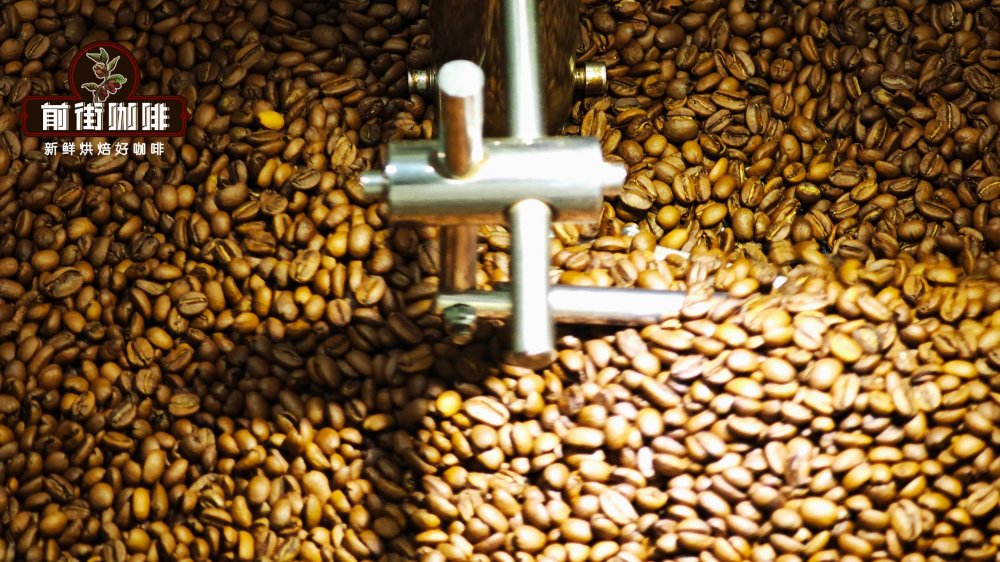
The aroma and flavor of coffee beans naturally decline over time. Generally speaking,the golden period for single-origin coffee beans is within one month after roasting,during which the coffee’s aroma is at its richest and its flavor layers are at their best. Even if unopened,after one month, although it may still be safe to drink, the richness and clarity of the flavors will noticeably decline,. According to common industry experience, the shelf life (unopened) of coffee beans can typically last 2 to 3 months, but the flavor quality is no longer at its peak, and actual performance can be influenced by multiple factors such as roast level, storage environment, and packaging method.
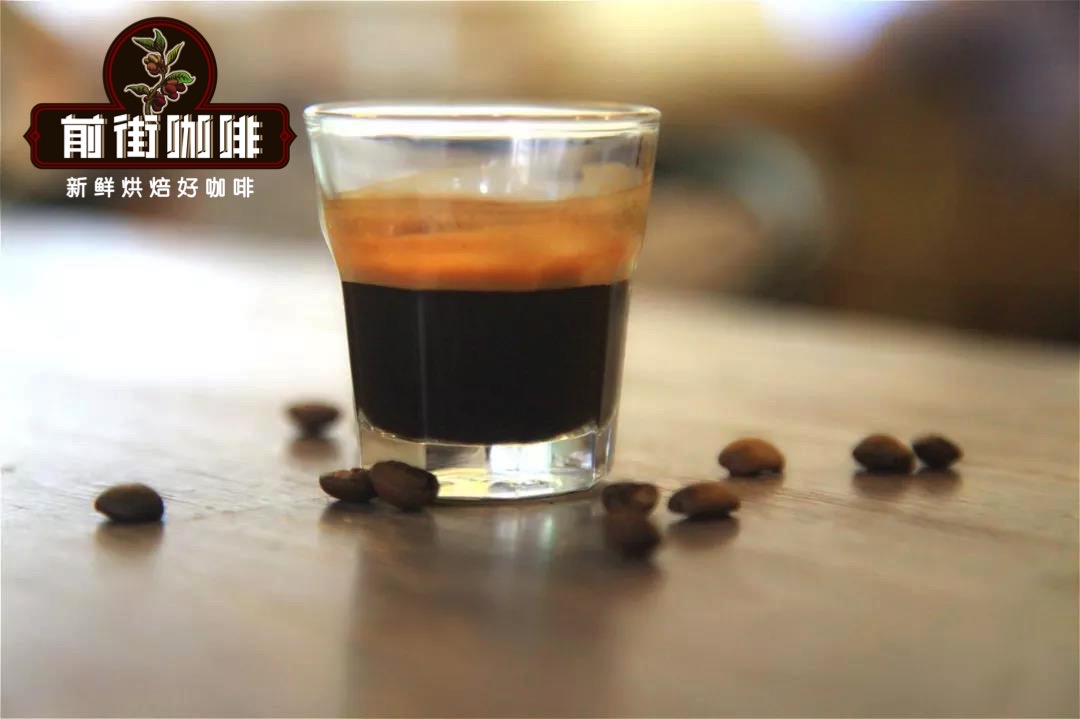
The captivating aroma and taste of coffee come from the volatile compounds and oils released during roasting. However, these substances are highly susceptible to oxygen, moisture, and light. Roasted coffee beans continuously release carbon dioxide, causing the beans to expand, become more brittle, and accelerate the evaporation of aromas and oxidation of oils, which can result in undesirable off-flavors. Therefore, to fully appreciate the refined flavors of coffee, mastering proper storage time and methods is essential.
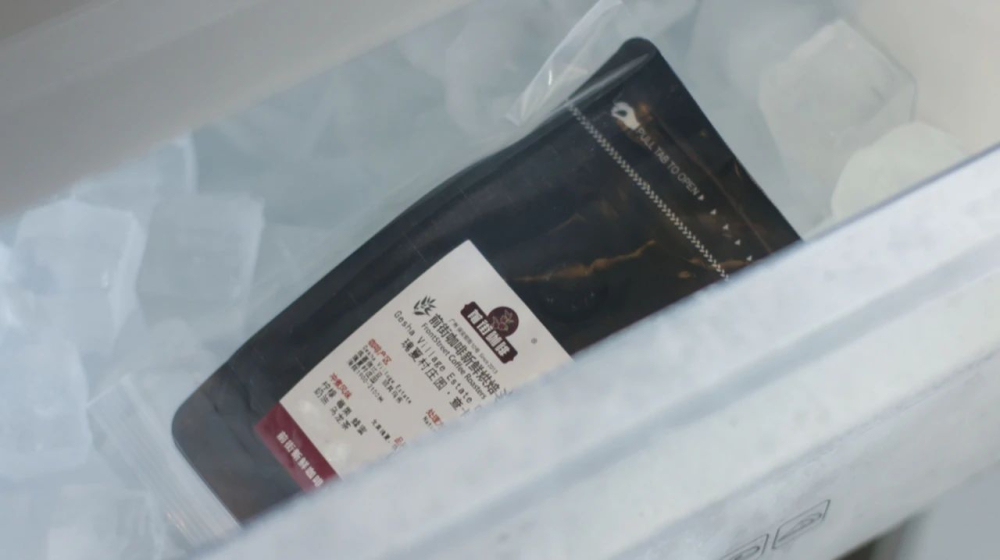
Even unopened coffee beans, though protected by packaging that blocks most external elements, cannot completely avoid the gradual loss of aroma. Even if “vacuum-sealed” packaging is used, it is difficult to achieve a 100% oxygen-free state; placing coffee beans in the refrigerator can cause condensation due to temperature differences, accelerating deterioration instead. Therefore,it is recommended to consume unopened coffee beans within one month for the best flavor experience,. As for the legally mandated food label shelf life, it is typically one year—referring to the period during which, if unopened and stored properly, the coffee beans will not become inedible due to microbes or spoilage, but the flavor would have already deteriorated significantly.
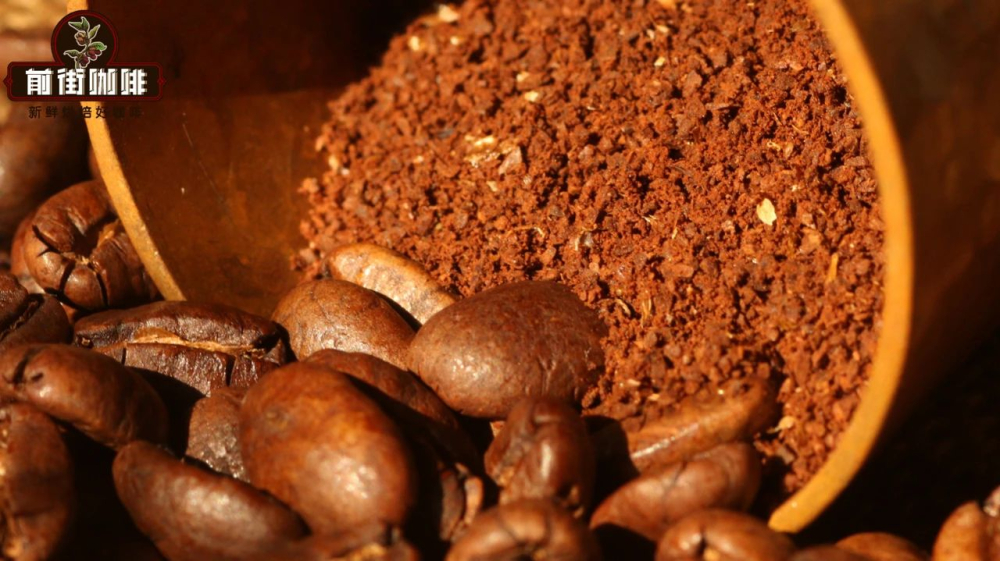
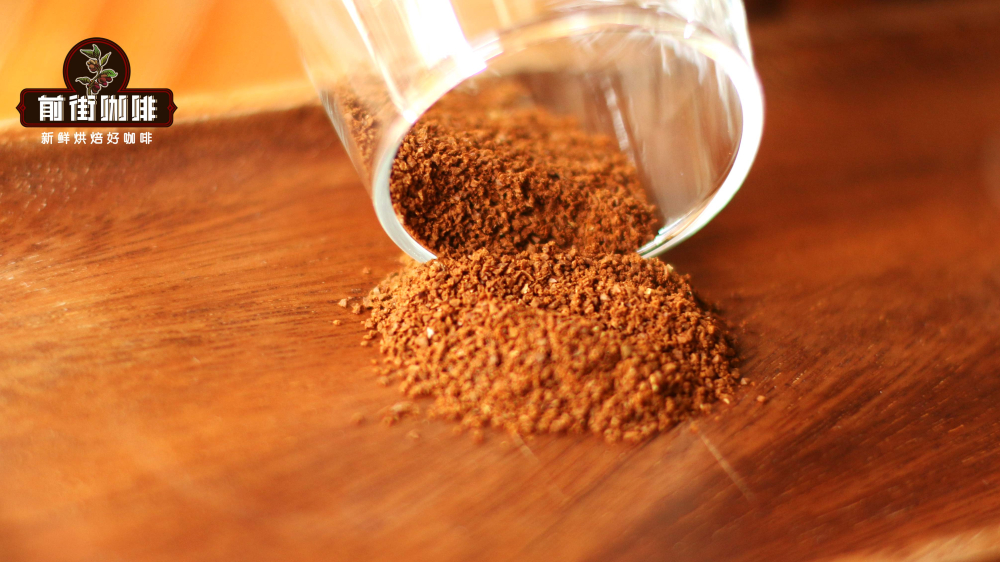
Once coffee beans are ground into powder, the situation becomes even more challenging. Coffee grounds have extremely fine particles, greatly increasing the total surface area exposed to air, which drastically accelerates the reaction between aroma molecules and oxygen—the rate of flavor loss can be several times that of whole beans. Especially in humid environments, coffee powder absorbs moisture more easily, leading to mold or off-odors. Therefore,it is recommended to use coffee powder within two weeks of grinding and to grind just before brewing whenever possible, for the best extraction results,.
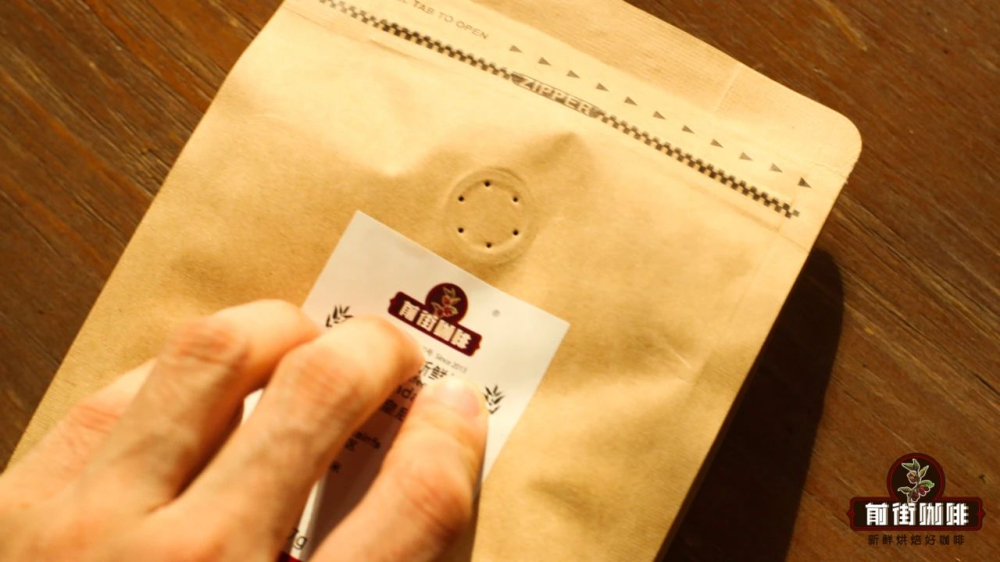
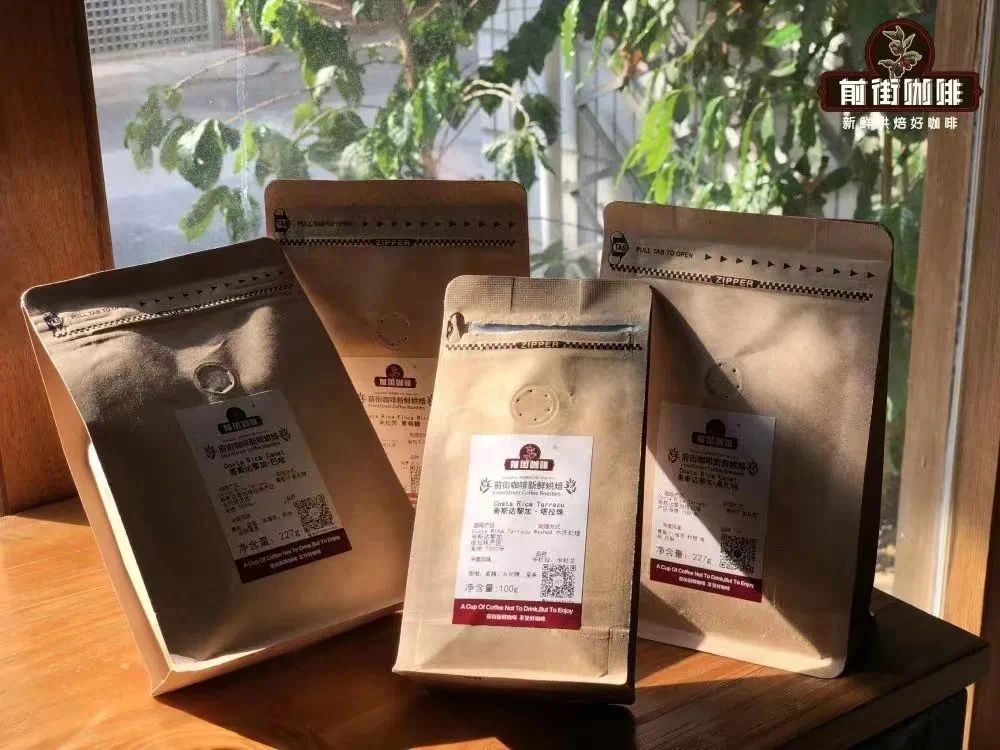
For opened coffee beans, proper storage methods can effectively slow down flavor loss. Many professional roasting packages come with a “one-way degassing valve,” designed to allow carbon dioxide released from the beans to escape through the valve while preventing external oxygen from flowing back in. After each use, make sure to tightly seal the bag and gently press out excess air inside to reduce oxygen concentration and further maintain freshness. Additionally, store the beans away from direct sunlight and high temperatures—choose a cool, dry place at room temperature.
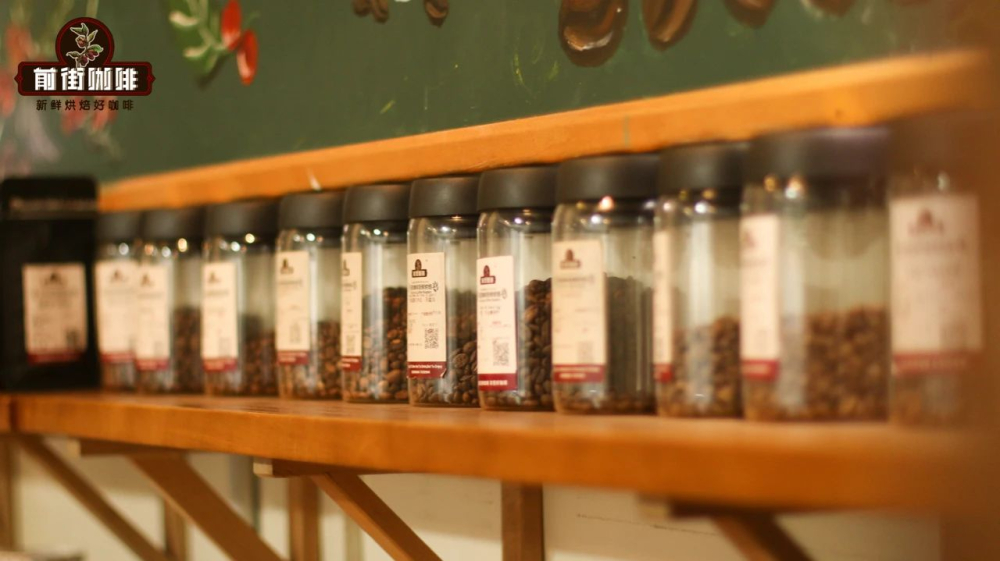
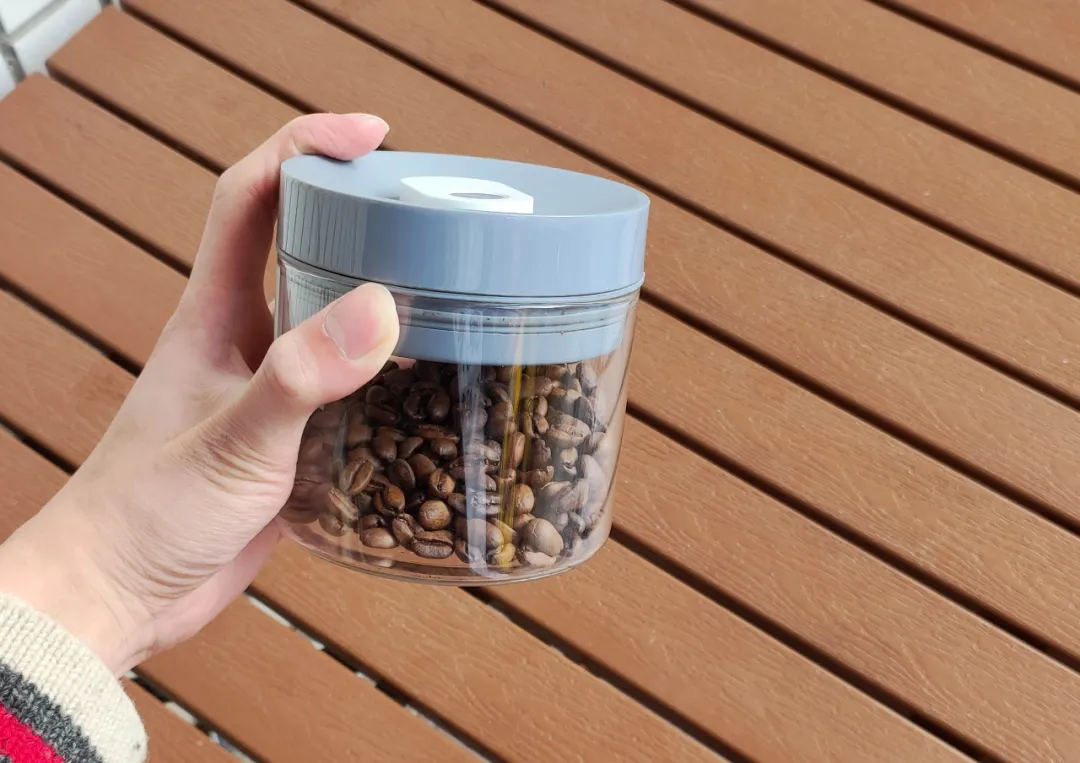
If you prefer to store beans in a sealed jar, pay special attention to the jar material and usage habits. Most sealed jars are made of transparent plastic or glass, which can heat up due to light exposure, accelerating oxidation. Moreover, each time the jar is opened, a large amount of air is introduced, speeding up aroma dissipation. It is recommended to divide beans into smaller portions, reduce frequent opening, and prioritize containers made of non-transparent materials to minimize light damage.
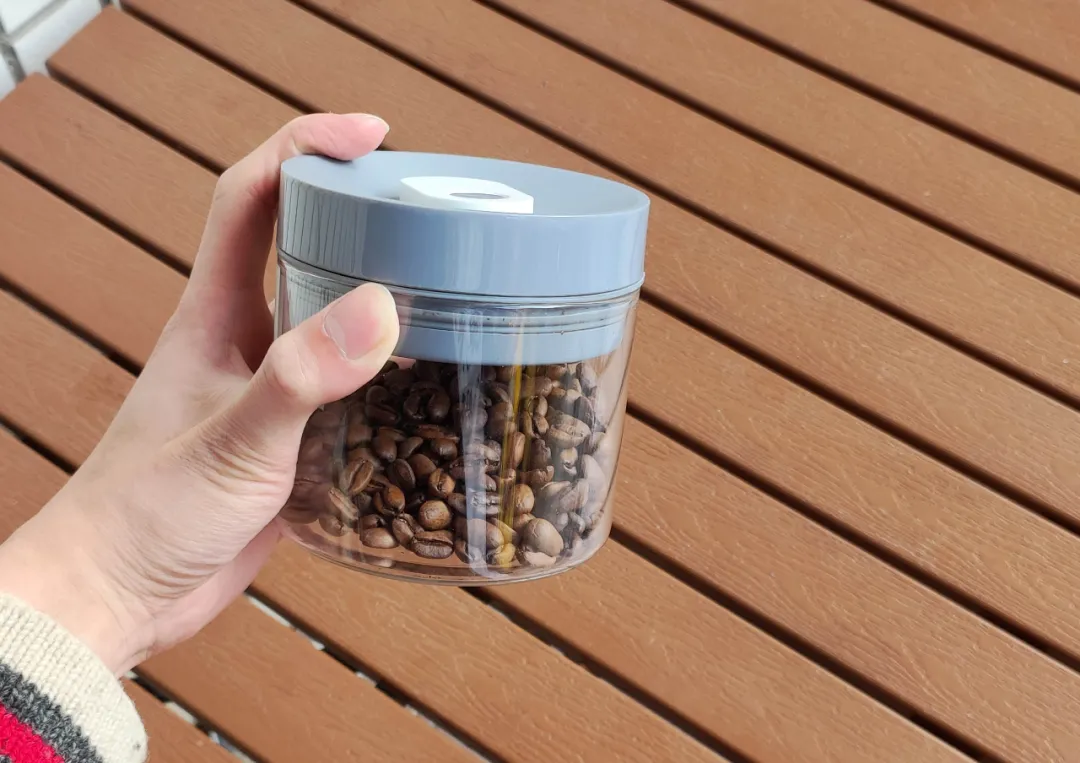
Vacuum-sealed jars can remove internal air and reduce oxidation rates, but they are also often transparent, and each operation alters the pressure inside the jar. When air is extracted to create a low-pressure environment, but the internal pressure generated by the roasted beans remains unchanged, it may actually accelerate the loss of volatile aromatic compounds. Therefore, unless necessary, it is better to continue using the original packaging with its one-way valve and combine it with a good storage environment—achieving both convenience and effective flavor preservation.
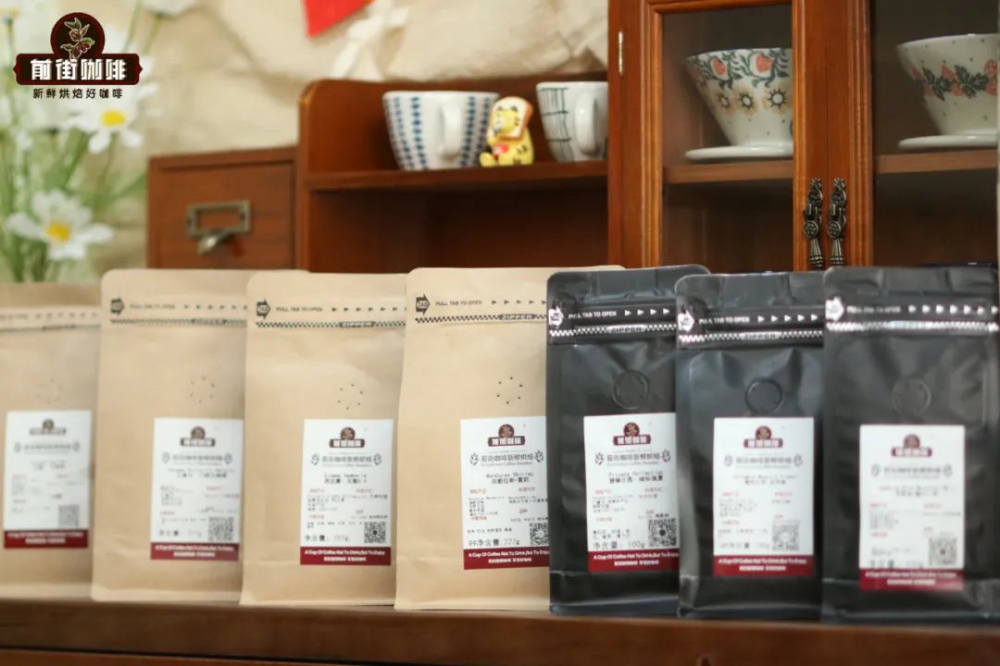
In summary,the optimal flavor window for coffee beans is within one month after roasting. It is recommended to purchase an appropriate amount based on your consumption rate and prioritize quantities you can enjoy promptly,. No matter which storage method you choose, always avoid light, control humidity, and minimize oxygen exposure to ensure every cup of coffee showcases its fullest and most captivating flavor. If you opt to grind your beans, be sure to use them as soon as possible and pay attention to storage conditions, so you don’t miss out on coffee’s most enchanting aromatic moments.
The above content is compiled by CoffeeHunters, a coffee news website.

