








Introduction:Many coffee enthusiasts wonder whether coffee beans should be stored in the refrigerator, especially whether freezing can extend their freshness. This article delves into the principles of freezing coffee beans, applicable scenarios, and practical considerations to help you master the best storage methods, avoid common mistakes, and ensure a fresh flavor with every brew.
"Recently, I noticed a topic in the discussion group"Many coffee lovers were discussing: 'How do you store your coffee beans?' Some answered directly: 'In the fridge!' There were even claims that many so-called coffee experts also store their beans in the refrigerator. But won’t this cause the beans to absorb moisture? Others argued back: 'The fridge is dry though!' So, should you really freeze your coffee beans? Let’s get to the bottom of it.

First, we need to clarify one thing:Why do some people choose to freeze their coffee beans?
The main purpose of freezing is toslow down the oxidation and flavor loss of coffee beans.This practice is usually applied in commercial roasting scenarios, especially after large-scale roasting, to maintain the quality stability of the beans over a long period. Studies show that attemperatures between -18°C and -21°C,the flavor compounds in coffee beans can be better 'locked in', typically maintaininga relatively fresh statefor 2 to 3 months.
However, it’s important to note that even if the flavors are preserved, frozen coffee beans can only maintain what is called a 'pseudo-freshness'. That is, compared to the flavors within a few days after roasting, there will still be a certain gap. The optimal flavor performance is still within4 to 30 daysafter roasting.
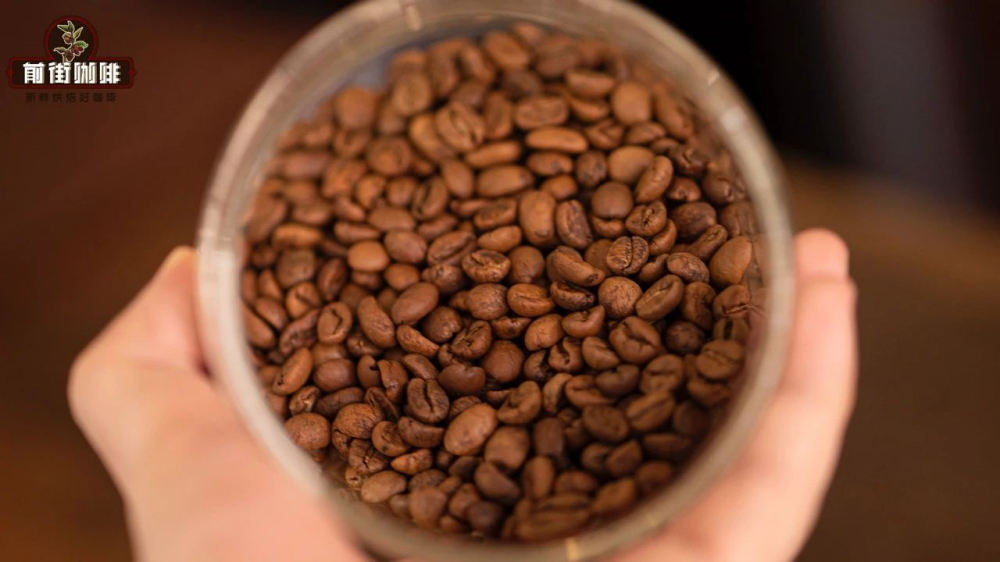
So why can’t you enjoy the beans right after roasting? Because freshly roasted coffee beans release a large amount of carbon dioxide and have a noticeable smoky taste. This period is called the 'resting period' or 'degassing phase', which typically startsfrom the 4th day after roastingwhen the beans slowly release CO₂ and smoky flavors through the one-way degassing valve on the packaging. This is also why we recommend letting newly purchased coffee beans rest for a few days before brewing.
However, the roasting degree and process vary for each bean variety, so the resting time may differ slightly.Four days is just a basic recommended minimum..
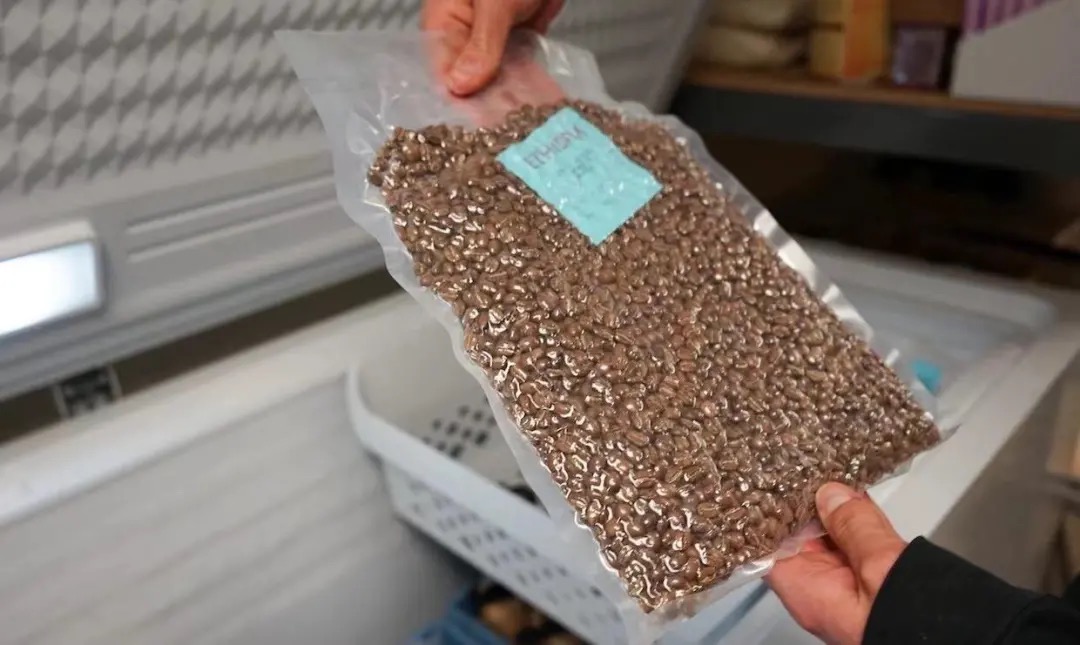
Next, let’s see why those so-called 'coffee gurus' choose to freeze their coffee beans?
One reason they freeze beans is toimprove the uniformity of grinding.In a frozen state, coffee beans become more brittle, and the internal oils solidify, allowing for more consistent particle size during grinding and reducing the occurrence of overly coarse or fine grounds. This is especially important for pour over enthusiasts aiming for precise extraction.

But be aware, this mustbe done immediately after taking the beans outand never after thawing. Once the beans return to room temperature, condensation will form on the surface due to the temperature difference, which not only affects the grind but also alters the flavor during extraction. Additionally, since the coffee grounds are cooler, it’s advisable to slightly adjust the water temperature during brewing to compensate for the temperature difference.
However, for everyday users, there’s really no need to freeze beans just for the sake of grind uniformity. This method requires very quick action because even a short time at room temperature will cause frozen beans to start forming condensation. If you find your home-ground coffee powder uneven, a more practical solution is to upgrade your grinder or use a fine mesh sieve to filter out excess fines, which can also improve extraction quality.
So, if you still want to try freezing, how should you do it correctly?
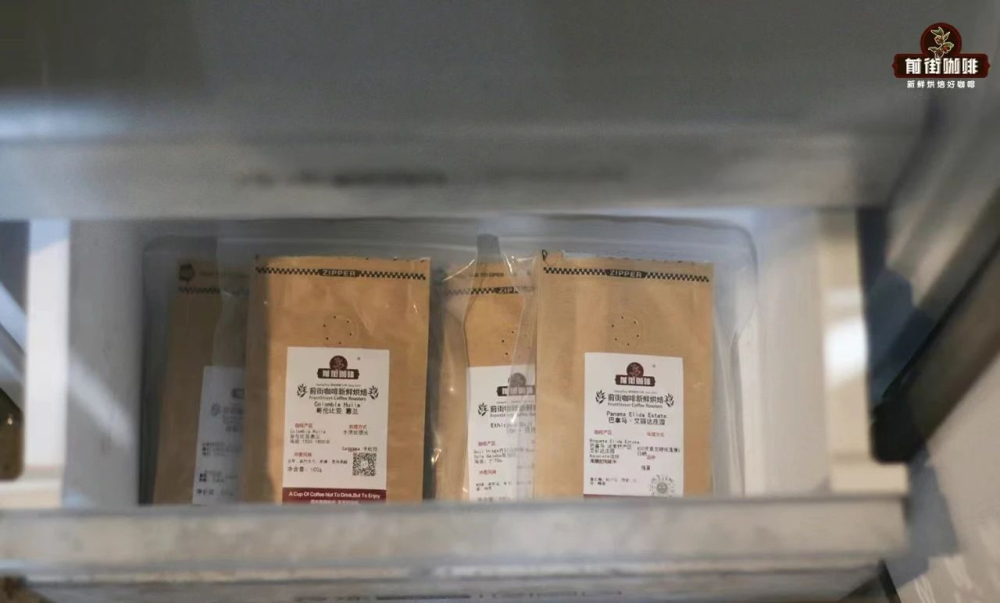
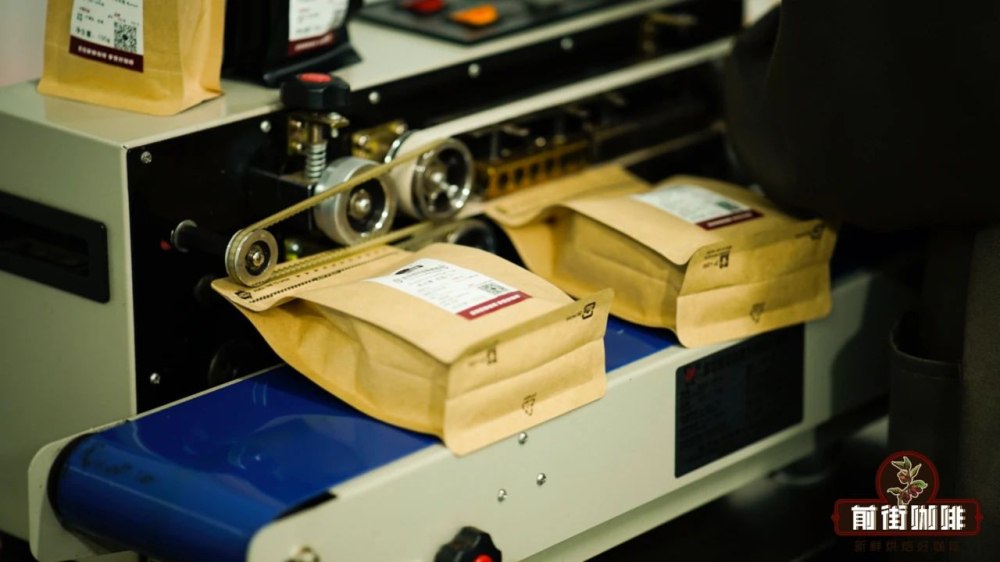
First, after roasting, the coffee beans should be placed inresealable, portioned bags,and the air inside should be removed using a vacuum sealer to ensure an oxygen-free environment, then stored inan environment between -18°C and -21°C.Here’s a special note:Once frozen beans are thawed, they must never be refrozen,as this will accelerate flavor degradation and oxidation.
Also,never place unsealed original packaging beans directly into the fridge’s chilled compartment.If the packaging isn’t fully sealed, odors from various foods in the fridge can easily seep in, and coffee beans are highly absorbent of external smells, which can result in your brewed coffee having strange off-flavors, greatly compromising the drinking experience.
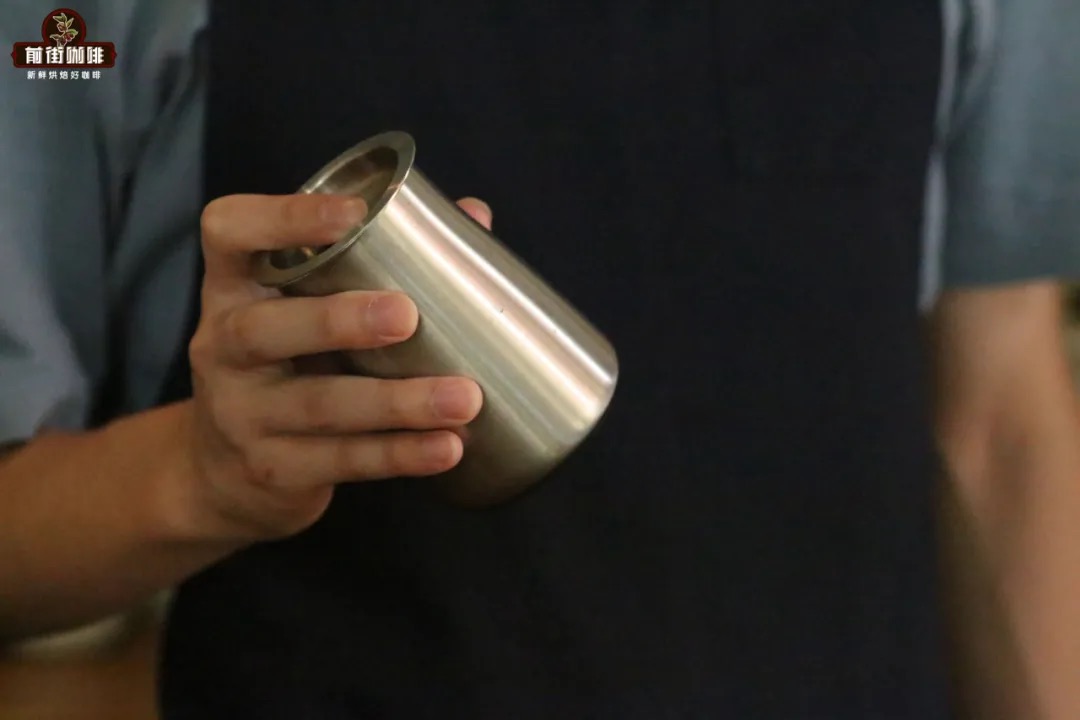
When it comes to everyday storage, the most practical advice is:try to avoid buying too many coffee beans at once,and follow the principle of 'buy after finishing' to ensure each brew is at its peak flavor stage. If you really need to store them, keep the beans in acool, dry, and darkplace, as heat and humidity will accelerate flavor loss.
If you continue to use the original packaging for storage, remember to tighten the seal on the bag, as most authentic coffee bags come with a one-way degassing valve that allows gas to escape but not enter. If possible, further use avacuum-sealed containerfor storage, which will yield even better results.
The above content is compiled by CoffeeHunters, a coffee news website.

