







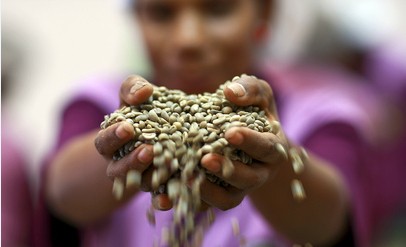
Introduction:The storage of green coffee beans from origin to the consumer’s cup is crucial. This article delves into the characteristics of various green coffee packaging methods, including the differences between jute bags, vacuum packaging, and grain-pro bags, and explains the ideal temperature and humidity conditions for storage, shelf life, as well as the pros and cons of freezing. Whether you’re a coffee roaster, an amateur enthusiast, or a consumer with high standards for specialty coffee quality, you’ll gain practical knowledge to help maintain the optimal flavor of green beans.
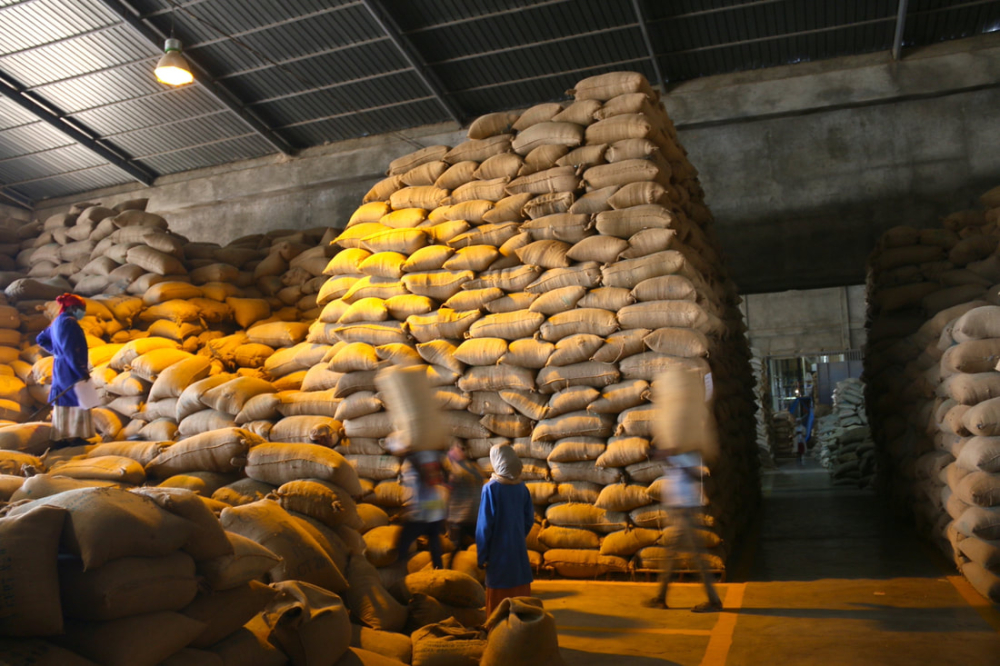
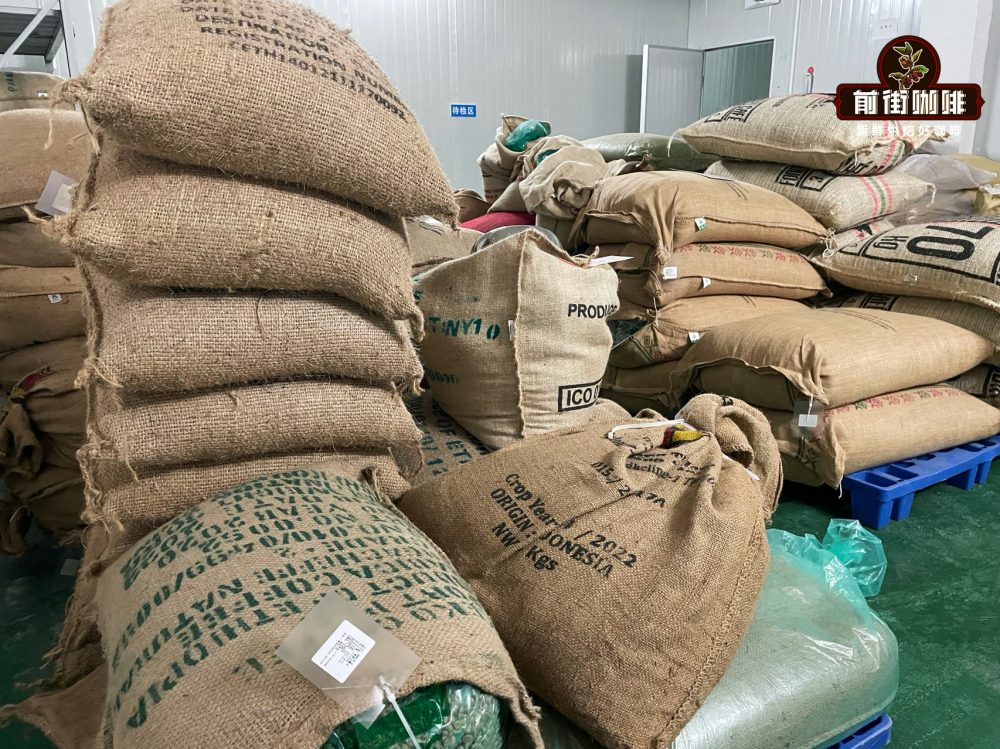
For many years, green coffee beans were commonly packed in jute sacks and shipped by container, often taking months to reach roasters. During this long period of transportation and storage, if the surrounding environment was not properly controlled, it could easily lead to degradation in bean quality. Even when some roasters attempted cupping to evaluate the flavors of the beans at origin, the final samples often arrived having already lost their original characteristics due to poor shipping conditions.
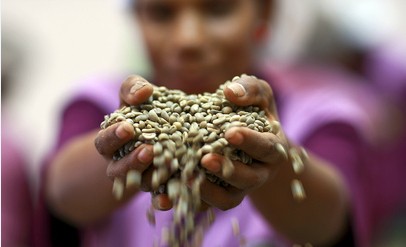
In the past decade or so, an increasing number of small-scale roasters who prioritize quality have begun to change their approach. They collaborate directly with farmers at origin, participate in cupping and grading, and adopt faster and safer shipping methods paired with specially designed packaging—all aimed at preserving the freshness and original flavors of the green beans. Although such packaging is more costly, as the value of the specialty coffee market rises, this investment has become relatively justified.
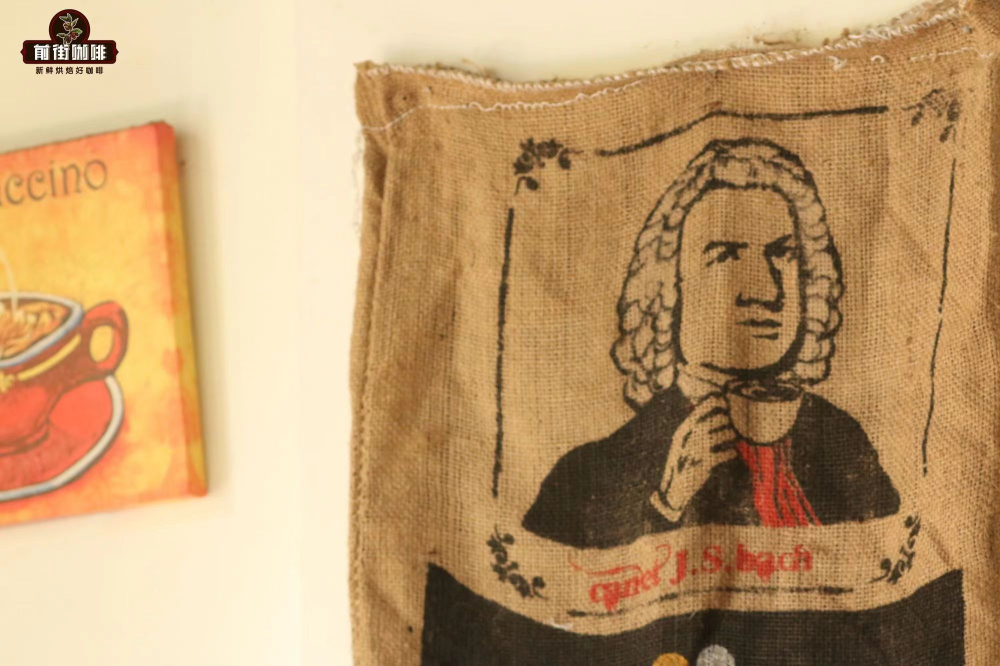
Currently, the market offers a variety of common green coffee packaging formats, each with its own advantages and disadvantages. Among them, jute bags are arguably the most common and economical option.Jute material is a renewable resource, low in cost, and does not require any special equipment to handle. However,jute bags cannot effectively block moisture and odors, making the beans susceptible to environmental influences during transport and storage, which can lead to flavor loss or spoilage.
If the best preservation effect is desired, vacuum packaging is the top choice. This method completely isolates moisture, oxygen, and odors,effectively slowing down the respiration and oxidation processes of the beans, thereby significantly reducing the rate of aging. However, before vacuum packaging, the water activity of the green beans must be strictly controlled to prevent mold or microbial growth.The cost of vacuum packaging is approximately $0.15–$0.25 per pound (about €0.45–€0.75 per kilogram), and it requires specialized equipment and techniques, with a longer processing time. As a result, not all businesses adopt it, especially smaller roasters who need to weigh the costs and efficiency.
Another common and cost-effective option is the grain-pro bag (also called a sealed multi-layer bag). Compared to jute bags,grain-pro bags offer longer protection, slightly less than vacuum packaging but significantly better than traditional jute packaging. This type of packaging is relatively affordable,costing about $0.05–$0.10 per pound (approximately €0.15–€0.30 per kilogram), and has a lower barrier to entry, making it the preferred choice for many roasters who care about quality but have budget constraints. Likewise, the moisture status of the beans should also be considered before storage to avoid mold risks.
For specific needs, some roasters opt for frozen storage, placing the green beans in vacuum bags and storing them in environments below 0°C (32°F). This method can greatly extend the shelf life of the beans’ flavor. According to practical tests,five-year-old green beans stored frozen can have a freshness of flavor comparable to beans stored for just one month. While this technology can preserve the ultimate original flavors, it involves refrigeration equipment and energy costs, and market acceptance is still limited. Therefore, currently only a few businesses use it, mostly for the long-term storage of so-called “vintage coffee beans.” In hot regions, however, frozen storage can be an effective strategy to prevent damage from high temperatures.
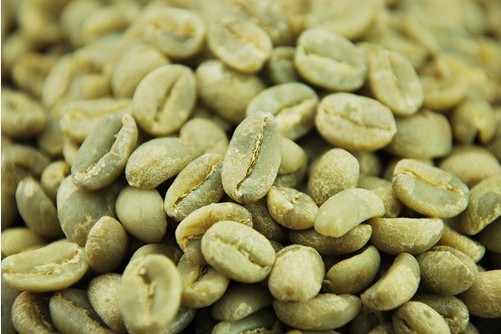
No matter which packaging and storage method you choose, maintaining a stable storage environment is essential. The warehouse should avoid extreme heat or humidity, and it is not recommended to place the green beans directly on the ground (as temperatures near the floor may be higher) or next to roasting equipment (where residual heat may affect them). Proper placement and environmental control can effectively reduce unnecessary flavor loss.
In recent years, the concept of “seasonal coffee beans” has gradually gained attention. Although the industry has not yet fully unified the definition of “seasonal,” most professionals agree that as long as the green beans still exhibit bright acidity, vibrant flavors, and show no obvious signs of being “stale,” they can be considered high-quality current-season beans. Professional green coffee buyer Ryan Brown once said: “We emphasize seasonality because we care about coffee quality. As long as the cup is vibrant, with clear acidity and none of the characteristics of old beans, it’s a good current-season bean.” This perspective also reminds us that when selecting and storing green beans, timeliness and freshness are equally important.
The above content is compiled by CoffeeHunters, a coffee news website.

