







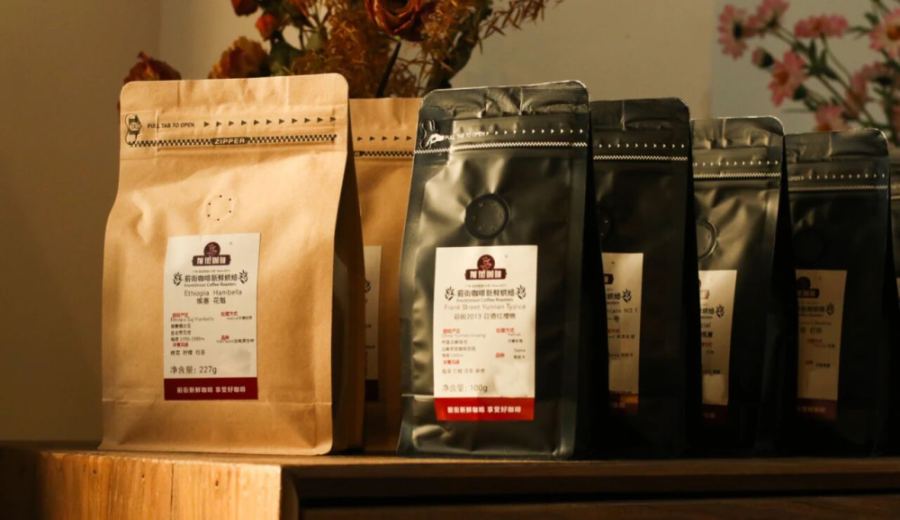
Introduction:If you’re a fan of pour over coffee, have you ever been deeply captivated by the tropical fruit aromas emitted by a particular coffee bean? This article delves into the sources of fruity notes in coffee, exploring everything from variety and origin to processing methods to help you understand why some beans can exhibit such vibrant fruit characteristics. We’ve also handpicked several single-origin beans with prominent fruity profiles to help you find the flavor combination that suits your palate.
The reason coffee boasts such a rich array of fruit flavors lies in its content of various aromatic compounds similar to those found in fruits, including esters, ketones, and alcohols—such as fatty acids, terpenes, and amino acids. These components exist in a stable form even at the green bean stage.
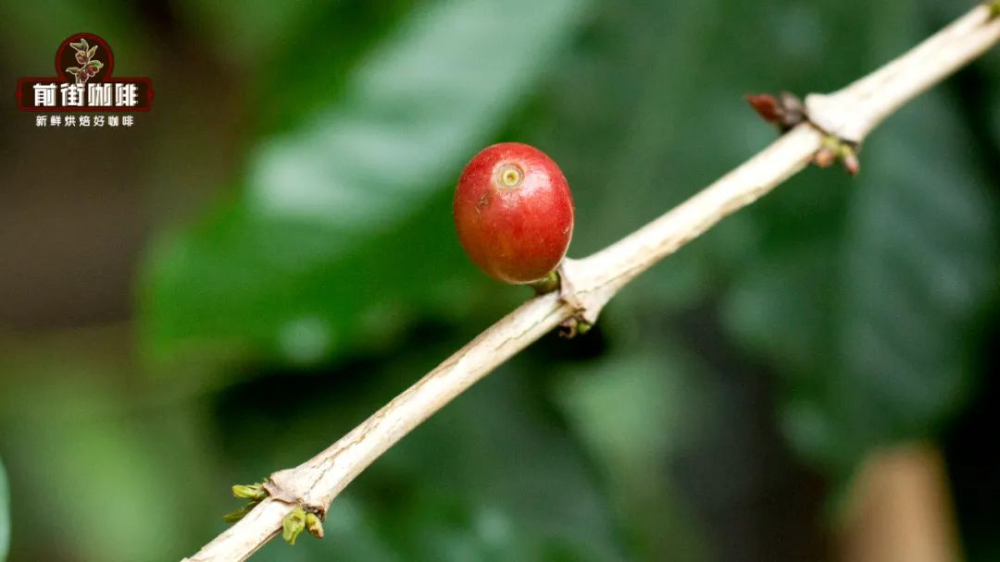
However, these latent fruity potentials need to be fully unlocked through the roasting process. As green beans are heated, Maillard reactions and caramelization gradually take place, generating a large number of volatile aromatic substances within. When specific compounds accumulate to a certain concentration, they release sensations of either bold, mellow, or vibrant fruitiness, awakening our deep memories of tropical fruits.
Based on practical cupping experience, citrus, passion fruit, mango, pineapple (pineapple), guava, jackfruit, grape, peach, blueberry, strawberry, and apple are among the more common and easily identifiable fruit notes in coffee. These fruity notes are not limited to specific regions or varieties—many beans from high-altitude areas in Africa and Central and South America often exhibit complex and captivating fruit characteristics.
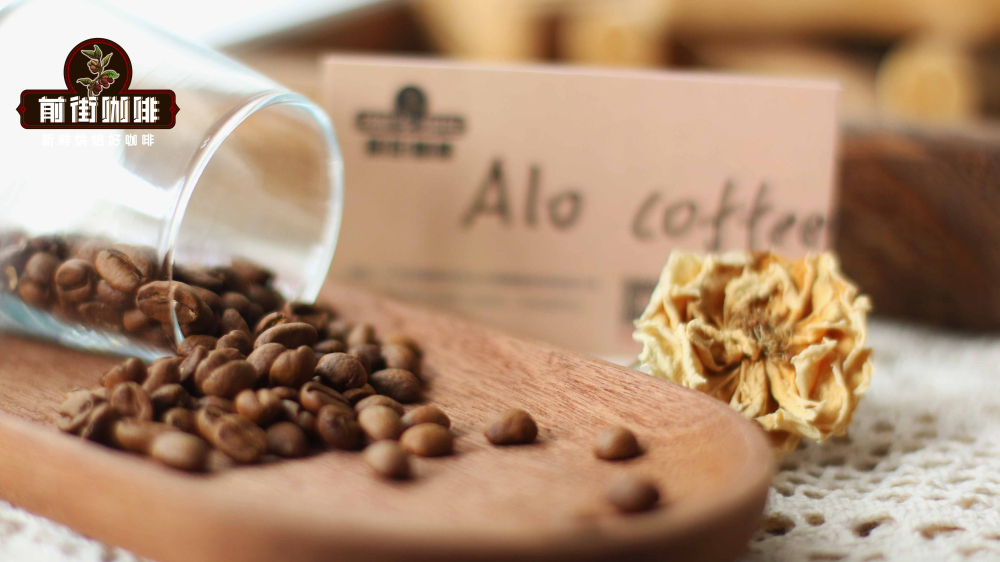
Below, we’ve compiled a few pour over single-origin beans that excel in fruity expression for your reference:
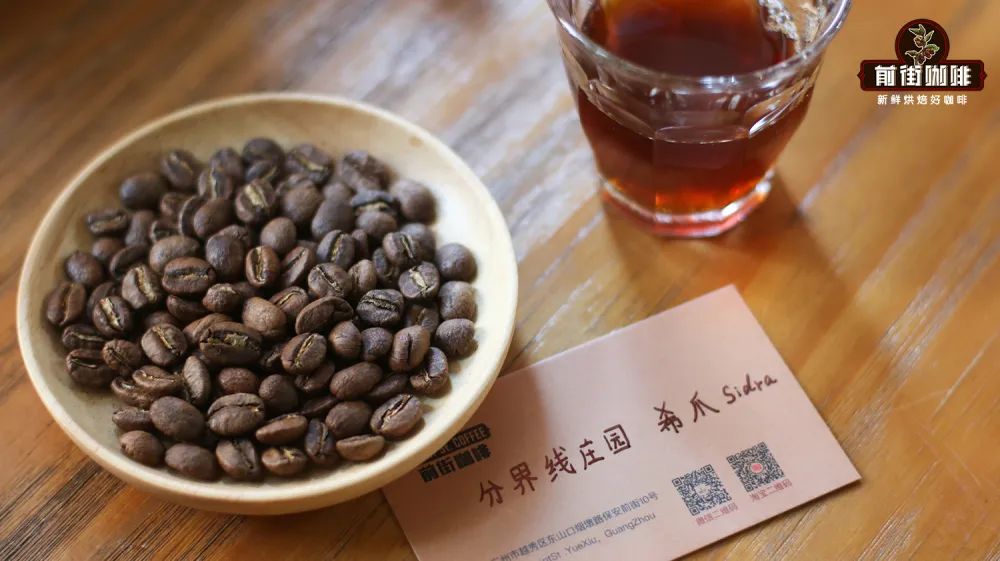
First up is the Sidamo Alo variety, which has a distinct flavor profile featuring rich, ripe mango notes, layered with the freshness of guava, magnolia, and citrus.

The Xiazha and Dabuzi beans showcase unique purplish-pink floral notes. In particular, Xiazha often presents multiple fruit sensations such as passion fruit, grape, and apricot, while Dabuzi exhibits blackcurrant juice and spice tones, with a relatively intense flavor direction.
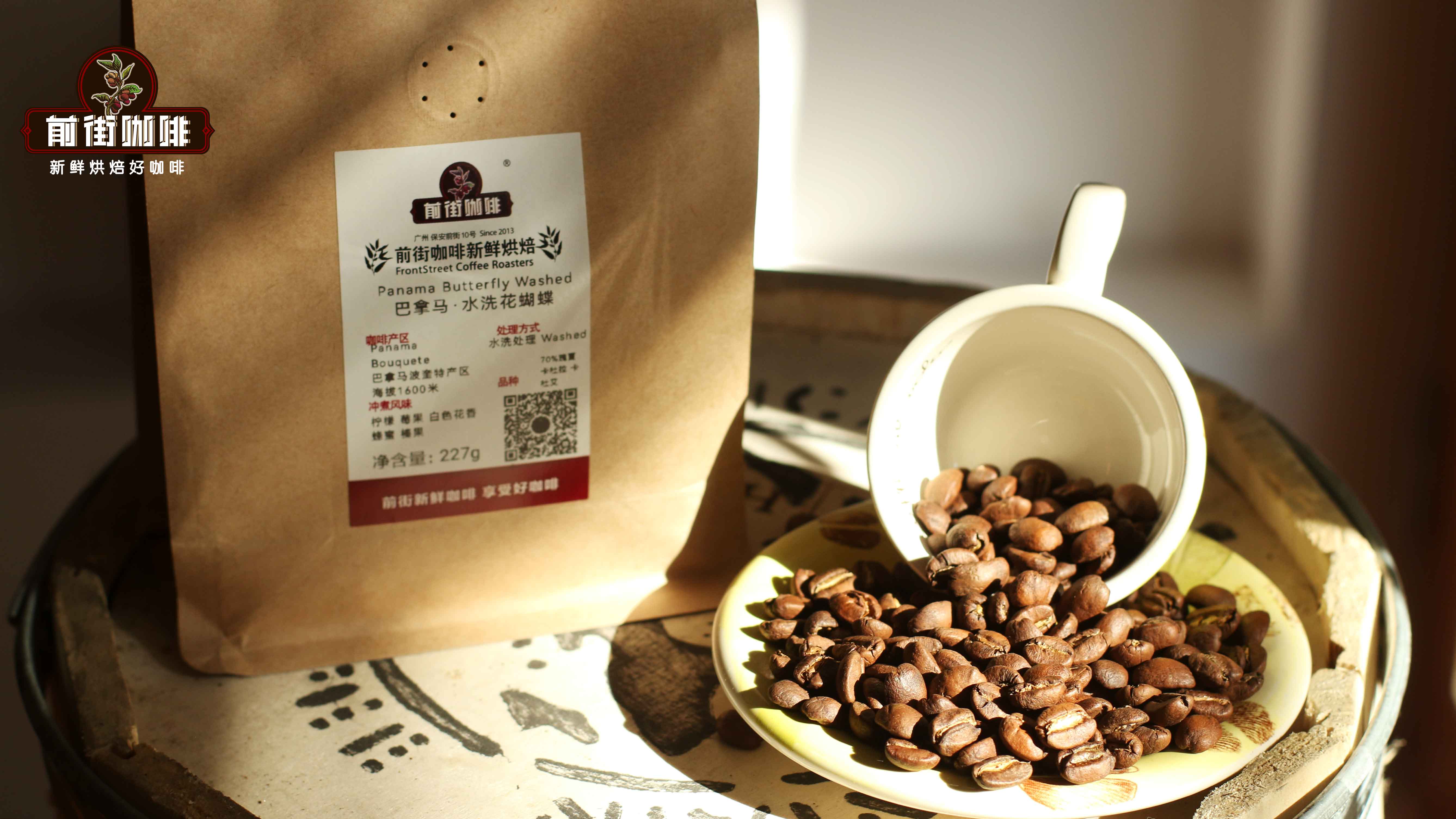
Huadie (Butterfly Flower) and Guodingding both possess soft white floral notes, delivering an overall light-bodied profile complemented by citrus, orange, and tea-like qualities—ideal for those who prefer a refreshing taste.
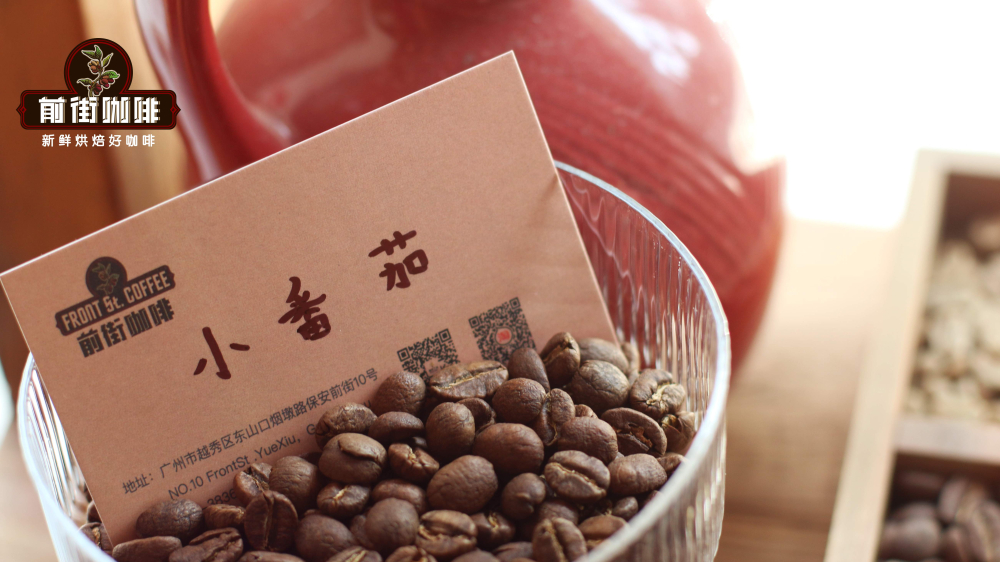
The Kenyan “Little Tomato” beans feature intense floral notes; upon tasting, you can perceive the juicy acidity of cherry tomatoes, dark plums, pears, and black plums, with layers of complexity.
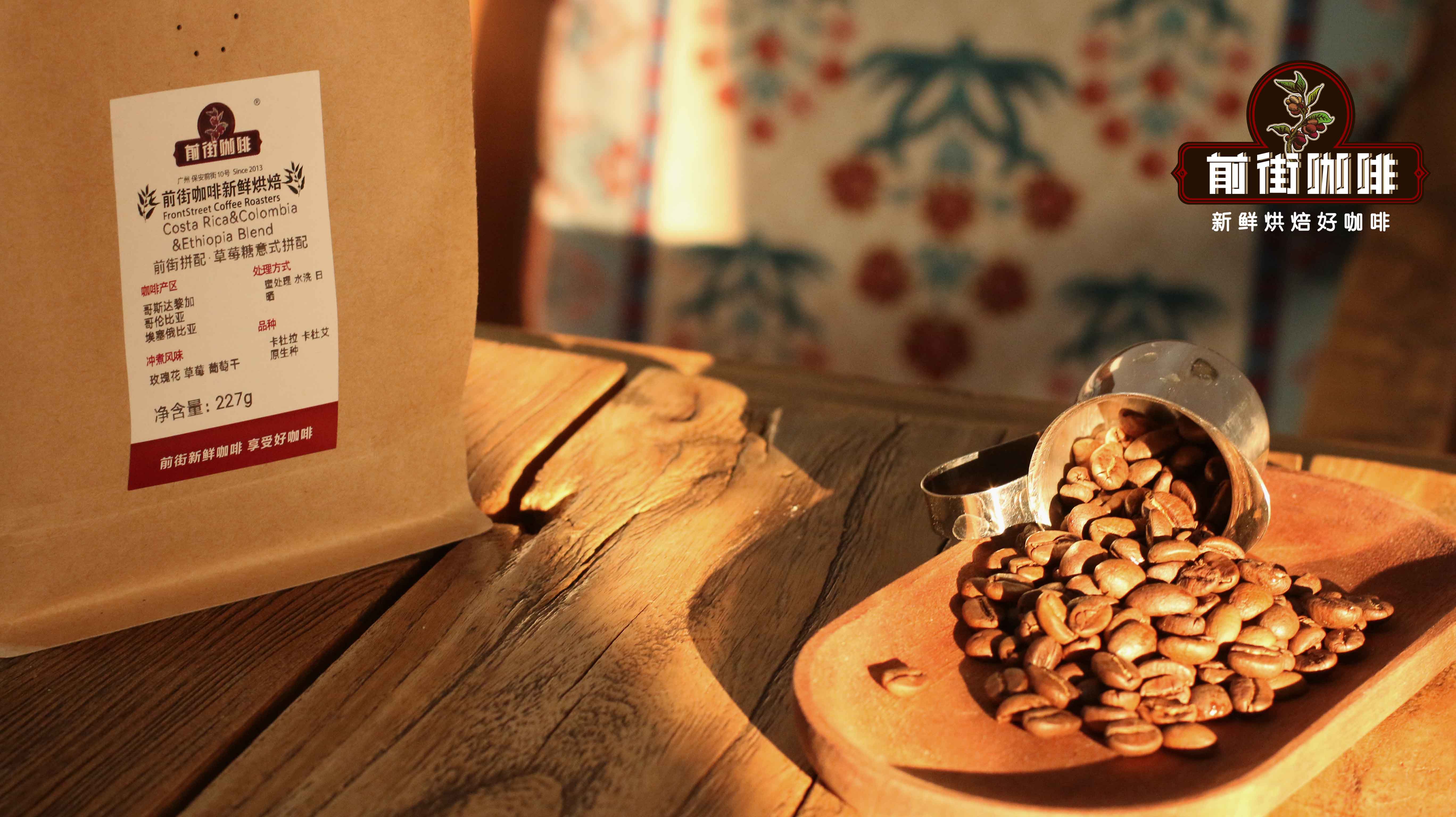
Strawberry Candy is based on an elegant rose floral note, combined with the sweetness of grape, strawberry jam, candied fruit, and sweet orange—perfect for coffee lovers who enjoy fruity-sweet profiles.
The formation of these fruity flavors is not only closely related to variety and origin, but processing methods also play a key role. For example, natural (sun-dried) and honey processing methods can preserve more of the fruity traits brought about by fermentation with the fruit pulp, further enhancing the expressiveness of the final flavor.
If you’re new to pour over coffee, it’s recommended to start with fruit-forward beans roasted to medium or light levels, using a medium-fine grind and water temperature of 90–93°C. Employing a multi-pour extraction method allows for a clearer capture of their delicate fruity notes and nuanced flavor shifts. Remember, each bean has its optimal flavor window—taste attentively, and you’ll discover your own coffee flavor map.
The above content is compiled by CoffeeHunters, a coffee news website.

