







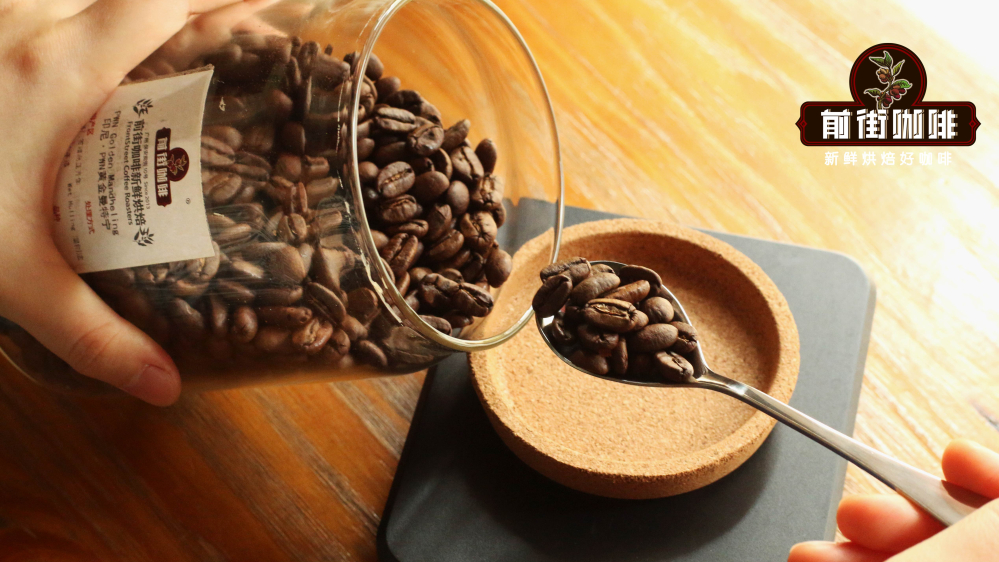
Introduction:The freshness of coffee beans is key to determining the flavor of a pour over cup. From the moment roasting is complete to the time you brew and sip, every step can influence the final taste. This article delves into the three major “flavor killers” that affect coffee bean quality—light & heat, moisture, and oxygen—and provides professional-grade storage solutions. These include the correct use of one-way degassing valve packaging, the advantages of vacuum-sealed containers, and why it’s not recommended to store coffee beans in the fridge. We also clearly explain the difference between a coffee bean’s peak flavor period and its shelf life, helping coffee enthusiasts pinpoint the golden window for optimal enjoyment.
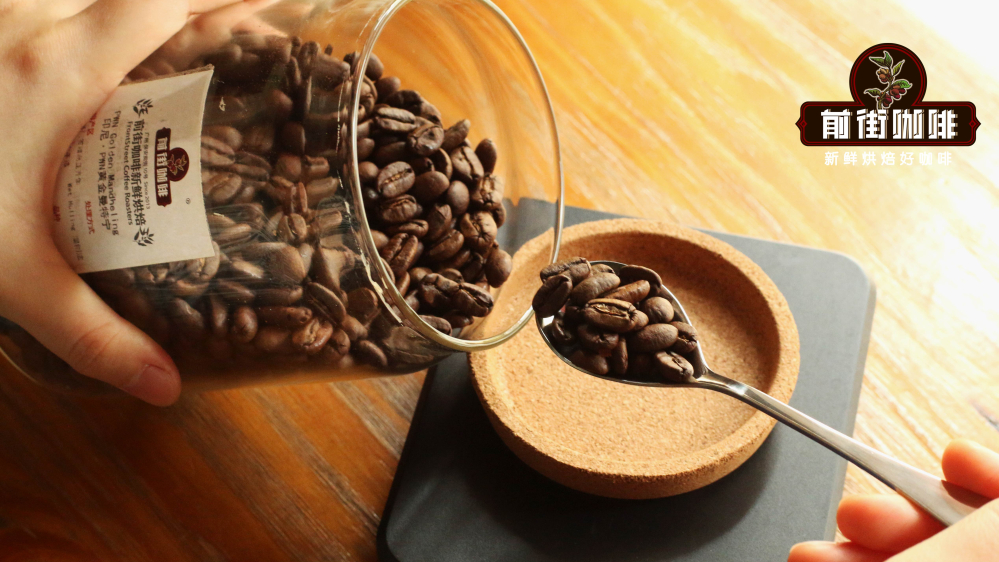
How you store your coffee beans directly impacts their flavor expression, and this is even more crucial for pour over, where refined taste is pursued. Whether it's unroasted green beans or roasted single-origin beans, different storage strategies should be adopted based on their characteristics. Green beans must primarily be protected from mold and pests caused by humid environments, while roasted beans need to defend against oxidation triggered by humidity fluctuations, temperature changes, and exposure to oxygen.
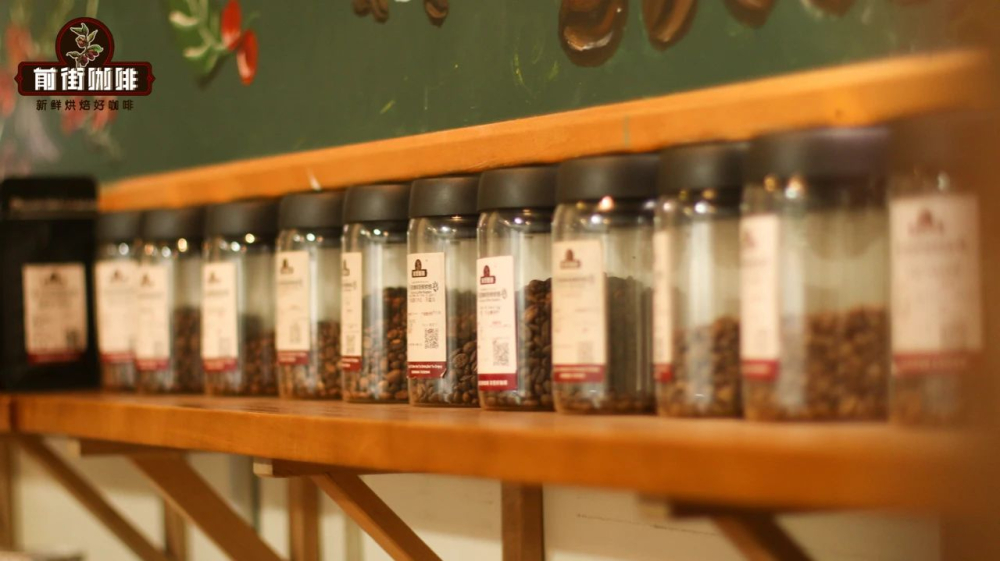
To maintain roasted coffee beans at their best, you first need to understand the three major flavor killers:Light and Heat,Environmental Humidity, andOxygen Exposure. These factors accelerate the evaporation or deterioration of aromatic compounds in the beans, leading to insufficient aroma or off-flavors during brewing.
First and foremost are the threats posed by light and heat. Direct sunlight generates heat that causes volatile aromatic compounds in coffee beans to dissipate rapidly, so beans should be kept out of direct sunlight. It’s worth noting that even if the inner layer of the packaging uses reflective aluminum foil, it can only reduce the impact of light, not completely block heat transfer. It’s recommended to store coffee away from high-temperature areas such as kitchen stoves or heating devices.
Environmental humidity is another important variable. Even when using sealed containers, long-term exposure to a humid environment can lead to moisture seepage, causing the beans to absorb excess water. Moist beans are not only prone to mold and unpleasant odors, but can also alter the original flavor balance. Therefore, it's advised to keep the relative humidity of the storage environment below 50%, and to choose cool, dry cabinets or storage rooms whenever possible.
While oxygen exposure can’t be entirely avoided, its impact can be delayed by reducing contact time. After each time you open the bag to take out beans, you should quickly reseal the remaining beans to prevent ongoing exposure to oxygen in the air. Oxidation gradually breaks down the oils and aromatic compounds in the beans, leading to a steady decline in flavor.
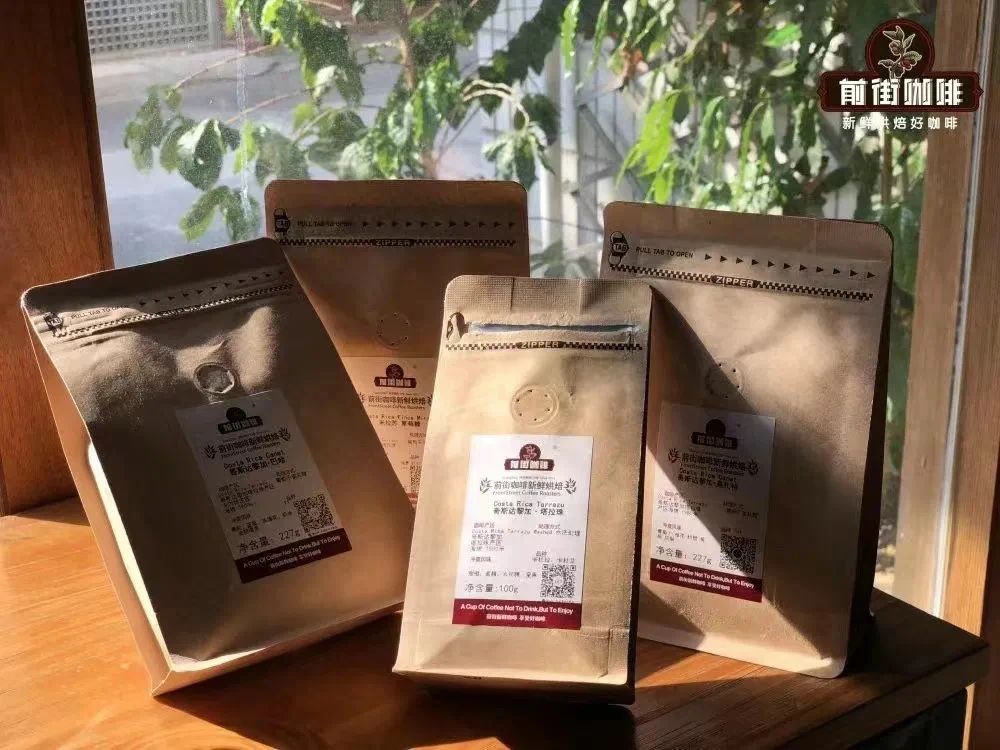
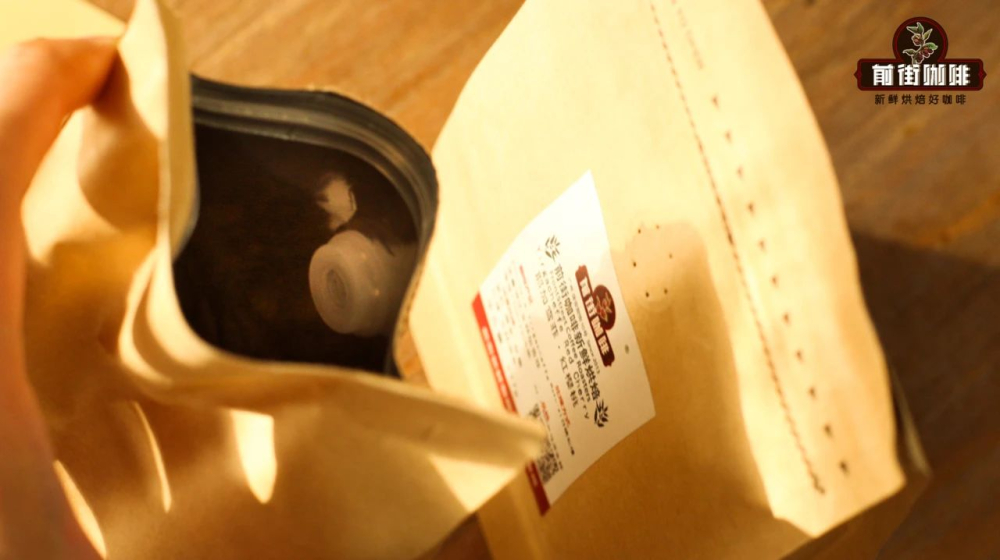
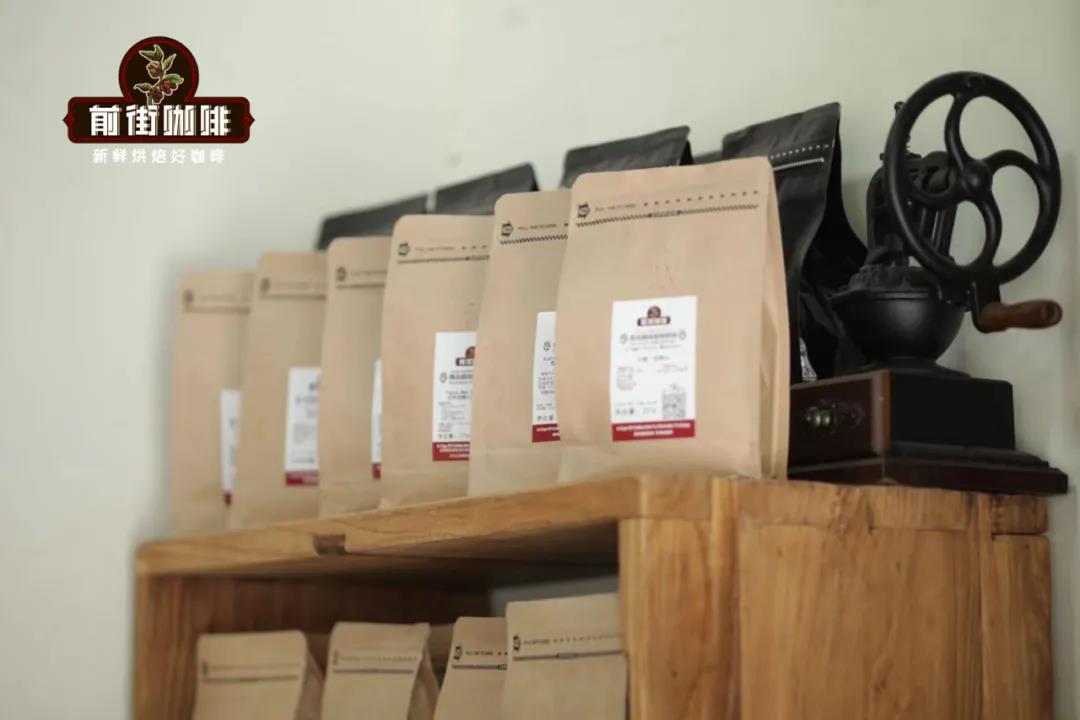
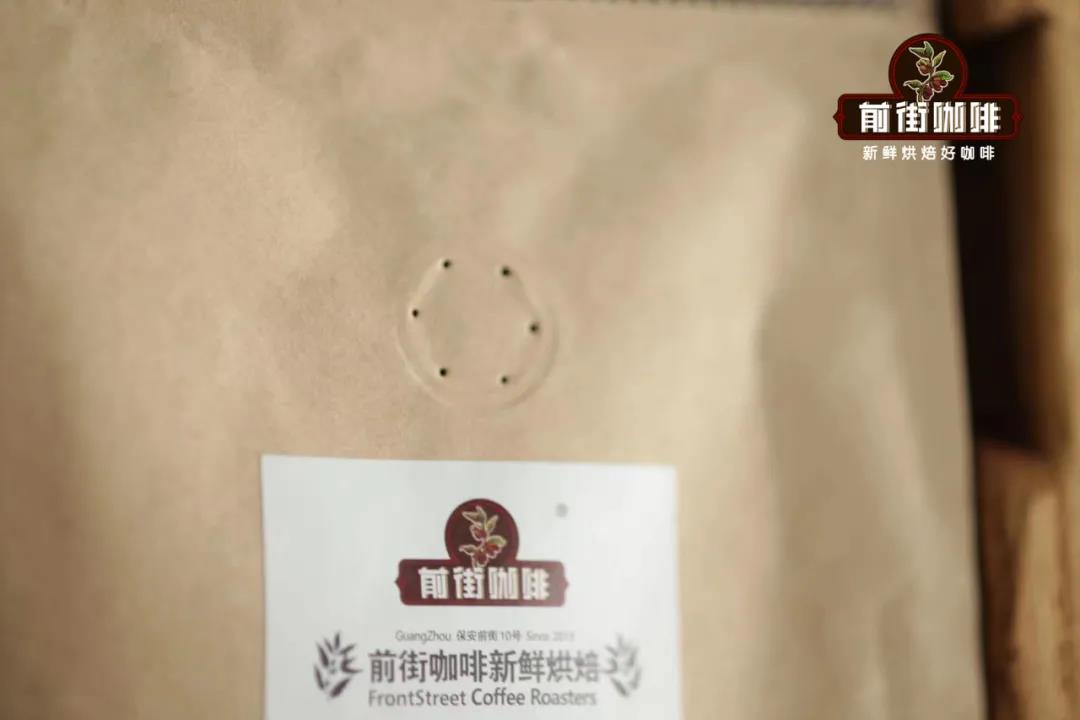
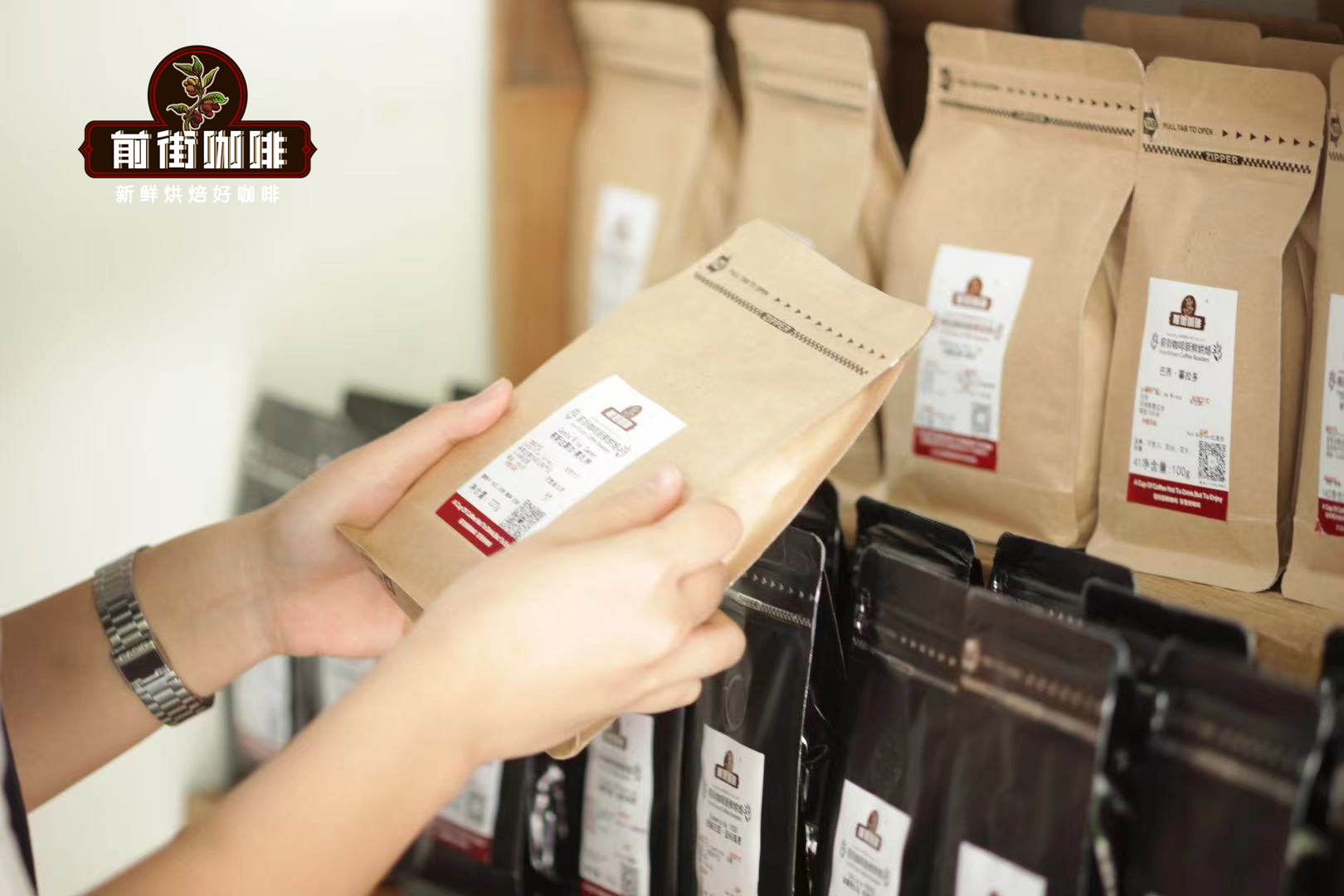
When it comes to choosing storage tools, aluminum foil composite bags with one-way degassing valves are the most common solution. This type of packaging allows carbon dioxide produced during the roasting process to escape outward, while using a pressure differential principle to prevent external air from entering. When using these, ensure the valve is facing upwards and the seal is tightly pressed. If the original packaging has been opened, you can transfer the beans to a sealed container for continued storage.
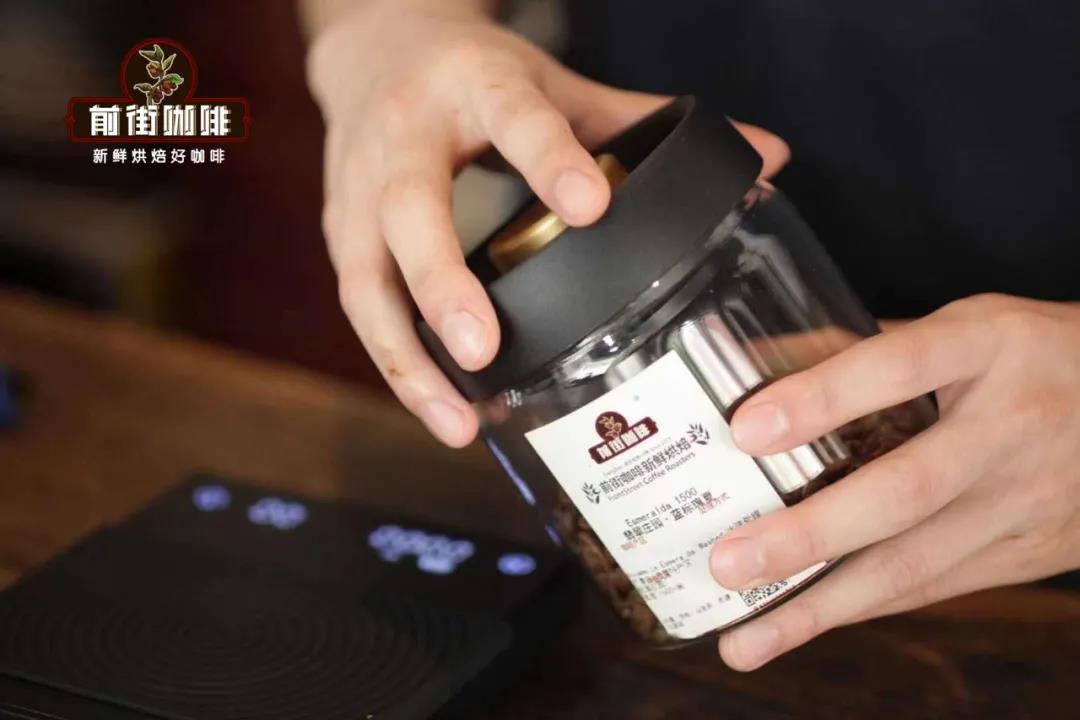
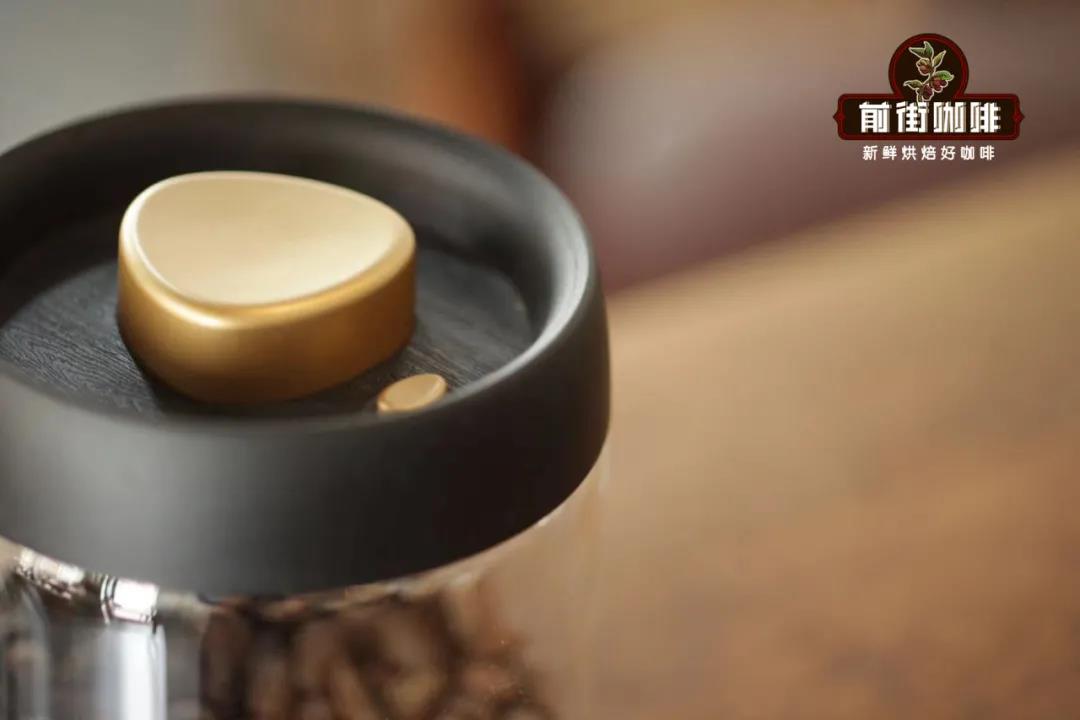
A more advanced option is to use vacuum-sealed jars, which remove air from the container by pressing an exhaust button to create a low-pressure environment. Although carbon dioxide released by the beans will still remain inside the jar, the low-oxygen state can effectively slow down the loss of flavor. Such containers are especially suitable for storing pre-ground coffee, but it’s important to regularly check the seal’s performance.
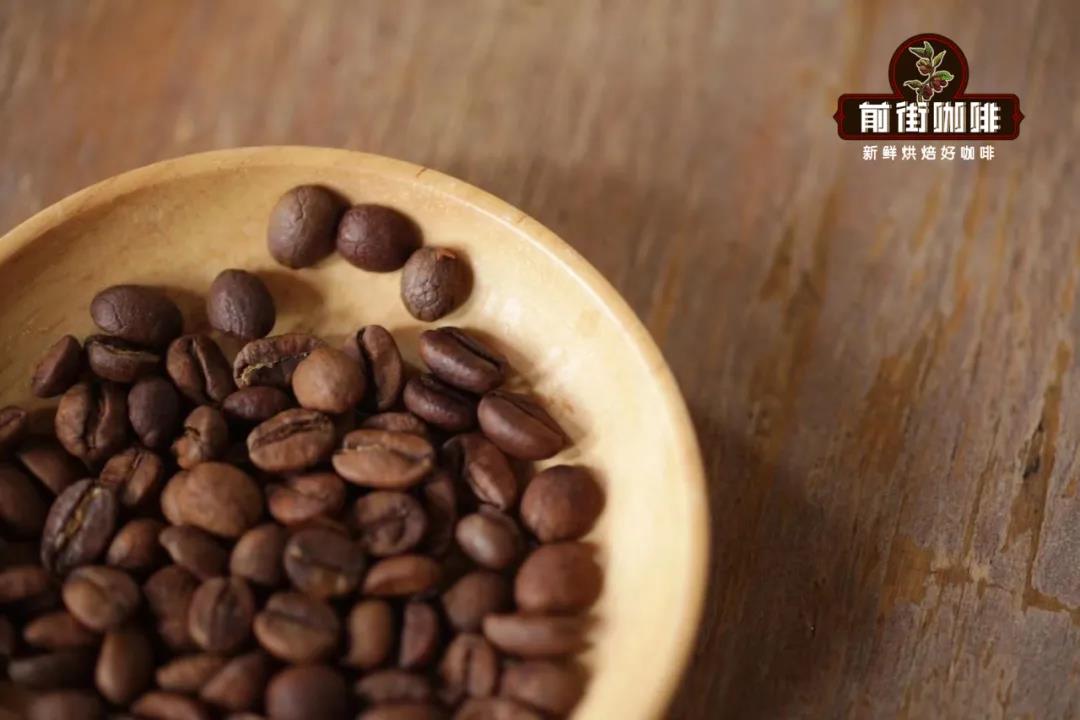
Regarding the shelf life of coffee beans, it’s important to distinguish between “best flavor period” and “safe shelf life.” Freshly roasted coffee beans typically require 2–3 days for degassing, after which they enter the flavor development phase. The optimal drinking window is usually around4 to 30 days after roasting, when acidity, sweetness, and body reach an ideal balance. After 30 days, although the beans are still safe to drink, their aroma intensity and complexity will noticeably diminish. If stored properly in a sealed condition, roasted beans can theoretically last up toone year, but their flavor will inevitably decline over time.
As for whether you should store coffee beans in the fridge? The answer is no. The drastic temperature difference between a refrigerated environment and room temperature can cause condensation to form on the surface of the beans. These tiny droplets can not only lead to uneven clumping during grinding—impacting extraction efficiency—but may also seep into the grinder, causing rust on burrs or breeding bacteria. If refrigeration is absolutely necessary for some reason, make sure to seal the beans in a moisture-proof container first, and allow them to return to room temperature before grinding.
For daily use, it’s recommended to follow the principle of “small amounts, multiple times”—purchase a suitable quantity of coffee beans based on your consumption frequency, and prioritize using the batches you’ve opened first. As for beans whose flavors have noticeably faded, you might consider grinding them into coarse particles and placing them in corners of the fridge or shoe cabinets. Their charcoal-like properties can help absorb odors, putting them to good use until the end.
The above content is compiled by CoffeeHunters, a coffee news website.

