







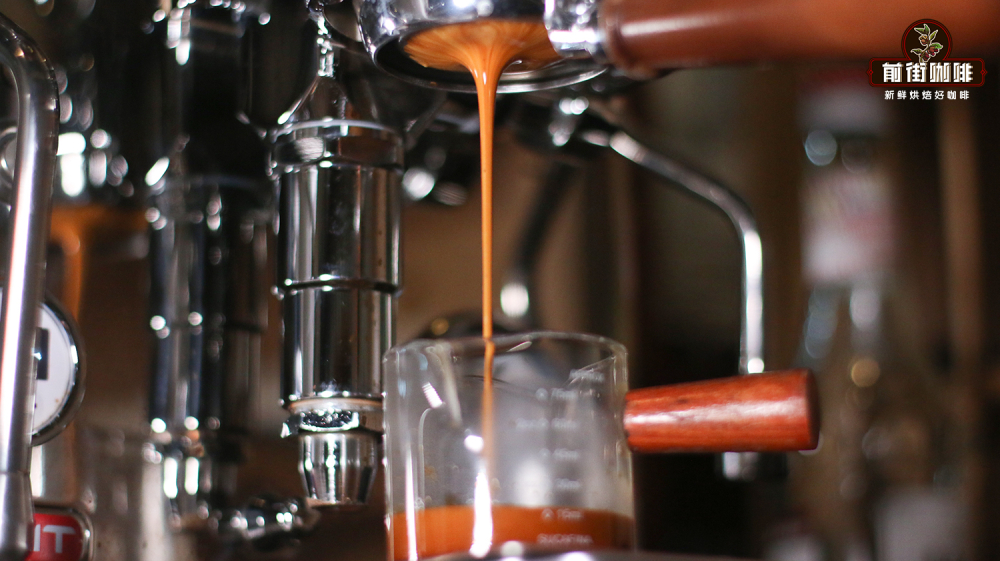
Introduction:Gain an in-depth understanding of the core principles behind making espresso, and master the key settings for coffee-to-water ratio, grind size, and extraction time. This article provides a detailed breakdown of espresso extraction parameters, flavor characteristics, and common adjustment techniques to help you precisely control the quality of every shot. Whether you're a beginner or a professional barista, you'll find practical guidance here.
Italy is hailed as the birthplace of coffee culture, and espresso is the very essence of that culture. Known for its intense flavor, rich body, and short brewing time, it serves as the foundation for many coffee beverages. However, crafting the perfect shot of espresso requires precise control over multiple parameters, including grind size, water temperature, pressure, extraction time, and coffee-to-water ratio—each of which can significantly influence the final flavor.
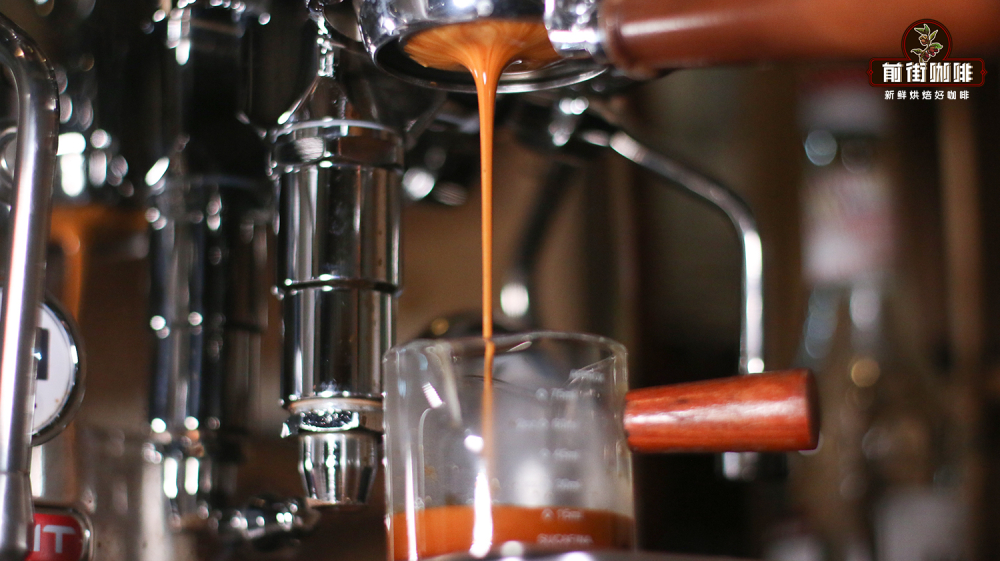
Among these parameters, the coffee-to-water ratio is the most critical. While there is no absolutely unified standard, the industry generally accepts a range between 1:1.5 and 1:2.5. This ratio refers to the weight of coffee grounds compared to the weight of the final extracted coffee liquid. Many professional shops use a 1:2 ratio—for example, using 20 grams of coffee grounds to extract 40 grams of espresso, striking a good balance between intensity and balance.
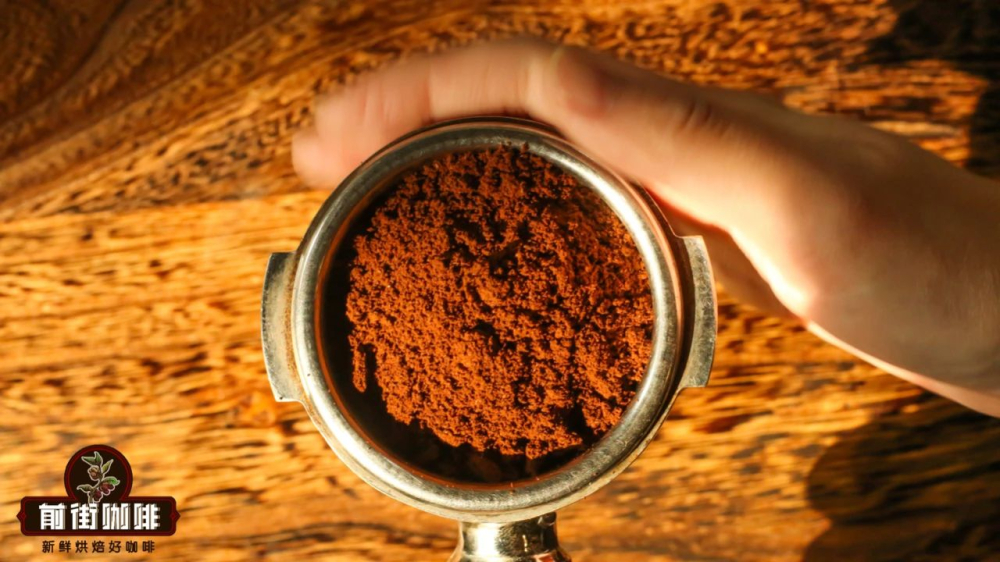
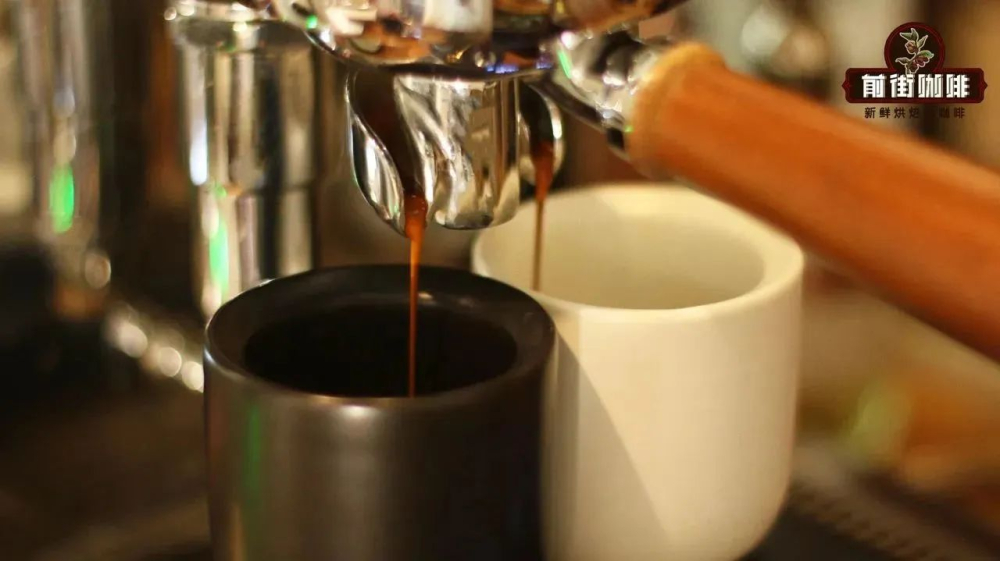
Specifically, the coffee-to-water ratio involves two core elements: the amount of coffee grounds used and the final weight of the extracted coffee liquid. A single shot of espresso typically uses about 8 to 9 grams of coffee grounds to produce 28 to 30 grams of liquid; a double shot uses 18 to 20 grams of grounds to yield 30 to 40 grams of liquid, usually completed within 25 to 30 seconds. In practice, baristas flexibly fine-tune these values based on the condition of the beans and extraction performance each day to achieve optimal flavor.
Adjusting the coffee dose not only affects the total weight of the extracted liquid but also directly relates to puck density and flow rate. More coffee results in a denser puck, slowing water flow and extending extraction time, thereby increasing concentration and extraction yield. Conversely, less coffee leads to a looser puck, faster flow, and potential under-extraction. Therefore, when adjusting dose, it's essential to simultaneously observe flow rate and flavor to find the best balance.

Grind size is another extremely important parameter. Since espresso extraction happens very quickly—usually just 25 to 30 seconds—it requires an extremely fine grind to fully extract the coffee’s aroma and flavors. This fine grind is much finer than that used for pour over, almost powder-like, so a professional espresso grinder is needed to ensure grind consistency.
If the grind is too coarse, water flows through too quickly, leading to under-extraction and a thin, overly acidic cup. If the grind is too fine, water flow is overly restricted, potentially causing over-extraction with noticeable bitterness and harshness. Additionally, because grind adjustments have a significant impact on extraction, it’s recommended to make only small changes at a time—such as adjusting the grind setting by 0.1 mm—and carefully observe changes in flow rate and flavor afterward.
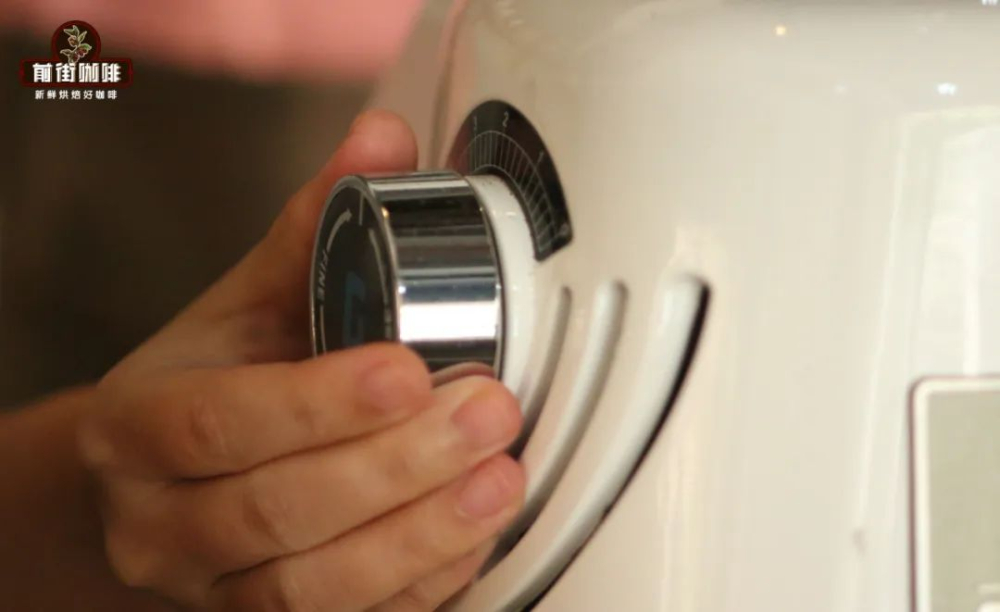
During actual extraction, water temperature and pressure are usually fixed parameters—for example, a common setup is 9-bar pressure and 94°C water temperature. Under these conditions, adjustments are mainly made by changing grind size, coffee dose, and liquid weight. For instance, if yesterday you used 19.8 grams of coffee to extract 38 grams of liquid in 29 seconds, but today the same dose finishes in just 26 seconds, it indicates faster flow and possible under-extraction.
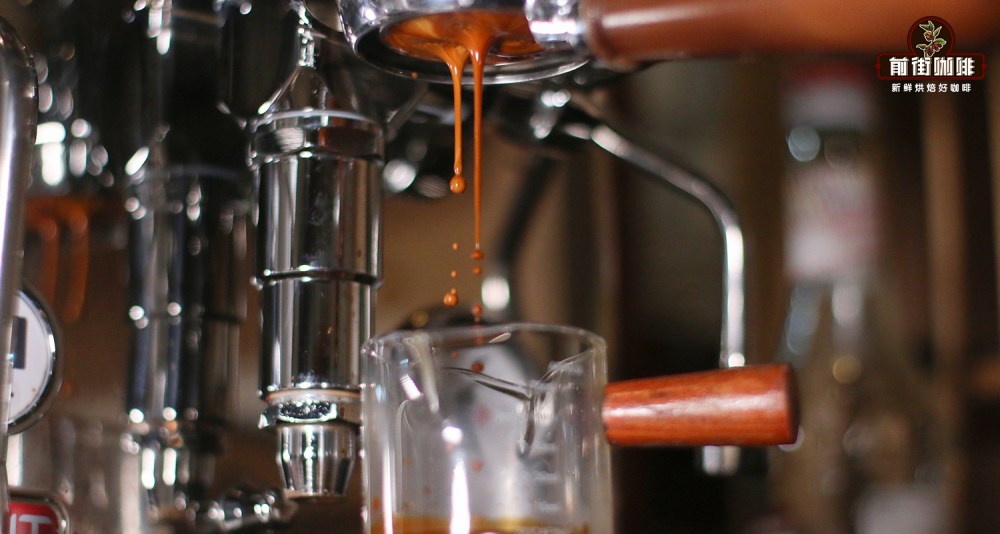
In this case, you can try gradually increasing the coffee dose—such as adding 0.1 gram at a time—until the flow rate becomes ideal. If the flavor remains flat even after increasing dose, you may need to further fine-tune the grind to be finer, extending extraction time and releasing more flavor compounds. On the other hand, if the flow is too slow, reduce the dose or make the grind coarser to avoid over-extraction and excessive bitterness.
It’s also important to note that espresso extraction is affected by environmental factors such as humidity and temperature, which can influence coffee absorption and flow rate. As a result, professional baristas often adjust parameters flexibly based on daily conditions rather than rigidly applying fixed recipes.

Additionally, the roast level of the coffee beans significantly impacts espresso extraction. Light roasts, due to their harder texture and poor water absorption, can lead to uneven extraction or channeling and are generally not suitable for espresso. In contrast, medium, medium-dark, and dark roasts, with higher density and richer oils, can better withstand high-pressure extraction and deliver complex layers and a rich, full-bodied taste.
For different flavor preferences, there are many classic espresso blends available on the market. For example, blends combining Brazilian and Colombian beans often feature aromas of nuts, dark chocolate, and caramel; while recipes blending Brazilian, Indonesian, and Vietnamese beans can showcase bold crema and a rich mouthfeel. There are also fruit-forward blends, such as those incorporating Ethiopian and Panamanian beans, delivering sweet, berry-like notes with bright acidity—ideal for those who enjoy fruity profiles.
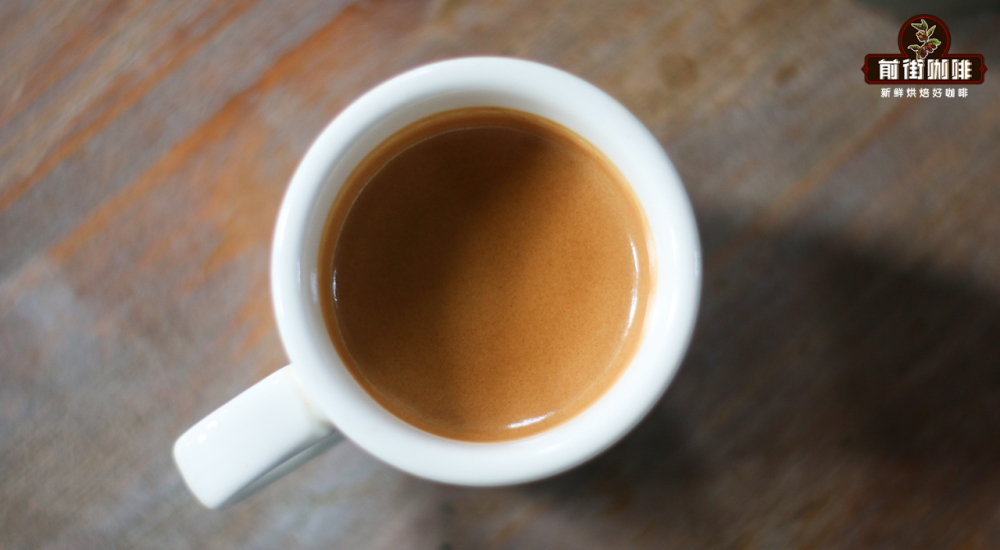
Combining all the above parameters and techniques, an ideal espresso should exhibit rich aromas of vanilla and cocoa, with a bright acidity reminiscent of berries and a full body upon entry. As the temperature drops, the creamy, silky texture and lingering notes of dark chocolate gradually emerge. This balanced and layered flavor profile is the very charm of espresso.
Using 20 grams of coffee and following a 1:2 ratio to extract 40 grams of liquid under 9-bar pressure, with an extraction time of around 30 seconds, will typically yield a standard, well-balanced shot of espresso. These parameters are not only suitable for drinking straight but also serve as an ideal base for classic coffee drinks like lattes and cappuccinos.
The above content is compiled by CoffeeHunters, a coffee news website.


