








Introduction:Want to brew a pour over coffee with distinct flavors and rich layers? Many coffee enthusiasts focus on achieving cleanliness and balance, but often overlook the importance of layering. This article will take you deep into the definition of coffee layering—from visual metaphors to real flavor expressions—and provide 6 practical brewing tips, including key parameters such as coffee bean selection, fine particle control, and pulse pouring, to help you easily brew specialty coffee with three-dimensional flavors.
When tasting coffee, we often pay attention to the balance of acidity, sweetness, bitterness, and saltiness, body, or aftertaste, but the concept of “layering” is less frequently discussed in depth. So what exactly is layering in coffee? Simply put, it’s when you can clearly identify multiple flavors in a single sip, and these flavors remain distinct from one another without interfering, presenting a richness similar to an orchestral performance.
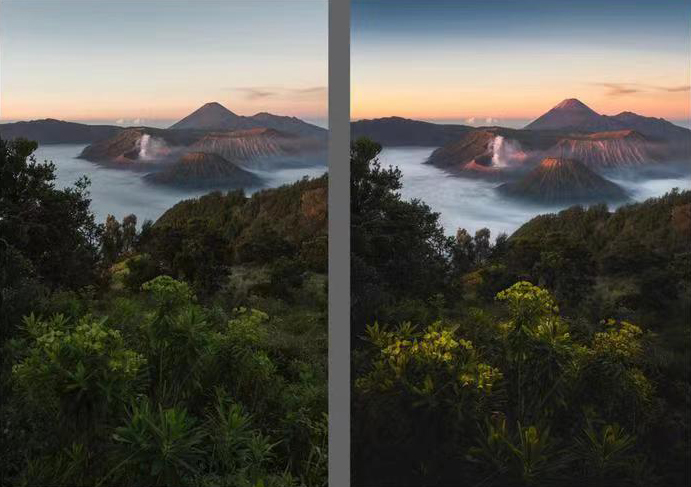
We can use a painting as a metaphor: when a landscape painting has clearly defined outlines and color transitions for distant mountains, nearby trees, and sky clouds—allowing you to distinguish each element at a glance—that painting has good layering. Likewise, a coffee with rich layering allows your taste buds and sense of smell to clearly perceive different flavor notes such as citrus acidity, honey sweetness, and green tea aroma, rather than all blending into a muddled whole.

For example, when you taste a high-quality Geisha coffee, the first sip might bring out bright citrus acidity, followed by a slow emergence of jasmine floral notes, then honey sweetness and a faint green tea freshness appearing in sequence. Each flavor is not only clear and identifiable, but also maintains its own individuality—this is what excellent layering looks like. In contrast, a coffee lacking layering may fall into two extremes: one is a single-note flavor that, while clean, is monotonous—for instance, certain Blue Mountain coffees that emphasize body and balance; the other is a coffee with many flavors but all jumbled together, like a spilled palette of paint with no clarity.
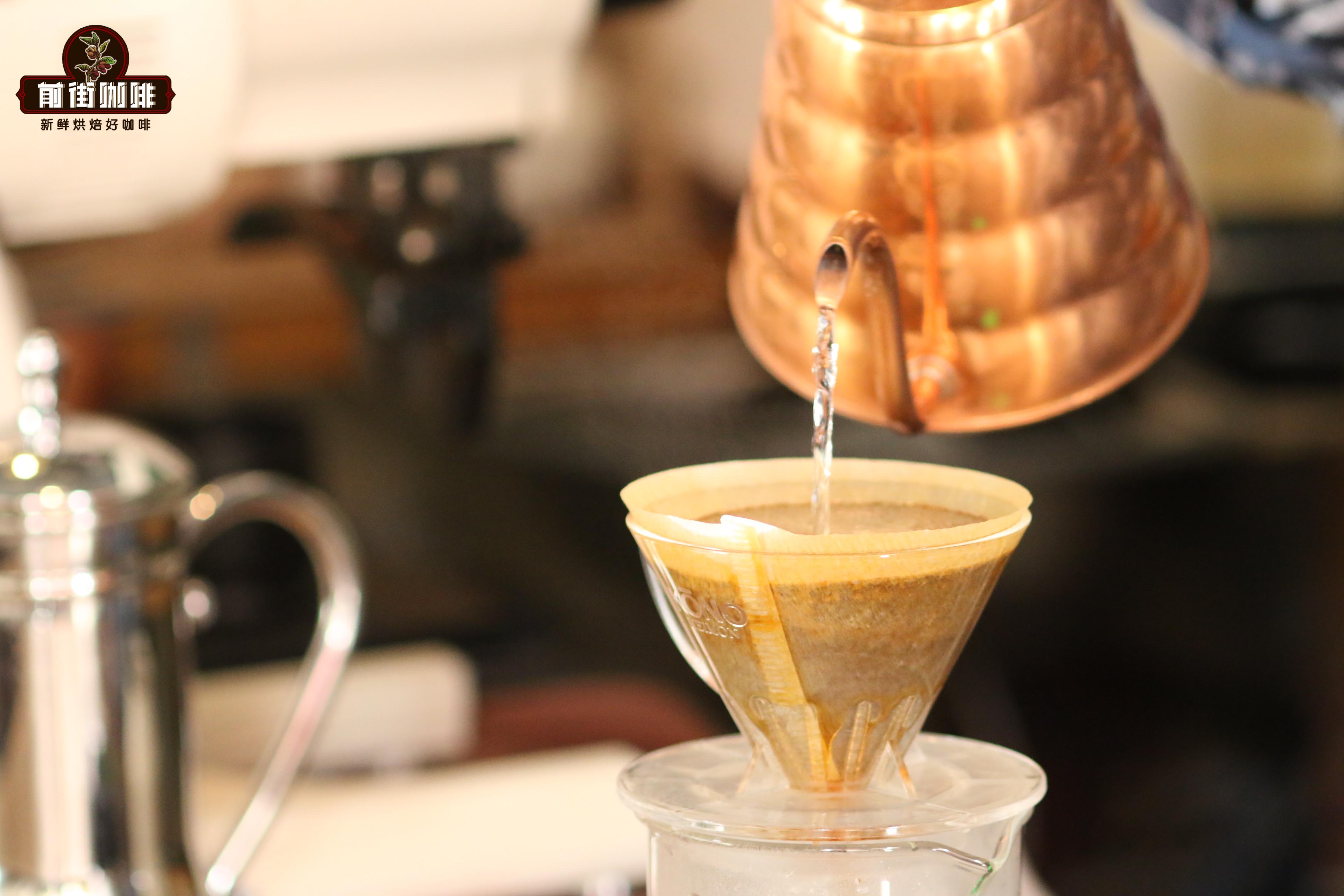
The main cause of muddled flavors is usually improper brewing parameters. To improve this, you can try the following six proven techniques:
1. Prioritize high-altitude coffee beans
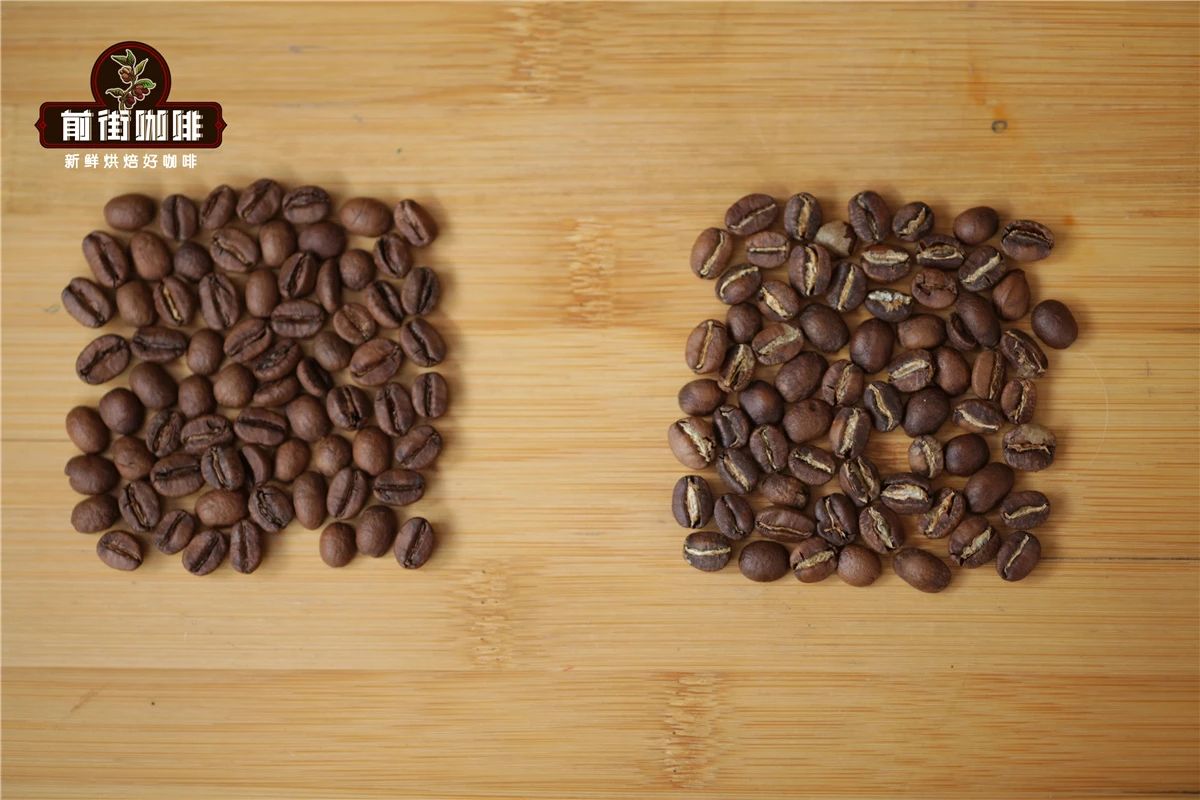
For every 100 meters increase in altitude, the growth rate of coffee cherries slows down, and the density of the beans increases, allowing them to store more flavor compounds. Experimental data shows that coffee beans grown at altitudes above 1500 meters typically contain 30%–50% more aromatic compounds compared to low-altitude varieties. Additionally, the large day-night temperature differences in high-altitude regions promote more complex fermentation reactions in the coffee beans, naturally creating richer flavor layers.
2. Retain an appropriate amount of fine particles (about 5% ratio)
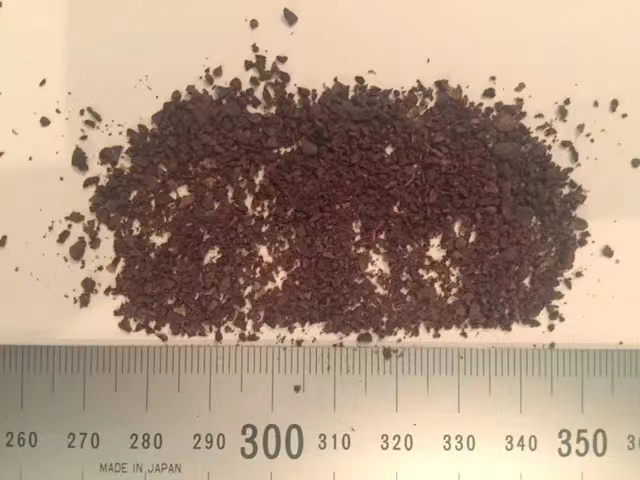
Coffee particles with a diameter smaller than 0.3mm are called fine particles. While excessive fine particles can lead to over-extraction and produce astringency,an appropriate amount of fine particles (about 5% of the total grind)can create subtle inconsistencies in extraction—finer particles release acids and fruity aromas more quickly, while coarser particles slowly release sweetness and body. This difference enriches the overall flavor structure. Note that this is not about deliberately creating a lot of fine particles, but rather accepting the natural and reasonable distribution produced by quality grinders.
3. Use a pulse pouring technique
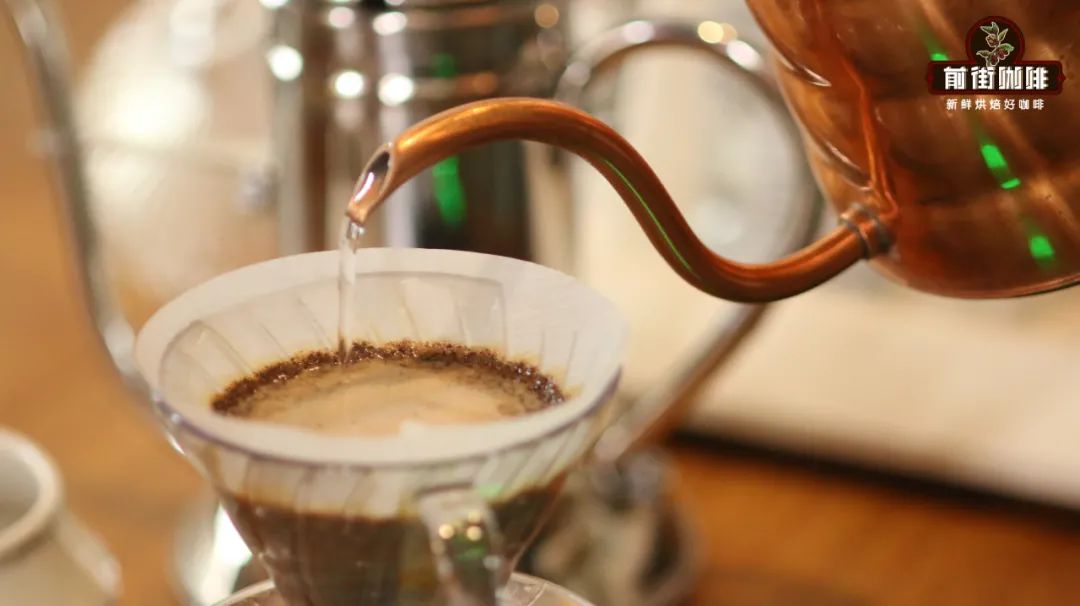
Comparative experiments show that a three-pour method (e.g., 30ml → 60ml → 60ml) enhances layering more than a single-pour (single pour-through). With intervals of about 30 seconds between pours, the coffee bed undergoes cycles of “soaking—expansion—re-extraction.” Lower layers of particles are stirred at different stages, gradually releasing flavor compounds that are otherwise hard to reach. This gradual extraction is like peeling an onion, revealing the complex essence of the coffee layer by layer.
4. Adjust the coffee-to-water ratio to 1:16 or higher
When the ratio is below 1:15 (e.g., 1:14), the high coffee concentration can mask subtle flavors. It’s recommended to start with 1:16, and if the flavors still seem unclear, you can gradually increase it to 1:17 or even 1:18. This range ensures that acidic and sweet compounds are fully expressed, while also leaving enough room for all flavor notes to shine. Remember to adjust the grind size accordingly to avoid under-extraction caused by simply adding more water.
5. Maintain consistency in grind fineness
Although we mentioned the positive role of fine particles earlier, this is premised on an overall relatively uniform grind distribution. When using a flat burr grinder, it’s recommended to set the grind to medium-fine (e.g., Fuji R44’s #12–#14 range), which ensures an appropriate extraction rate without producing too many extremely fine particles. Regularly cleaning the burr grooves can also reduce the production of abnormal fine particles.
6. Control the water temperature within the 90–93°C range
Too high a water temperature (above 94°C) accelerates the extraction of bitter compounds, disrupting flavor balance; too low (below 88°C) makes it difficult to fully extract fruity acidity. This golden temperature zone balances bright acidity with a rich mouthfeel, laying the foundation for layering. Different origin beans may require slight adjustments of ±1°C—Ethiopian beans usually suit the upper limit, while Sumatra Mandheling tends toward the lower end.
Finally, remember that improving layering is not a numbers game chasing complexity, but about giving the coffee’s diverse flavors a fair chance to express themselves. It’s recommended to record parameter changes and flavor experiences during each brew, gradually finding the balance that best suits your personal taste preferences. The best layering always comes from your understanding of coffee and your patient adjustments.
The above content is compiled by CoffeeHunters, a coffee news website.


