







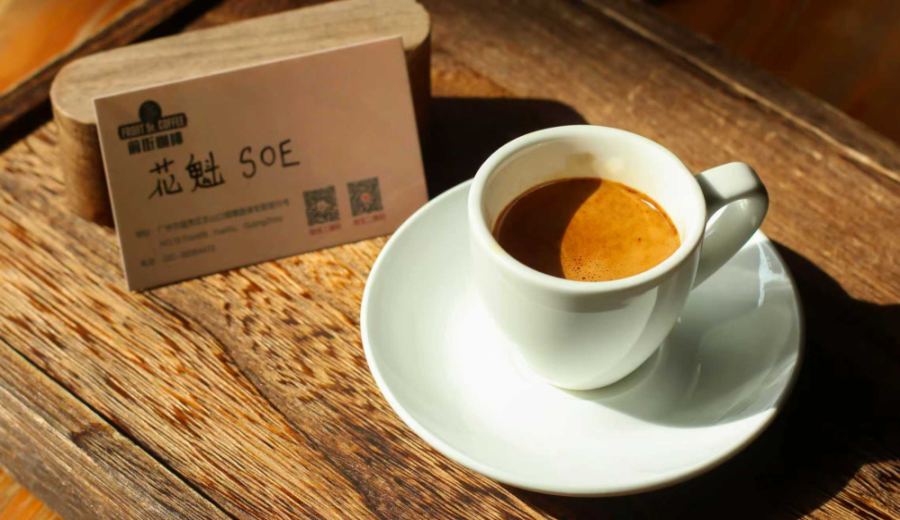
Introduction:Single Origin Espresso (SOE) beans, known for showcasing unique regional flavors, are often reported by beginners to taste overly sour or weak after brewing. This article explores the differences between SOE and regular single-origin beans, highlights the critical impact of roast level and extraction methods, and provides recommendations for five SOE beans with varying roast degrees—from light to medium to dark—to help readers find a bean that suits their taste and elevate their espresso experience.
SOE stands for Single Origin Espresso, which can be seen as the espresso version of single-origin coffee beans. The advantage of these coffees is their ability to clearly express the unique flavors imparted by a specific region or even a particular farm—such as the bright fruity acidity of Yirgacheffe or the rich, deep tones typical of Mandheling. Compared to traditional blends that mix beans to achieve balanced flavors, SOE focuses more on “faithfully presenting the flavors of the origin.”
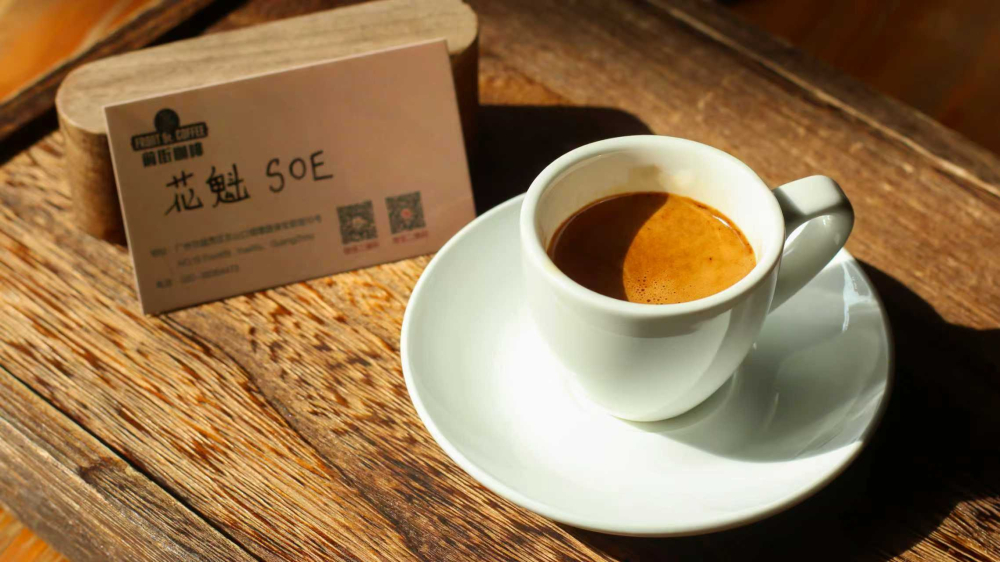
However, SOE also comes with challenges. As beans from a single origin, they are greatly influenced by yearly climate variations and harvest batches, meaning flavors may slightly differ each year or batch. In addition, if SOE beans are roasted improperly or the roast level isn’t well-suited, beginners often report that the resulting espresso tastes “sour and weak,” lacking depth and aroma—especially noticeable when making lattes or Americanos. This is closely related to bean variety characteristics, roast darkness, and freshness.
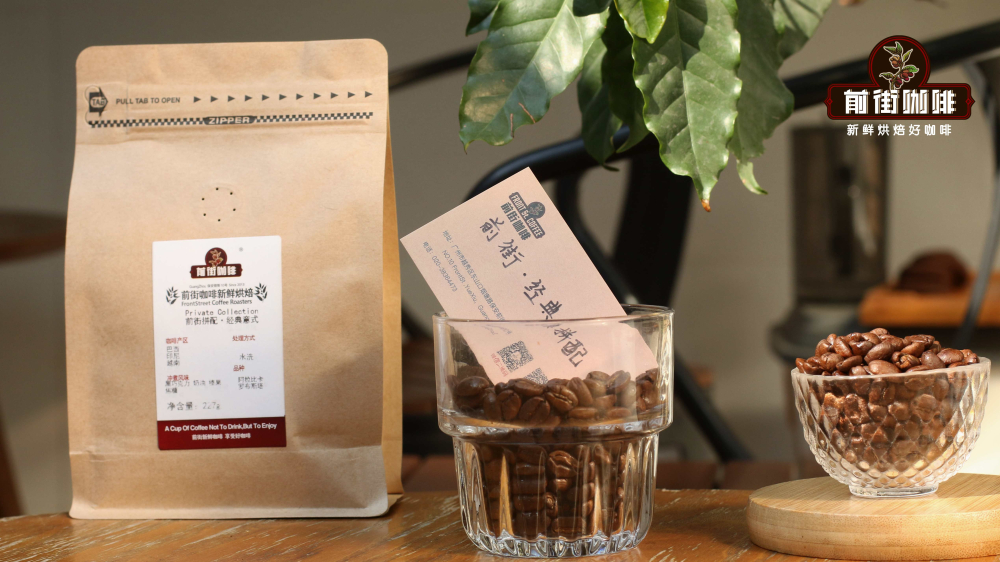
In contrast, blends combine beans from different origins in calculated proportions to achieve flavor balance, stability, and cost-effectiveness. Blended beans are often designed for everyday drinking and are the “staple beans” of choice for many home or office users. If you’re just getting into coffee and want to brew consistently flavored coffee easily at home, it’s recommended to start with freshly roasted blended beans—ideally within five days of roasting—for the best flavor.
So, what’s the difference between SOE coffee beans and regular single-origin beans used for pour over? One key factor lies in the “roast level” and the “extraction method.” Pour over typically uses medium to light roast beans, and through longer drip extraction, it slowly releases delicate fruit acidity and aroma. But SOE is usually used in espresso machines or moka pots, where extraction occurs under high pressure and in a short time. Choosing a bean that is roasted too lightly can lead to insufficient crema, underdeveloped flavors, resulting in a final cup that is sour, flat, and lacking complexity.
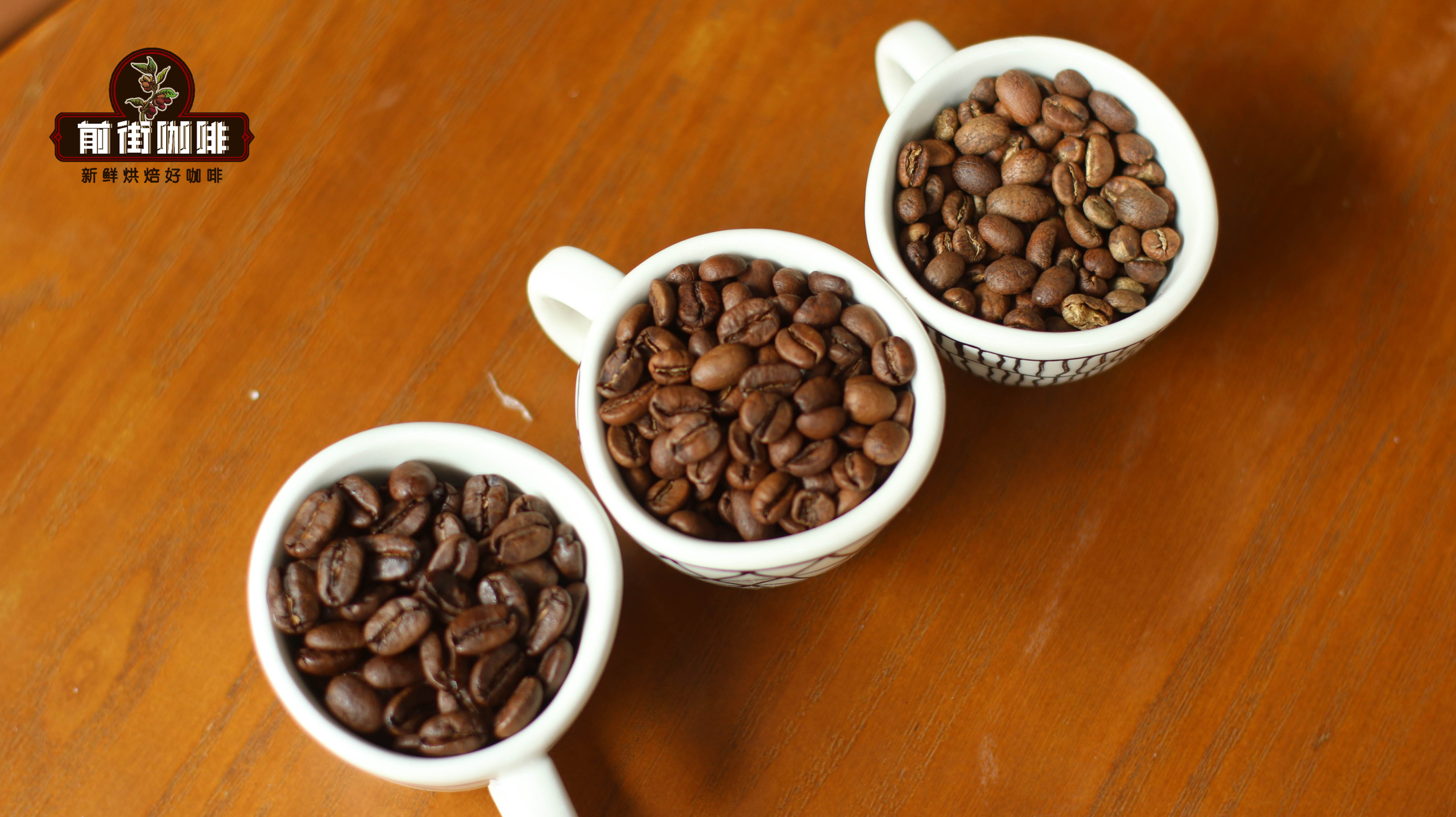
To avoid your SOE brew turning out “sour and weak,” it is recommended to choosemedium roast or darkerto ensure flavor vibrancy and optimal extraction performance. Medium to dark roast SOEs often deliver a rounder mouthfeel, rich caramel aromas, and a full body—suitable for most beginners. When purchasing, opt for brands that provide recent roast dates, and aim to use the beans within 2–3 weeks post-roast to enjoy the optimal flavor window.
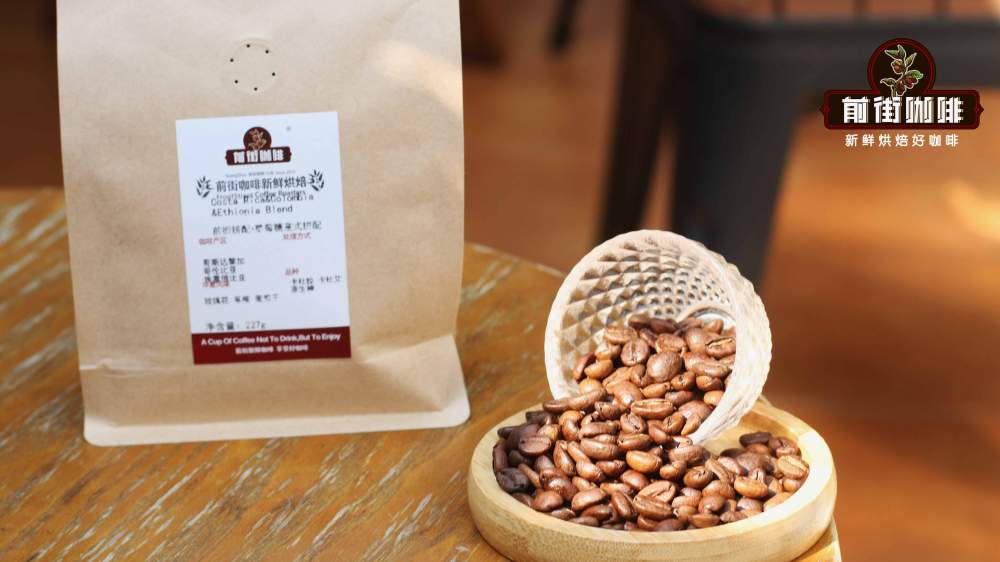
For varied preferences, here are five SOE coffee beans with different roast levels, covering diverse flavors from floral and fruity to rich chocolatey profiles. You can choose based on your preferred brewing method and personal taste:
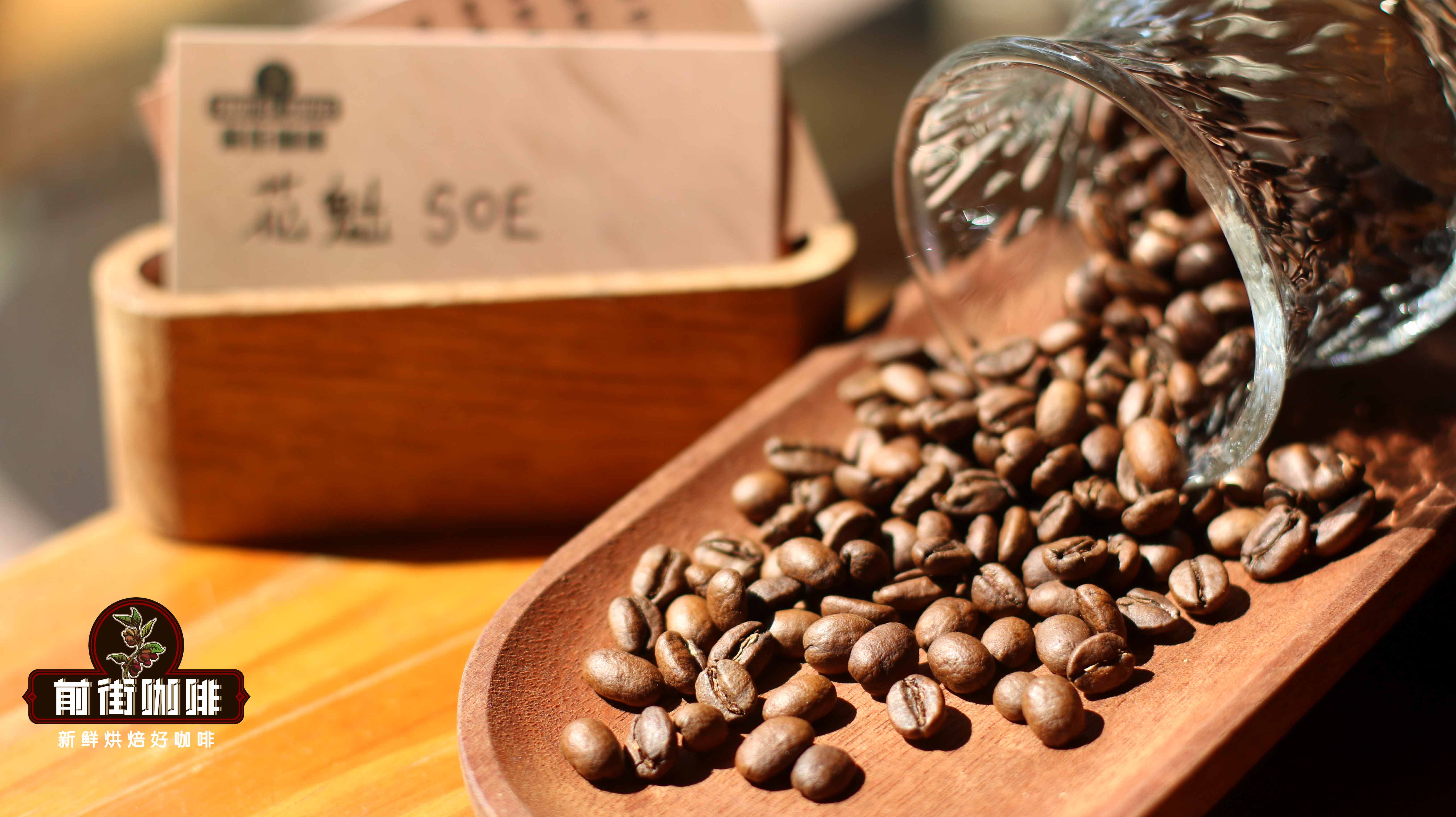
1. Medium Roast – Huakui SOE: Made with Ethiopian Huakui beans processed via sun-drying, known for its creamy strawberry aroma. After medium roast, it’s suitable for making SOE Americano or Flat White, offering flavors of red berries, orange, and soft floral notes with balanced acidity and clear layers.
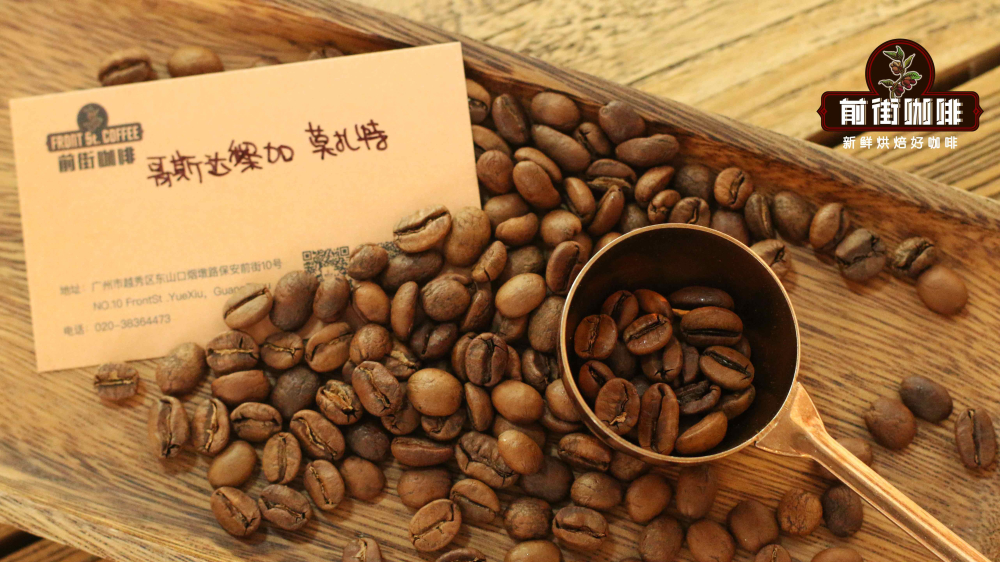
2. Medium Roast – Costa Rica Mozart SOE: This bean uses raisin honey processing. While pour over highlights its dried fruit aroma, as an SOE it delivers intense raisin, cranberry, and wafer-like notes, along with a smooth and mellow mouthfeel and a delicate floral finish—ideal for those who enjoy sweet fruitiness without sacrificing body.
3. Medium Roast – Costa Rica Blackberry SOE: With a unique black honey process, this SOE showcases sweet dried fruit and red berry acidity reminiscent of a refreshing grape juice—perfect for lovers of bright, fruity profiles.
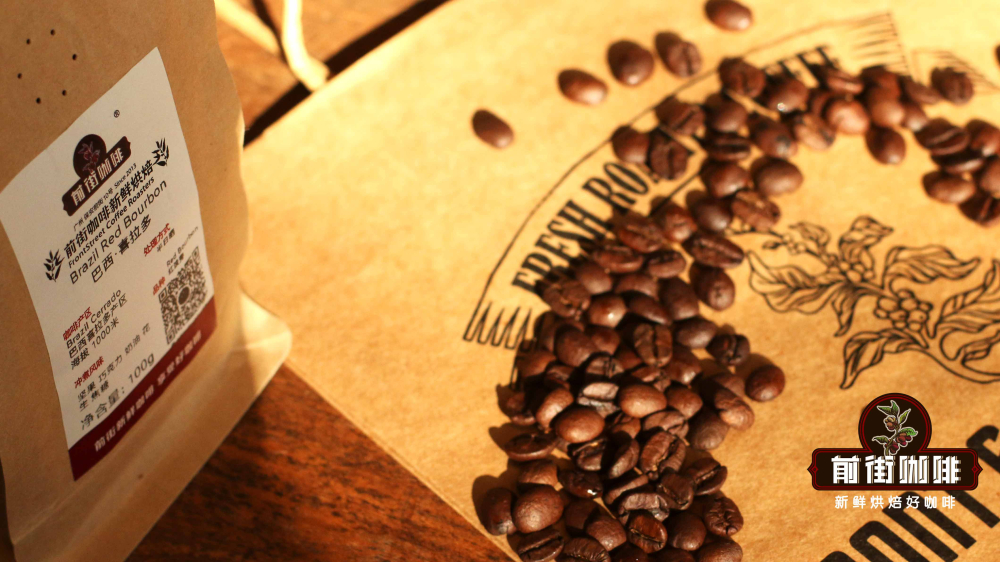
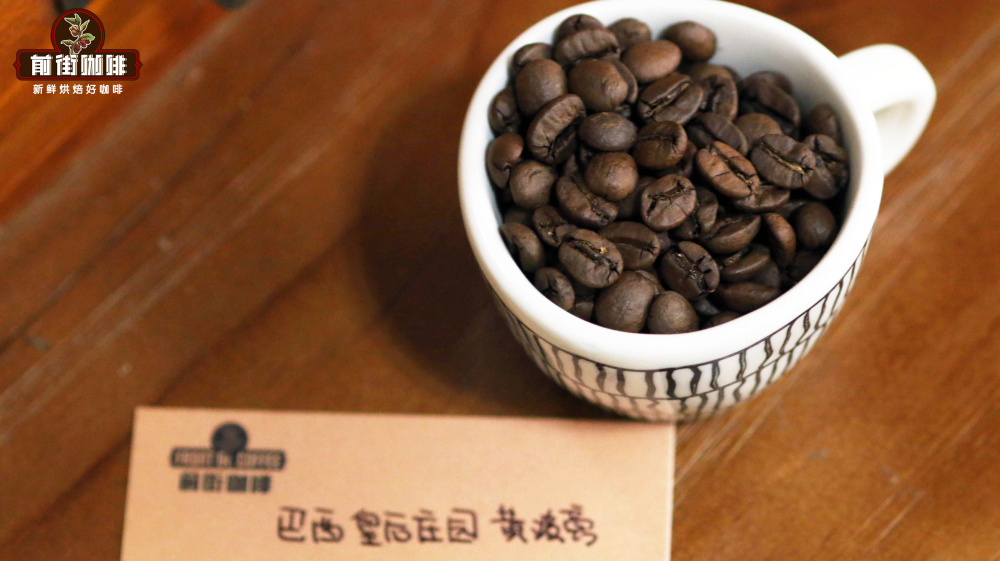
4. Medium-Dark Roast – Brazilian Queen Estate SOE: A Yellow Bourbon variety, after medium-dark roast it presents a combination of roasted nuts, milk chocolate, butter, and caramel aromas. It has a smooth texture and moderate body, working well with both moka pots and home espresso machines—suited for those who prefer balanced flavors and warm sweetness.
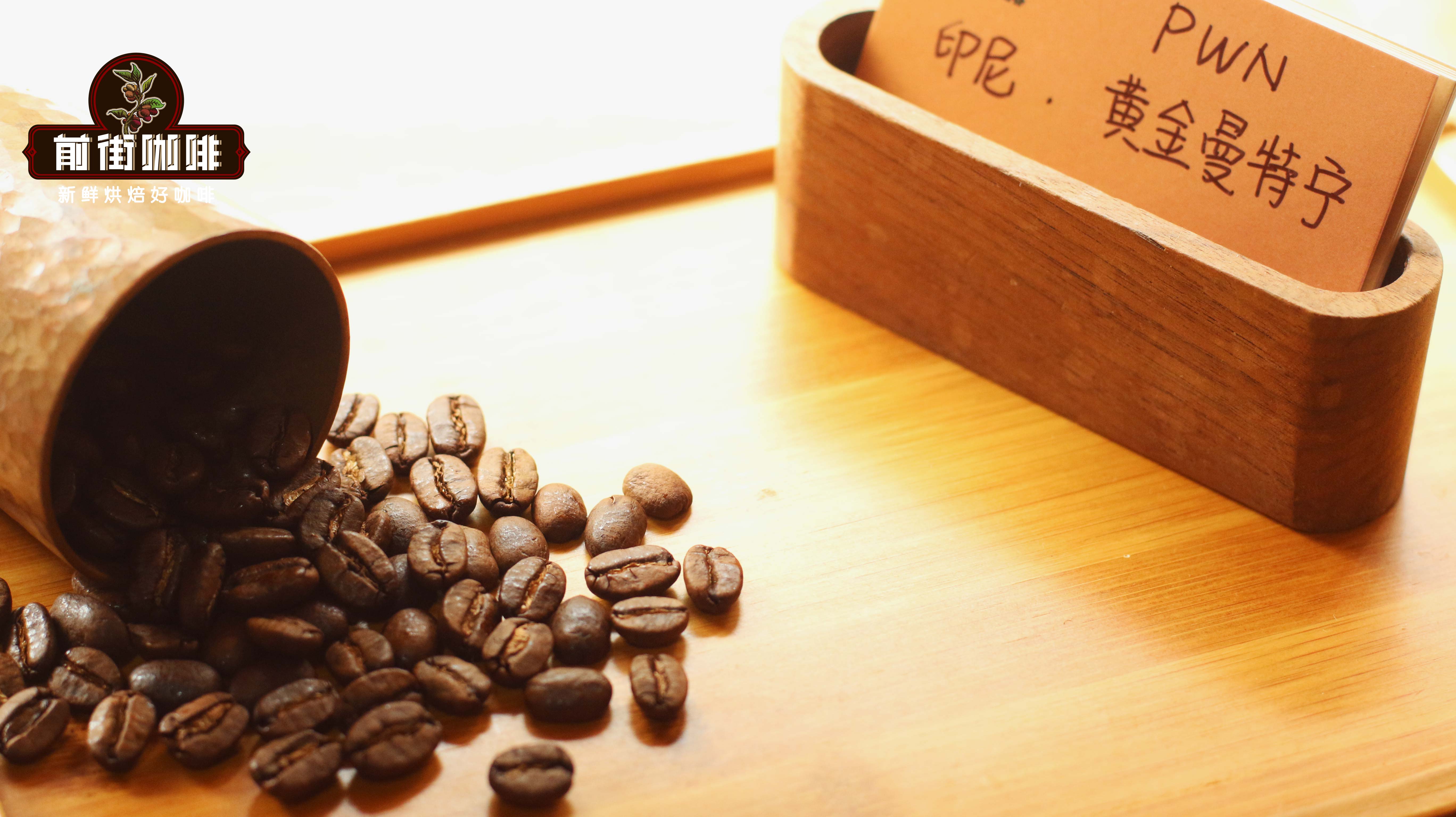
5. Dark Roast – PWN Golden Mandheling SOE: A high-quality Mandheling bean, rigorously hand-sorted multiple times to reduce defects. After medium-dark roast, it features prominent spice, herbal, sandalwood, and caramel notes, with a rich and full-bodied mouthfeel. The aftertaste carries a deep dark chocolate aroma—great for fans of bold, low-acidity coffee.
In summary, selecting SOE coffee beans involves not only considering the origin but also paying close attention to roast level and freshness. While lighter roasts can highlight fruit acidity, extra caution is needed when using them for SOE. Beginners are advised to start withmedium to medium-dark roaststo more easily achieve balanced flavors and aromatic expression. Whether you prefer bright fruitiness, rich chocolate, or mellow nutty notes, you’ll find a suitable option among the recommendations above.
The above content is compiled by CoffeeHunters, a coffee news website.

