








Introduction:Many coffee enthusiasts often encounter issues such as over-extraction or overly thin flavors when brewing espresso, which are mostly closely related to the choice of coffee beans and their freshness. This article will analyze the three key points in selecting espresso beans and recommend five blends suitable for home use—from rich and bold to fruity and refreshing—to help you make precise choices based on your taste preferences, thereby enhancing the quality and flavor expression of each extraction.
When choosing the right espresso beans, many coffee lovers often lack direction, resulting in brews that are either overly bitter due to over-extraction or too bland to showcase the layered complexity espresso should have. Especially when using home espresso machines with pressure functions, the quality and freshness of the beans have a significant impact on the final cup. Below are three practical selection tips to help you avoid common mistakes and find the beans that truly suit you.
1. Choose beans from professional roasters with brand credibility and clear roasting information

It is recommended to prioritize professional coffee roasters that clearly indicate the roasting date (rather than vague expiration or best-before dates) on the product packaging and emphasize “freshly roasted.” These roasters typically have better control over roasting rhythms and storage conditions, greatly reducing the chance of extraction failure due to stale beans. For example, some brands known for self-roasting offer a variety of classic and creative blends at reasonable prices with stable flavors, making them ideal choices for both beginners and advanced users.
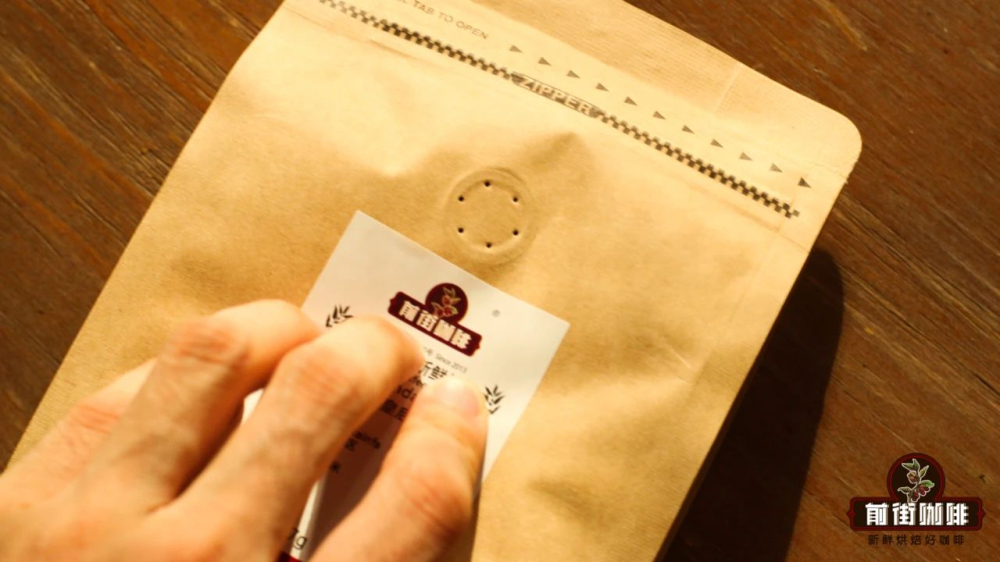
These brands not only provide single-origin beans from major producing regions such as Central and South America, Africa, and Southeast Asia but also offer blends specifically tailored for espresso. Some of these blends have even been optimized for home semi-automatic and fully automatic espresso machines, allowing for an easy start-up without the need for complicated adjustments.
2. Freshness is the core factor affecting extraction and flavor
No matter how high-end the equipment is, if the coffee beans used are not fresh enough, it is difficult to extract satisfying flavors. The volatile aromatic compounds in coffee beans gradually dissipate over time, and even under ideal storage conditions, roasted beans older than three weeks will noticeably lose their delicate fruity, floral, and acidic notes. Therefore, it is recommended to choose brands that can roast and ship within a short period to ensure you receive beans close to their golden tasting window post-roasting.
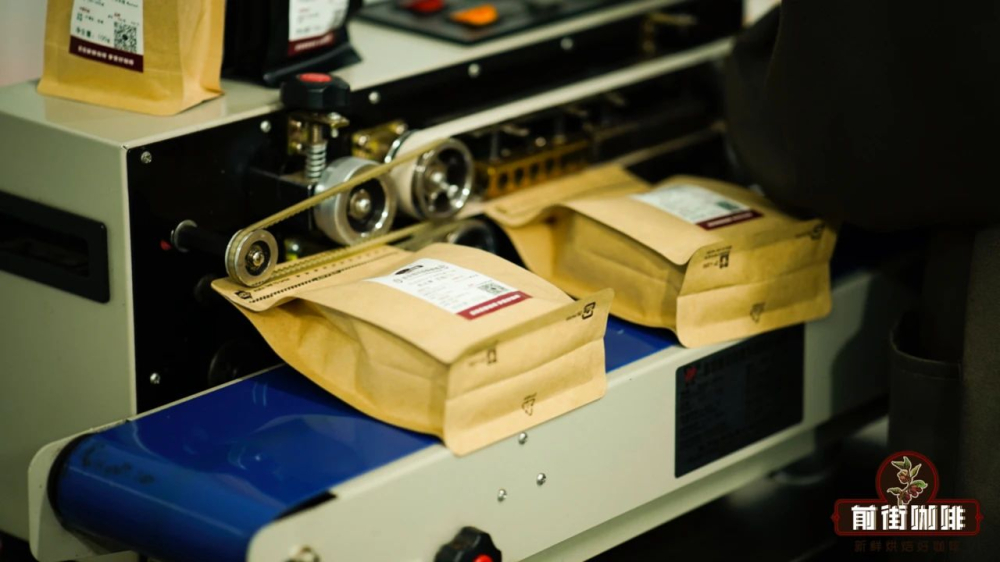
Additionally, when purchasing, it is advisable to opt for whole coffee beans rather than pre-ground coffee powder. Once ground, the surface area of the coffee in contact with air increases significantly, causing aroma and flavor compounds to deteriorate rapidly—not only affecting crema formation but also greatly compromising extraction performance. To maintain optimal extraction conditions, it is suggested to buy whole beans and grind them fresh at home according to the characteristics of your grinder and espresso machine.
3. Select the right blend based on taste preferences
Espresso blends on the market vary in flavor profiles depending on their roast level and regional origin combinations. Below are five blends suitable for daily home use, each designed to meet different needs such as boldness, fruitiness, nuttiness, crema richness, and high cost-performance.
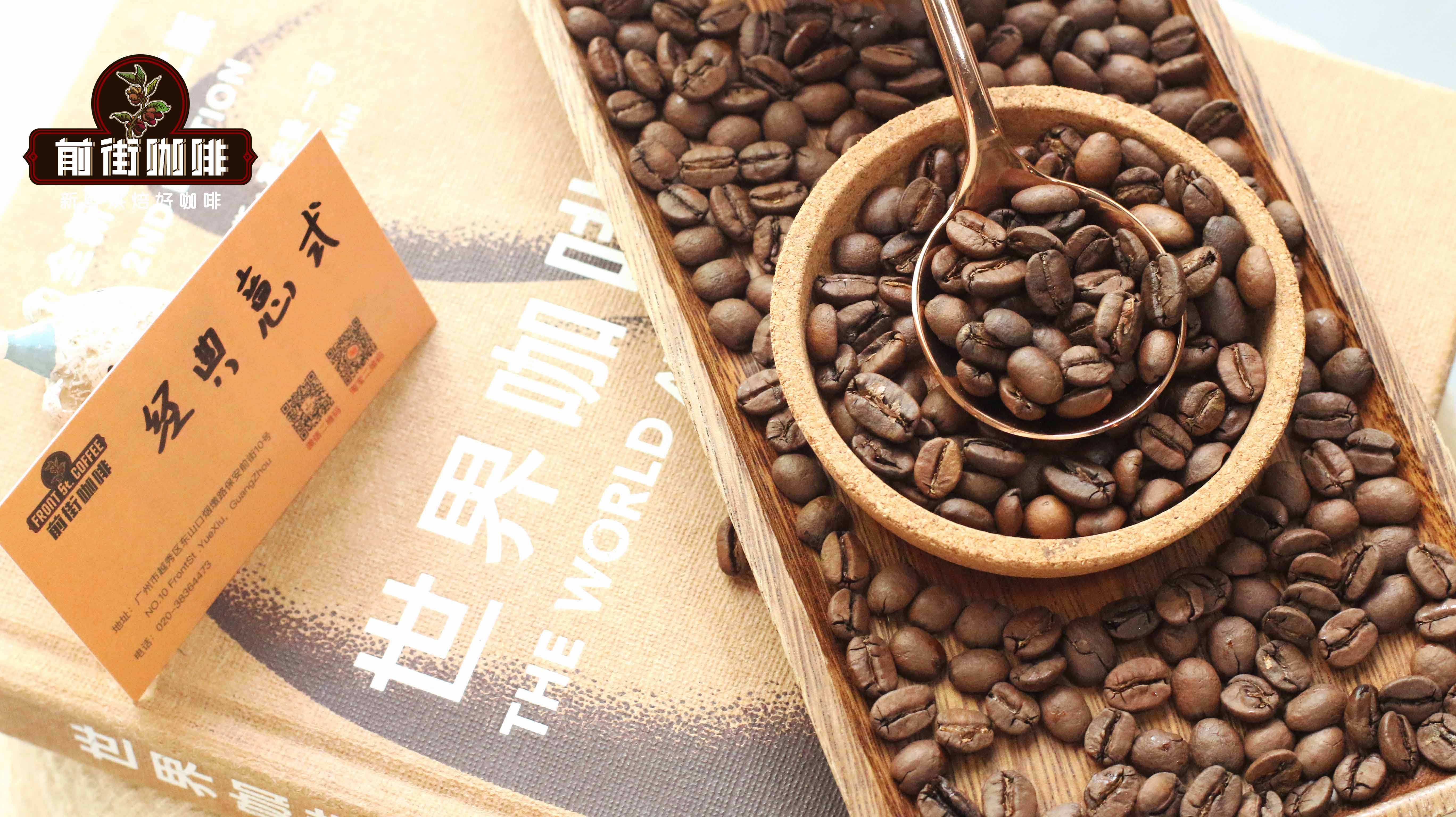
1. Bold and Rich Flavor: Classic Italian Blend
This blend is based on the traditional Mamba (Mandheling + Brazil) with a small addition of Robusta to enhance the body and crema of the coffee. It is suitable for latte art and those who prefer a bold taste. Its flavor profile is stable, with a balanced bitterness and sweetness, making it suitable for most home espresso machines.
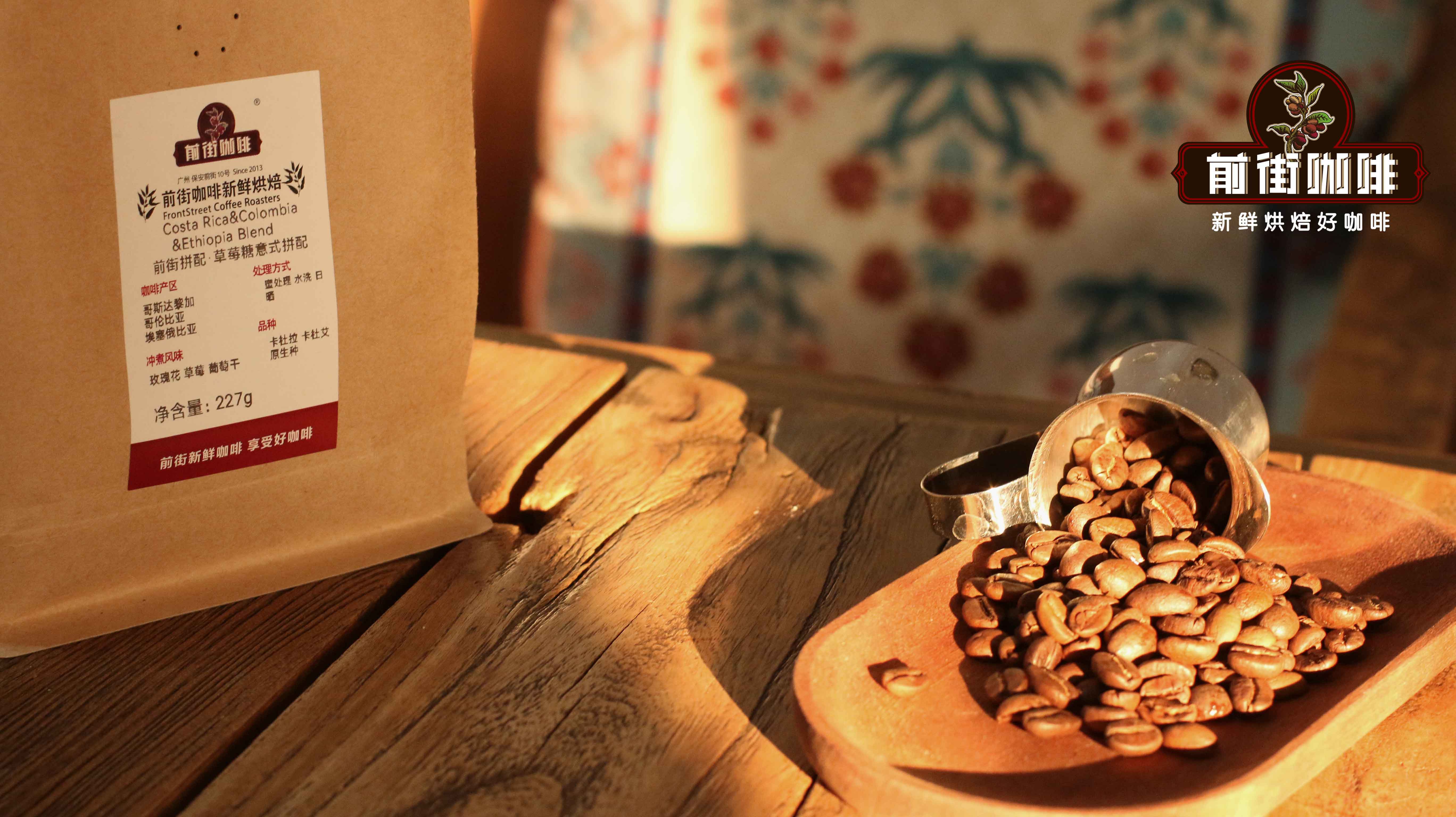
2. Fruity Highlight: Strawberry Sugar Espresso
Centered around medium roast, this blend combines the bright fruity notes of Costa Rican honey-processed beans and Ethiopian beans, complemented by the balancing qualities of Colombian beans. The result is a sweet-and-sour aftertaste reminiscent of strawberry taffy, with fine crema and a smooth mouthfeel—ideal for users who prefer a fresh flavor profile.
3. Nutty Character: Premium Italian Blend
Composed of coffee beans from two renowned producing regions—Brazil and Colombia—the former provides a distinct nutty and chocolatey base, while the latter adds balanced acidity and sweetness. The overall flavor is mild yet layered, perfect for those who enjoy the aroma of roasted nuts and cocoa.
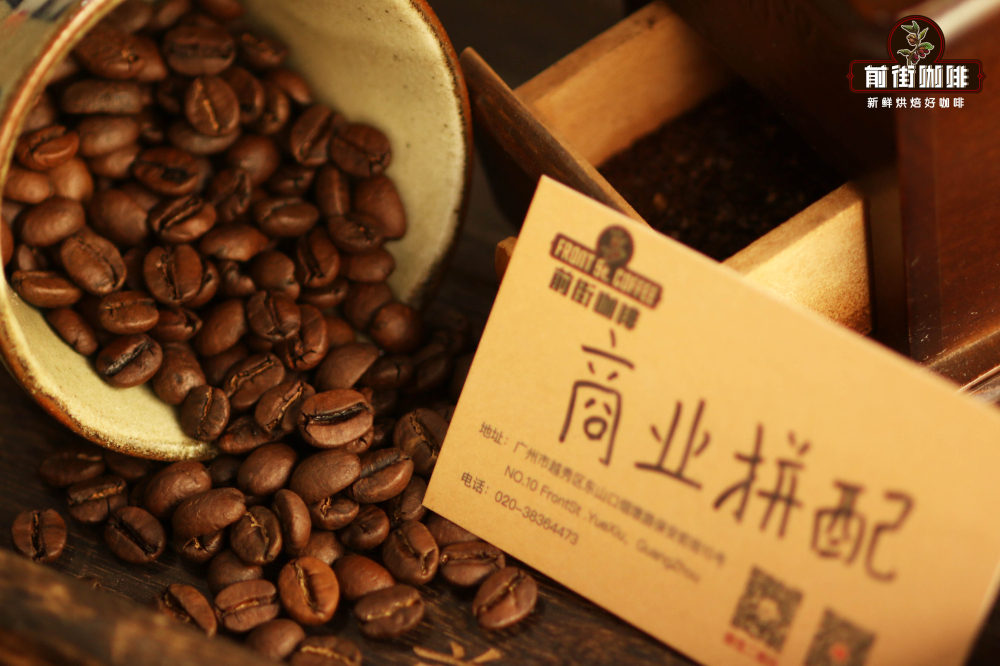
4. Crema-Rich Option: Commercial Italian Blend
Combining beans from Brazil, Colombia, and Vietnam, this blend uses medium-dark roasting to bring out rich coffee crema and caramel aromas. It is suitable for making bold and smooth lattes and Americanos, making it a practical and widely used formula in many homes and cafés.

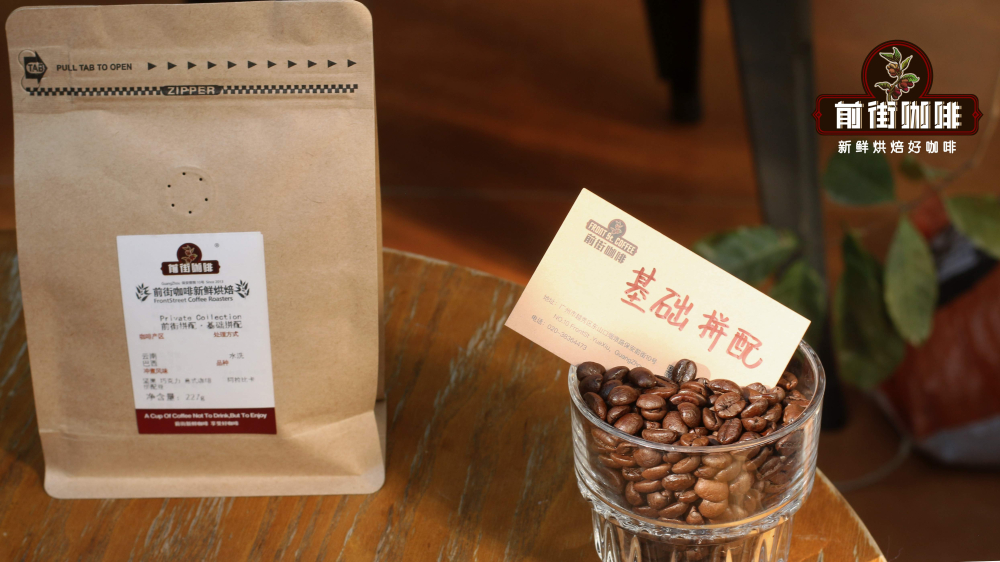
5. High Cost-Performance Entry Option: Basic Italian Blend
Focusing on balanced flavor and an affordable price, this blend offers soft fruity acidity, caramel sweetness, and dark chocolate notes, with above-average crema performance. It is suitable for beginners and daily users with limited budgets who still want to experience the full range of espresso flavors.
By understanding the characteristics and applicable scenarios of these blends, you can choose the most flavorful espresso beans based on your personal taste and usage context—whether you prioritize flavor complexity or everyday practicality, you’ll easily find the right option.
The above content is compiled by CoffeeHunters, a coffee news website.

