








Introduction:The difference between specialty coffee and commercial coffee is often confusing. Where does the 80-point cupping score standard come from? Is specialty coffee really as superior as the legends say? This article will take you back to the source to clarify the definition of Specialty Coffee, analyze the practical application of the SCA cupping system, and debunk common misconceptions about origin grading and bean appearance — helping you make smarter choices when selecting coffee beans.
In the historical flow of coffee’s development, the so-called “three waves of coffee” have shaped modern perceptions of coffee and gradually formed the contrast between “specialty coffee” and “commercial coffee.” Many people tend to view the two as opposing categories, assuming that specialty coffee is inherently superior — but is this really the case? To understand the distinction, we must first start with the definition of “specialty coffee.”
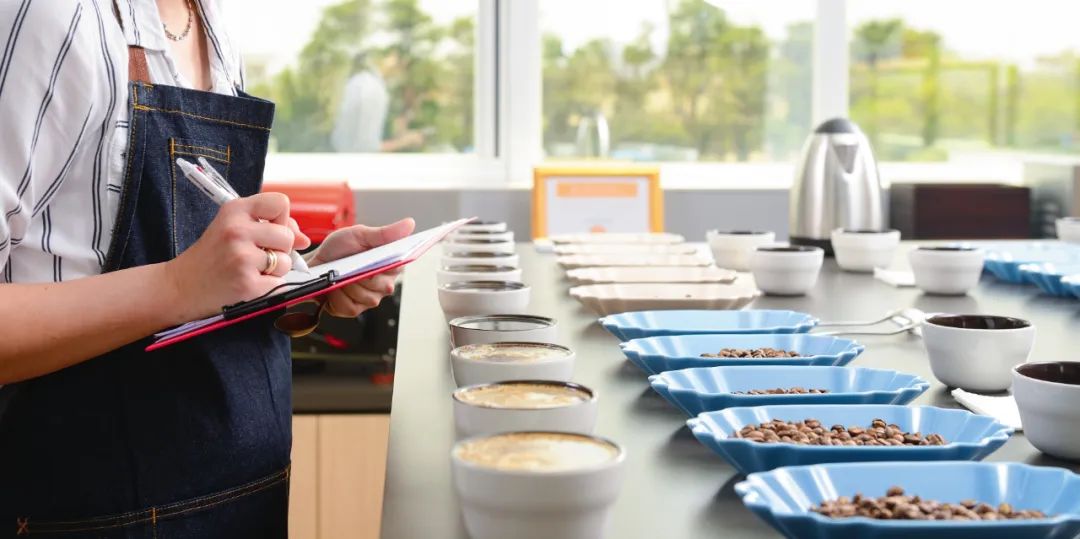
In general perception, the biggest difference between specialty coffee beans and commercial coffee beans lies in quality — the former is believed to have richer flavors and higher prices. This impression largely stems from the cupping system established by the Specialty Coffee Association (SCA) — beans scoring 80 points or above are classified as specialty coffee, while those below 80 are considered commercial. However, in practice, the SCA does not actively score coffee beans on the market. The so-called SCA scores actually come from the cupping methods taught in its training courses, where students score beans according to these standards. Therefore, although the 80-point benchmark is widely circulated, it also has certain limitations.
To truly understand the essence of specialty coffee, we need to go back to the moment this concept was first introduced. In 1978, Ms. Erna Knutsen first proposed the term “Specialty Coffee” at an international coffee conference held in France. Her original words were: “Coffee beans grown in unique microclimates and geographical conditions of a region, exhibiting distinctive regional flavors.” It’s worth noting that the original meaning of “Specialty” is “special product,” so a more accurate Chinese translation of “Specialty Coffee” would be “特色咖啡” (characteristic coffee), emphasizing how each region, due to its unique geography and microclimate, produces flavors representative of that area.
However, when this term was introduced to the Chinese-speaking world, it was translated as “精品咖啡” (premium coffee), causing the originally emphasis on “regional characteristics” to gradually be misunderstood as “high quality = high price = exquisite packaging.” In fact, the original concept of specialty coffee was proposed to break the then-rigid coffee market dominated by futures pricing. At the time, the New York Coffee Exchange used C-market Arabica futures as the global pricing basis for Arabica beans, with Brazilian coffee beans having the greatest influence on futures prices. This led farmers to prioritize yield over quality, and coffee beans from various regions were often blended and sold together, resulting in homogenized flavors where the unique qualities of high-quality beans were averaged out and hard to distinguish.
The introduction of specialty coffee aimed to independently highlight beans with unique and high-quality flavors, purchasing them at prices higher than the market average, and encouraging farmers to focus on quality and the expression of regional characteristics. This shift allowed distinctive profiles such as the citrusy, tea-like notes of Yirgacheffe or the rich balance of Blue Mountain coffee to be clearly identified and appreciated. In contrast, beans not specially selected were categorized as commercial coffee beans, mainly for mass-market use, emphasizing consistency and cost control.

However, the boundary between specialty coffee and commercial coffee is not as absolute as imagined. Take Ethiopia’s G1 and G2 grade coffee beans, for example — although their scores may seem distinctly different, in local export classifications, both may be grouped under Q1 grade. Additionally, coffee beans from many well-known origins, due to advancements in selection and processing techniques at the roasted bean stage, often exhibit more prominent flavor profiles that align with the core spirit of specialty coffee — emphasizing “regional characteristics” — and can thus also be considered specialty beans. Especially under the same altitude, variety, and processing method, beans from the same origin often have quite similar quality.
Many consumers mistakenly believe that specialty coffee beans must look neater and more attractive than commercial beans. For instance, seeing size variations among Ethiopia G1 beans might lead one to suspect lower-grade beans are mixed in. This is actually a major misunderstanding. The coffee grading system is primarily designed to facilitate procurement and price negotiation for green bean traders, rather than directly reflecting final cupping quality. In high-altitude regions like Ethiopia, the green bean grading standard is mainly based on the number of defective beans, not bean size. Moreover, the region has a wide variety of coffee species, often with hundreds of native varieties interplanted within the same plantation, making size variation normal. In fact, whether high-grade or low-grade, coffee beans that undergo proper screening often perform similarly in the market.
Additionally, grading systems vary across regions — some are based on bean hardness, others on size, while Ethiopia focuses mainly on defect rates. Therefore, judging bean quality solely based on appearance or grade is inaccurate. What matters more is understanding the origin, processing method, and actual flavor profile of that specific batch. For consumers, to avoid falling into the trap of grade and appearance misconceptions, it is recommended to choose beans traceable to specific farms or small regions. This offers a better chance to experience unique regional flavors and aligns more closely with the core values of specialty coffee.
The above content is compiled by CoffeeHunters, a coffee news website.


