







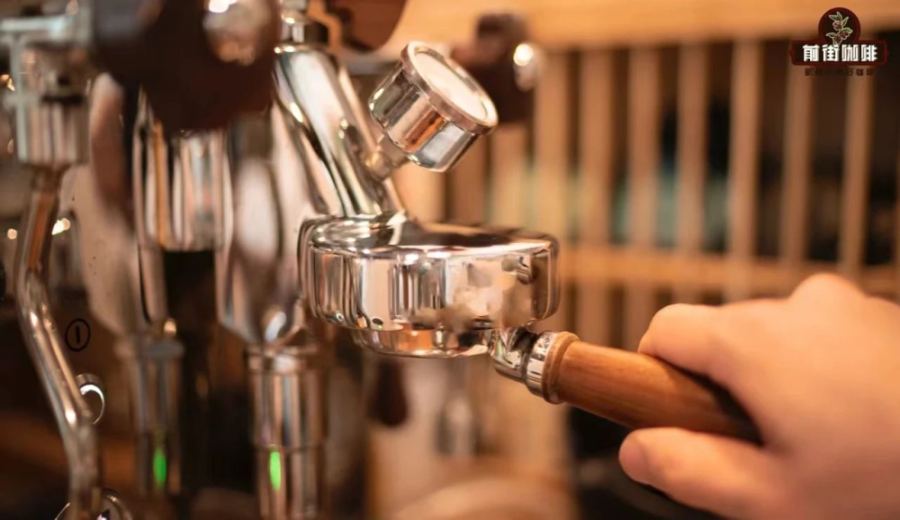
Introduction:Gain an in-depth understanding of the differences between espresso and Americano in terms of flavor, brewing techniques, and suitable scenarios, and learn how to select high-quality espresso beans with rich crema that are perfect for latte art and making lattes. This article also provides a detailed analysis of the extraction principles of espresso, the formation of crema, as well as six classic blend recipes and their flavor profiles, helping you find your own coffee soul.
You may have tried espresso before — that intense, layered yet bold flavor that can be hard for many to accept at first. But as you gradually get used to it, you’ll discover its subtle and captivating charm. In fact, espresso is not only the base for many coffee drinks like lattes and cappuccinos but also an important benchmark for evaluating coffee bean quality and barista skills. This article will explore in depth the differences between espresso and Americano, and recommend several blends with rich crema, ideal for latte art, to help you better understand this fascinating coffee art.
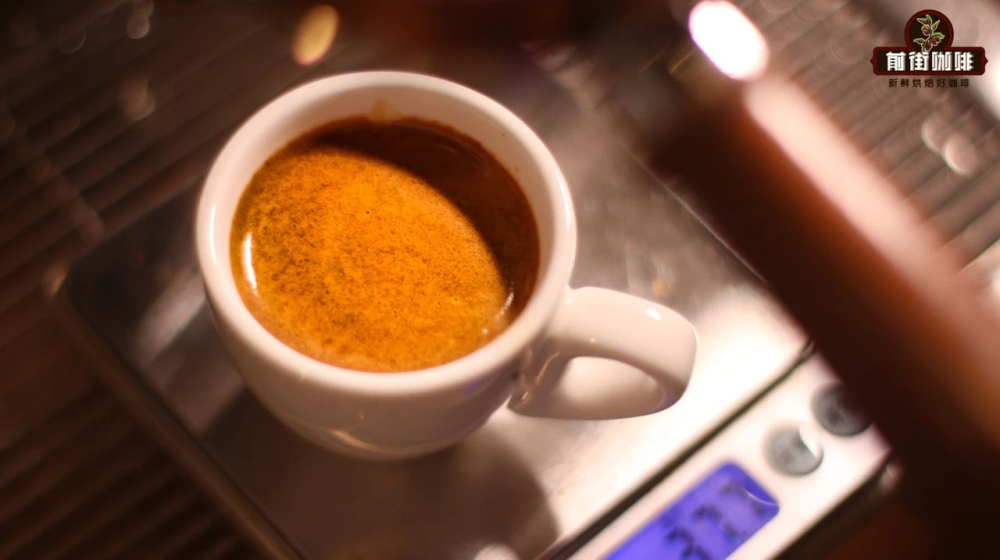
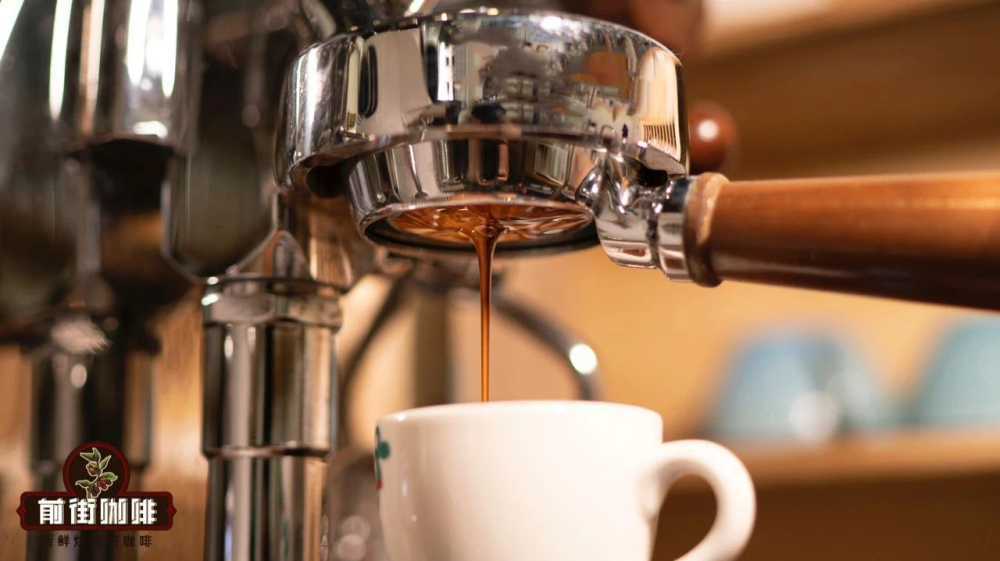
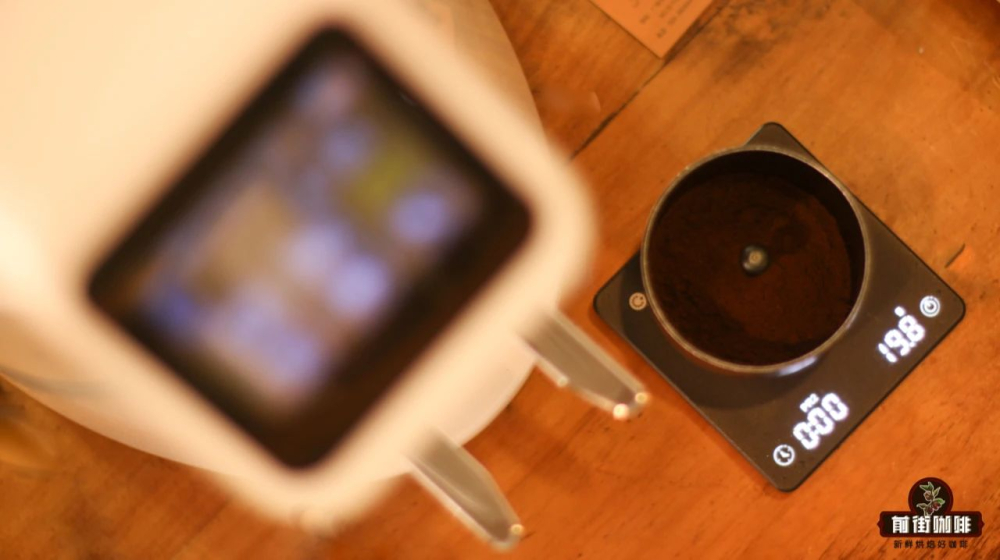
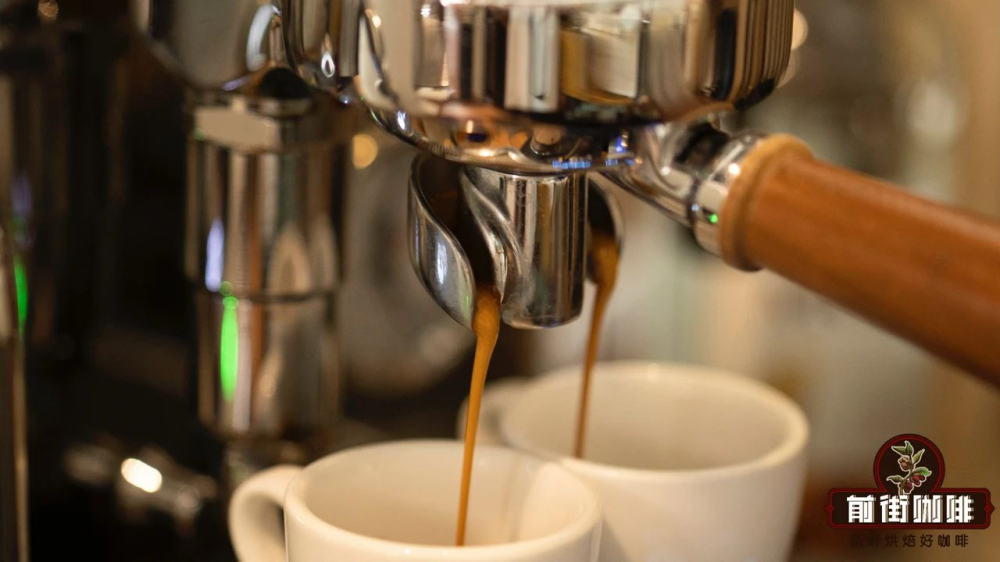
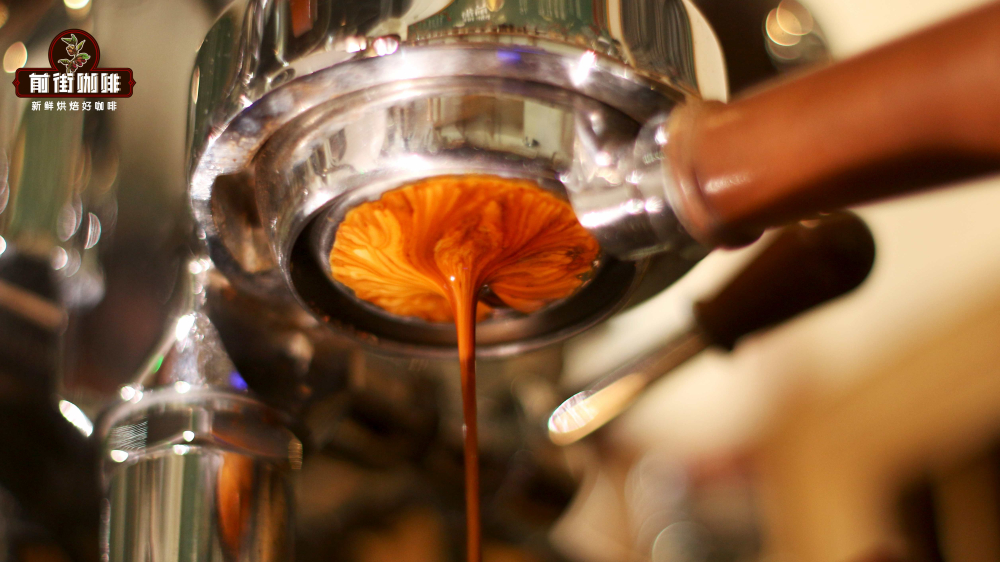
The so-called espresso refers to a small cup of black coffee extracted under high pressure (about 9Bar) and high temperature (90.5~96°C) in an extremely short time (20~30 seconds). One of its defining features is the formation of a thin layer of golden, velvety crema on the surface — the “crema” that many people often hear about. The formation of this crema comes not only from the emulsification of the coffee bean’s natural oils under high pressure but is also related to the carbon dioxide released from freshly roasted beans. These gases dissolve into the liquid under high pressure, together with the emulsified oils, creating the unique appearance and texture of crema.
Americano, on the other hand, originated during World War II when American soldiers diluted espresso with water to suit their preference for a milder taste. Initially created to adjust the overly intense flavor of espresso, it has since evolved into a common basic coffee offering found in cafés around the world. While making an Americano may seem simple, its flavor largely depends on the quality of the espresso used and the extraction technique. A general recommendation is to dilute at a 1:6 coffee-to-water ratio (for example, 40 grams of espresso liquid with 240 grams of hot water), but you can adjust the ratio according to personal taste, preserving or breaking the crema layers as desired.
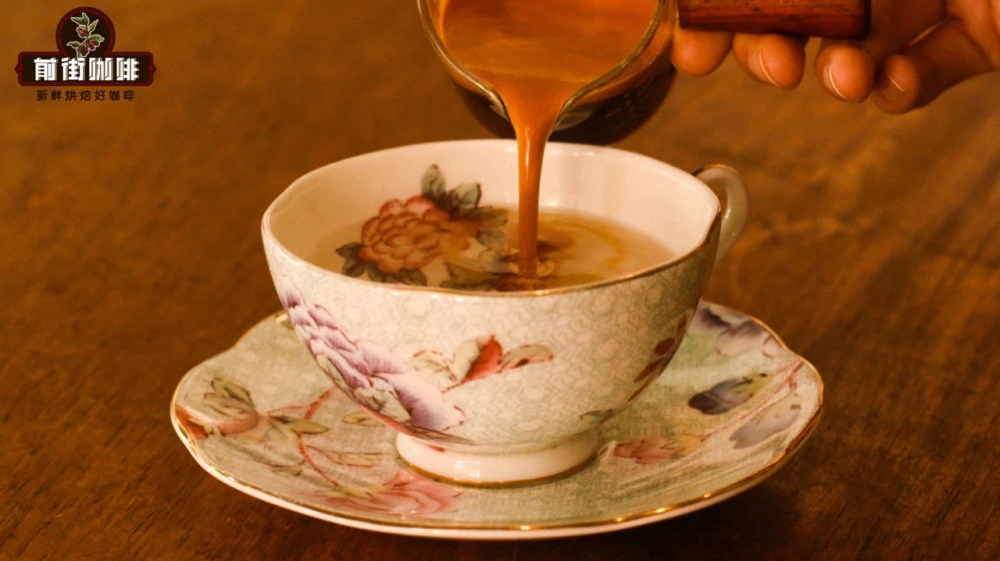
Image shown: Hot Americano

Image shown: Iced Americano
It’s worth noting that the performance of an Americano mainly stems from the extraction result of its base — the espresso. Over-extraction can easily lead to pronounced burnt bitterness; under-extraction may result in sourness and astringency; and improper dilution ratios can also cause an overly watery mouthfeel and loss of flavor. Therefore, a smooth and balanced Americano relies on the precise combination of coffee bean quality, extraction parameters, and brewing proportions.
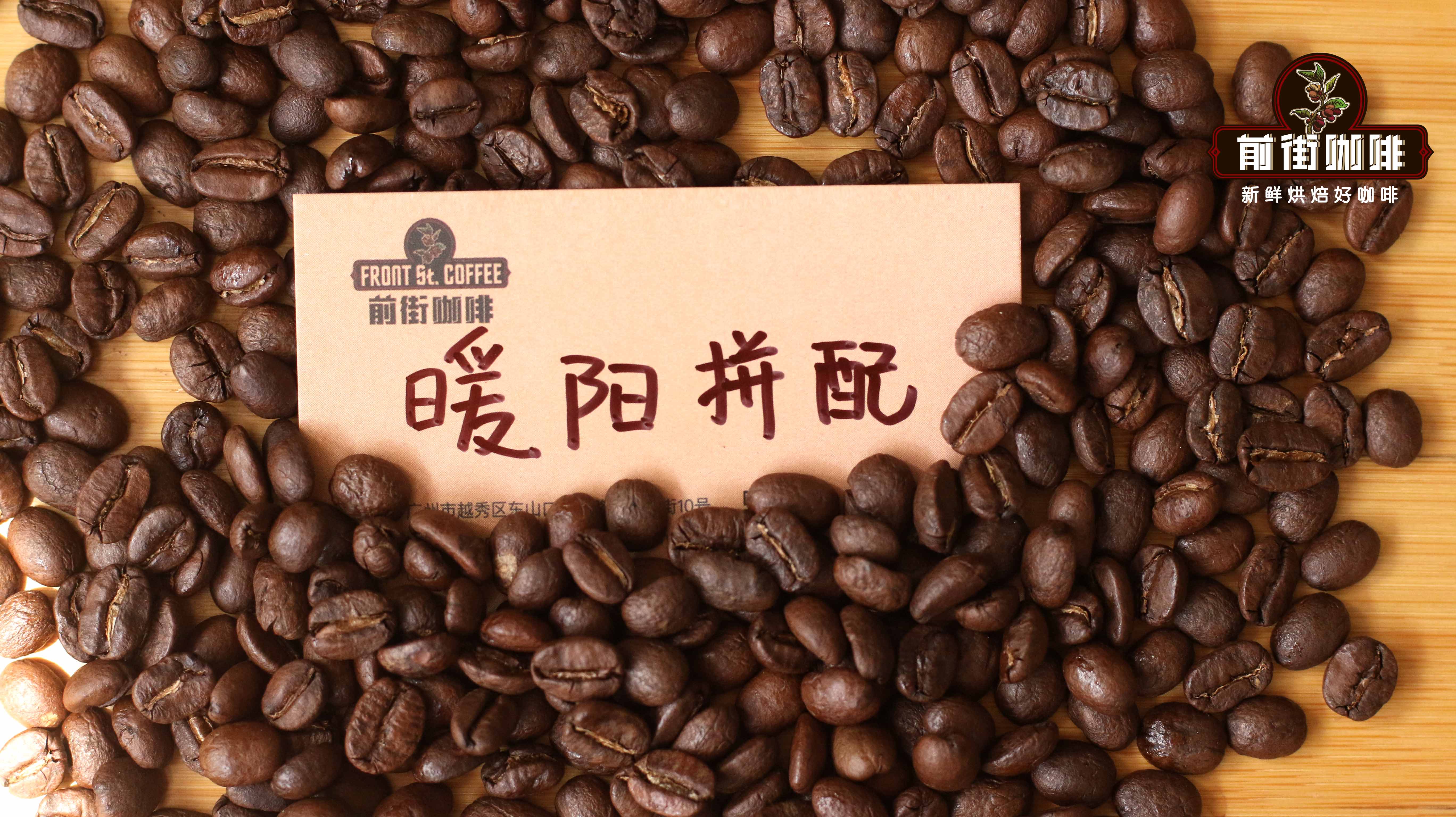
If you want to delve deeper into the origins of coffee flavors, you must mention the art of blending. Blended coffee refers to the scientific combination of coffee beans from different origins and varieties, based on their flavor characteristics, with the goal of creating a more balanced, layered, and stable overall taste. For example, a certain brand (example brand used here purely for illustration) uses a Sunflower Warm Blend primarily composed of Honduran Sherry and Yirgacheffe Red Cherry, in a ratio of about 6:4, delivering a flavor profile rich in wine-like aromas, soft acidity, and a sweet aftertaste — perfect for milk-based coffees such as lattes and cappuccinos.
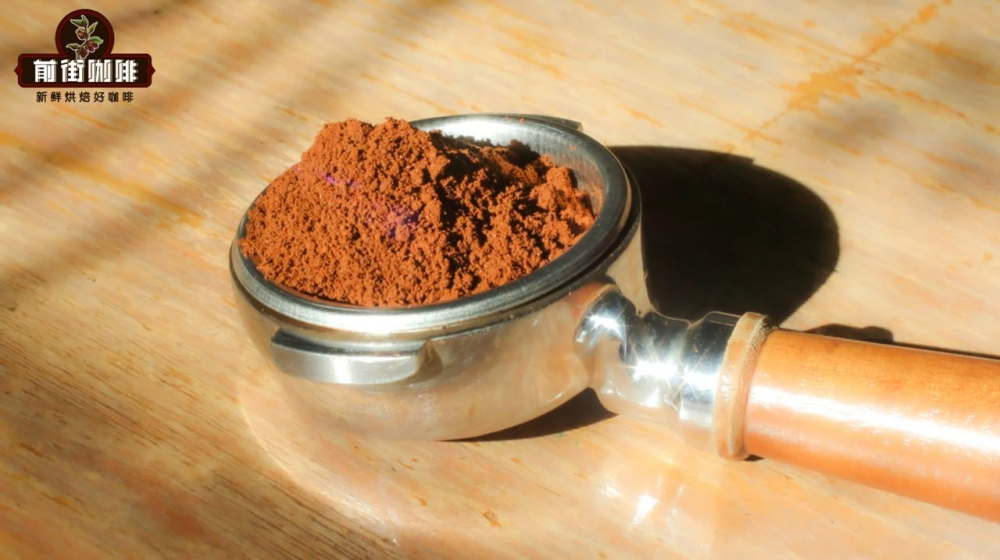
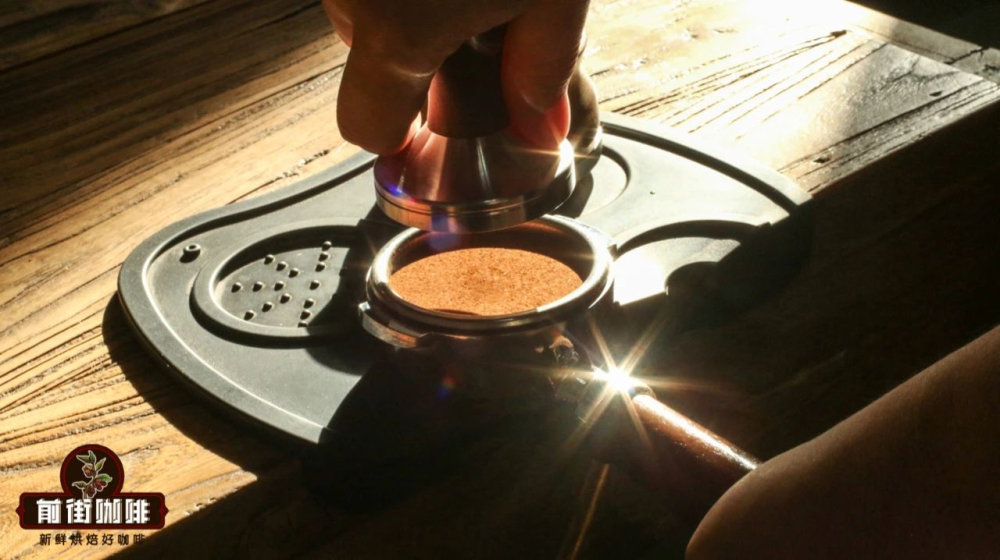
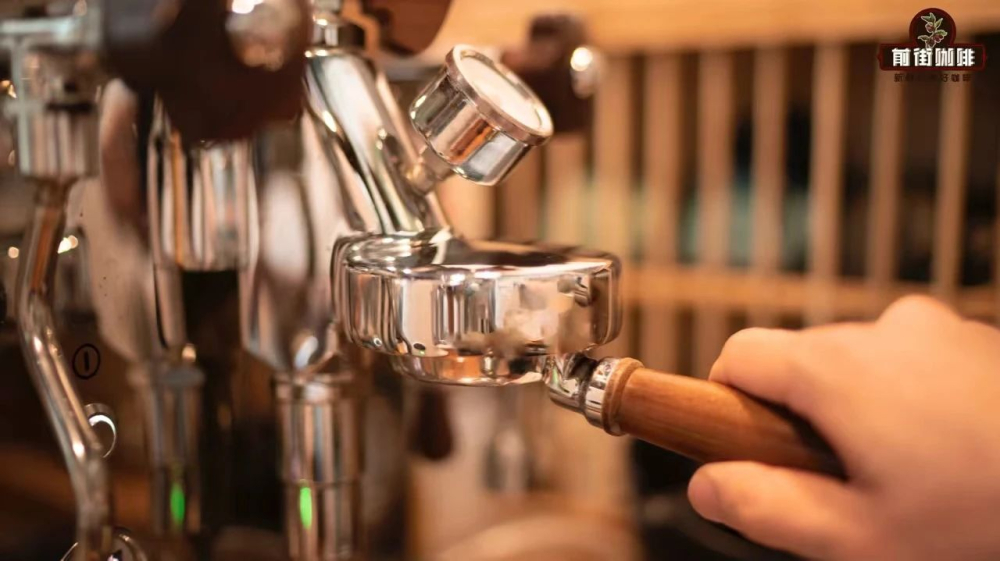
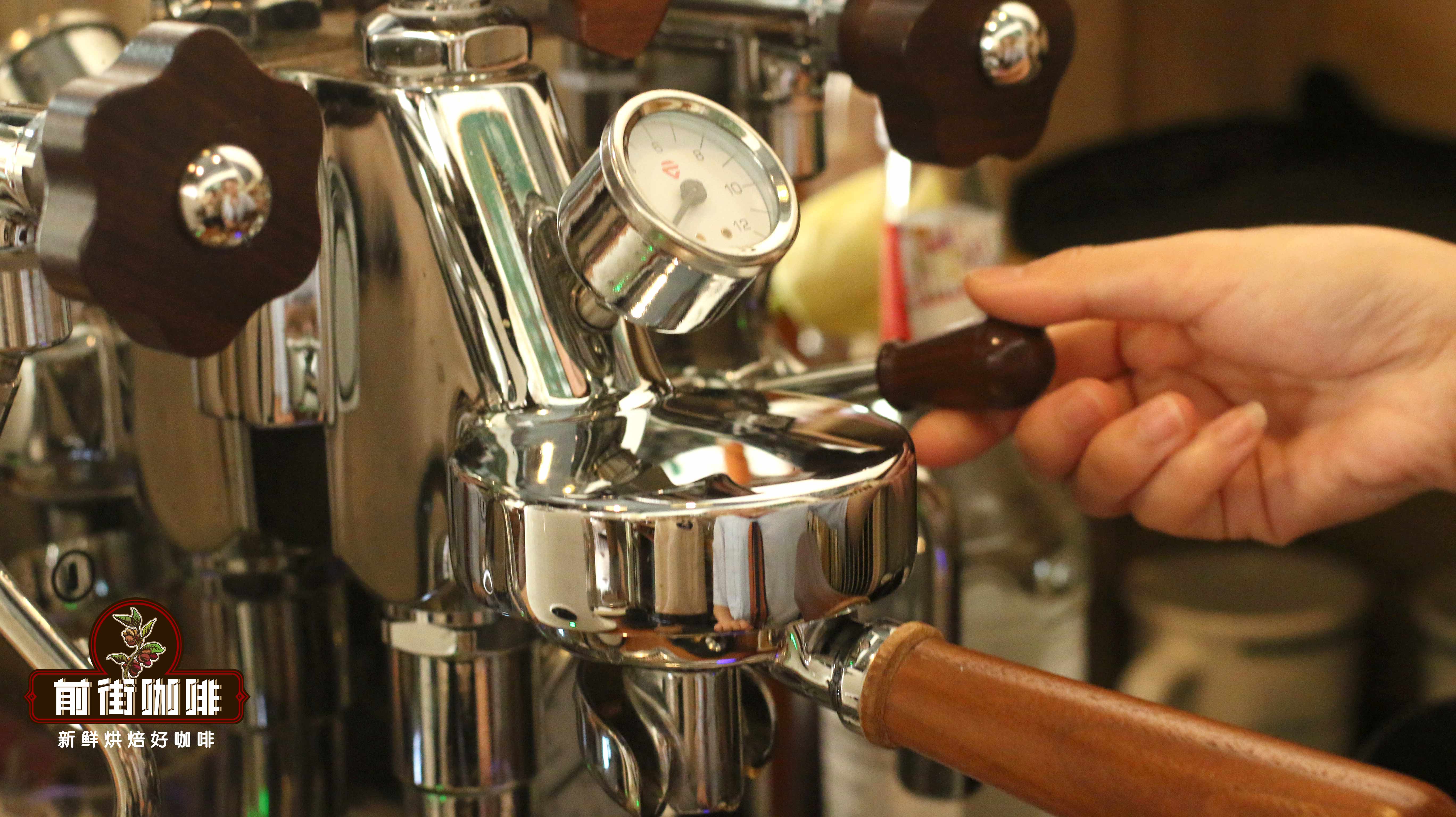
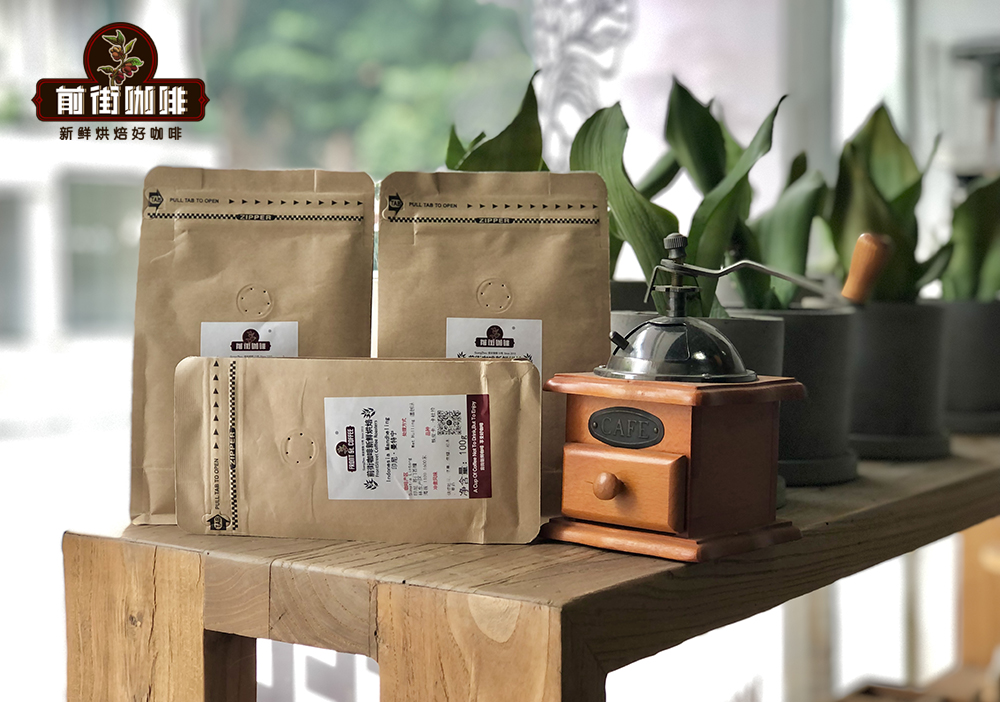
Below are several common and practical espresso blend recipes along with their corresponding flavor profiles, suitable for various taste preferences and purposes:
1. Balanced Flavor Type (suitable for beginners): 30% Guatemala, 30% Colombia, 20% Brazil, 10% Tanzanian Kilimanjaro. Overall sweet and acidic balance, combining fruity, smoky, and chocolatey notes without being too intense — an ideal choice for beginners.
Note: Recommended extraction ratio is 1:1.7~1:2, pressure at 9Bar, temperature maintained at 92~96°C.
2. Bitter-Dominant Type: 30% Colombia, 60% Brazil, 10% Robusta. Emphasizes rich nutty and chocolatey tones, suitable for consumers who prefer a heavy mouthfeel and a strong caffeine kick.
Feature: Rich crema, suitable for latte art and making espresso-based lattes.
3. Acidic-Dominant Type: 40% Tanzanian Kilimanjaro, 20% Yirgacheffe Red Cherry, 20% Brazil, 20% Colombia. Bright acidity without being harsh, featuring cherry and citrus notes, suitable for summer iced coffee or those who prefer a refreshing taste.
4. Wine-Aroma Type: 60% Honduran Sherry, 40% Yirgacheffe Red Cherry. This blend focuses on fermented wine-like aromas, offering intense and layered flavors, ideal for professional baristas aiming to challenge latte art and creative specials.
Image reference: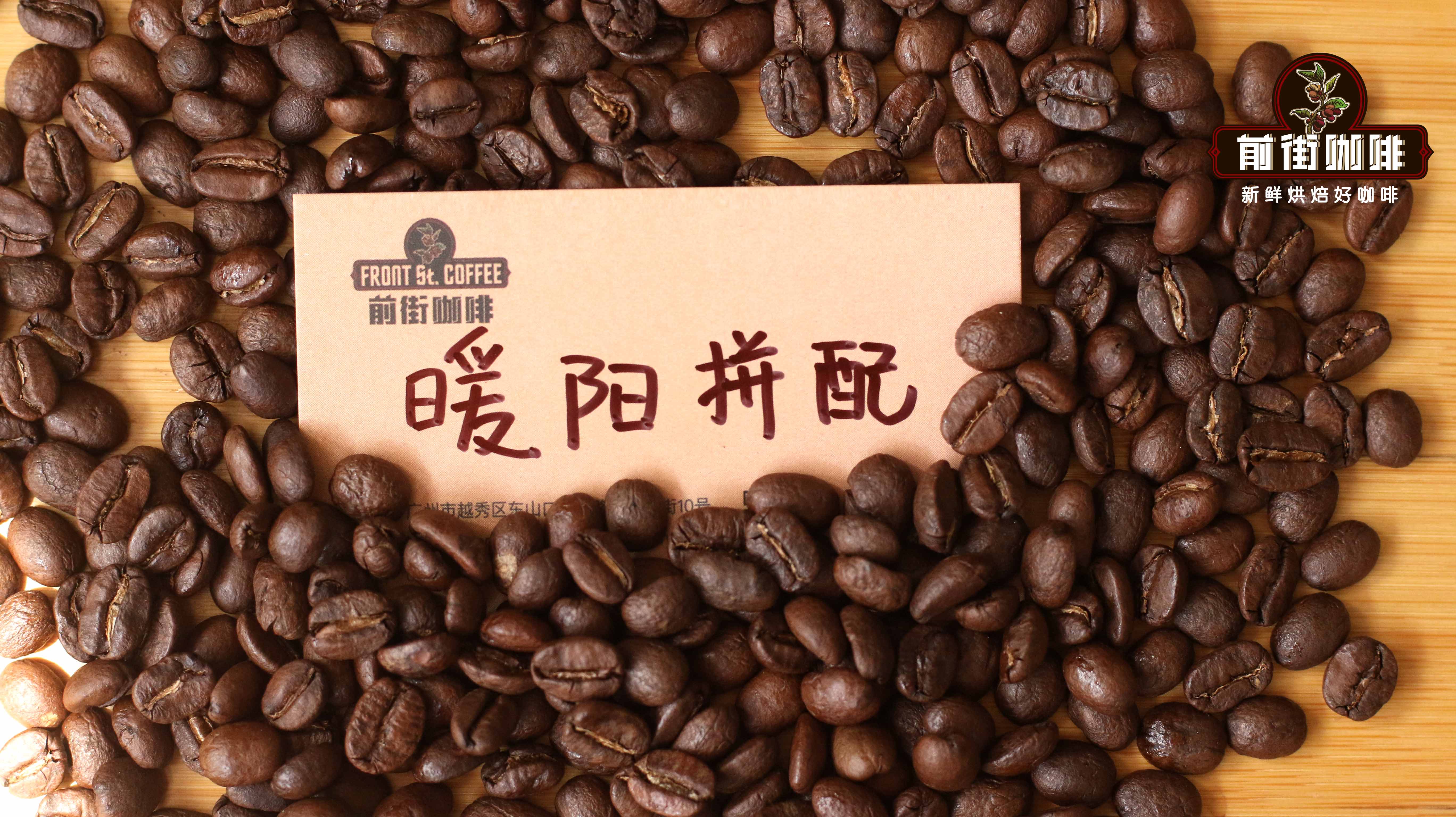
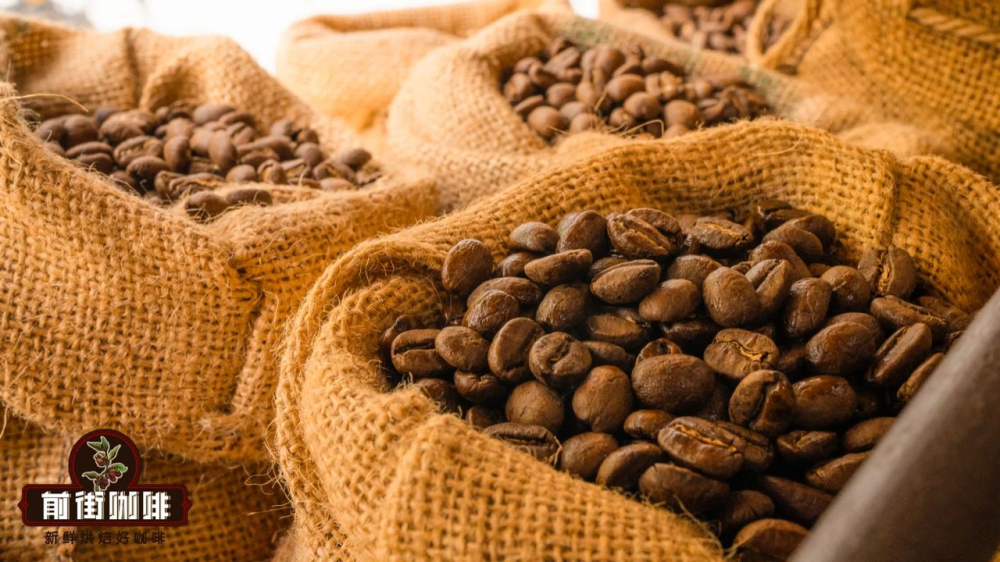
5. Premium All-Rounder Type: 70% Brazil, 30% Colombia. Medium-dark roast delivers a stable balance of bitterness and sweetness, suitable for daily drinking — the top choice for coffee lovers seeking classic flavors.
6. Entry-Level Budget Type: 40% Yunnan coffee beans, 60% Brazil. Exceptional cost-performance, with a neutral and universally likable flavor, suitable for budget-conscious consumers still wanting to experience espresso.
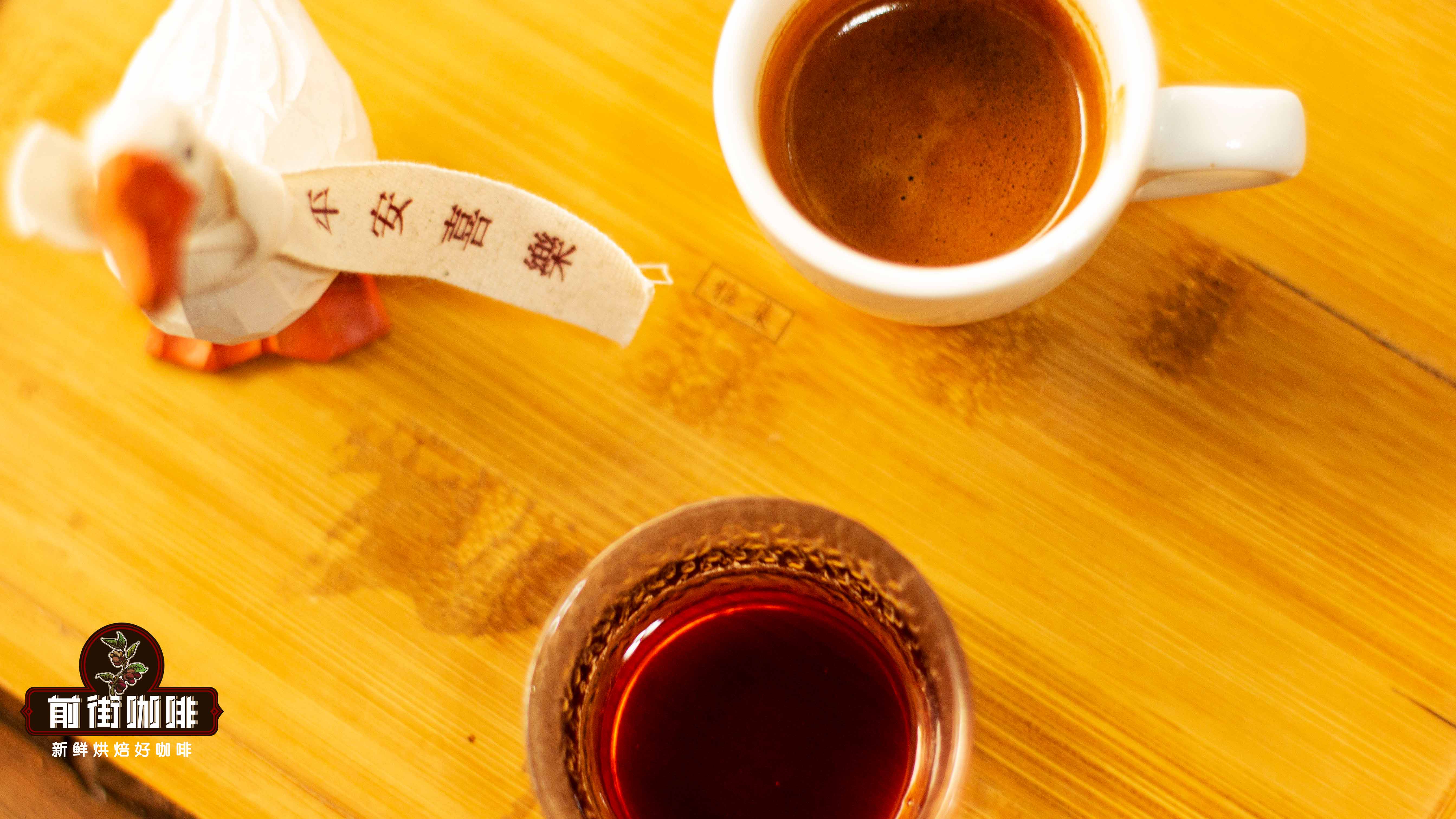
Finally, if you’re just starting out with espresso, it’s recommended to first rinse your palate with a small amount of cold water, then take small sips of the espresso to appreciate its intense layers. To reduce the intensity, you can add a small amount of sugar and fresh milk (not exceeding the amount of coffee itself), stir gently, and drink it in one go — this is also the easiest entry method for many coffee beginners. Additionally, the preservation or destruction of crema can also affect the overall flavor, so it’s best to enjoy it within 20~30 seconds for the optimal taste experience.
The above content is compiled by CoffeeHunters, a coffee news website.


