







Introduction:Specialty coffee emphasizes high-quality beans that showcase the unique flavors of their origin regions, ranging from light to medium roasts, and introduces you to classic representatives from various areas. This article details the distinctive flavor profiles of nine major coffee-producing regions and selects beginner-friendly single-origin pour-over beans, with key parameters and brewing tips to help you easily choose and enjoy them.
What is specialty coffee? As coffee culture has evolved—from dark, bitter roasts to medium and light roasts—“specialty coffee” has become synonymous with a focus on origin and processing methods. It refers to coffee that clearly expresses its regional characteristics, offers high quality, and boasts complex flavor layers. These beans typically come from high-altitude cultivation, carefully selected varieties, and unique processing techniques.
How to identify specialty coffee?The key lies in freshness and processing details. It’s generally recommended to choose coffee beans shipped within five days of roasting to ensure optimal flavor. The following section will introduce representative beans from globally renowned origins, helping you find your own preferred coffee profile.
First, let’s visitSumatra, Indonesia, where thePWN Golden Mandhelingis processed using the wet-hulled method, grown at altitudes of 1100–1600 meters, and is classified as G1 grade, triple hand-picked beans.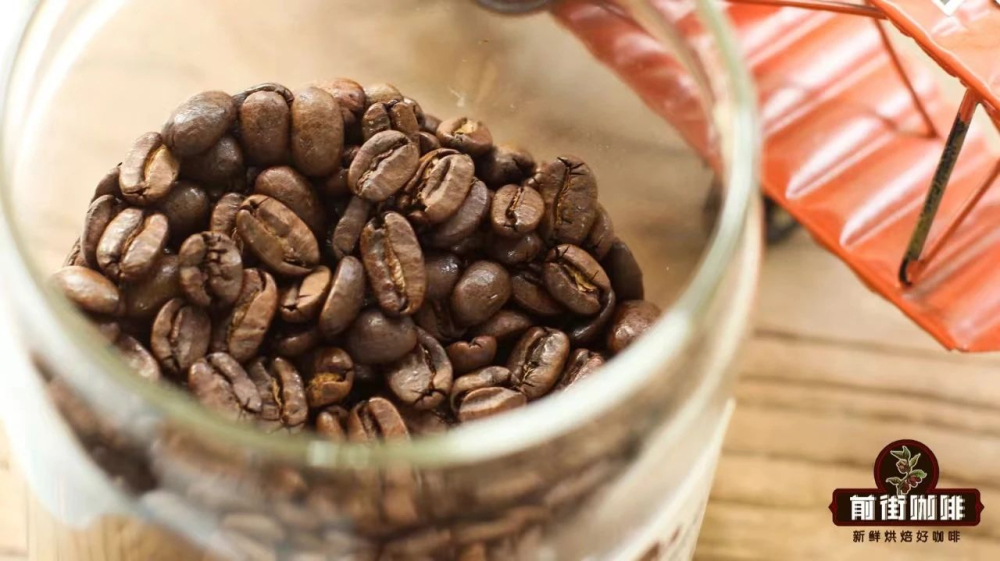 Its flavor is rich with herbal and spicy notes, accompanied by black chocolate, caramel, and nutty undertones, making it ideal for those who enjoy bold flavors.
Next, head toYirgacheffe, Ethiopia,where the washed beans from the Kudhumi Cooperativeare grown at high altitudes of 2000–2100 meters, showcasing bright citrus acidity and sweet-tart berry flavors, with a honey-like sweetness and green tea aftertaste.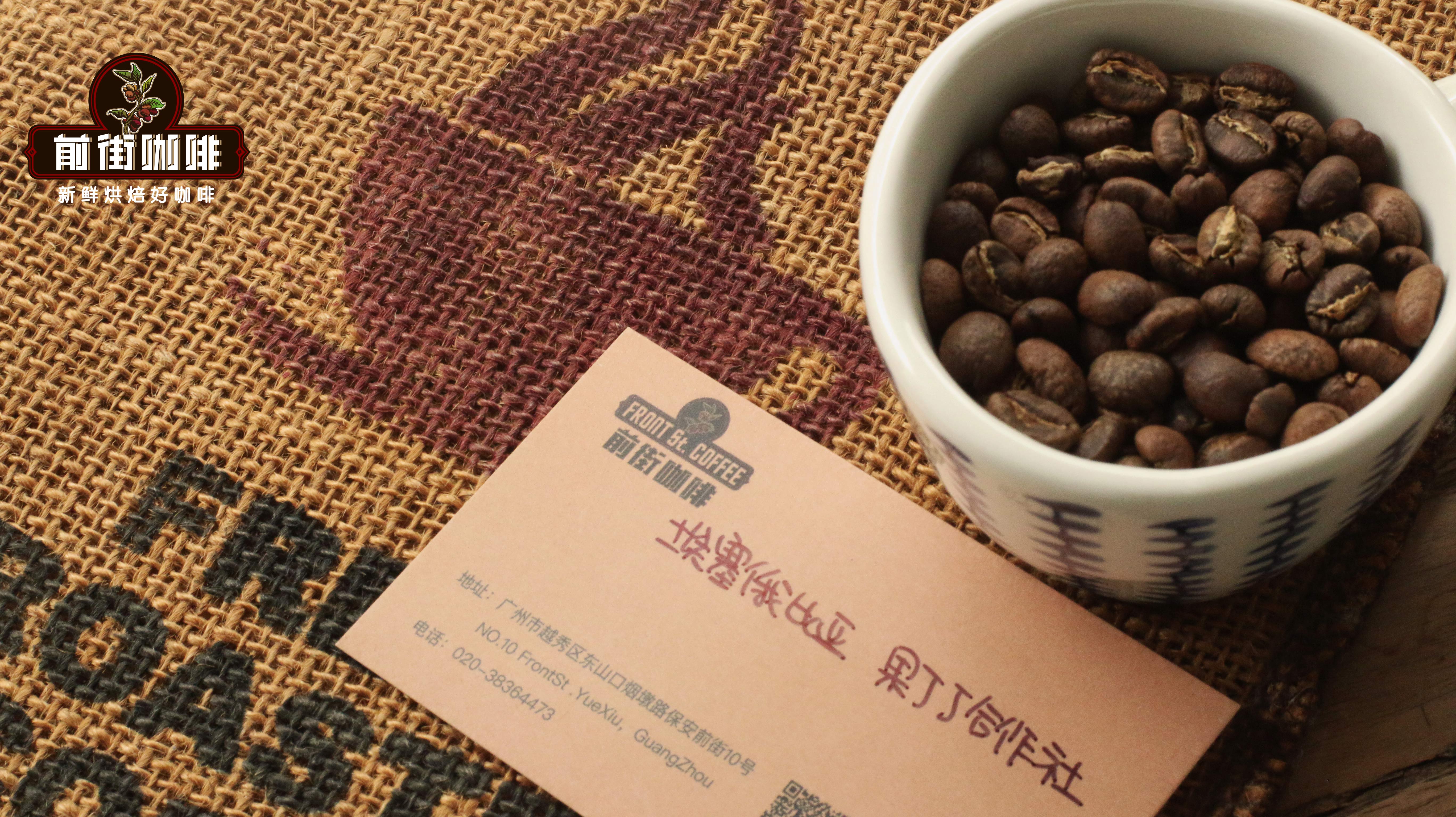 This bean is great for beginners wanting to experience the fruity aromas and vibrant acidity typical of African beans.
Also from Ethiopia,the Buku Able washing stationin the Sidamo Guji regionproduces theHuangui coffee beans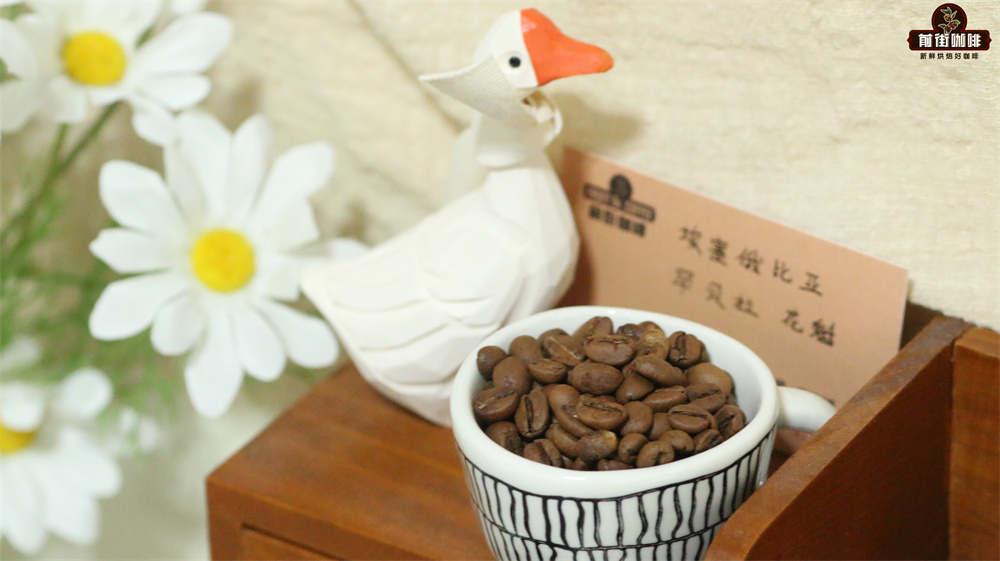 , grown at elevations of 2250–2350 meters and processed using the natural (sun-dried) method. These beans offer a complex blend of berry juice-like flavors and fruity fermentation aromas, paired with jackfruit sweetness.
This bean suits those who enjoy a balance of intense fruitiness and tea-like subtlety.Moving to East Africa,Kenya, theAthinia Washing Station in the Thika region
employs a 72-hour washed process, with beans grown at altitudes of 1550–1750 meters, primarily the SL28 and SL34 varieties.The flavor profile features tartness reminiscent of cherry tomatoes, plums, and dark plums, paired with a brown sugar sweetness—an excellent choice for experiencing the balanced sweet-tart profile of African beans.In Central America,the Mirasu Estatein Costa Rica’s Tarrazú region processes beans grown at 1700 meters using the
raisin honey process, with a diverse range of varieties including Geisha and SL28.These “strawberry candy” beans offer aromas of strawberry hard candy, fermented grape raisins, and rose, with a honey-like finish—perfect for those who love sweet fruitiness and honeyed aftertastes.From China’s Yunnan Baoshan region, the
small-seed Typica coffee beansare grown at altitudes of 1450–1550 meters and fully red-fruit sun-dried, with the variety being Catimor.The flavor presents sweet-tart red berries, deep black chocolate, and roasted nut aromas, making it an outstanding balanced bean from Asia.The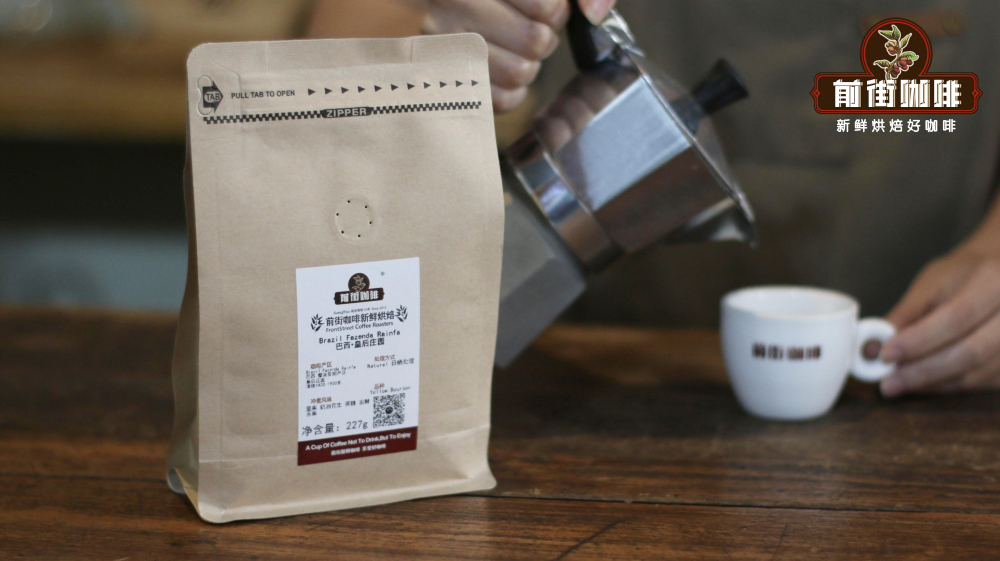 Queen Estate
in Brazil’s Mogiana regiongrows beans at altitudes of 1400–1950 meters and uses a semi-washed (pulped natural) process, with the variety being Yellow Bourbon.This coffee offers roasted nut aromas and a smooth peanut butter-like body, with a fermented fruit aftertaste—it’s the go-to choice for those who prefer low-acidity and full-bodied flavors.Next,in Papua New Guinea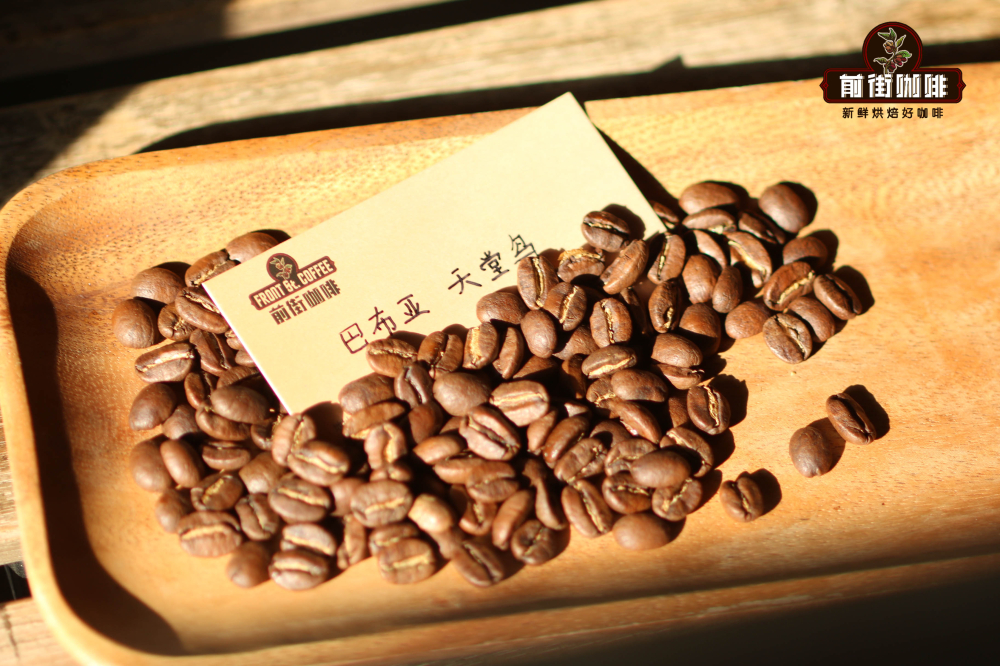 , the
Heavenly Bird Estateproduces washed beans grown at 1500 meters altitude, with the Typica variety, showcasing citrus acidity, toasted bread notes, and sugarcane sweetness, with a finish as clean as white tea.This bean is suitable for those seeking a balance of sweet and sour with a smooth mouthfeel.Finally,from the Blue Mountains of Jamaica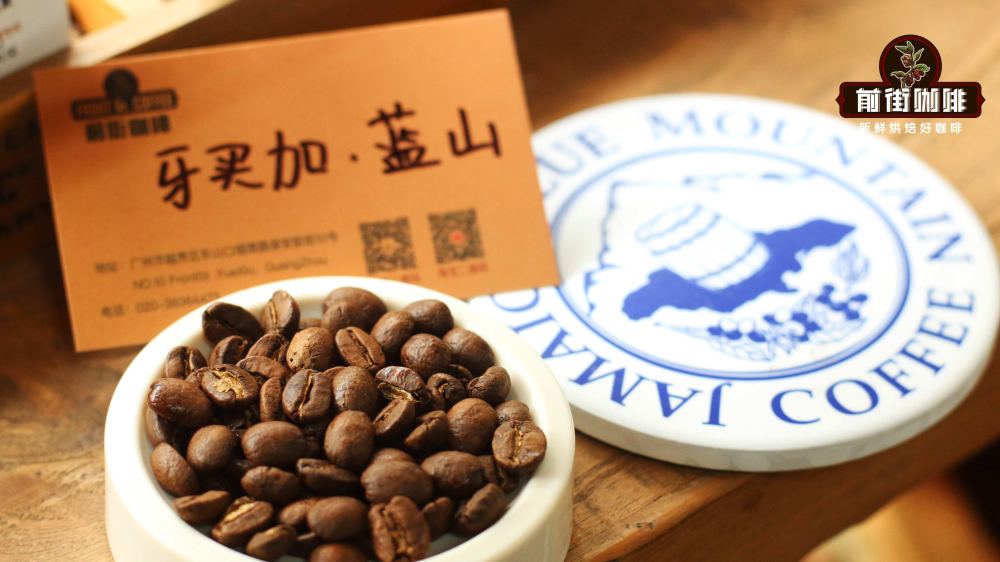 , the
Clifton Estateproduces No. 1 beans, grown at 1310 meters (note: the original 13100m is likely a typo), using the washed process, with the Typica variety.Its flavor balances sweet, sour, and bitter notes, featuring soft citrus acidity, rich black chocolate, and nutty creaminess—it’s a classic high-altitude specialty representation.From theBoquete region of Panama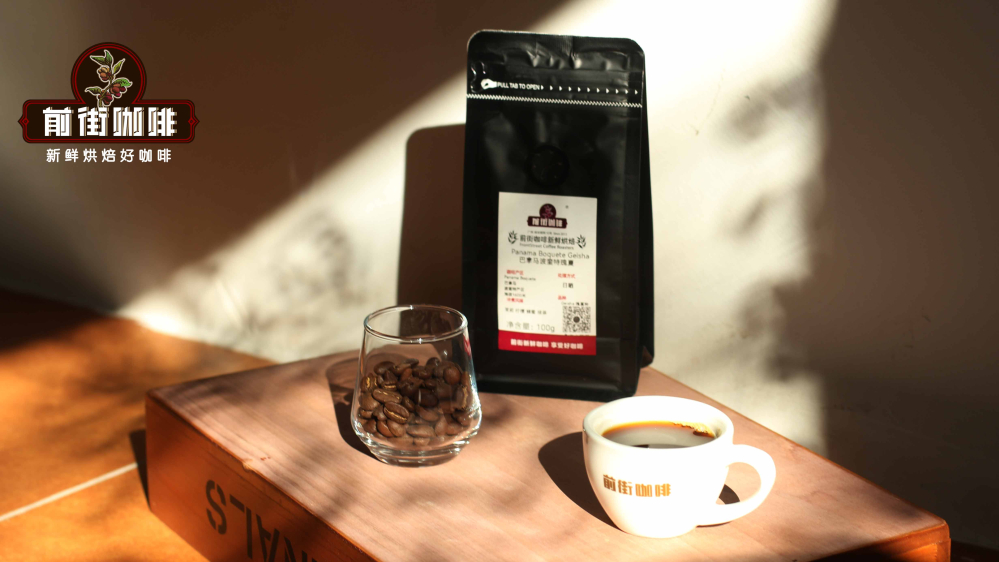 , the
The above content is compiled by CoffeeHunters, a coffee news website.

