








Introduction:When first getting into coffee brewing tools, many often hesitate between a French press and a moka pot. Both are beginner-friendly options, but they differ greatly in extraction methods and flavor profiles. This article delves into the principles, suitable scenarios, and ease of use of both tools, and recommends appropriate coffee bean choices to help you find the best entry-level combo based on your taste preferences and budget.
Many beginners to coffee often face a common question: which is more suitable for me—the French press or the moka pot? These two tools are considered ideal starting points for coffee newcomers, yet their operating principles, brewing results, and user experience vary significantly. Through this article, you’ll be able to clarify the characteristics of both at once, grasp the key selection points, and no longer be unsure which one to get.
Image location: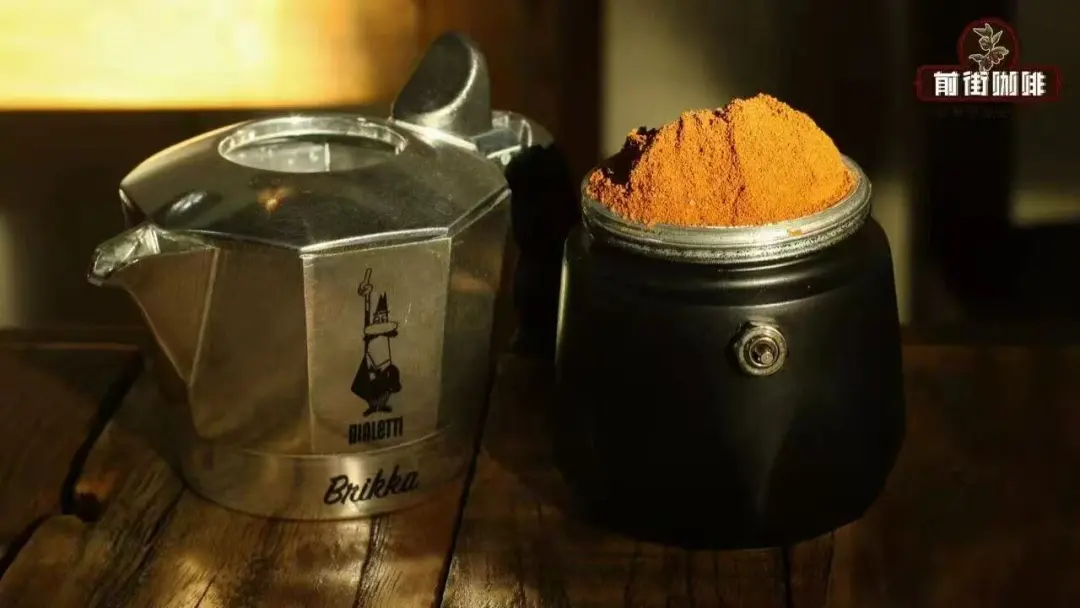
First, let’s talk about the French press, also known as the French filter press or plunger pot, with origins traceable to France around 1850. Its design is extremely simple, consisting mainly of a heat-resistant glass carafe (also available in transparent plastic) and a plunger outfitted with a metal filter. This tool was originally used for brewing tea, hence some users also refer to it as a “tea plunger.”
The French press uses an immersion brewing method, allowing hot water to fully steep with coffee grounds and simmer for a period of time, slowly releasing the aroma and flavors of the coffee through time accumulation. Since the entire process is gentle and doesn’t require complex techniques, as long as you choose suitable coffee beans and control the coffee-to-water ratio well, even beginners can easily brew a pot of coffee with rich flavor and a full body—it’s truly a “lazy person’s coffee gadget.”
Image location: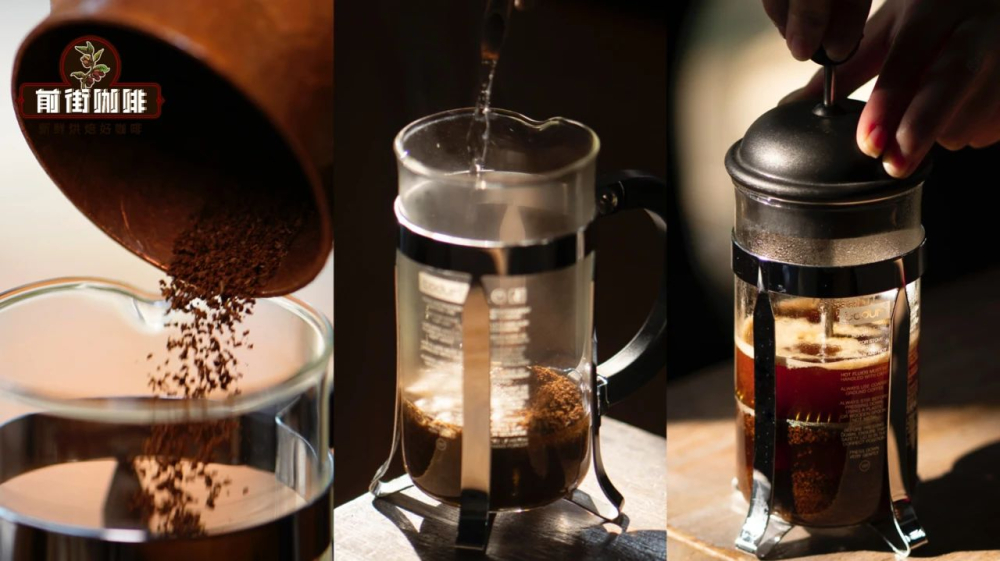
Next, let’s look at the moka pot, another popular choice for beginners. Its biggest highlight is its simple operation and affordable price. More importantly, if used properly, it can brew coffee with rich aroma and a crema layer, which is the “soul” many coffee enthusiasts seek.
The world’s first moka pot was born in 1933, developed by the Italian brand Bialetti. It utilizes steam pressure generated by heating (about 1–2 bar) for fast extraction and is considered a mini version of an espresso machine. In Italy, almost every household has a moka pot, making it an indispensable coffee companion in daily life.
Image location: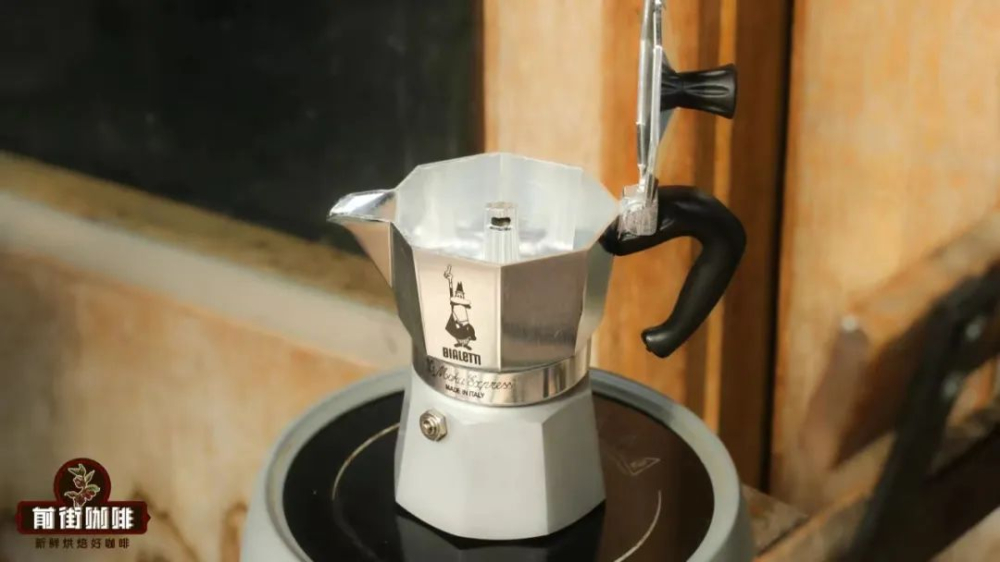
In terms of principle, the French press and moka pot are fundamentally different. The French press is an immersion brewer, with the whole process being gentle and slow-paced, requiring minimal technical skill from the user; whereas the moka pot uses pressure brewing, where steam pressure pushes water through the coffee grounds to extract a rich and layered coffee liquid.
Here is a summary comparison of their core differences: in brewing method, the French press is immersion-based, while the moka pot is pressure-based; in coffee strength, the French press is medium to low, while the moka pot is high and close to espresso; in taste, the French press offers a rich, thick, and layered profile, while the moka pot is known for its bold, full-bodied flavor and caramel notes; in crema performance, the French press yields little, while the moka pot can produce a rich crema-like layer; in ease of use, the French press is rated very simple (★☆☆☆☆), while the moka pot is simple (★★☆☆☆). Overall, the French press suits users who prefer simple operation and a milder taste, while the moka pot is better for those who enjoy intense flavors and want to experiment with variations like DIY lattes.
Image location: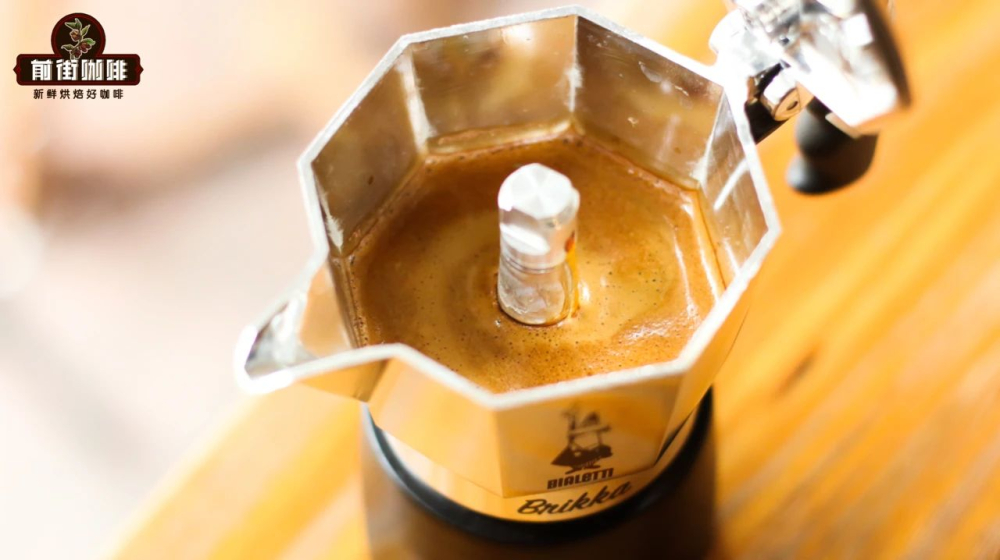
If you choose to use a moka pot, the selection and freshness of coffee beans are crucial. It is recommended to choose products from reputable brands that have been recently roasted to ensure optimal extraction and flavor performance. Among them, dark roasted coffee beans often better showcase the potential of the moka pot, as the heat transforms their flavors into caramel, chocolate, and nutty notes, and the built-up gases release under high pressure to form an attractive crema layer.
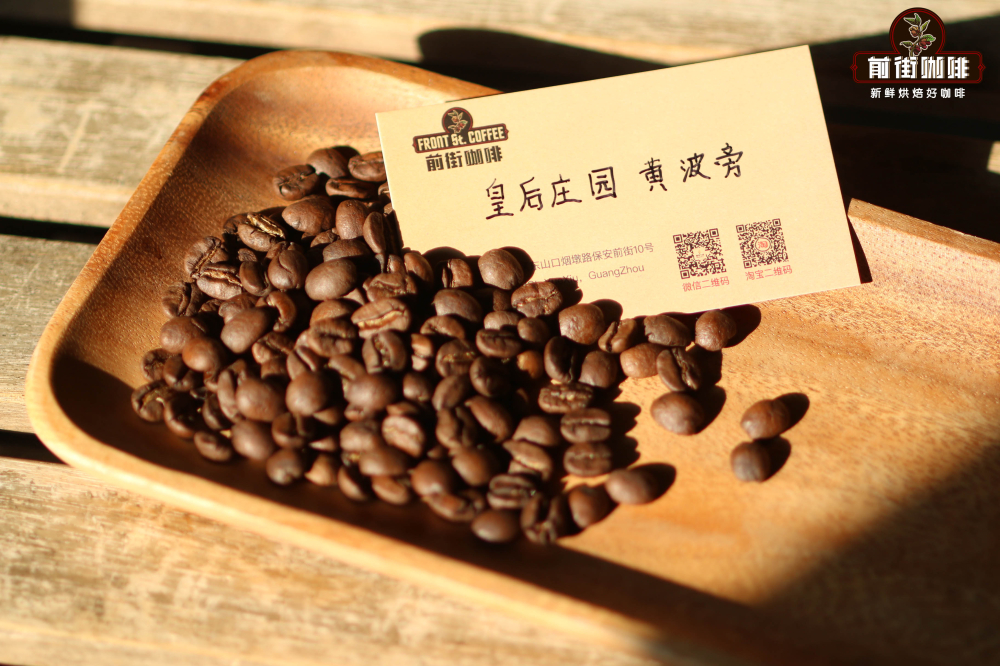
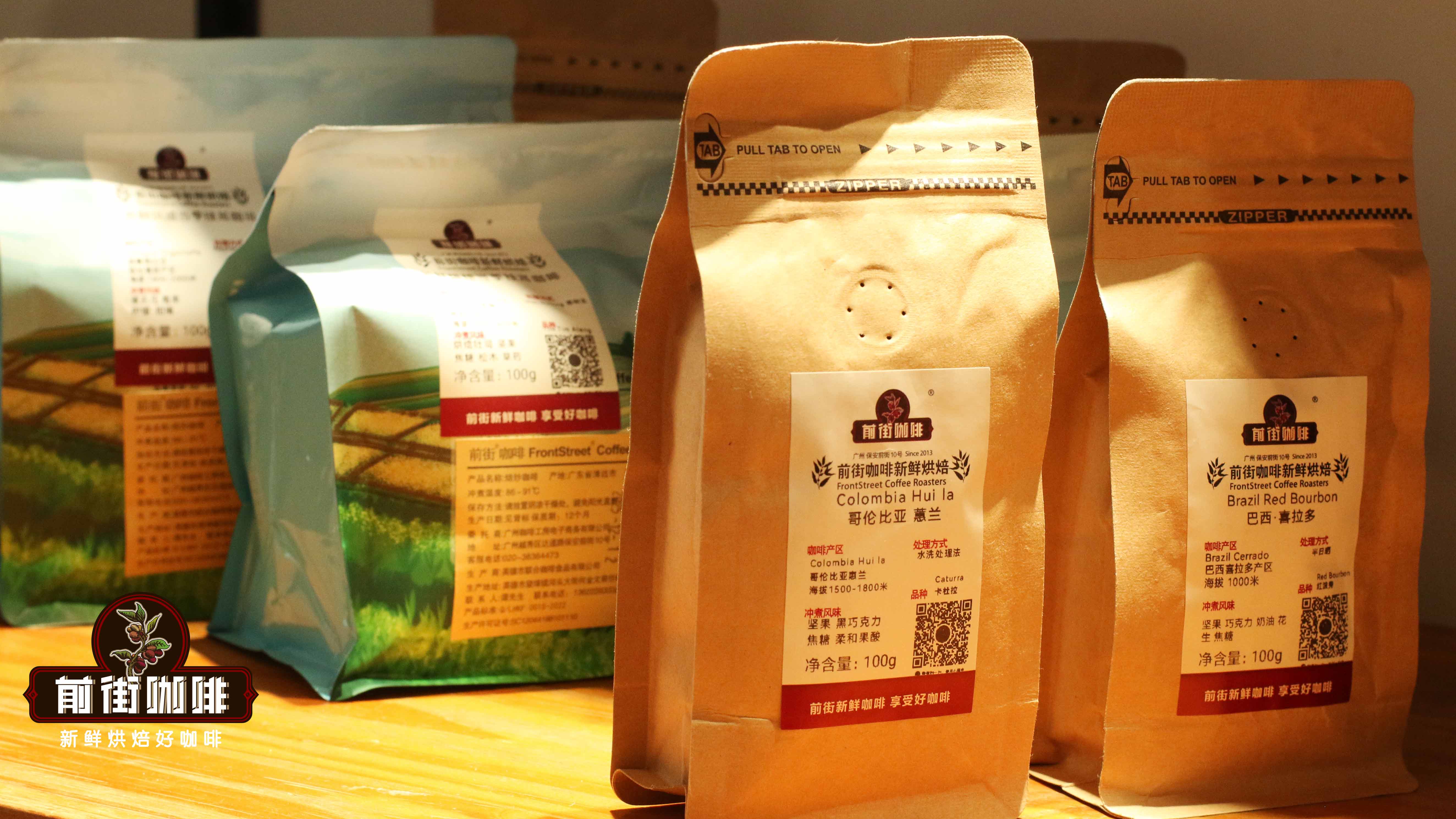
For single-origin coffee beans, here are a few recommended choices for moka pot use: first is high-grade Mandheling, which has a diverse flavor profile including black chocolate, caramel, and spicy aromas, with excellent crema performance; next is Brazilian coffee beans, known for their nutty and creamy notes, with mild acidity, suitable for beginners; additionally, Colombian Huila variety is also worth trying, with its strong unsweetened chocolate aroma, great for drinking straight or with milk.
Image location: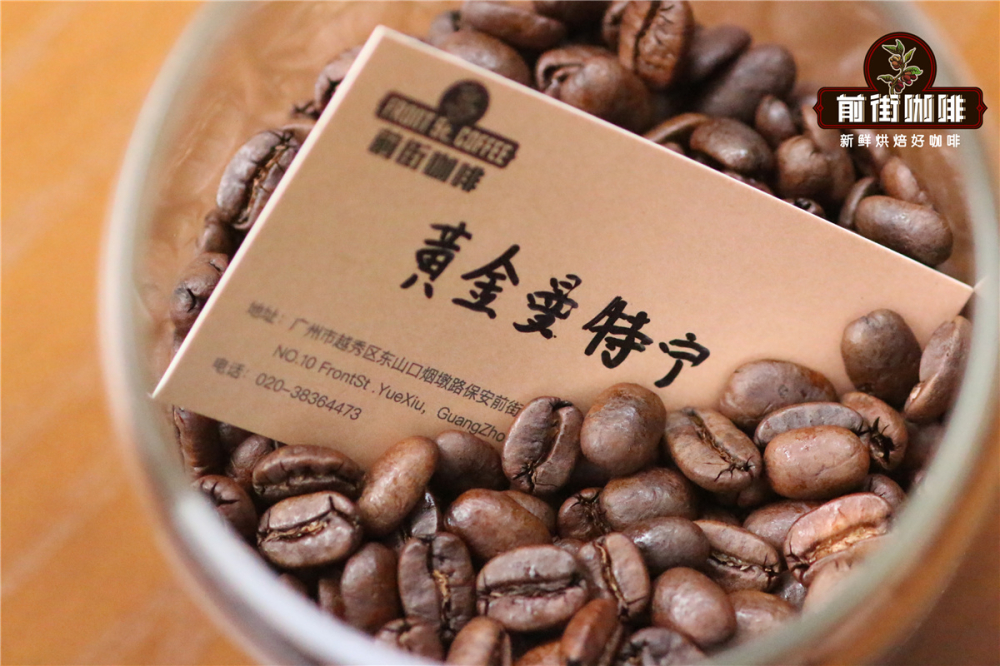 ,
 ,
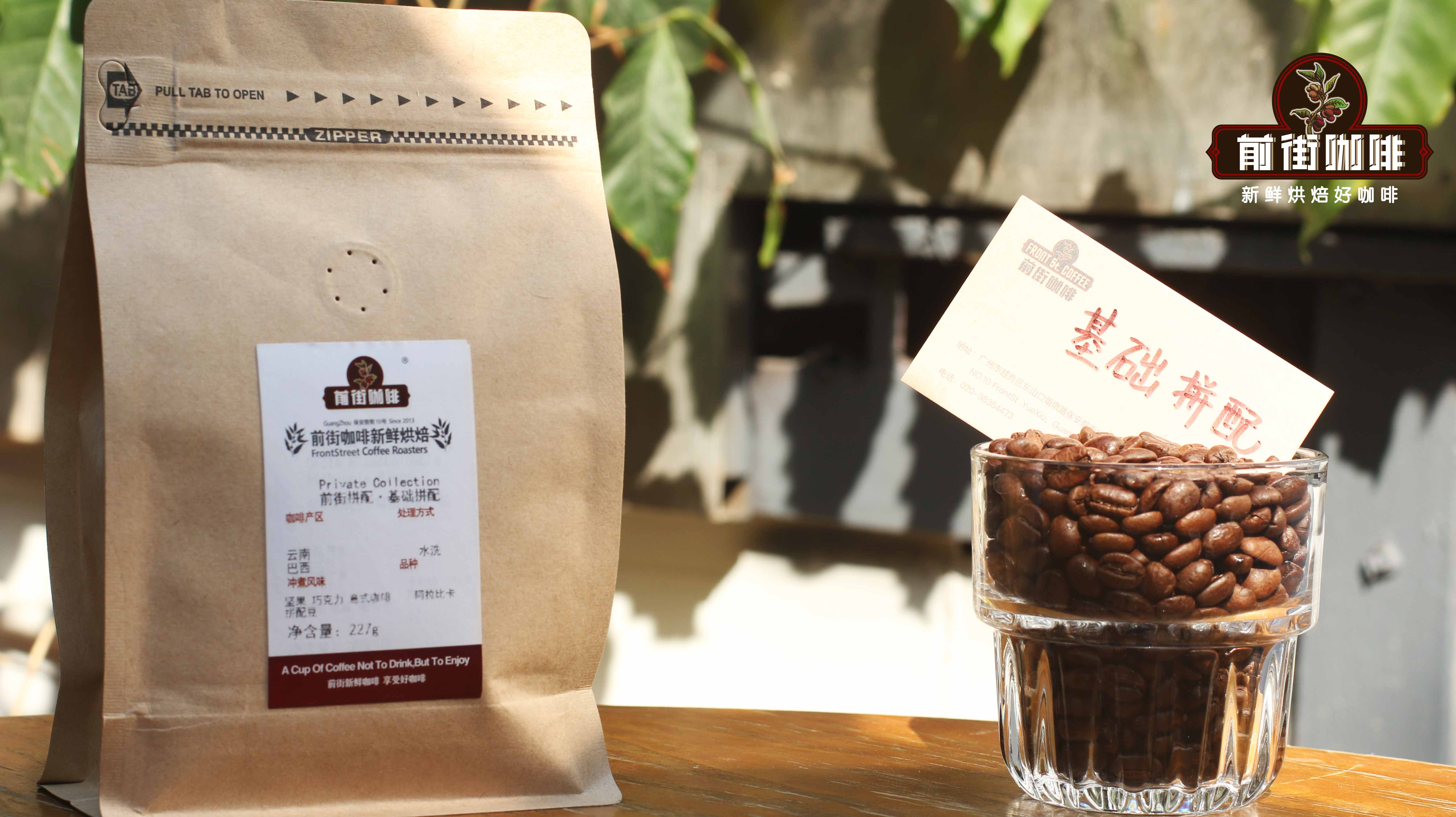
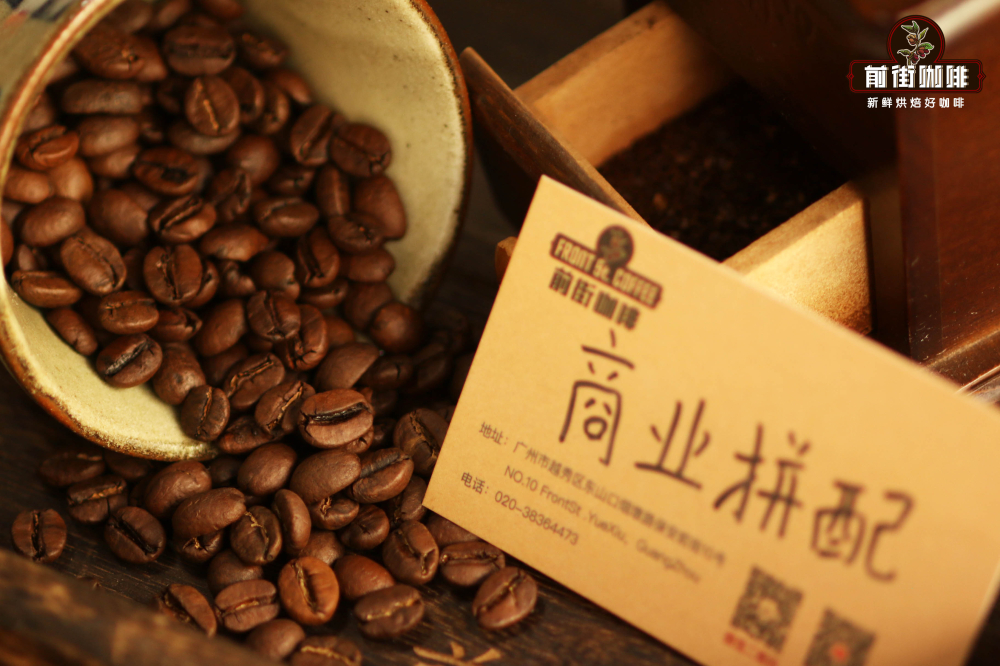
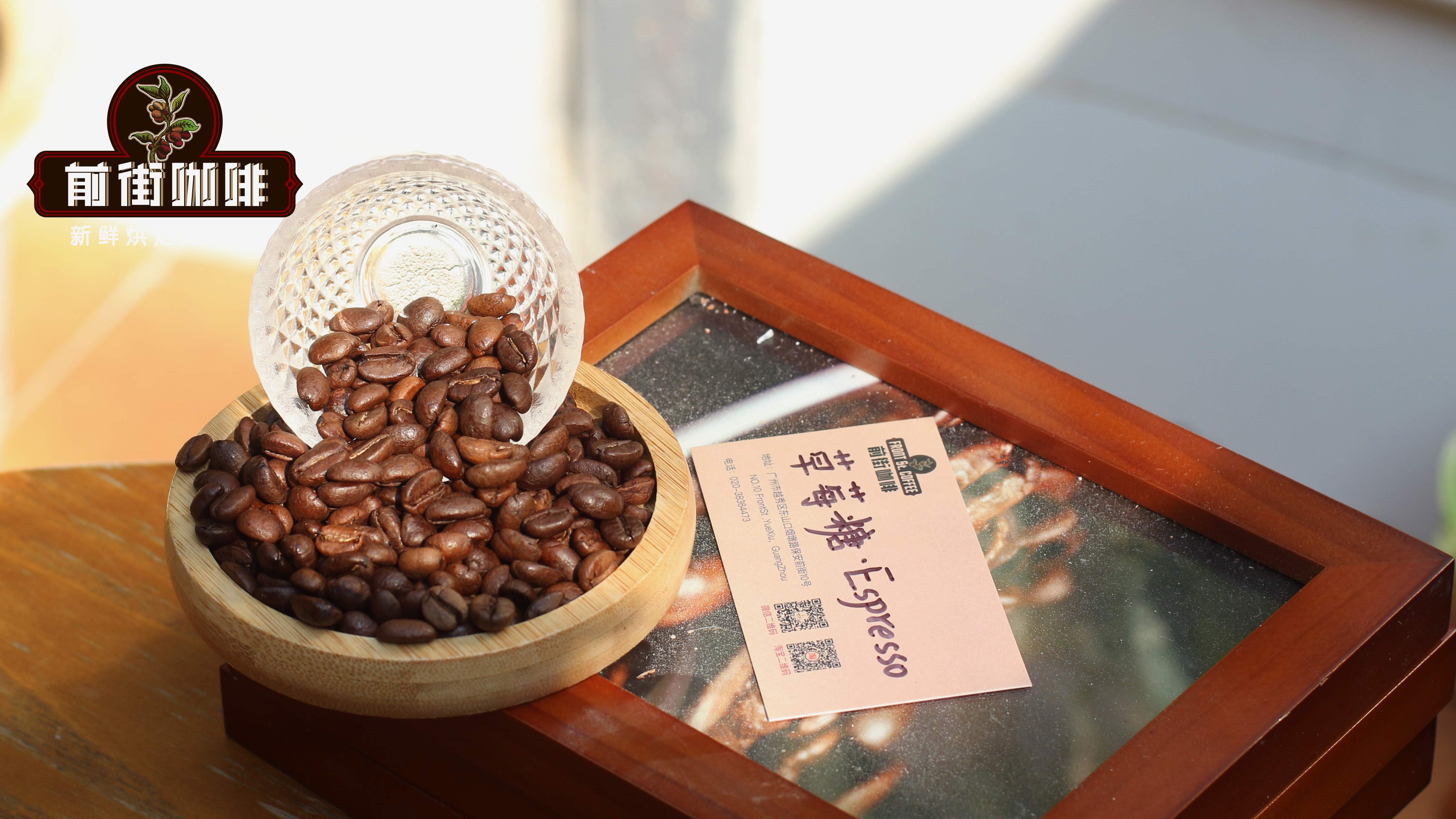
If you prefer Italian-style blends, there are also several recommended combinations: classic Italian blends combine Mandheling, Brazilian, and Vietnamese beans, yielding rich crema, suitable for making lattes or Americanos; basic Italian blends mix Yunnan and Brazilian beans, offering mild fruit acidity and caramel notes with good cost-performance; commercial Italian blends emphasize boldness, suitable for home or café daily use, with flavors mainly of nuts and cocoa.
Image location: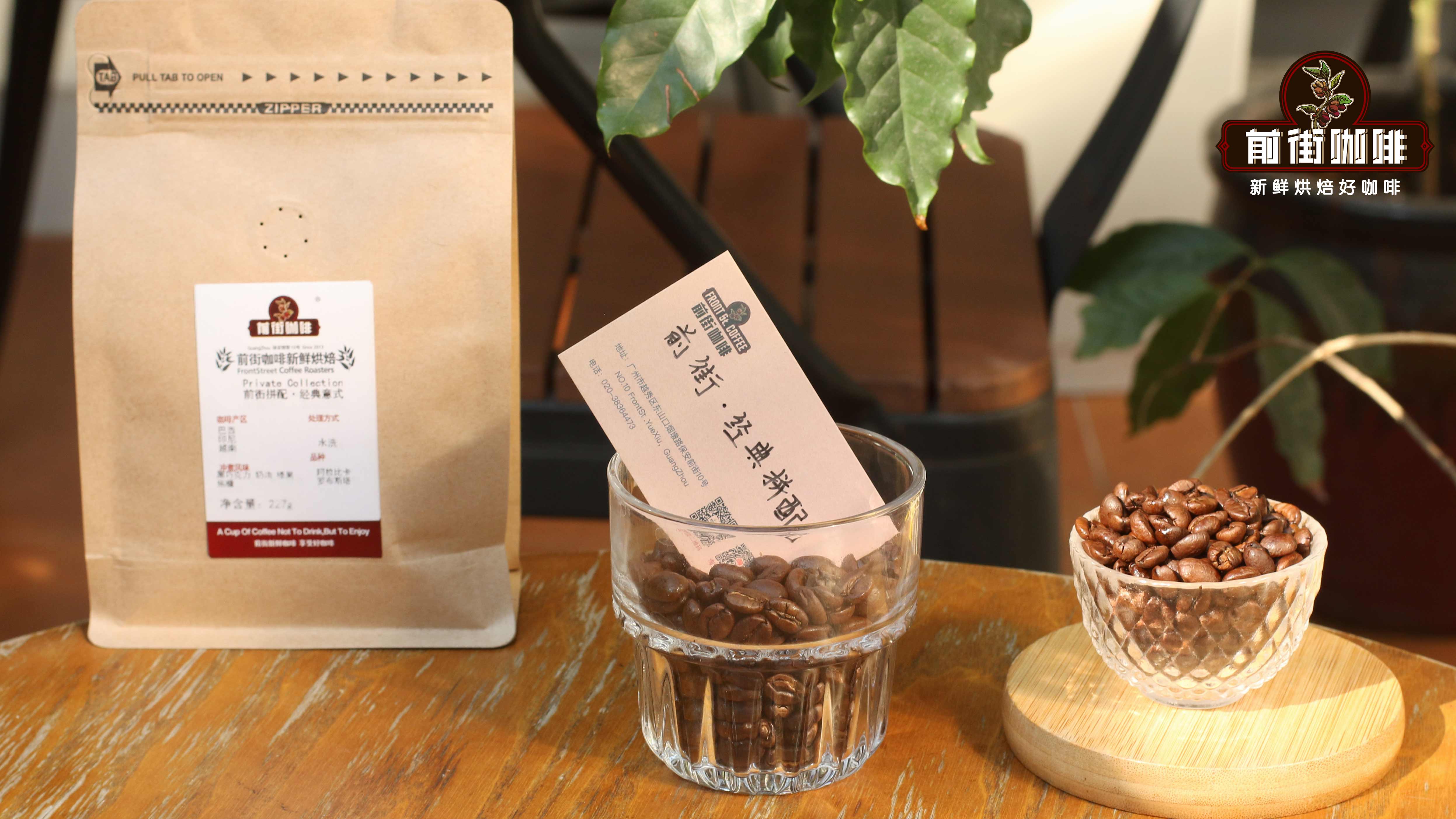 ,
 ,
 ,
In summary, the French press and moka pot each have their unique charm and suitable scenarios. If you’re after simple operation and a mellow taste, the French press is the best beginner option; if you’re drawn to a rich, bold coffee experience with crema, or want to try making lattes at home, the moka pot will better meet your needs. No matter which you choose, freshly roasted high-quality coffee beans are the key to brewing a great cup.
The above content is compiled by CoffeeHunters, a coffee news website.


