







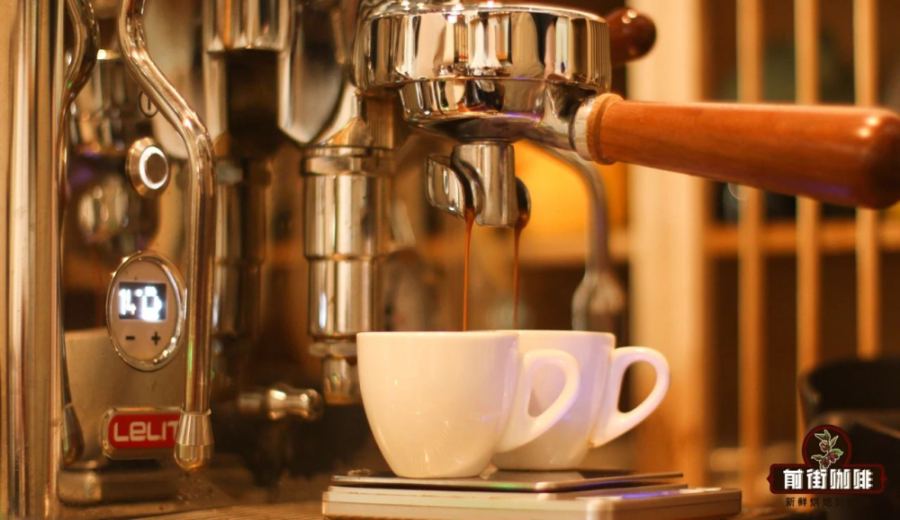
Introduction:Home fully automatic coffee machines are simple to operate — just press a button and enjoy freshly ground coffee, making them a top choice for many coffee enthusiasts. But how do you select the right coffee beans for a fully automatic machine to brew a rich and flavorful Americano? This article provides a detailed introduction to common types of home fully automatic coffee machines, their operation procedures, and practical coffee bean recommendations based on different flavor preferences, helping you get started with ease and brew your ideal cup.
In modern homes and offices, fully automatic coffee machines have become the go-to tool for many people to enjoy coffee. With just a light press of a button, the entire process from grinding to extraction is completed quickly, without the need for complex manual operations — perfect for everyday use.
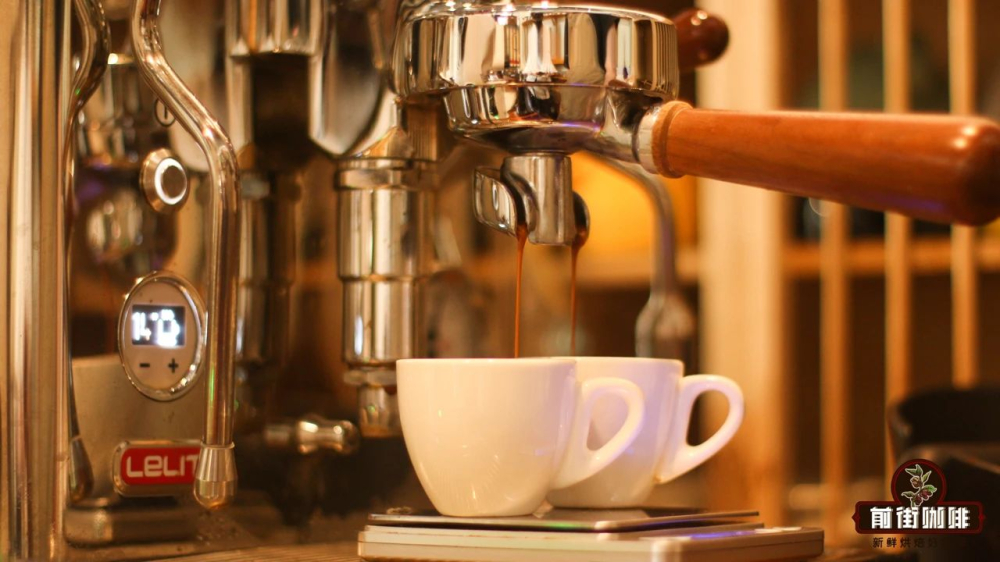
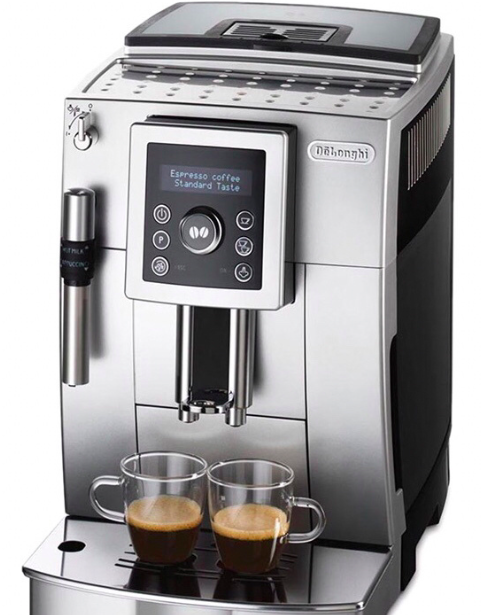
Currently, the commonly available "fully automatic" coffee equipment on the market can be roughly divided into three types: traditional fully automatic coffee machines, coffee all-in-one machines, and capsule coffee machines. Although all emphasize automation, they use different coffee materials. Traditional fully automatic coffee machines directly grind and extract coffee beans, while coffee all-in-one machines and capsule coffee machines mostly use pre-ground coffee powder or instant coffee capsules, which are convenient but lack the diverse flavors inherent in beans.
Preparation before use is crucial when using a fully automatic coffee machine. It’s recommended to clean the machine before first use, including the water tank, coffee grounds container, etc., to ensure no residual impurities affect the taste of the coffee. In addition, selecting the right coffee beans is the first step that influences the final flavor.
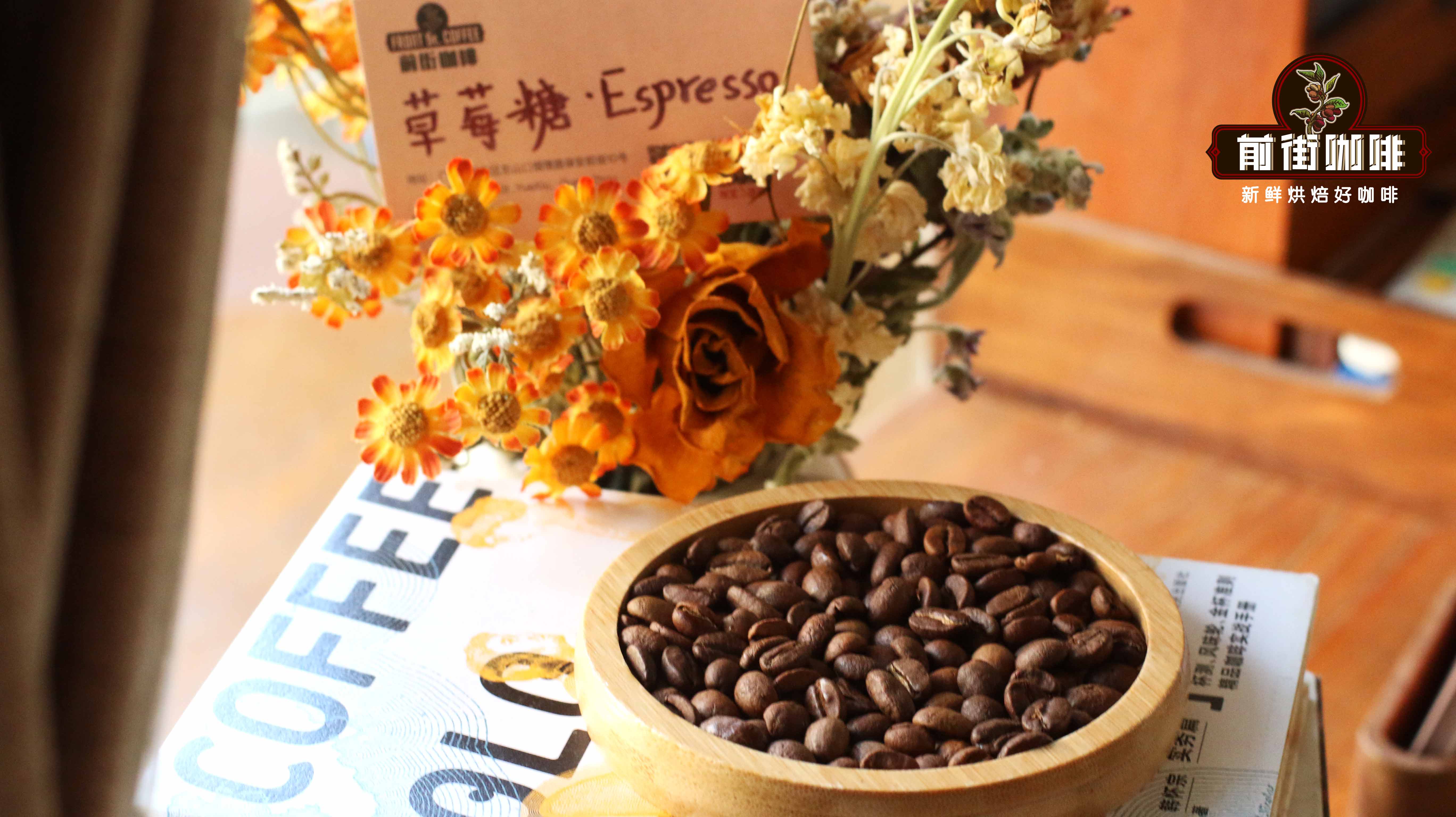
If you prefer bright acidity and fresh floral notes, consider choosing beans with citrus, strawberry, and floral flavor profiles; if you’re fond of tropical fruits and fermentation flavors, coffee beans with complex aromas such as berries, passion fruit, and grapes are more suitable; and if you enjoy a rich and full-bodied taste — such as dark chocolate, caramel, and nutty notes — you may want to prioritize low-acid, well-balanced blends or single-origin beans.
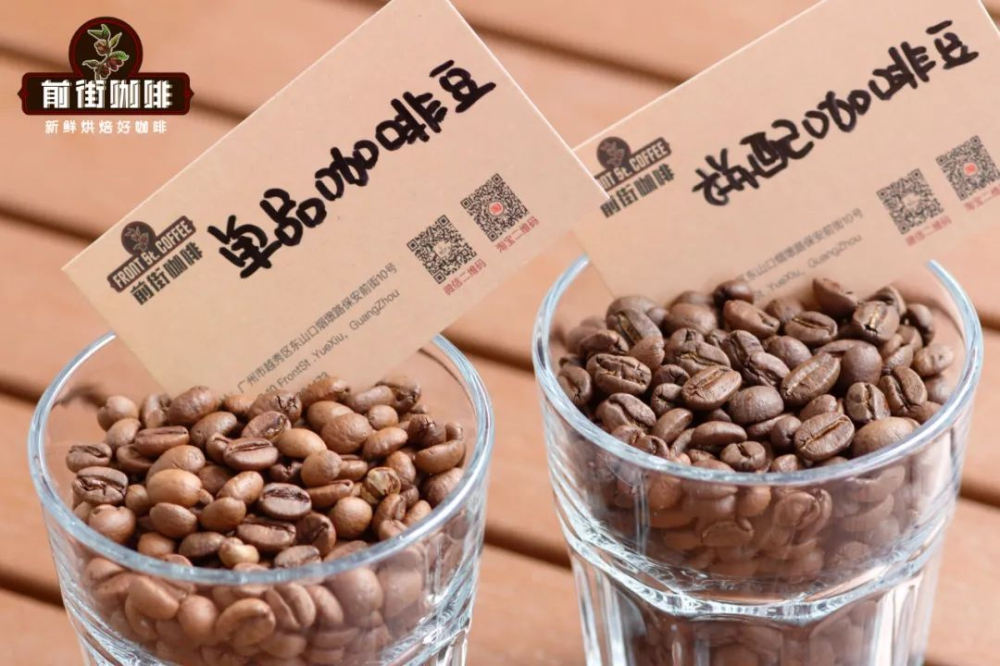
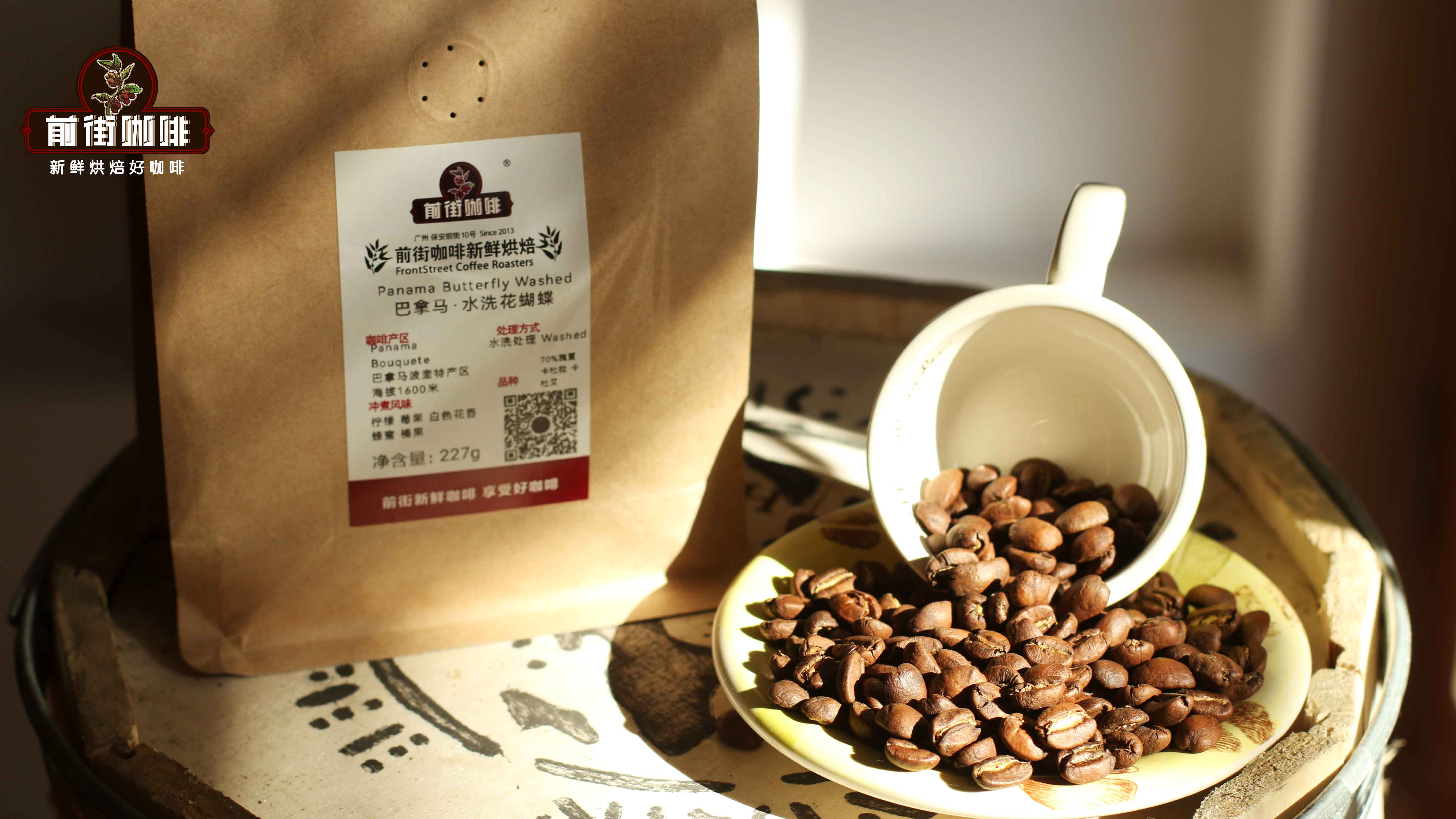
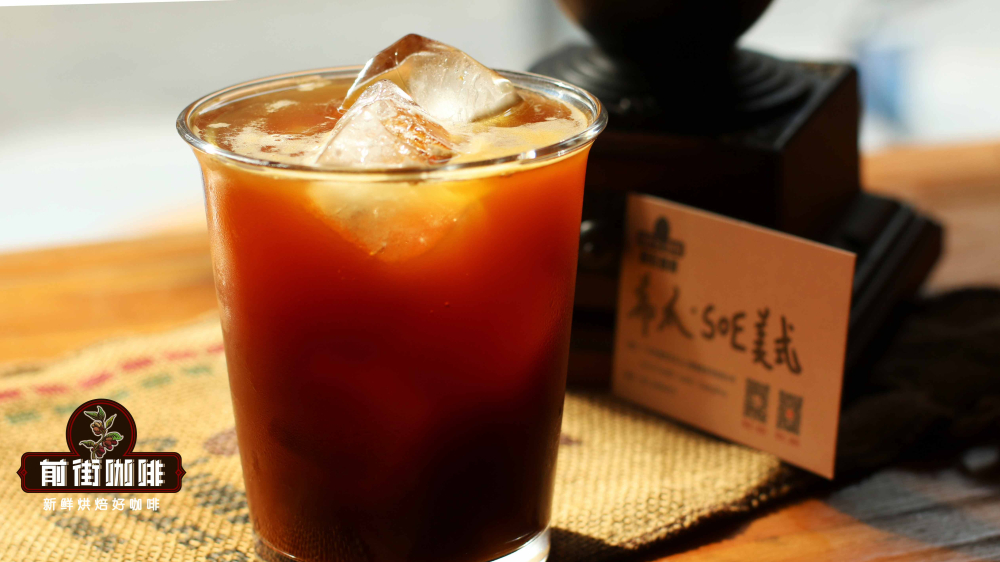
Besides single-origin specialty beans, Italian-style blends are also a good choice. Blends are created by proportionally combining coffee beans from different origins, helping maintain flavor stability and delivering a rich, solid taste that's suitable for daily frequent use. Common blend combinations such as Brazil and Colombia beans can bring out layers of nuts, dark chocolate, and caramel, making them suitable for making Americano.
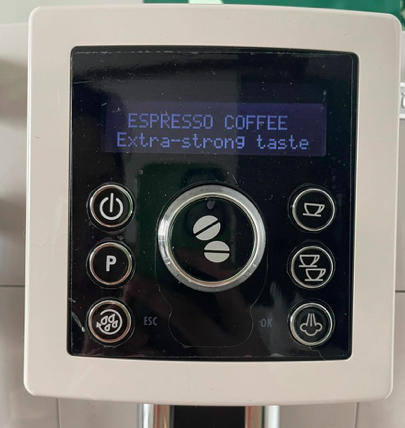
Before turning the machine on, ensure it is properly connected to a power source and perform basic settings according to the model. Most devices offer options for “small cup” and “large cup,” and some allow adjustment of concentration, water temperature, and double-cup output functions. If your model does not have a separate coffee powder compartment, make sure to use only coffee beans and avoid mistakenly adding coffee powder, which may cause blockages.
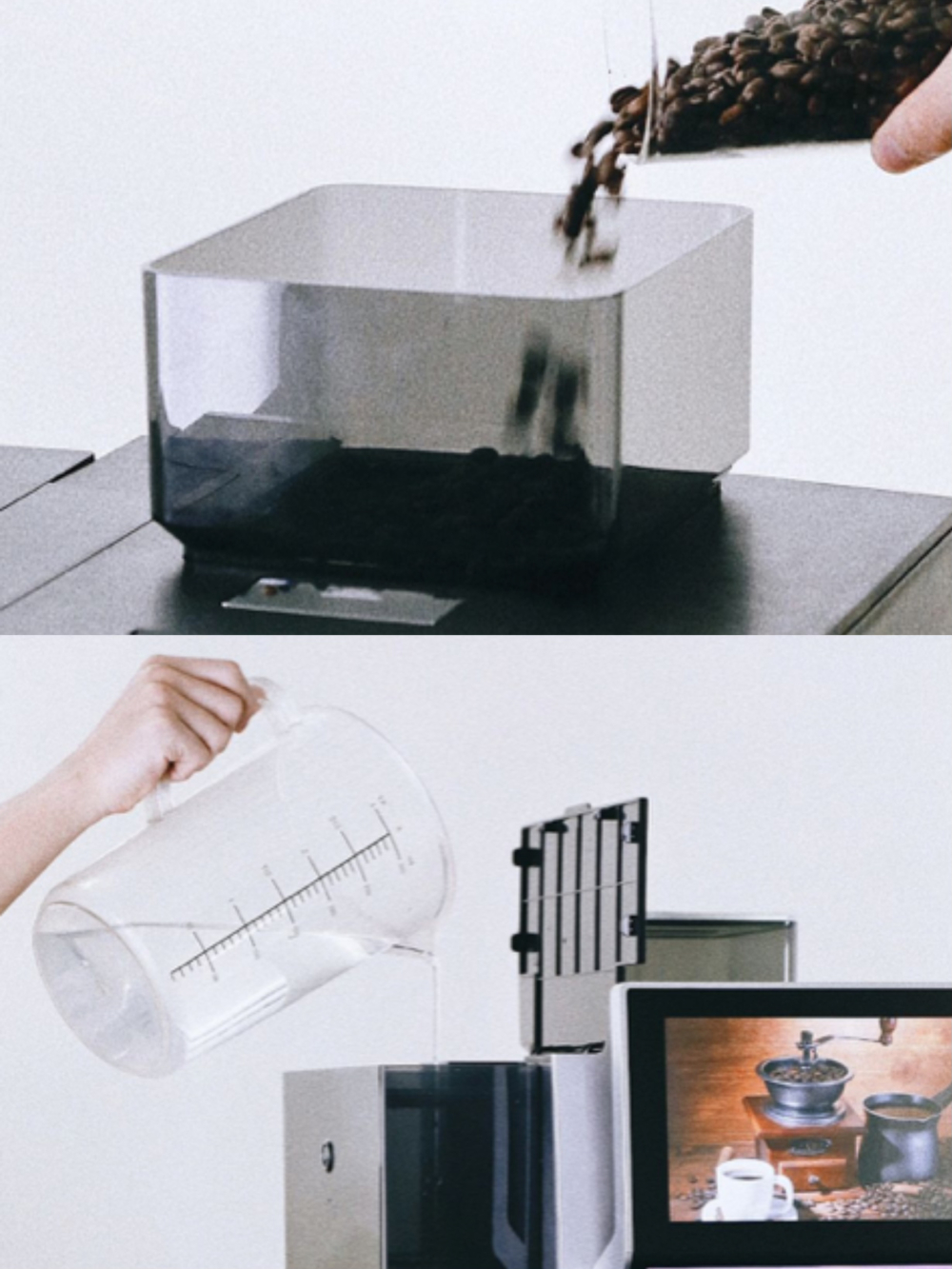
When adding coffee beans, it is recommended to fill the bean hopper to about 3/4 full, approximately 300–400 grams, depending on the machine’s capacity. Avoid overfilling or underfilling, as this may affect grinding efficiency and machine operation. At the same time, the water tank should also be filled to the indicated water level — typically around 3/4 capacity, or about 1.5–2 liters of fresh water — to ensure smooth extraction.
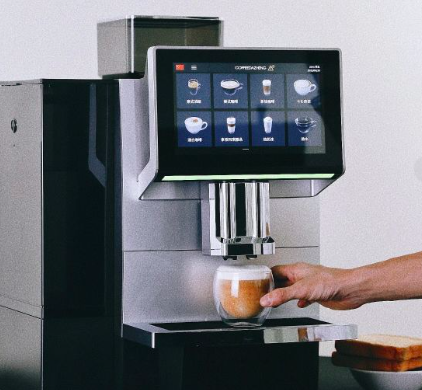
Once everything is ready, you can start making coffee. Choose the desired mode such as Americano, espresso, or latte, press the corresponding button, and the machine will automatically complete the grinding, tamping, and extraction processes. During brewing, it’s recommended to observe the machine’s operation to ensure there are no unusual sounds or leaks. After brewing, you can add sugar, milk, or other flavorings according to your personal taste to adjust the coffee to your liking.

Post-use cleaning and maintenance are equally important. It’s recommended to clean the coffee grounds container after each use, regularly wash the water tank and coffee outlet, and when the machine will not be used for an extended period, discard any remaining beans and water to prevent mold or spoilage. Keeping the machine clean not only helps maintain coffee flavor but also extends the lifespan of the device.
The above content is compiled by CoffeeHunters, a coffee news website.

