







Introduction:Selecting the right specialty coffee beans for pour over is key to enjoying the full spectrum of coffee flavors. This article features the top single-origin coffee beans from 10 renowned global producing regions, covering classic areas from Southeast Asia to Central and South America. Each bean is introduced in detail with information on its origin characteristics, processing method, altitude, and unique flavor profile, along with practical brewing recommendations to help beginners find high-value options that suit their taste preferences.
To explore the distinctive flavors of coffee around the world, choosing the right single-origin beans is the first step. The top 10 specialty coffee beans featured here all come from premium estates or cooperatives in well-known producing regions. Each bean has its own unique terroir and processing style—whether you prefer the bright acidity of African beans or the rich, low-acid flavors of South American profiles, you’ll find your ideal match on this list.
Sourced from Aceh in Sumatra at altitudes of 1100–1600 meters, these G1 grade Ateng variety beans undergo a traditional triple hand-picked wet-hulled process. Known for their bold herbal and spicy aroma, these beans present a flavor profile featuring distinct dark chocolate, caramel, and nutty notes. Ideal for those who enjoy rich, full-bodied flavors, it’s recommended to use a medium-coarse grind and medium-to-high water temperature for pour over to fully highlight its spicy and nutty layers.
Produced in Ethiopia’s Yirgacheffe high-altitude region at 2000–2100 meters from native Ethiopian varieties, processed via the washed method to deliver a clean and bright citrus acidity. This bean leads with a refreshing citrus acidity reminiscent of citrus fruits, followed by the sweet-tart complexity of berries and the sweetness of honey, with a green-tea-like clean finish. It’s perfect for beginners wanting to experience the floral and fruity notes typical of African beans. A fine grind and slightly lower water temperature are recommended to enhance its acidity.
From the Buku Able washing station in the Guji-Hambela region at 2250–2350 meters, this Ethiopian native variety is processed using the natural (sun-dried) method. Renowned for its intense fruity fermentation aromas, the flavor profile includes layers of mixed berry juice, jackfruit, and strawberry tartness. It’s an excellent choice for those who love bold fruitiness and fermented notes. A medium grind and slightly higher water temperature are suggested to fully bring out its sweetness and fruit character.
From the Assalia washing station in Kenya’s Thika region, grown at 1550–1750 meters using SL28 and SL34 varieties, and processed through a 72-hour extended washed method. The standout feature of this bean is its unique tomato and plum acidity, paired with the deep sourness of black plums and the sweetness of brown sugar. It offers a complex and recognizable flavor profile. For brewing, a medium-fine grind and stable water temperature control are recommended to clearly express the balance between its fruity acidity and sweetness.
From the Mirasu Estate in the Tarrazú region, grown at 1700 meters and processed using the raisin honey method, the varieties include Geisha, SL28, ET47, and Maico. Known for its sweet and captivating strawberry hard candy and raisin fermentation aromas, the flavor includes strawberry tartness and rose floral notes—a bright and sweet coffee bean with standout flavor. A medium-coarse grind and moderate water temperature are advised to highlight its dried fruit and floral layers.
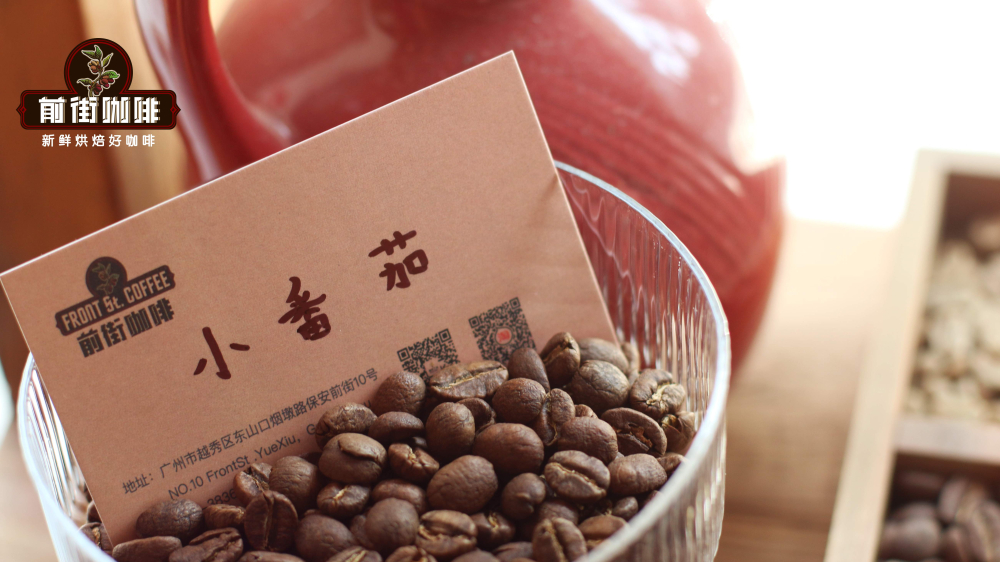
Produced in Baoshan, Yunnan, at 1450–1550 meters from the Catimor variety, using a whole red cherry sun-dried process. These Chinese Yunnan beans showcase surprisingly vibrant red berry tartness and sweetness alongside deep dark chocolate richness, along with roasted nut aromas and caramel sweetness. It’s a great choice for exploring Asian regional coffee profiles. For brewing, a medium grind and a slightly lower water temperature are recommended to balance its sweetness and acidity.
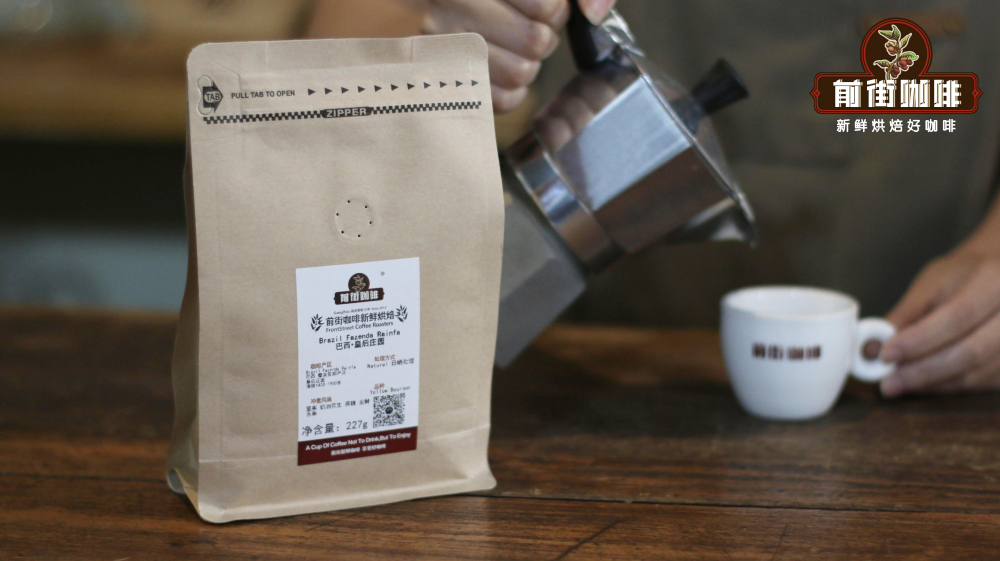
From Fazenda Rainha in the Mogiana region of Brazil, grown at 1400–1950 meters from the Yellow Bourbon variety, processed using the semi-washed (pulped natural) method. Known for its low acidity and rich body, the flavor includes roasted nuts, silky peanut buttery textures, and lingering fermented fruit notes—it’s a top pick for those who prefer smooth, low-acid coffee. A medium-coarse grind and slightly higher water temperature are recommended to fully showcase its creamy mouthfeel.
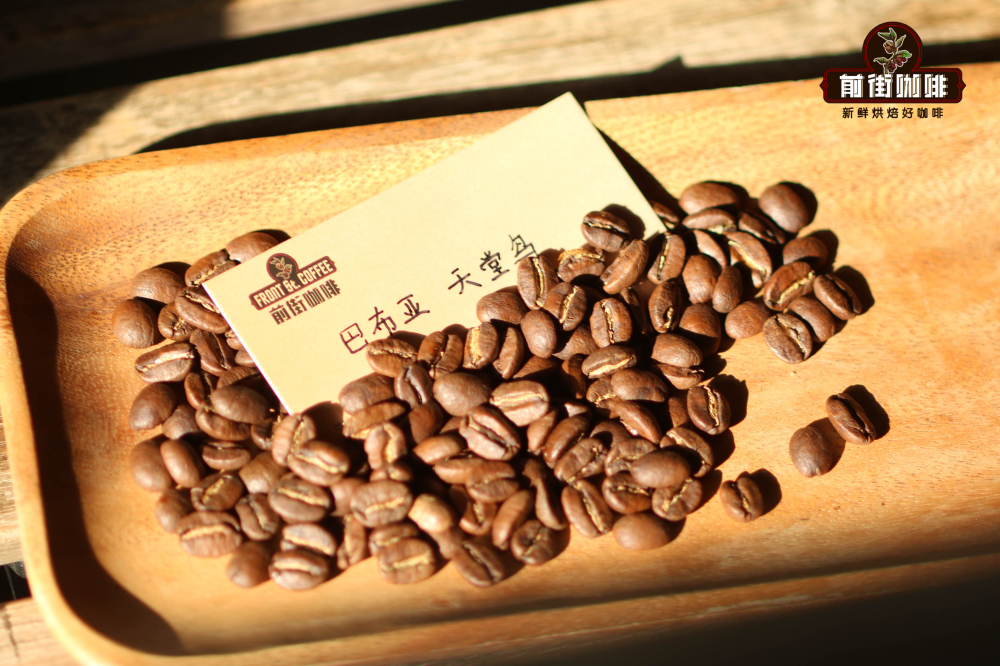
From the local Paradise Bird Estate, grown at 1500 meters from the Typica variety, processed via the washed method. This bean presents a bright citrus-like acidity paired with toasted bread aroma, cane sugar sweetness, and white tea aftertaste. Its flavor is fresh, clean, and well-layered, ideal for those who enjoy bright acidity and a light-bodied cup. For brewing, a fine grind and stable water pressure are recommended to clearly express its acidity and aroma.
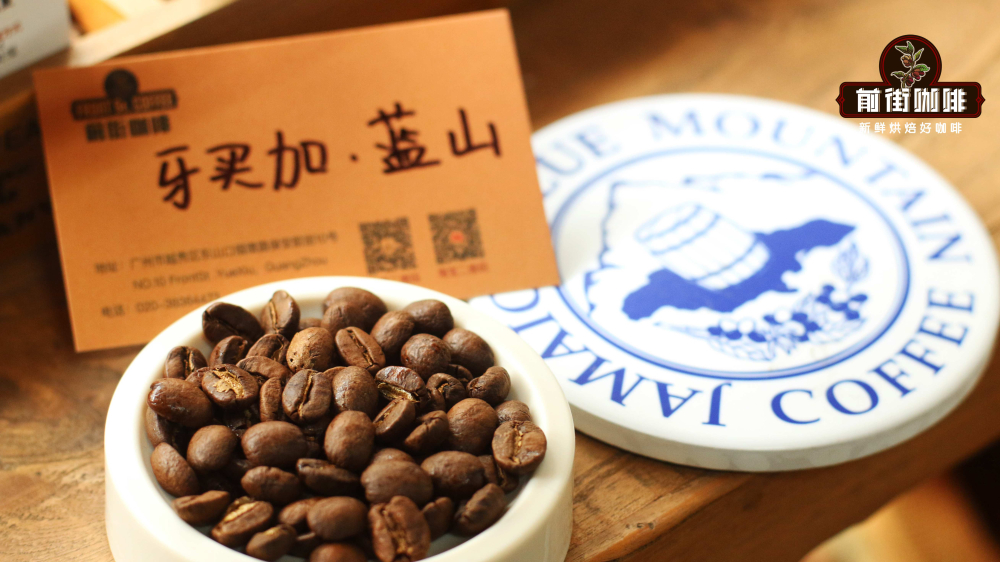
From the Clifton Estate in Jamaica’s Blue Mountains, grown at 1310 meters from the Typica variety, using the washed method. This world-renowned top-tier coffee bean is famous for its perfectly balanced proportion of sweet, acidic, and bitter notes. The flavor features gentle citrus acidity, rich dark chocolate aroma, and a smooth, nutty-creamy mouthfeel—it’s an unmissable choice for coffee lovers seeking ultimate quality. A fine grind and low water temperature are recommended to fully reveal its delicate flavor layers.

From the Finca La Esperanza’s Jaramillo Mario plot in Panama’s Boquete region, grown at 1700 meters from the Geisha variety, processed using the natural (sun-dried) method. This top-tier Geisha coffee is known for its complex fruit juice-like profile, bright citrus acidity, rose floral notes, honey sweetness, and black tea aftertaste. It’s a masterpiece among specialty coffees. For brewing, an extra-fine grind and low water temperature are recommended to fully present its floral-fruity aroma and refined sweetness.


The above content is compiled by CoffeeHunters, a coffee news website.

