







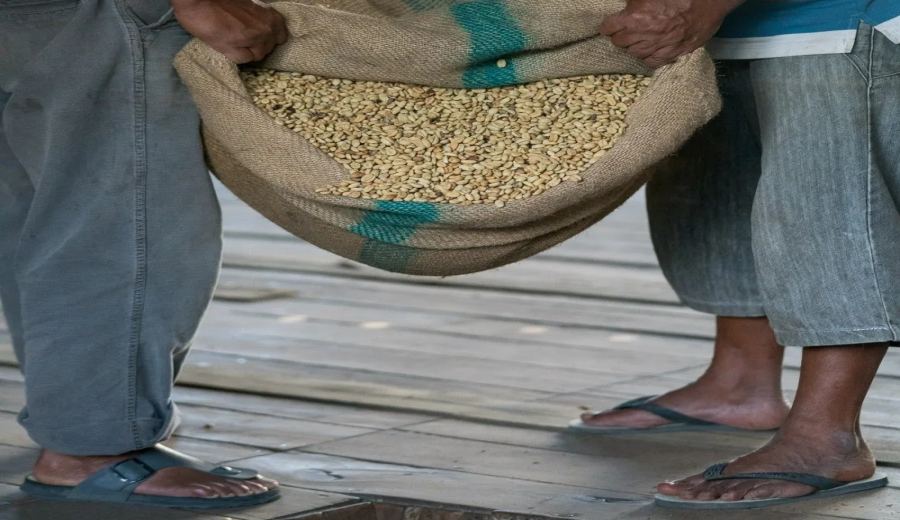
Introduction:Indonesia’s Sumatra Mandheling, especially the renowned Golden Mandheling, is celebrated for its full-bodied, smooth texture with notes of chocolate and herbal aromas. It is a favorite among many specialty coffee enthusiasts. This article delves into the origin background of this classic bean, the unique characteristics of the wet hulling process, its distinctive flavor profile, and offers professional advice on medium-dark roasting and pour-over brewing methods to help you understand how to extract its optimal layers of flavor.
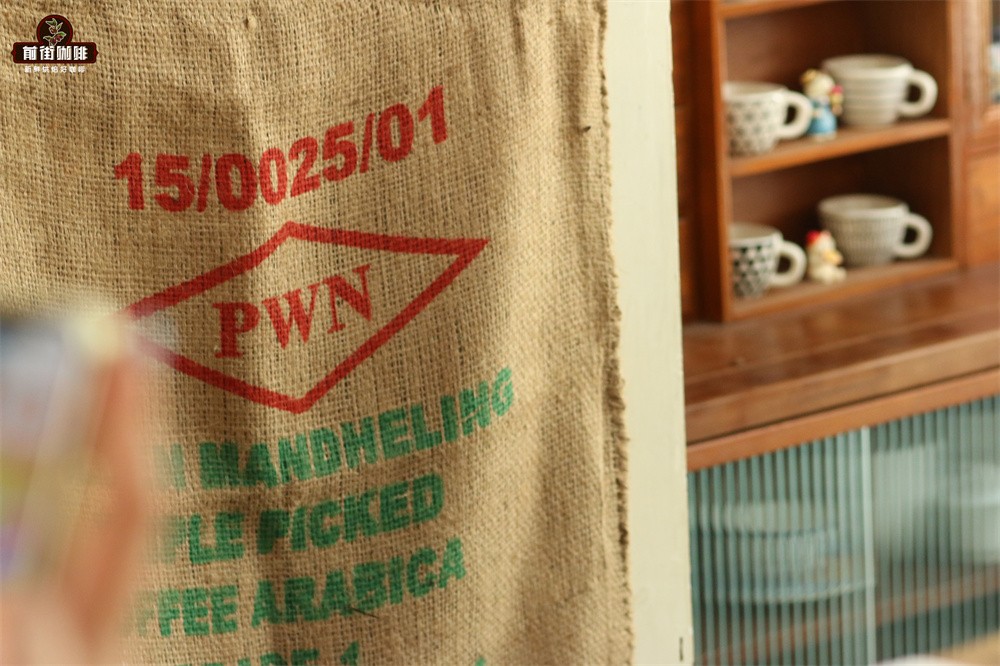
Originating from Sumatra, Indonesia, Golden Mandheling is a coffee bean that has garnered significant attention in the global specialty coffee market. Its flavor profile is built upon a rich foundation of dark chocolate, complemented by subtle herbal notes and a nutty finish. With a full-bodied and smooth mouthfeel, and an excellent balance between bitterness and sweetness, it is often the entry choice for many single-origin coffee lovers. The unique character of this coffee bean is inseparable from its growing environment and rigorous selection process.

When talking about Golden Mandheling, one must mention the renowned Indonesian coffee bean trading company. Since 1957, this company has been engaged in the export of coffee and other agricultural products. Its headquarters are located in Medan, a major port city in Sumatra, and it was founded by a Chinese family originally from Quanzhou, Fujian. The company focuses on sourcing Mandheling coffee from Indonesia’s top-producing regions. Through strict quality control and manual hand-picking, they select high-quality green beans that are flawless and plump. The result is what is hailed as “Golden Grade” Mandheling coffee beans—what we know today as Golden Mandheling.
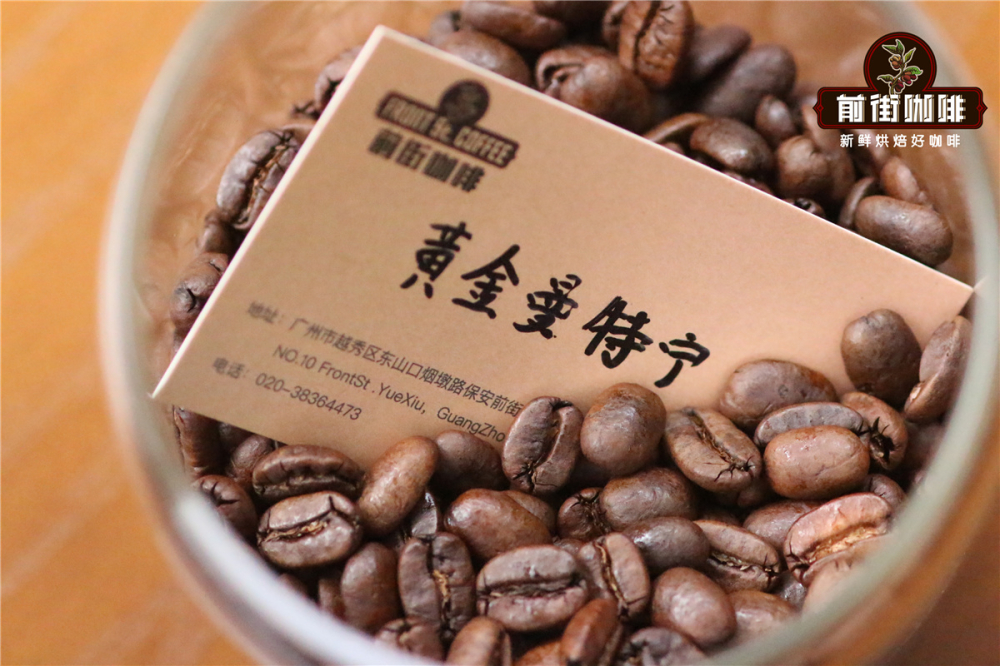
Golden Mandheling boasts a rich and deep flavor profile, often featuring tasting notes such as dark chocolate, herbal tones, cedarwood aromas, along with hints of fermented fruit and cocoa sweetness. These flavor characteristics are closely related to its status as a rare Arabica variety and its cultivation at high altitudes. Compared to typical Indonesian coffees, Golden Mandheling has lower acidity but offers a more intense and full-bodied mouthfeel, with a sweet and long-lasting aftertaste. It is not only ideal for pure enjoyment but can also serve as a foundational component in blends, contributing a stable and profound coffee character.
Sumatra is the largest island in Indonesia and features a typical tropical rainforest climate, with high temperatures, humidity, and abundant rainfall year-round. Most of the coffee plantations here are located in remote mountainous areas and pristine forests where water is precious. As a result, the region has developed a unique processing method known as “wet hulling” (also called Giling Basah). This technique involves removing the outer pulp and mucilage before the beans are fully dry, accelerating the drying process and imparting a distinct earthy and bold character to the coffee. Among all coffee beans produced in Indonesia, only about 25% are Arabica, and Golden Mandheling comes from the higher-altitude, refined growing regions of northern Sumatra such as Lintong and Mandheling.
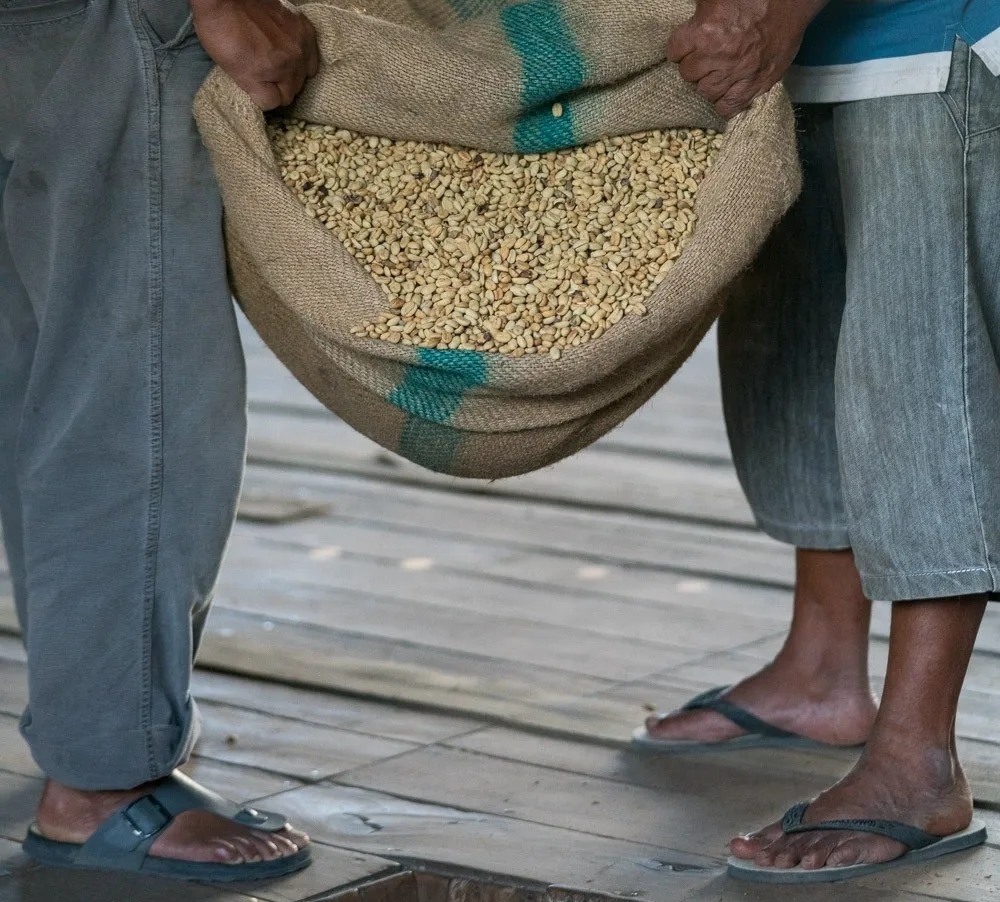
The history of Indonesian coffee dates back to the late 17th century when Dutch colonists introduced the Typica variety from India and expanded its cultivation in Java. Subsequently, coffee farming gradually extended to islands such as Sumatra, Sulawesi, and Timor. However, the widespread outbreak of coffee leaf rust in 1869 almost destroyed the local Typica-growing regions, forcing Indonesia to turn to more disease-resistant Robusta varieties. In addition to pure Robusta, various disease-resistant hybrid varieties were also introduced, such as the Tim Tim and Catimor series. These varieties gradually became the main cultivars in Sumatra, including the now-famous Mandheling.
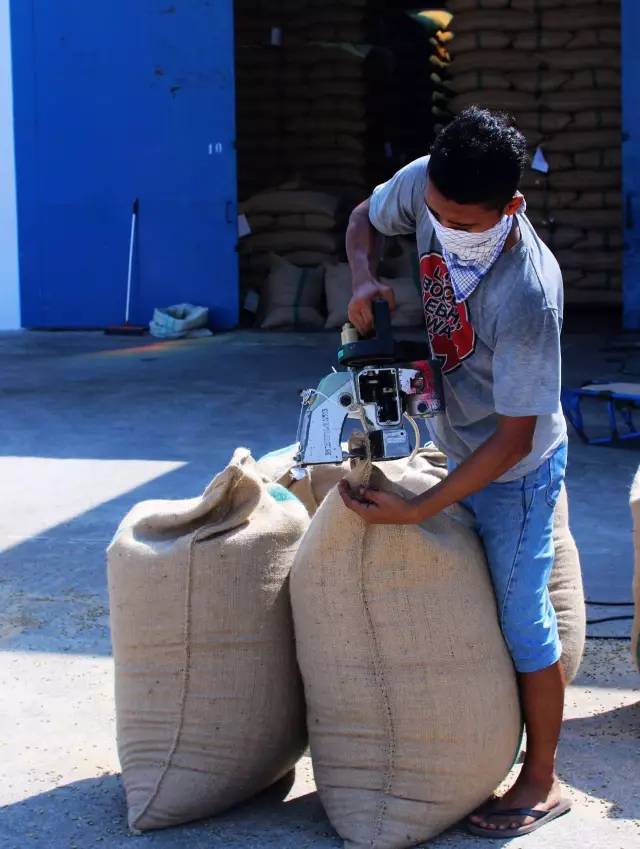
Mandheling coffee in Sumatra is primarily concentrated in two well-known regions: Lake Toba and Lake Tawar. Among them, Lake Toba is the world’s largest volcanic lake, situated at an altitude of about 1400 meters. The area enjoys a rainy and humid climate with significant day-night temperature variations, making it highly suitable for coffee cultivation. The Lake Tawar region lies within the Gayo Mountains, where coffee is grown by the Gayo ethnic group at elevations ranging from 1200 to 1800 meters. The fertile volcanic soil, combined with organic farming practices and long-term cultivation expertise, produces coffee beans with intense and layered flavors. The company responsible for large-scale procurement and selection is headquartered in this area, thereby controlling many sources of top-tier green beans.
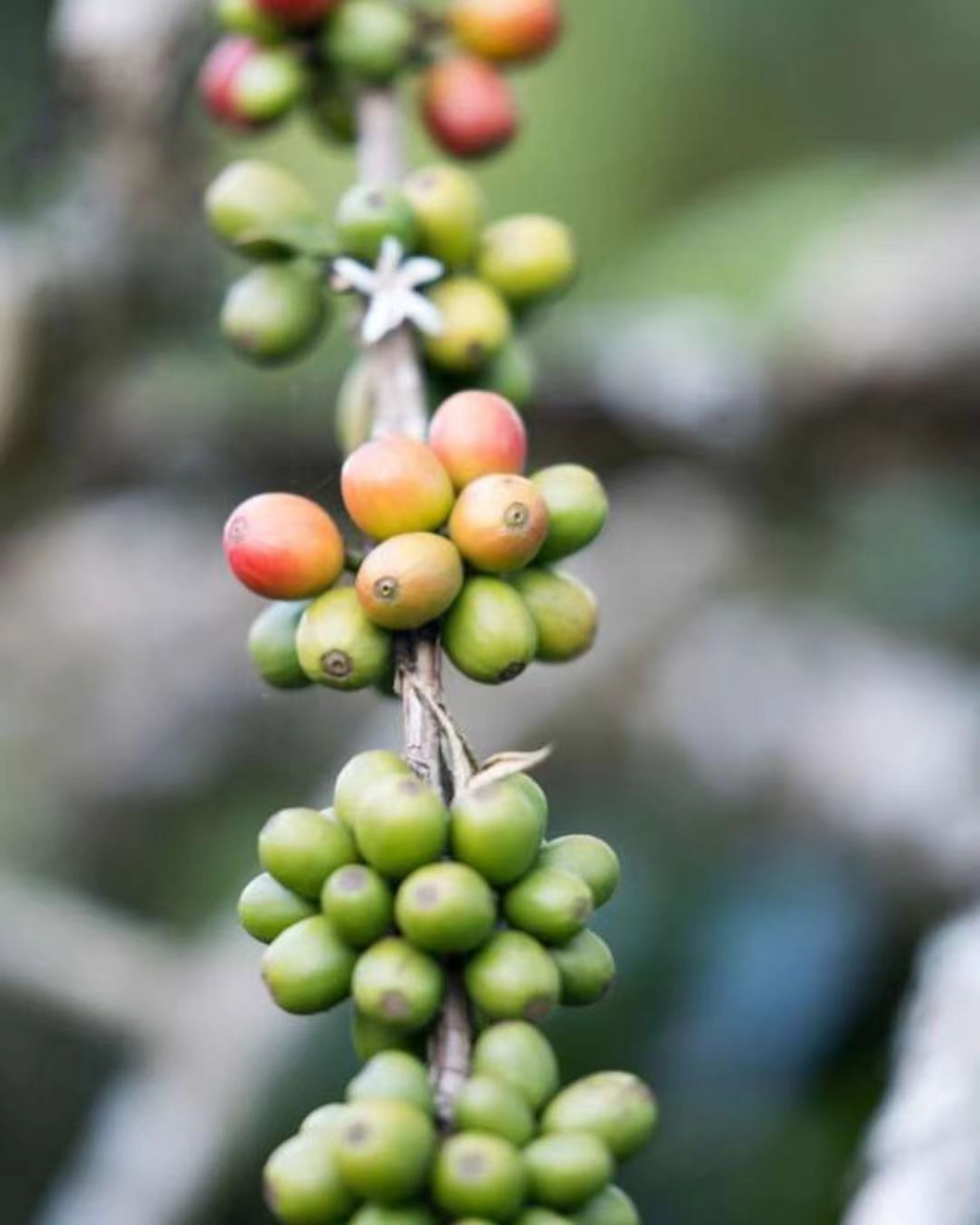
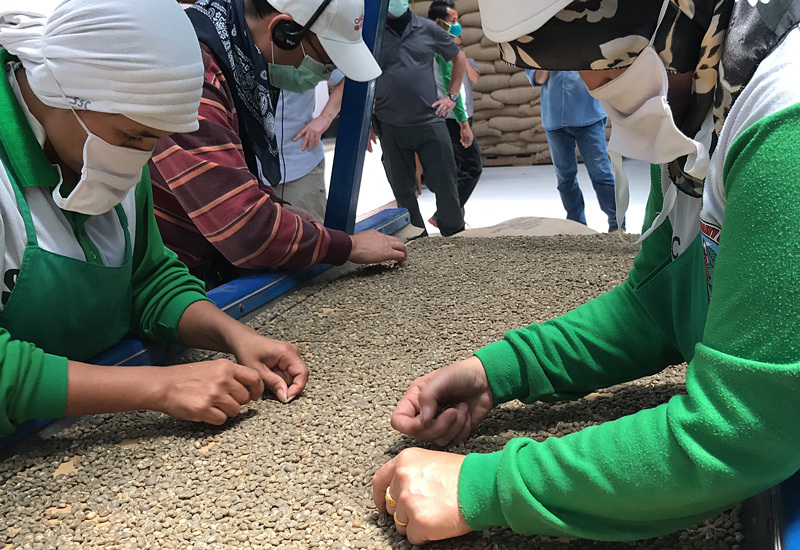
Sumatra’s humid and rainy climate makes traditional washed and sun-dried processing methods difficult to implement. As a result, the region has developed a unique method known as “wet hulling.” This technique involves removing the parchment layer while the beans still retain some moisture, which speeds up the drying process but can also lead to a higher defect rate. To ensure quality, Golden Mandheling selects beans that are 19 mesh or larger with an extremely low defect rate (fewer than 3 defective beans in a 300-gram sample), placing it in the premium G1 grade. These beans have a flat shape and a deep green color, standing out as leaders in the specialty coffee market.
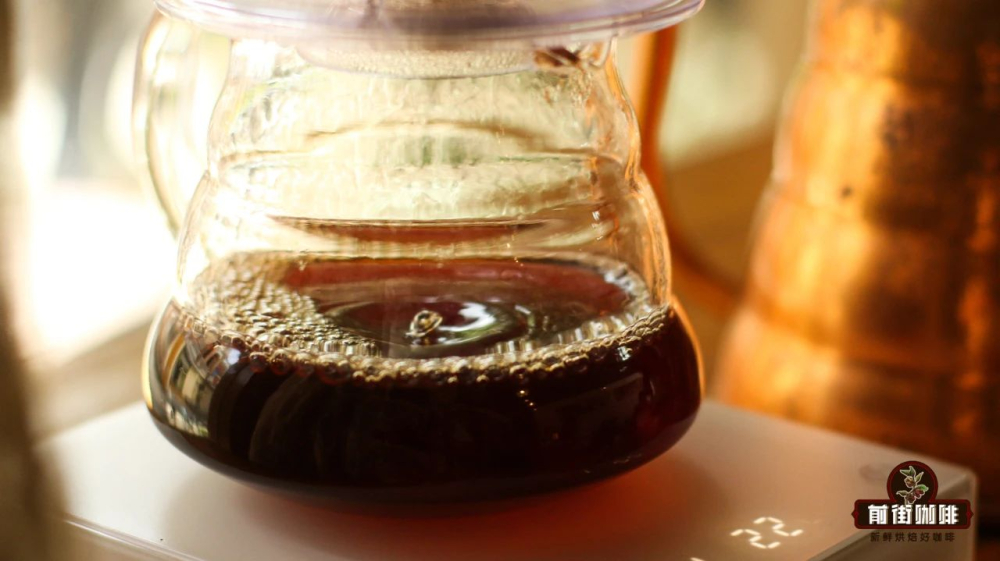
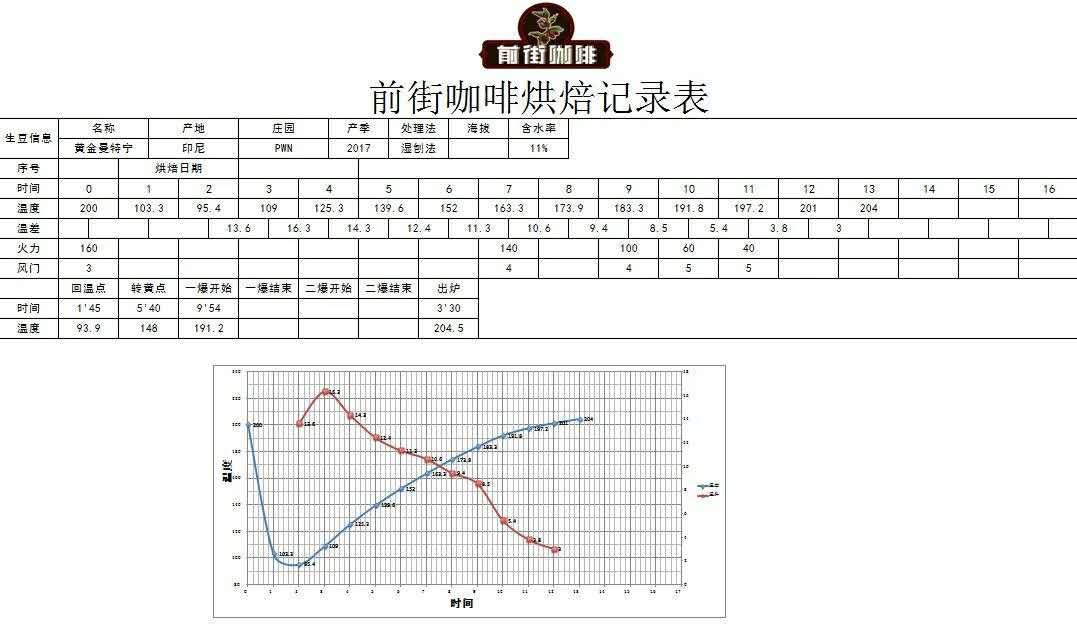
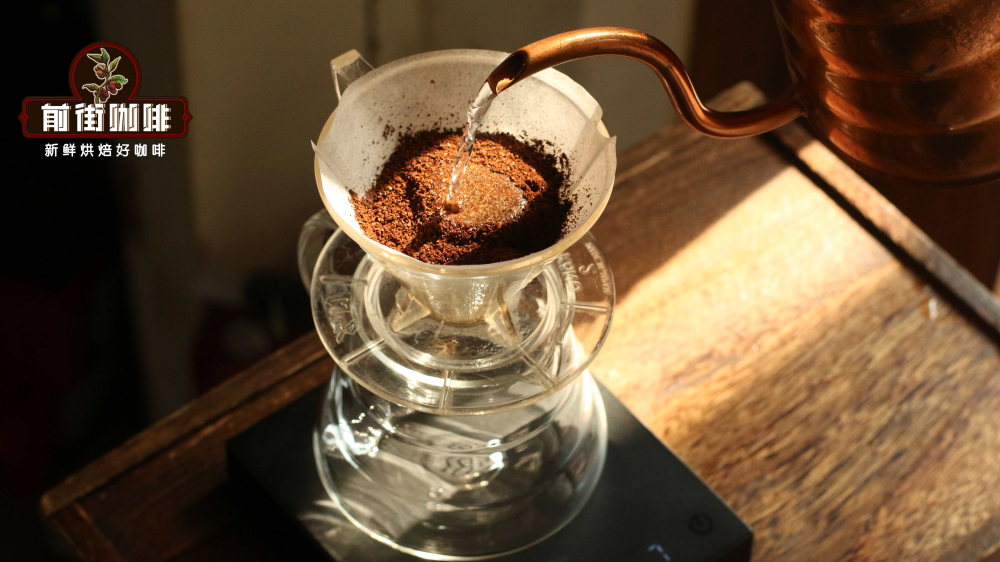
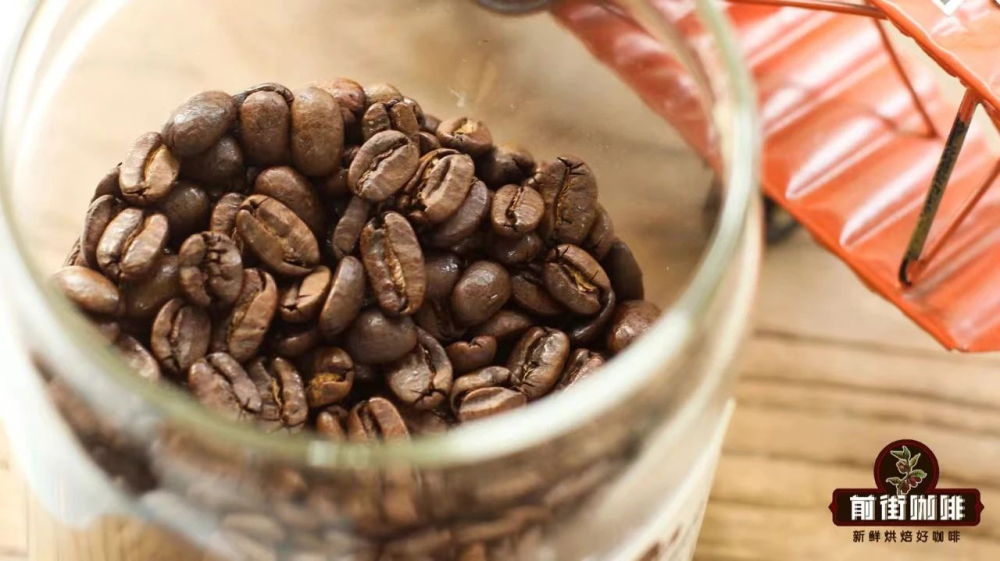
In terms of roasting and brewing, Golden Mandheling is generally recommended for medium-dark roasting to bring out its caramel, pine, herbal, and cocoa aromas. Historical roasting parameters from a certain brand suggest dropping the beans just before the second crack to retain some gentle acidity while enhancing sweetness and body. For brewing, the Kono filter cone can be used with a water temperature of 86°C, 15 grams of coffee grounds, and a 1:15 coffee-to-water ratio, using a medium-fine grind (approximately 70% through a #20 sieve). Begin with a 30-second bloom using 30 grams of water, followed by a staged pour to reach 225 grams total. The overall extraction time should be around 2 minutes, helping to fully highlight its full body and low acidity.
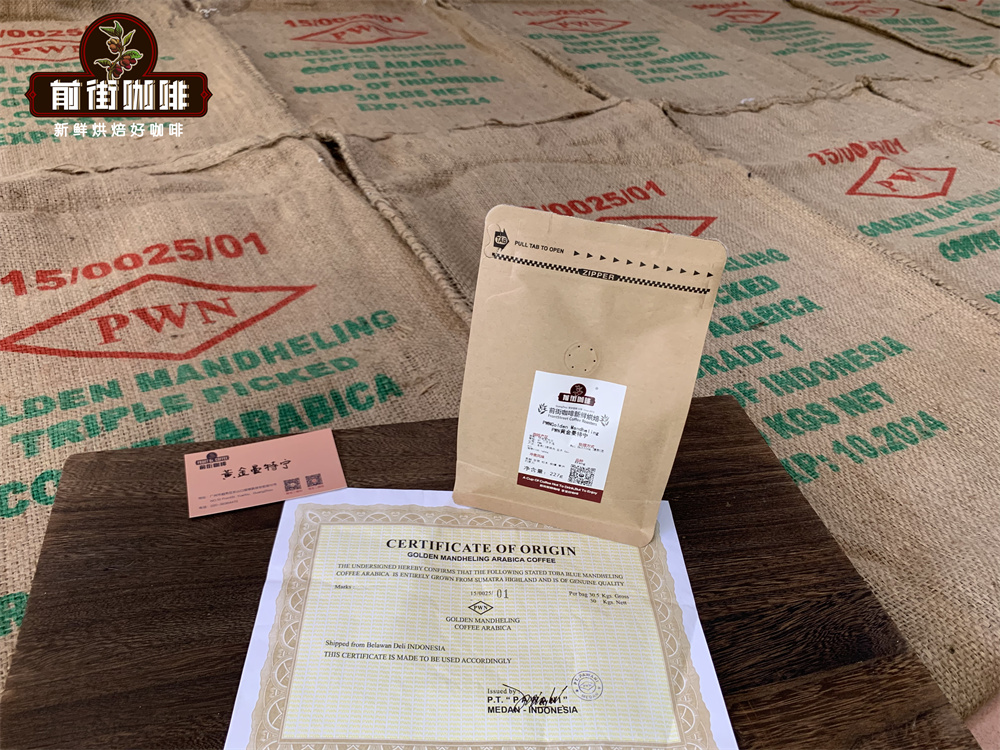
It is worth noting that although “Golden Mandheling” is often synonymous with the aforementioned company, similar products not from this company also exist in the market. To confirm whether it is authentic, you may request the original certification or documentation from the supplier. Additionally, in 2020, due to the impact of the pandemic, delays in Indonesian export shipping led to slight variations in the flavor profile of some batches of Golden Mandheling, though the core classic characteristics remained intact. It is recommended that consumers choose freshly roasted beans (shipped within 5 days of roasting) and brew them 4 to 7 days after arrival to achieve the best flavor performance.
The above content is compiled by CoffeeHunters, a coffee news website.

