








Introduction:As Ethiopia’s most representative coffee-growing region known for its floral and fruity profiles, Yirgacheffe’s washed-process beans are often recommended for coffee beginners. This article delves into the geographical and terroir characteristics of Yirgacheffe, explaining why beans from this region exhibit unique citrus and floral notes, and provides practical pour-over brewing parameters and steps to help readers master the best flavor extraction techniques.
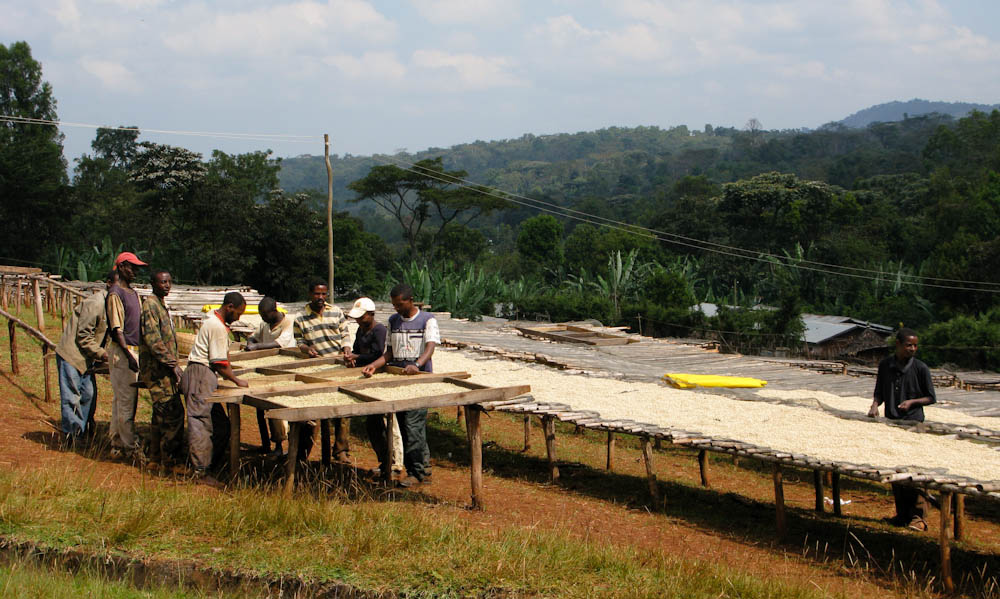
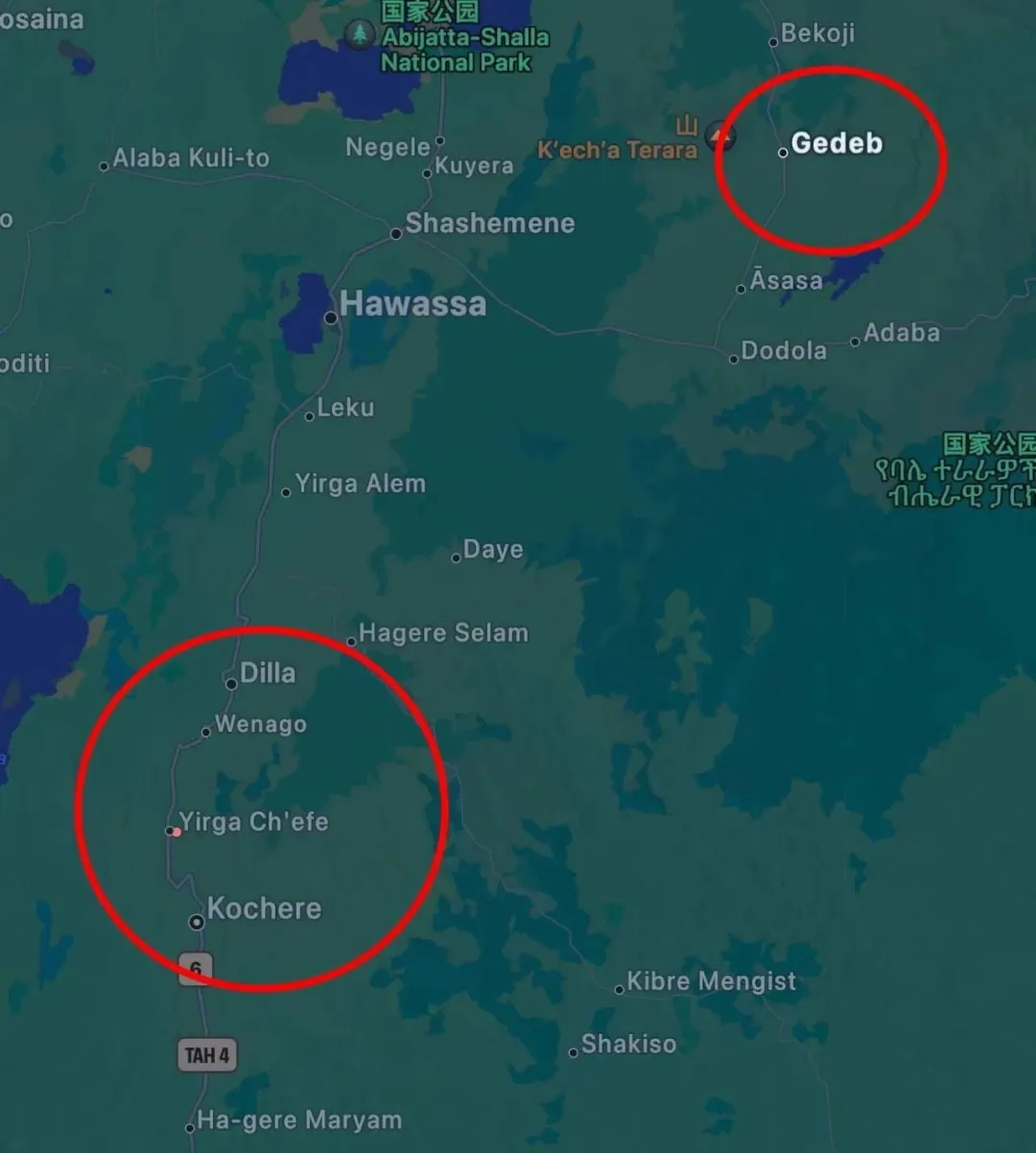
Located in the southwestern part of Ethiopia, Yirgacheffe was originally a small town under the Gedeb district. Thanks to its high altitude and abundant water resources—natural conditions that make it an ideal environment for growing premium Arabica coffee. The area maintains an average annual temperature between 15 to 25 degrees Celsius, along with significant day-night temperature variations, which form the key foundation for the coffee beans to develop their distinctive floral and fruity flavors.
Although Yirgacheffe was once part of the Sidamo region, with the growing demand for bright and refreshing flavors in the specialty coffee market, the beans produced here have gradually shown traits distinctly different from other areas of Sidamo—most notably pronounced floral and citrus notes, attracting many traders to specifically source them. In 2010, the Ethiopia Commodity Exchange officially designated it as an independent, dedicated producing region, solidifying its status as the “representative of floral and fruity coffees.”
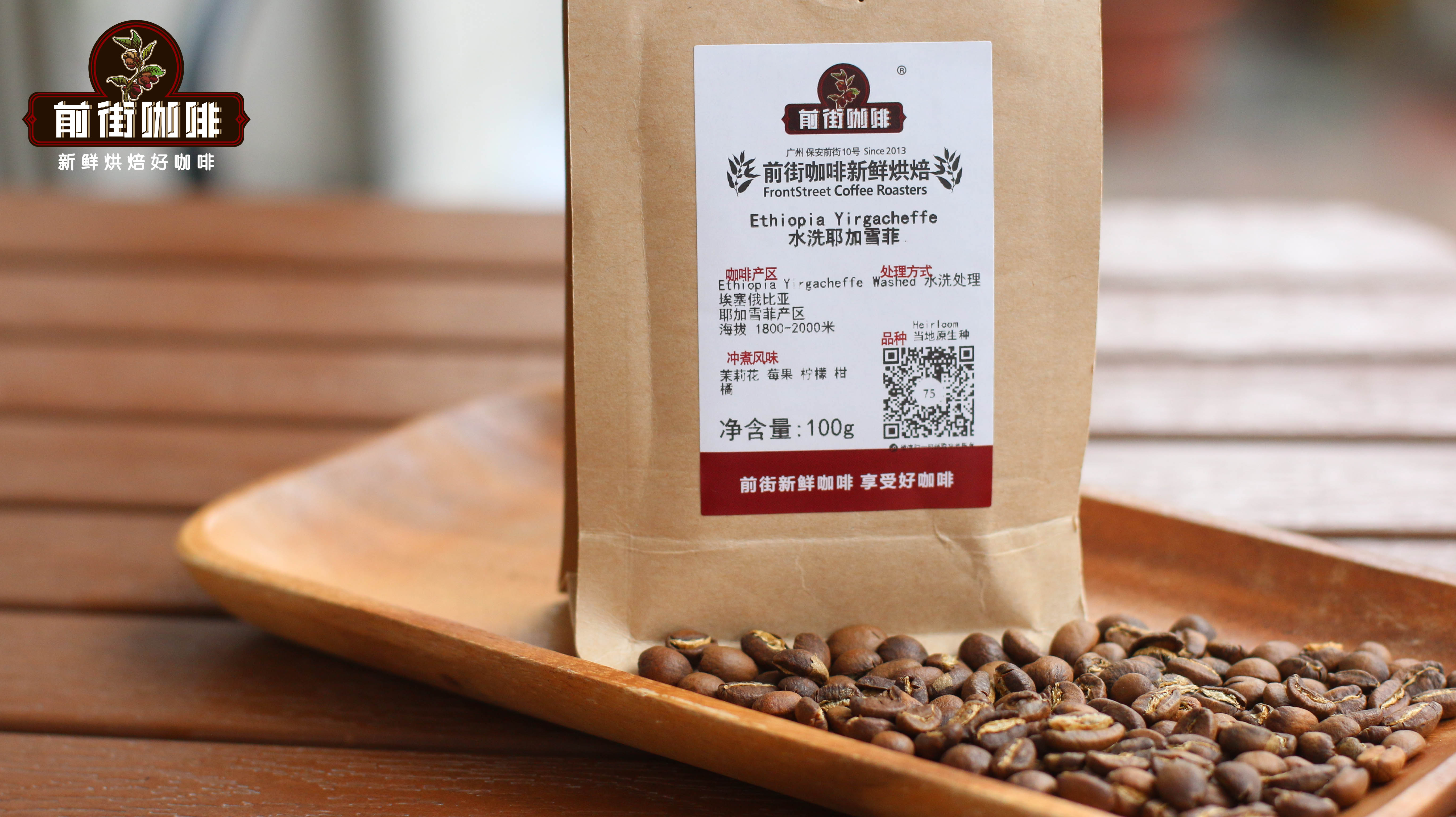
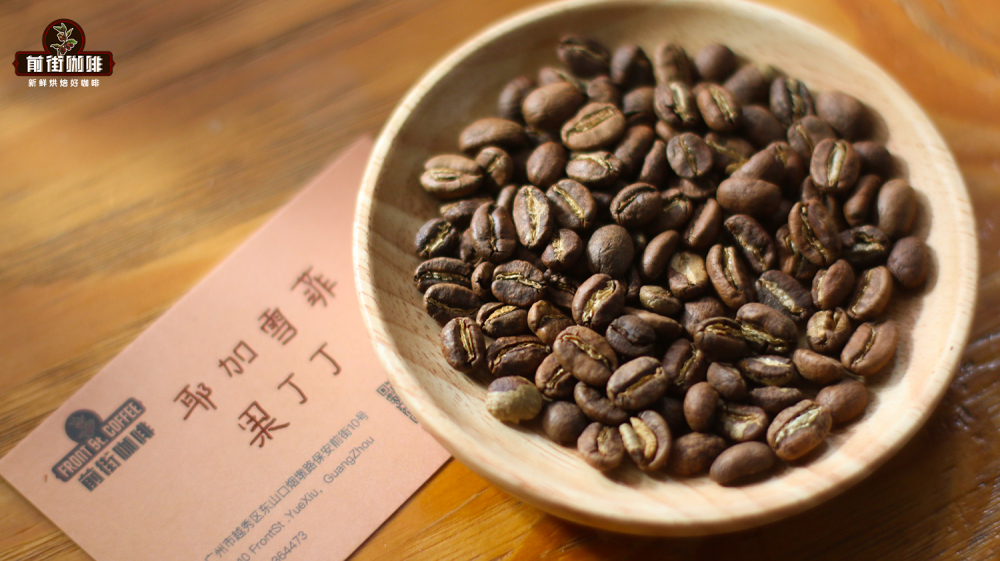
For consumers trying Yirgacheffe for the first time, it is recommended to start with washed-process beans that are medium to light roasted. This processing method preserves the beans’ original flavors, and the resulting brew typically showcases a flavor profile combining citrus acidity, white floral notes, honey-like sweetness, and a green tea aftertaste. Brewing via pour-over coffee bags allows you to enjoy the nuanced taste of freshly ground coffee without needing to purchase additional grinding equipment.
When brewing pour-over coffee using coffee bags, the first thing to note is the indicated net weight of the coffee grounds (usually 10 grams), a design that eliminates the need for weighing. The recommended coffee-to-water ratio is 1:15 to 1:16, meaning 10 grams of coffee grounds should be used with 140 to 150 milliliters of water. The ideal water temperature is around 90°C—if you don’t have a temperature-controlled kettle, you can remove the kettle from heat after boiling, uncover it, and let it sit for 2 to 3 minutes (at room temperature of 28°C) to reach the desired temperature.
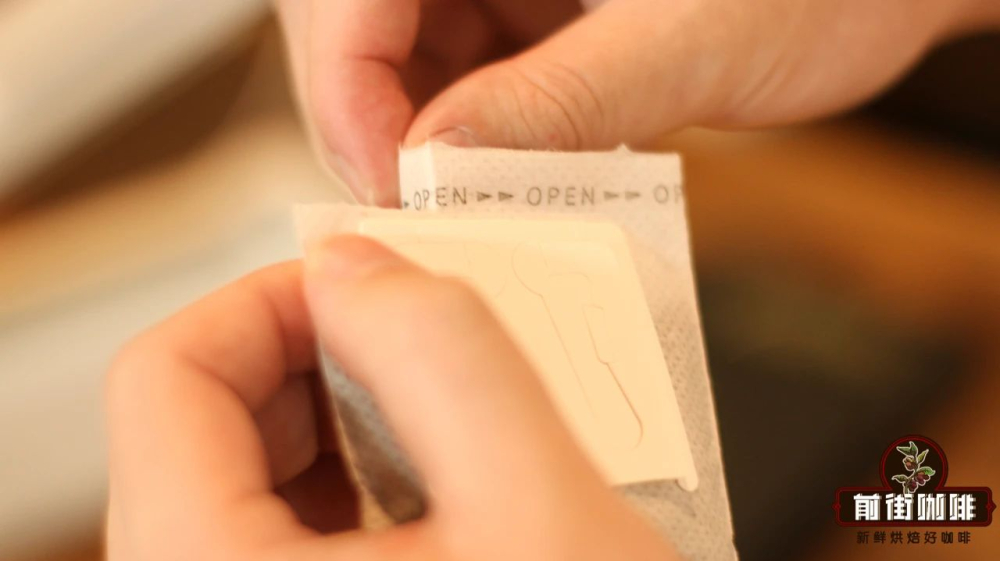
Here are the actual steps for brewing: Preheat your cup or vessel first. Then, tear open the seal along the “Open” line on the coffee bag, unfold the two “ears” of the filter pouch, and securely hang it over the edge of the cup. Lightly tap to even out the coffee grounds surface. In the first stage, pour a small amount of hot water just to wet the coffee grounds, then let it sit for 10 seconds to allow the blooming process to activate the coffee’s flavor compounds.
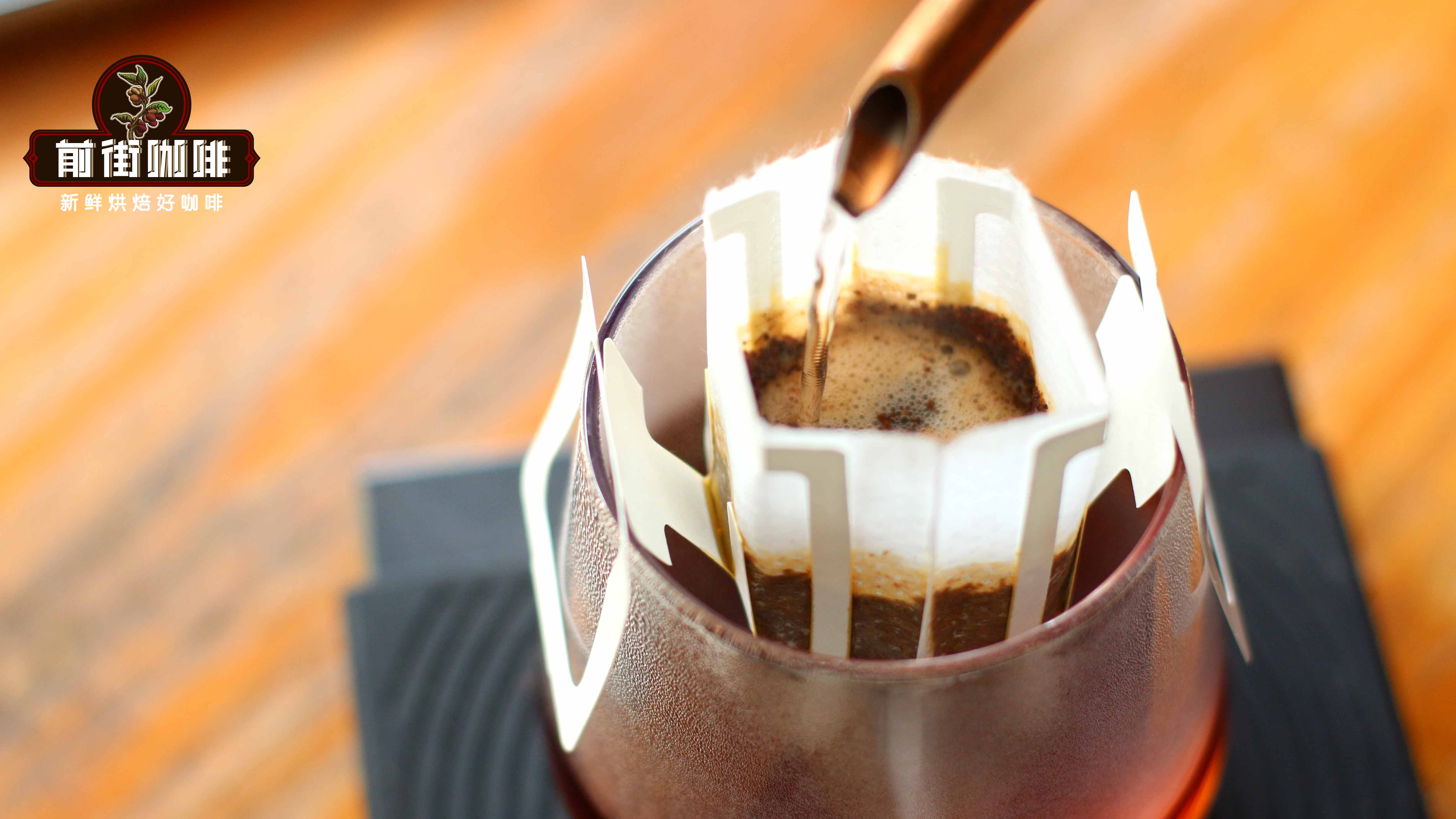
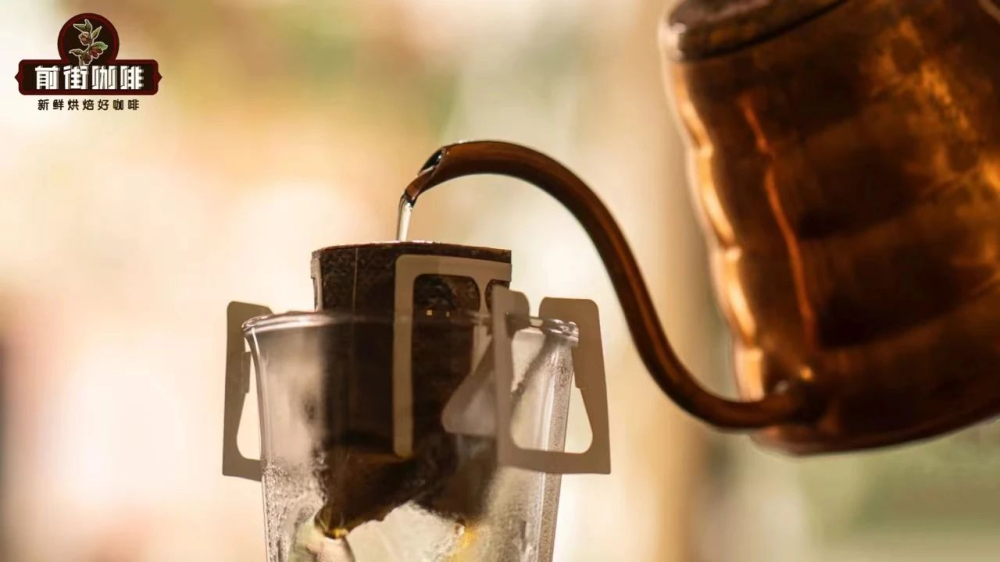
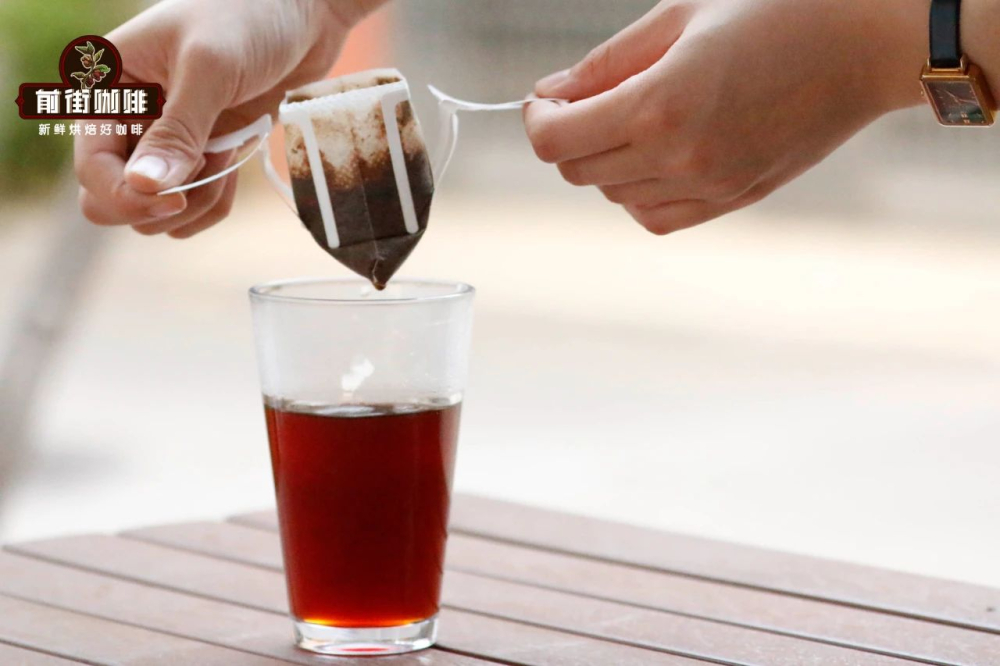
After blooming, switch to a slow, circular pouring technique using a thin stream of water. Once the coffee grounds have settled naturally, continue pouring until the total volume reaches 140 to 150 milliliters to complete the extraction. Alternatively, you can pre-measure 150 to 160 milliliters of water and ensure all the hot water is poured in, then wait until the coffee liquid has completely dripped through before removing the coffee bag. The entire process takes about 1 minute. Note that pre-ground coffee has a shorter flavor shelf life, so it’s recommended to choose beans that have been freshly ground within 5 days of roasting, and prioritize services offering fast delivery to minimize aroma loss.
The above content is compiled by CoffeeHunters, a coffee news website.

