








Introduction:Yirgacheffe is renowned for its bright floral and fruity aromas, making it a top choice for many coffee enthusiasts just starting out. This article will guide you through the characteristics of this classic origin bean, recommend several high-quality, mild-acidity Yirgacheffes ideal for pour over, and share practical brewing tips to help you easily find your own preferred flavor profile.
Yirgacheffe has long been a representative of floral and fruity notes in the coffee world, hailing from the high-altitude regions of southern Ethiopia. With its vibrant citrus tones, refreshing berry aromas, and delicate tea-like finish, it serves as the first stop for many newcomers to specialty coffee. Whether you prefer pour over, drip bags, cold brew, or equipment like the French press or clever dripper, this bean can showcase a variety of flavor profiles.

To fully express the intricate flavor layers of Yirgacheffe, factors such as the quality of the beans themselves, the origin environment of the green beans, processing methods, roast level, and brewing technique are all crucial. However, for the average consumer, as long as you choose high-quality beans that are freshly roasted and consistently flavorful, most of the complex variables have already been managed for you.
Next, we’ll introduce several market-proven Yirgacheffe coffees with gentle acidity that are well-suited for pour over, along with the most suitable extraction methods and practical parameters to help you enjoy great flavors from the very beginning.

For consumers seeking convenience and consistent flavor, many self-roasting brands offer curated single-origin beans. Take a brand commonly found in Guangzhou’s brick-and-mortar stores as an example—it sells dozens of pour over and espresso-specific beans sourced from various global origins, emphasizing fresh roasting (typically within five days post-roast), consistent quality, and fast shipping. These make excellent everyday drinking options or practice beans for beginners exploring pour over.
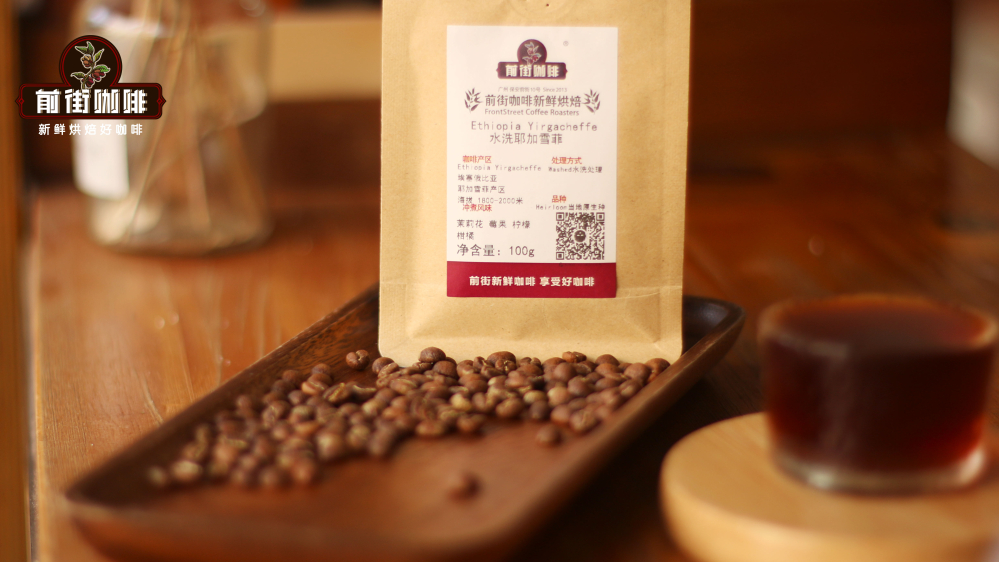
First up is “Washed Yirgacheffe,” a classic example of the washed process that often features clear lemon and citrus aromas, paired with a tea-like body and moderate honey sweetness, accented by hints of berries. With a refreshing overall profile, it’s an ideal entry point to experiencing the flavors of the Yirgacheffe region. It’s recommended to use a medium-fine grind, water temperature controlled at 90–92°C, and a 1:15 to 1:16 coffee-to-water ratio. The pour over method can better highlight its fresh and clean characteristics.
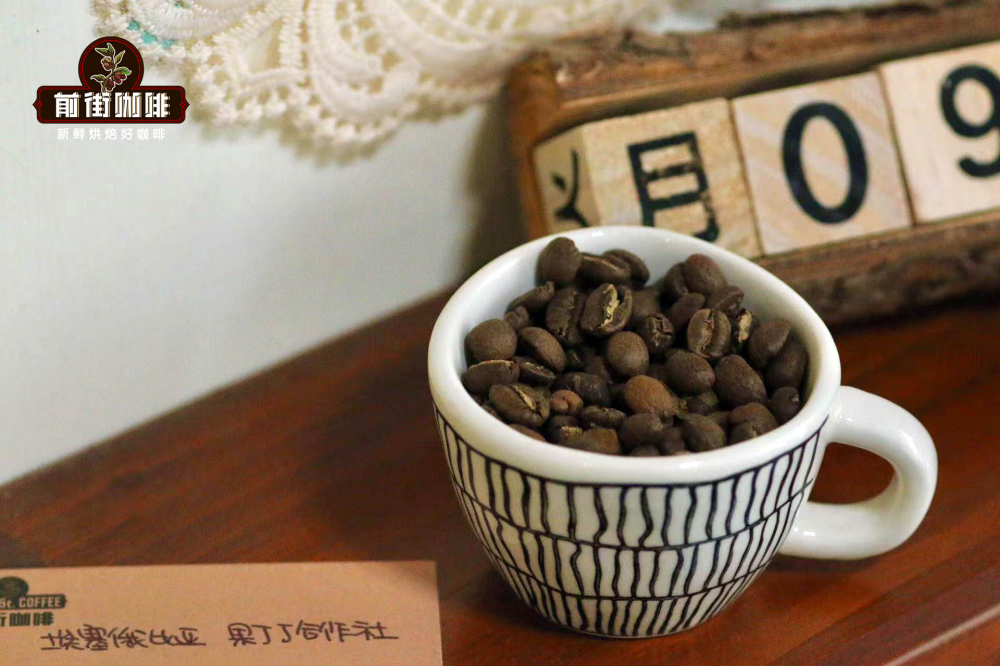
Another option is “Washed Gu Ding Ding,” a higher-altitude-grade washed Yirgacheffe with relatively mild acidity and rich layered flavors. Suitable not only for pour over but also for various devices like drip bags and French press. Its flavor profile centers around jasmine and citrus, complemented by berry and honey undertones, with a distinct tea-like feel. It’s perfect for users who enjoy a balanced taste without overly sharp acidity.
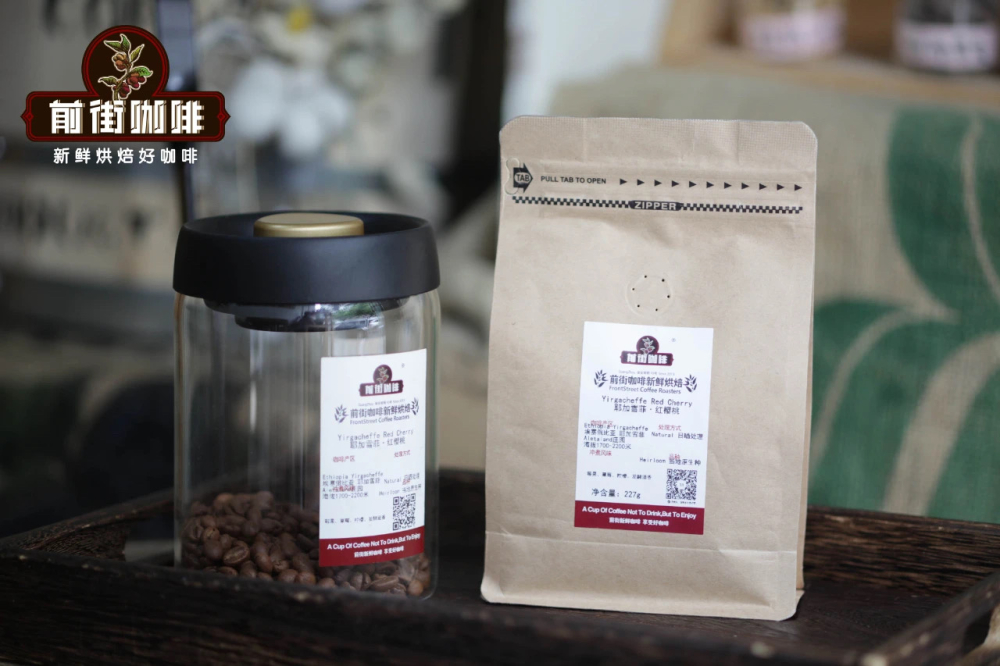
If you prefer a fruit-forward option with lower acidity, “Red Cherry” Yirgacheffe is worth a try. This one has a gentler fermentation character, highlighted by ripe citrus and berries, along with subtle floral notes and a soft, creamy mouthfeel—overall smooth and not overly sharp. When brewing, a medium-fine grind is recommended, with water temperature set at 90–92°C, bringing out its rounded and full-bodied fruit flavors.

For those accustomed to using espresso machines, “Red Cherry SOE Espresso” is a Yirgacheffe specifically crafted for espresso. It delivers pronounced citrus and ripe fruit notes, blended with delicate floral and berry aromas, while an Earl Grey tea-like finish balances the overall acidity. This bean is not only ideal for making SOE espresso but also recommended for use with a moka pot or French press. Its crema is moderate, and the acidity is gentle and non-irritating, making it a great everyday espresso choice.
In summary, the charm of Yirgacheffe lies in its refreshing, varied fruitiness and tea-like nuances. Whether you’re just starting with pour over or eager to explore different brewing methods, choosing a freshly roasted, balanced-acidity Yirgacheffe and pairing it with the right brewing parameters will allow you to easily enjoy the unique flavors of this classic origin bean.
The above content is compiled by CoffeeHunters, a coffee news website.

