







Introduction:Yirgacheffe coffee is renowned for its bright acidity, delicate floral notes, and refreshing taste, making it one of the most popular origin regions for beginners around the world. Is a certain place a highly regarded source of coffee beans locally, or is it a cooperative? This article delves into the origin background and washed processing method of Gotiti, and provides brewing suggestions such as pour over, cold brew, and clever drip, to help readers choose their first bag of Yirgacheffe coffee beans.
The greatest charm of Yirgacheffe coffee lies in its unique bright acidity and fresh floral-fruit character. It has almost no strong bitterness or astringency upon entry, but instead offers an aftertaste reminiscent of green tea and the fragrance of white flowers. This flavor profile is very suitable for enthusiasts who are new to specialty coffee, which is why it has become the first choice for many entering the world of coffee. If you’re looking for a representative Yirgacheffe bean, a certain washed batch is a highly worthwhile entry-level option.

Gotiti coffee beans perform exceptionally well when brewed using pour over. Right after brewing, a gentle floral aroma greets you, and with careful attention, you can also catch a hint of berry-like tartness. When sipping, the refreshing acidity and sweetness of citrus fruits are distinctly felt, paired with delicate white floral notes, while the finish leaves a touch of green-tea-like mellowness and freshness. This layered and softly toned performance can be enjoyed by both beginners and seasoned coffee enthusiasts.
Switching to cold brew, Gotiti still maintains a high level of performance. Through prolonged low-temperature extraction, it highlights the fresh acidity and sweetness of green grapes, grapefruit, and citrus fruits, combined with pleasant floral notes, creating a bright and refreshing taste experience reminiscent of a morning fruit orchard. Additionally, if brewed with a clever drip, it can also showcase the fruity aromas of red berries and nectarine, along with the soft juice-like feel of nuts and oranges—suitable for users who enjoy sweet and sour juice-like flavors.

Speaking of Gotiti, one must mention the Gotiti Cooperative behind it. Located in the Worka region at the southeastern edge of Yirgacheffe, Ethiopia, this area was originally part of the Worka Cooperative under the Yirgacheffe Coffee Farmers Cooperative Union (YCFCU). However, due to the market’s increasing emphasis on coffee traceability, many small regions began operating independently, and Gotiti is one of them. In 2012, around 300 local farmers officially established the Gotiti Cooperative, and with its distinctive flavors and traditional processing methods, it has emerged in the global specialty coffee market.
Gotiti has been hailed by many coffee professionals as “the last pure land of Yirgacheffe,” mainly because the region still adheres to traditional processing methods such as washed and natural. These techniques not only preserve the original regional characteristics of the coffee beans, but also make the flavors clearer and purer. For coffee lovers who pursue transparent traceability and natural flavors, Gotiti is undoubtedly an extremely representative choice.

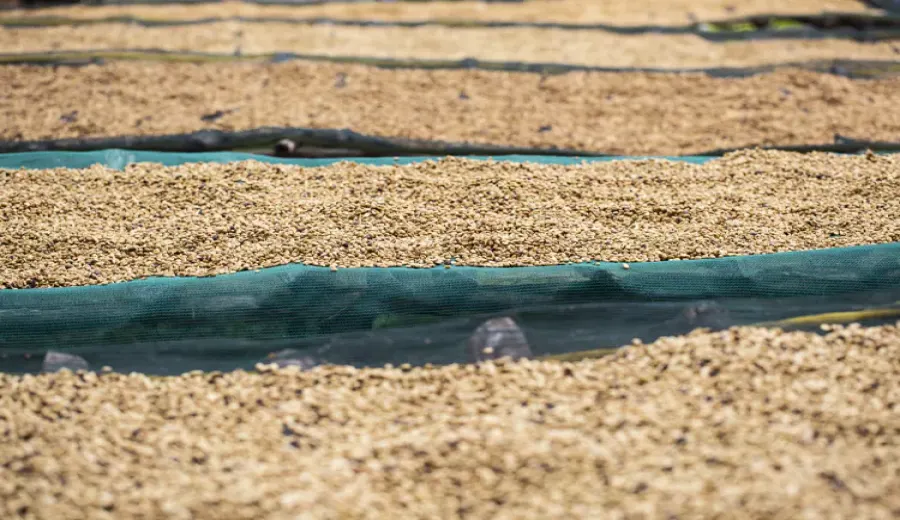
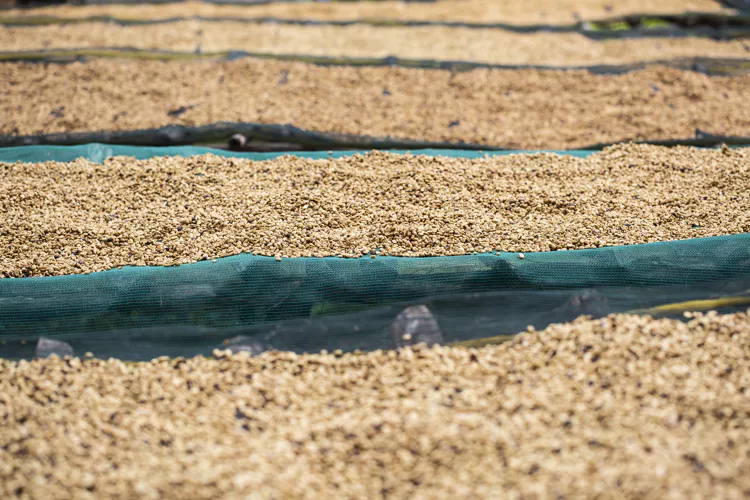
Regarding the washed processing method, it is one of the most common processing techniques in the Yirgacheffe region. The process includes: first floating the harvested coffee cherries to remove overripe or unripe defective fruits; then using machinery to remove the outer skin and pulp; subsequently placing the beans, which still retain some mucilage, into water for about 24 hours of fermentation to soften and separate the residual mucilage; after fermentation is complete, the beans are washed again, then evenly spread out on drying beds, where sunlight reduces the moisture content to approximately 12%; finally, the parchment layer is removed to complete the entire washed processing procedure.
This technique results in the typical flavor profile of Gotiti washed beans: upon entry, there is a refreshing acidity akin to citrus, followed by gentle white floral aromas; the mid-palate carries a mild honey-like sweetness, and the finish extends with the clean, refreshing aftertaste of green tea. This balanced and layered mouthfeel presents an elegant flavor structure whether hot-brewed or served cold.

The above content is compiled by CoffeeHunters, a coffee news website.

