







Introduction:Most espresso blends are made from blended beans, but the reason isn’t singular. This article delves into the advantages of blended beans in terms of flavor balance, stable extraction, and cost-effectiveness, and recommends five high性价比 and practical blends based on different taste preferences. From deep-roasted richness to medium-roasted fruity notes, it provides detailed information on roast level and suitable scenarios to help readers find the ideal coffee beans for home or small shop use.
When it comes to home espresso beans, many people’s first thought is blended beans. This notion has its logic, but it’s not the full picture. In fact, espresso today is not limited to blends—single-origin espresso (SOE) is also becoming more common. However, for home users seeking stable performance and rich layers, blended beans remain the mainstream choice. The key lies in selecting a blend that offers both distinctive flavors and practicality.
The so-called espresso beans specifically refer to roasted beans suitable for use in espresso machines. In the early market, almost all were blends, and although single-origin applications have emerged today, blended beans still hold an important position thanks to their unique advantages. The core of blending is combining two to three types of beans from different regions or with different processing methods in specific proportions, aiming to achievecost-effectiveness,flavor consistency, andextraction stability.
Below are five espresso blends with excellent market feedback, suitable for different home flavor preferences: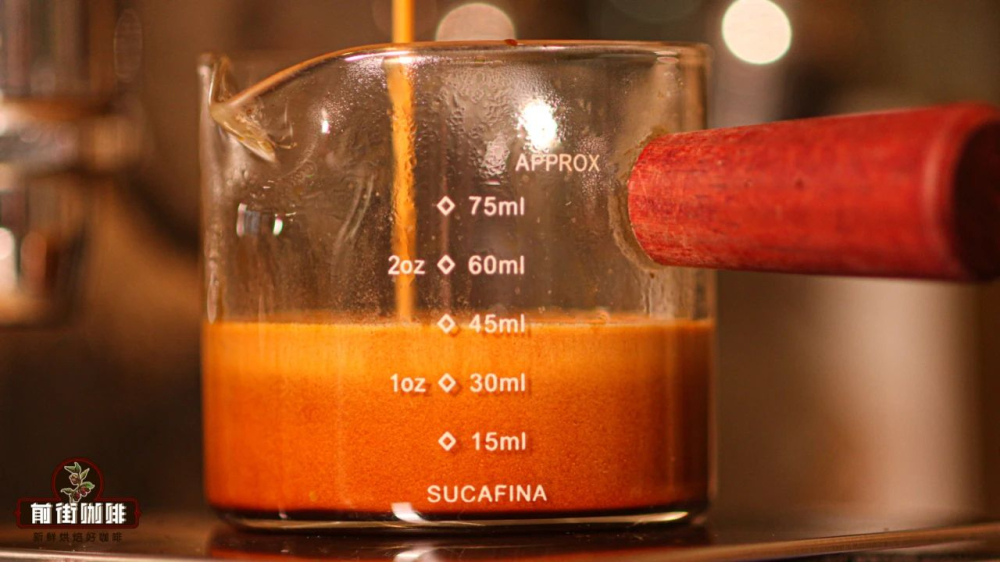
First up is the “Classic Dark Roast Blend,” commonly made with Brazilian Red Bourbon, Indonesian Mandheling, and Vietnamese beans. This blend is dark roasted to enhance the caramelization reaction, creating rich crema and a bold, lingering finish—ideal for users who enjoy traditional Italian-style flavors.
For those who prefer a mild and neutral profile, the “Premium Nutty Blend” is worth a try. Composed of Brazilian and Colombian Arabica beans, it showcases roasted bread and nut aromas, with low acidity and noticeable sweetness, and a medium layer of crema—suitable for everyday family use or startup coffee shops.
If you’re after fruity and floral notes, the “Berry Flavor Blend” is based on medium roast and combines Costa Rican honey-processed beans with Ethiopian natural beans, balanced by Colombian beans. It delivers a sweet-tart profile reminiscent of strawberry taffy, paired with fine crema, perfect for consumers who enjoy a refreshing and layered cup.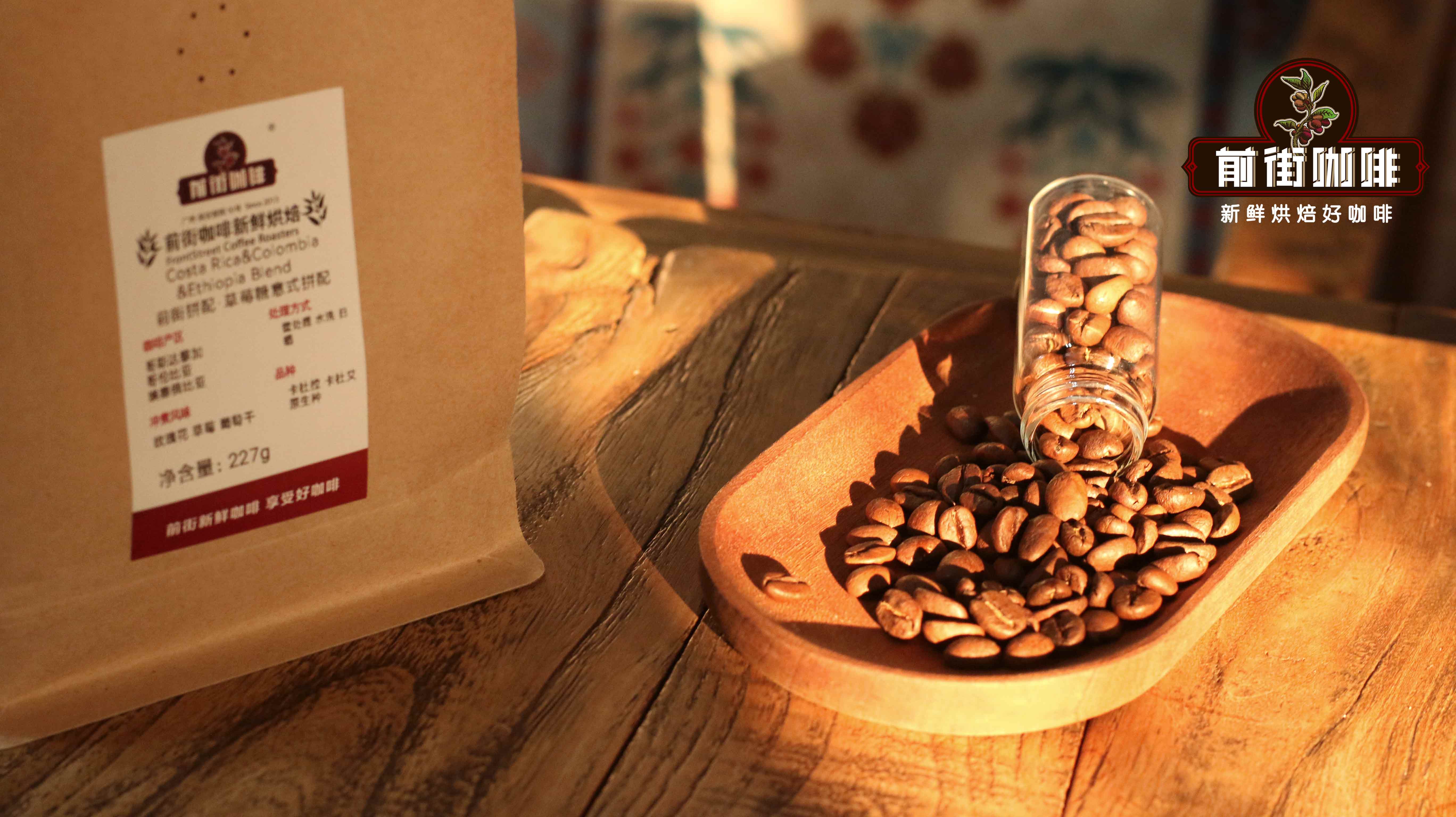
For commercial-level applications, consider the “Balanced All-Purpose Blend,” which mixes Brazilian, Colombian, and Vietnamese Robusta beans. Though not high-end specialty-grade in flavor, it delivers full-bodied crema and a nutty-cocoa base through carefully balanced proportions—great for producing large batches of Americano or latte bases.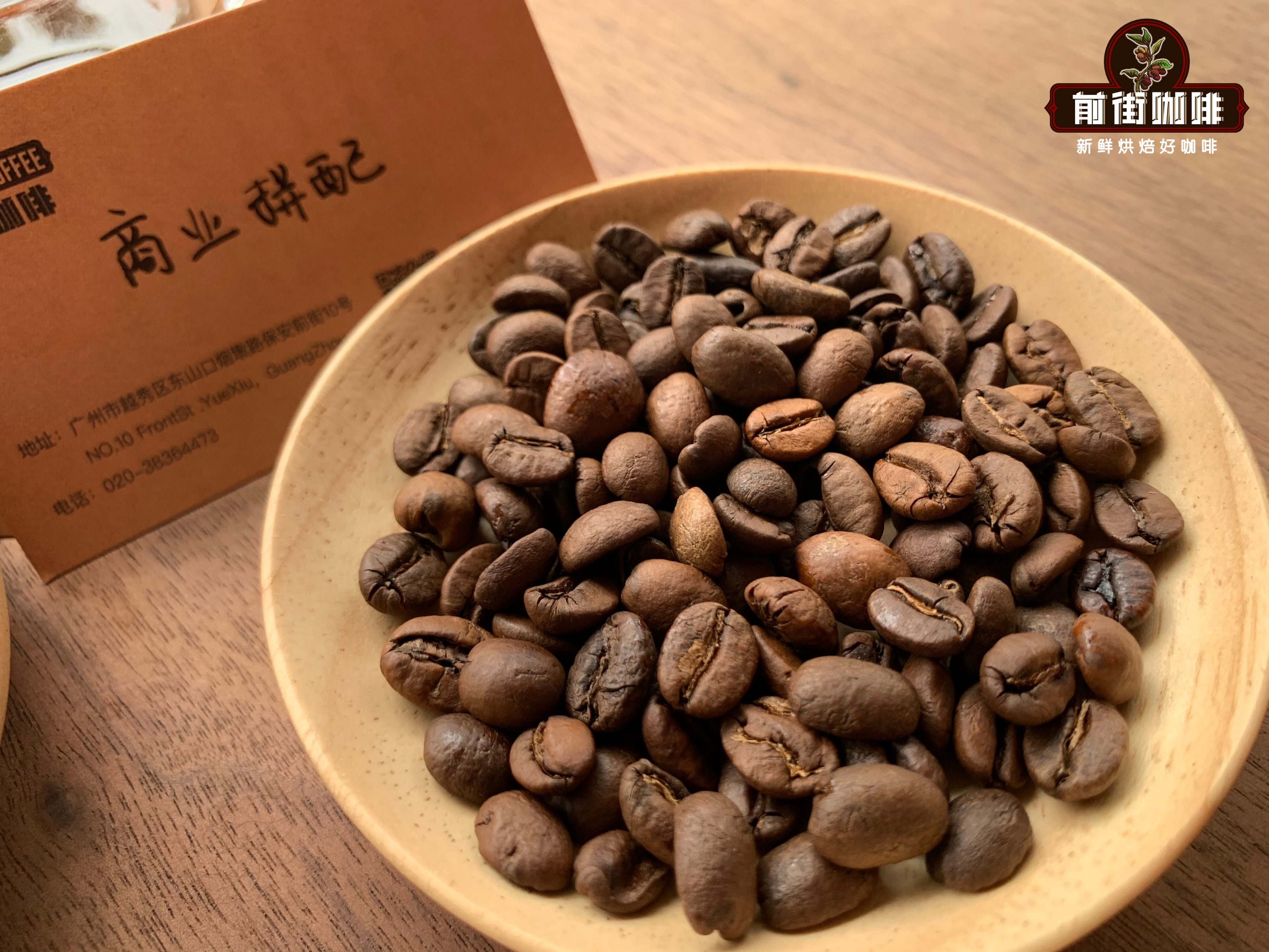
Budget-conscious users might opt for the “High性价比 Blend,” made with Yunnan washed beans and Brazilian beans. It offers soft fruit acidity, dark chocolate, and caramel sweetness. With a smooth mouthfeel and long-lasting aftertaste, its affordable price makes it an excellent everyday home coffee bean.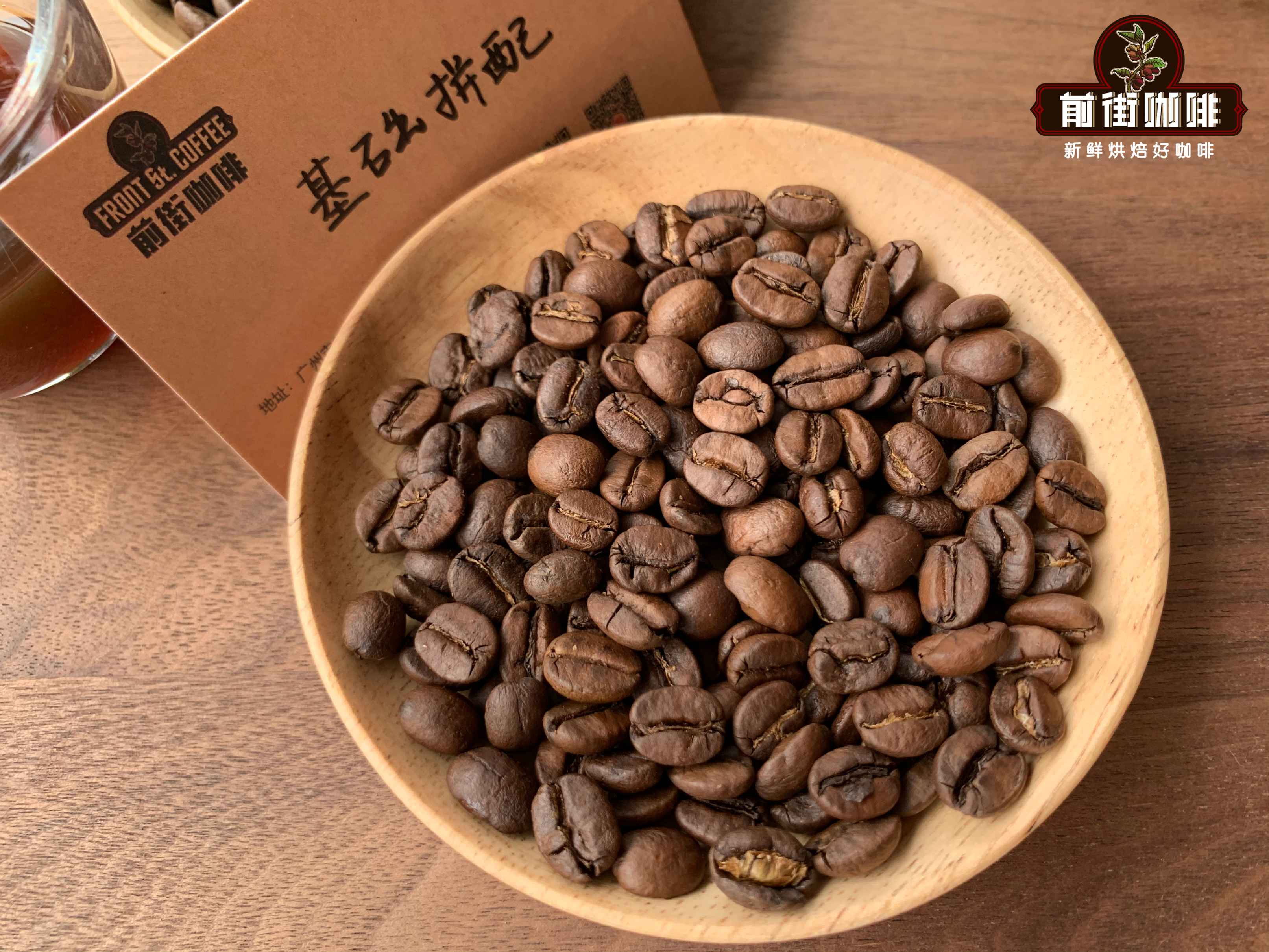
No matter which blend you choose,bean freshnessis key to flavor. It’s recommended to select products roasted within five days and let the beans rest for four to seven days after arrival to complete the degassing period—when their flavor performance is at its best.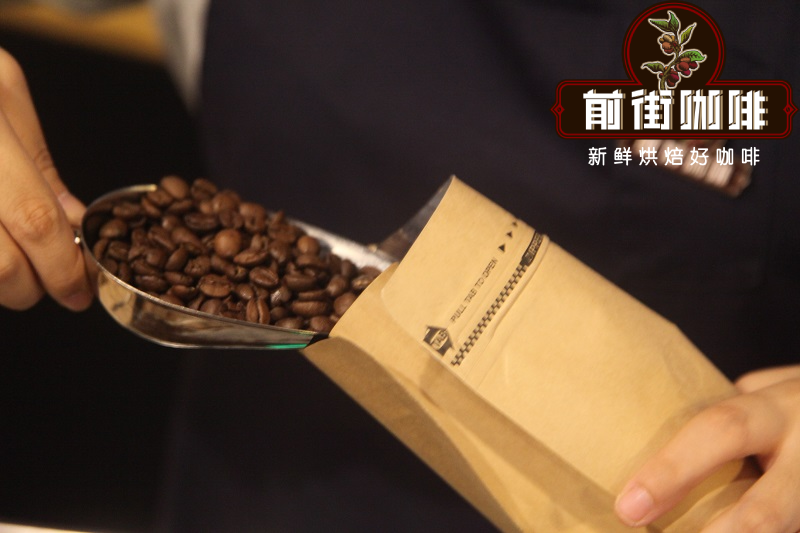
Finally, remember that the original intent of blended beans is to balance various variables and ensure stable performance with every extraction. For home environments or small shops, choosing a blend that suits your taste preference is far more practical and economical than blindly pursuing single-origin beans.
The above content is compiled by CoffeeHunters, a coffee news website.

