







Introduction:Choosing the right espresso beans is key to extracting rich and smooth coffee. This article delves into the differences between blends and single origins, teaches you how to select suitable home espresso beans based on roast level and flavor preference, and recommends 5 practical options that balance crema, flavor, and value. Whether you’re making lattes, americanos, or practicing latte art, you’ll find your ideal bean.
When brewing espresso at home, many people find that single-origin shots often have pronounced acidity—even adding milk or sugar can’t mask the sharpness. This is mainly because beans from a single origin tend to have more distinct flavor characteristics, while espresso extraction emphasizes overall balance. In contrast, blends complement beans from different regions, creating a richer and more stable taste, especially suitable for daily home use or for coffee enthusiasts practicing latte art.
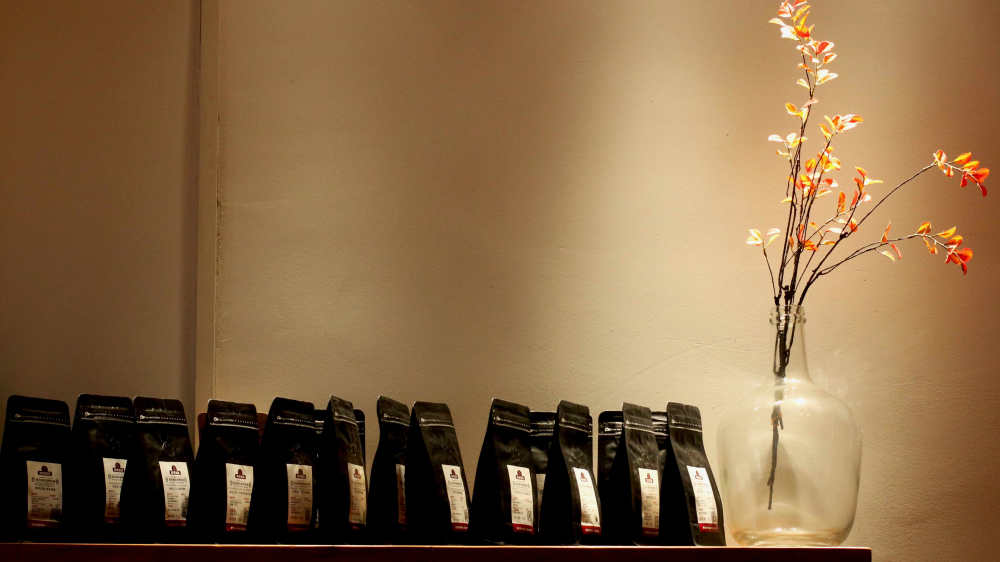
Faced with the wide variety of coffee bean products on the market, it’s recommended to consider three key aspects when choosing. First is the reliability of the roaster—opt for brands with consistent roasting processes and freshness guarantees to avoid beans that have lost flavor or been improperly stored. Second is choosing the roast level based on your taste preference—dark roasts are ideal for emphasizing smoky, bold flavors and a full body, medium roasts highlight more fruity layers, while light to light-medium roasts usually retain more acidity and floral notes, making them better suited for black coffee lovers. Finally, choose a blend formulation that suits your actual needs; for example, beans designed specifically for lattes often emphasize body and crema performance.
Among the many types of blends,the Mamba blendis one classic example, combining the body of Indonesian Mandheling with the balance of Brazilian beans. It was once widely popular in Taiwanese cafés. Modern variations often include Robusta beans to further enhance crema thickness and body, making it especially suitable for home latte-making and latte art practice.
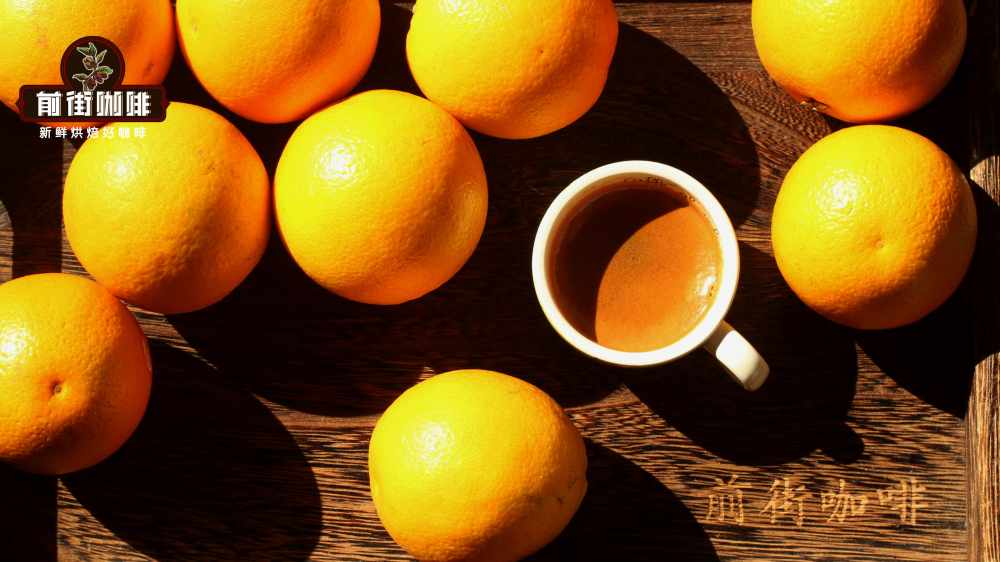
If you prefer espresso with floral and fruity aromas, go for medium to medium-dark roasts. These beans showcase rich layers during extraction while maintaining a balanced sweetness and acidity, making them ideal for americanos or milk-based drinks. On the other hand, if your goal is a strong nutty profile, opt for blends primarily featuring Brazilian and Colombian beans—these often deliver flavors of chocolate, roasted nuts, and caramel, and are great for those who dislike acidity.
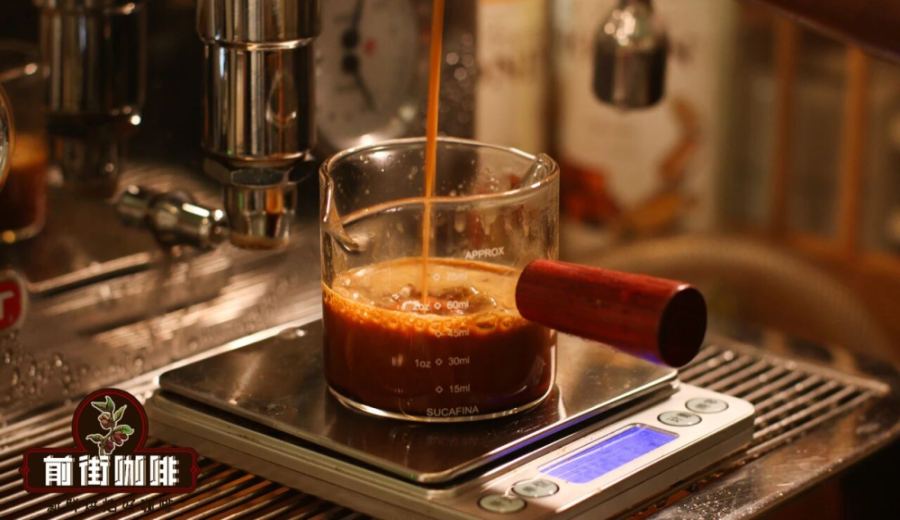
For home users, we recommend prioritizing blends that offer both good crema performance and value. High-quality espresso beans, when extracted with the right parameters (such as 9 bar pressure, 90–96°C water temperature, and a brew ratio of about 1:2 to 1:3), should produce a noticeable crema layer and a smooth texture. Common mistakes include over-roasting for excessive bitterness or neglecting freshness—aim to use beans within 5–14 days of roasting and store them properly in a lightproof, airtight container.
For those wanting to replicate café-style flavors, medium-dark commercial blends are ideal. These blends typically mix beans from multiple origins, carefully adjusted for proportion, delivering a full-bodied taste and long-lasting aftertaste. Whether you’re making an americano or a latte, the result is smooth and layered. Some formulations also enhance crema for clearer and more stable latte art patterns.
Beginners may want to start with affordable, well-balanced basic blends. These usually offer moderate fruit acidity, caramel sweetness, and nutty tones, meeting daily drinking needs without the complexity that can make flavor judgment difficult. Pay attention to the roast date and storage condition—avoid flavor degradation due to improper storage. The ideal environment is cool, dry, and dark, with humidity controlled between 50–60%.
In summary, when selecting home espresso beans, consider your personal taste preferences, drinking scenarios, and budget. By understanding the characteristics of different roast levels and blend formulations—and using the correct extraction parameters—you can easily brew rich, non-bitter, crema-rich coffee at home that rivals café quality.
The above content is compiled by CoffeeHunters, a coffee news website.

