







Introduction:To brew an espresso that is balanced in flavor and not bitter, choosing the right coffee beans is key. This article analyzes the differences in extraction performance, crema, and aroma between blended beans and single-origin (SOE) beans, and provides selections ranging from high-value budget-friendly options to advanced choices with rich flavor layers—helping you find the most suitable home espresso beans.
The allure of espresso lies in its rich and bold foundational flavors, which remain distinctly coffee-like even when diluted with milk or hot water. Since espresso machines use high-pressure rapid extraction (typically 25–30 seconds), it’s recommended to prioritize medium-to-dark roasted blends—these beans produce ample crema and deliver prominent caramelized aromas and nutty tones, resulting in a more stable and complete extraction.
If your budget allows and you’re seeking unique character, single-origin (SOE) coffee beans are also a great choice. Compared to the harmony of blends, SOEs highlight the distinctive flavor profiles of specific regions, such as bright acidity or unique fermentation notes, making them ideal for coffee enthusiasts who enjoy exploring new tastes.
Classic espresso blends often feature medium-to-dark roasted beans from Brazil and Indonesia. These formulas yield a rich, full-bodied taste and silky crema, excelling whether used for Americanos or lattes. Brazilian beans provide a stable chocolatey and nutty base, complemented by the earthy and spicy notes of Indonesian beans—perfect for those who prefer bold flavors.
For users who prefer fruity layers, consider single-origin beans processed with special methods. For example, beans grown at 1,700 meters in the Huila region, treated with double anaerobic natural fermentation, often exhibit intense tropical fruit flavors like grape and passionfruit, with bright acidity and complex layers—even served as iced Americano, they remain refreshing and pleasant.
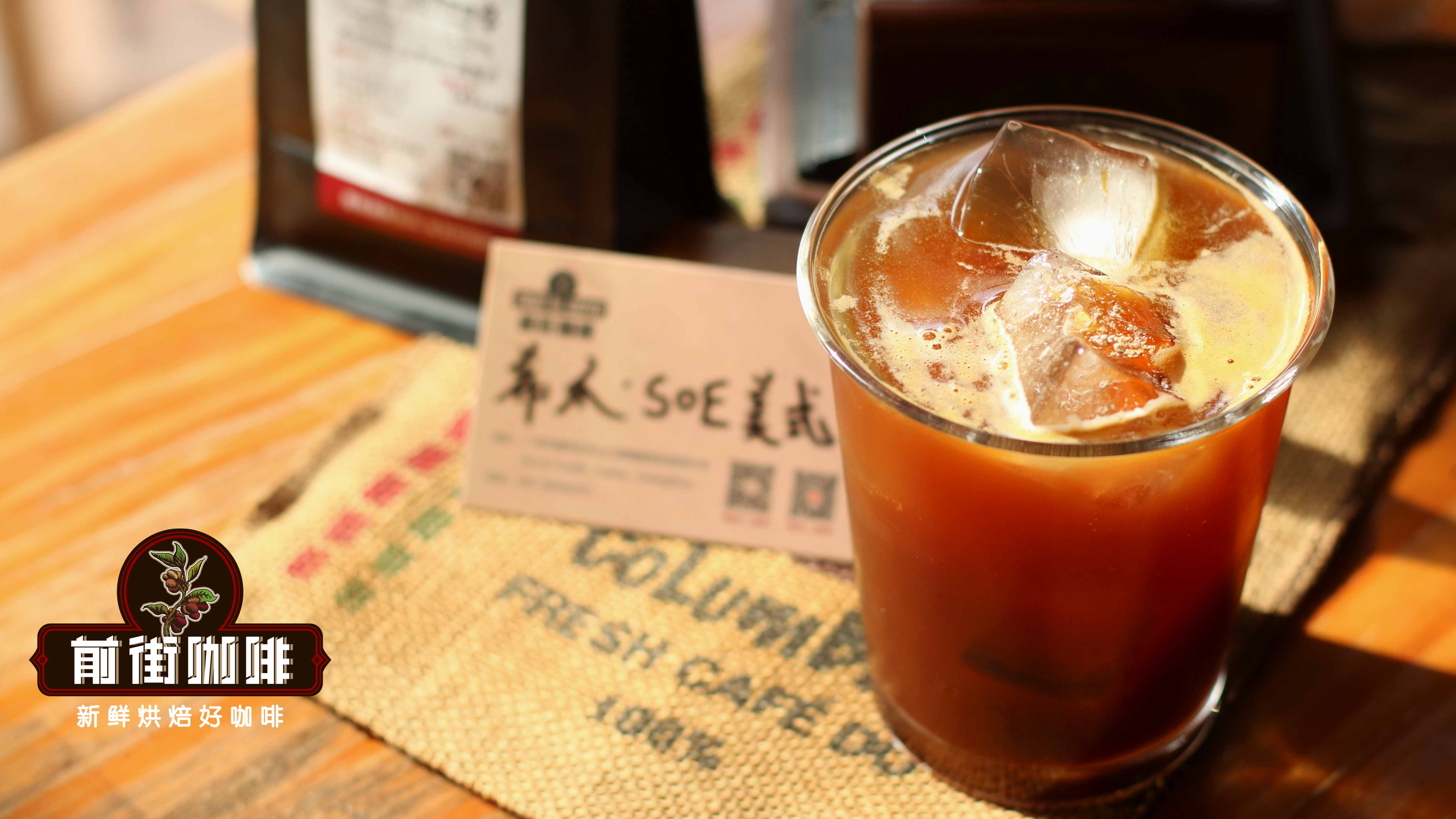
For those who don’t like overly intense flavors but seek balanced taste, blends with Brazilian beans as the base are recommended—their low-acidity, round characteristics, paired with the mild fruitiness and nutty finish of Colombian beans, present a subtle yet refined flavor profile, suitable for everyday drinking.
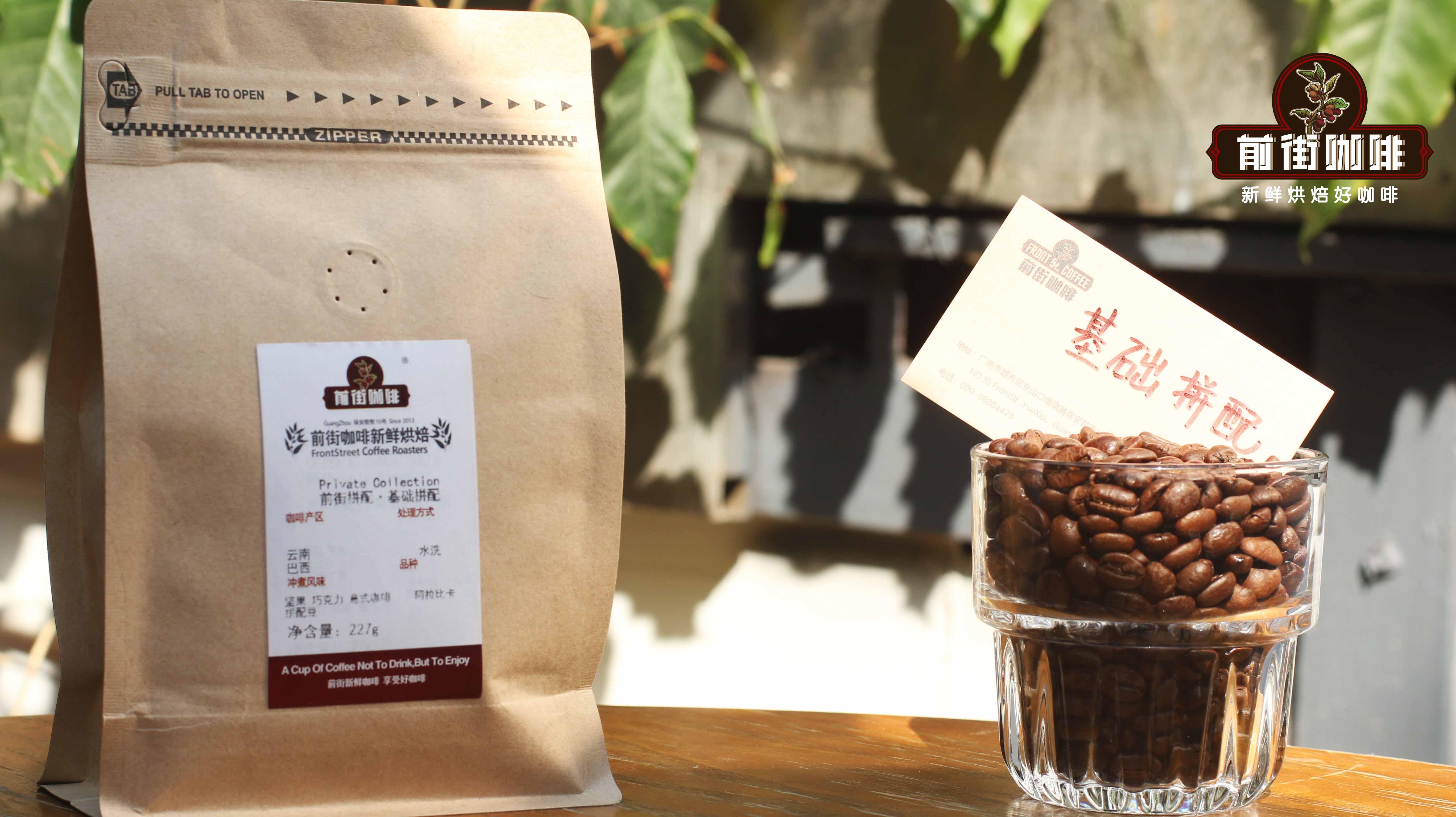
For beginners in coffee, high-value budget-friendly basic blends are a great starting point. These beans typically offer soft fruit acidity, caramel sweetness, and a dark chocolate finish, with smooth texture and affordable prices. They’re easy to use at home or for initial extraction practice, helping build a basic understanding of espresso.
No matter which beans you choose, freshness is the core factor affecting flavor. It’s recommended to select products with clearly labeled roast dates (not expiration dates), and prioritize small-batch roasted brands—freshly roasted coffee beans (within about 5 days) retain the most volatile aromatic compounds, delivering better flavor during extraction.
Bonus practical tip: Espresso beans are best ground and brewed immediately. Grind size should be adjusted based on machine pressure (usually finer than pour over), and extraction time should be controlled within 25–30 seconds to avoid over-extraction and bitterness. Regularly cleaning the espresso machine and server also helps maintain consistent extraction quality.
The above content is compiled by CoffeeHunters, a coffee news website.

