








Introduction:Making a high-quality espresso is crucially dependent on the selection of coffee beans. This article delves into the foundation of espresso-based drinks—the choice of beans for espresso—analyzing the differences between blends and single-origin beans, and recommending several carefully selected beans with rich crema and outstanding cost-performance for both commercial and home use, helping you easily extract an espresso with balanced flavor and layered complexity.
Espresso is the base for many classic coffee beverages such as lattes, cappuccinos, and flat whites. Its rich and bold character comes from the high-pressure extraction process, and the key to all of this lies in the coffee beans chosen. If the bean selection is inappropriate, even the most advanced equipment will struggle to deliver the desired coffee flavor.
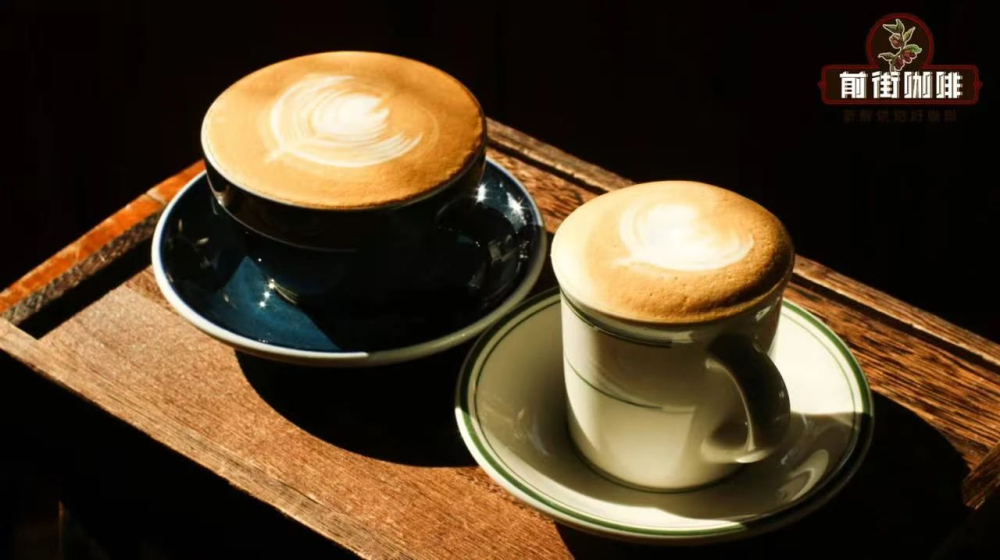
Among the various types of coffee, including espresso, Americano, latte, cappuccino, and flat white, espresso is at the core. It not only serves as the foundation for other espresso-based drinks but also directly determines the flavor direction of the entire cup. Therefore, mastering the right techniques for selecting coffee beans is the first step toward improving the quality of your espresso.
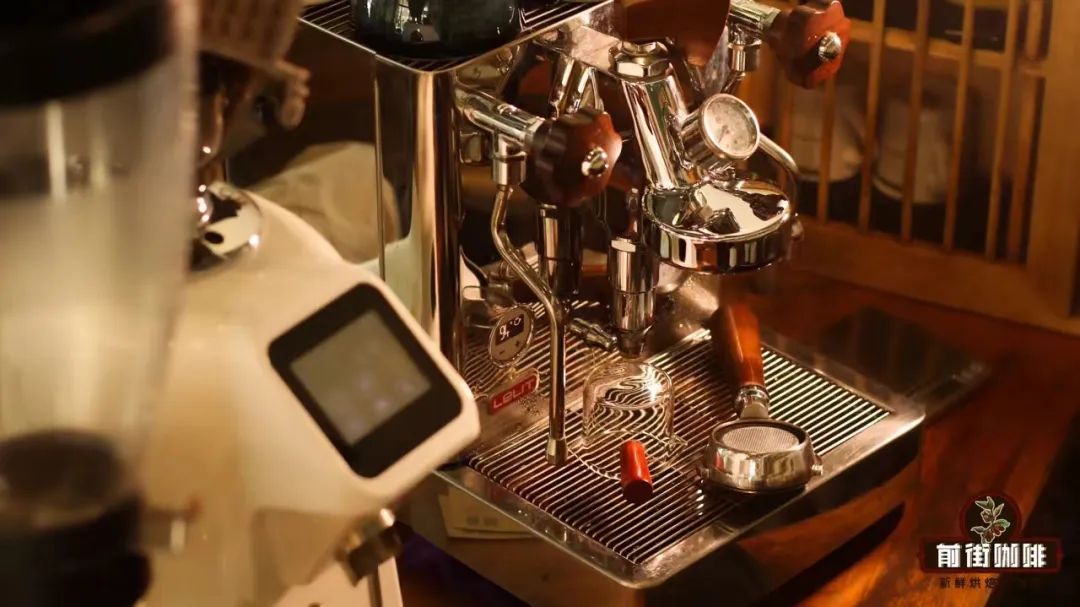
Brewing espresso requires an espresso machine with a pressure function, typically priced from several thousand to tens of thousands of yuan. It is recommended to choose based on your personal budget and needs. For beginners, selecting the right coffee beans is especially important. Coffee shops commonly use blends—mixtures of beans from two or more regions—which not only offer balanced flavors but also deliver a rich, full-bodied taste and a thick layer of crema.
When choosing a home espresso blend, it is advisable to consider three dimensions comprehensively: cost-performance, stability, and flavor compatibility. Below are several highly rated espresso blends, all offering excellent crema performance and layered flavors.
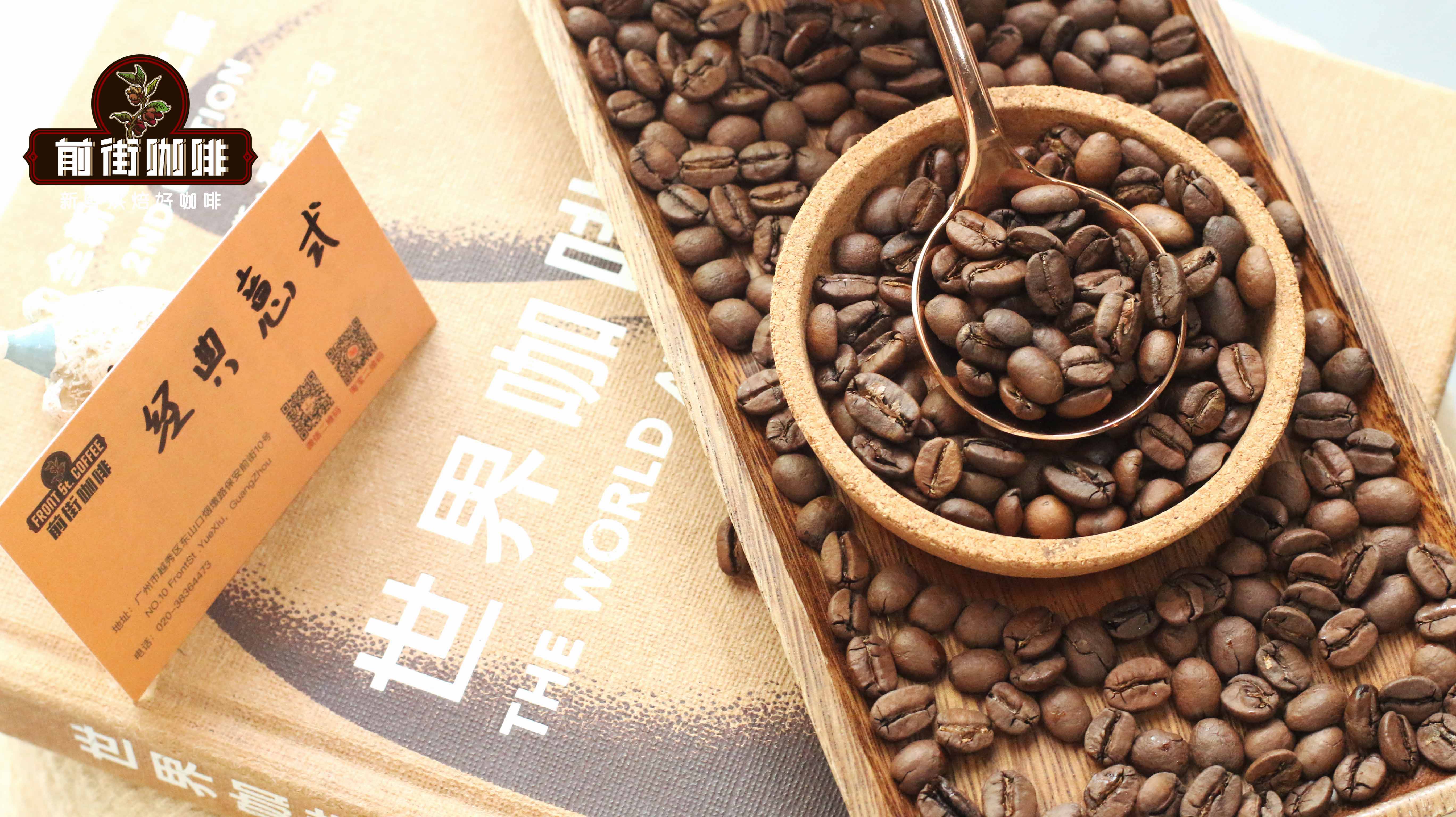
A classic blend composed of beans from Brazil, Indonesia, and Vietnam, roasted to a dark level, which fully brings out the beans’ rich and aromatic profile while helping to easily extract dense and abundant crema. Whether used for making an Americano by diluting with water or paired with milk in a latte, it delivers outstanding flavor performance, making it ideal for coffee lovers who prefer a bold and rich taste.
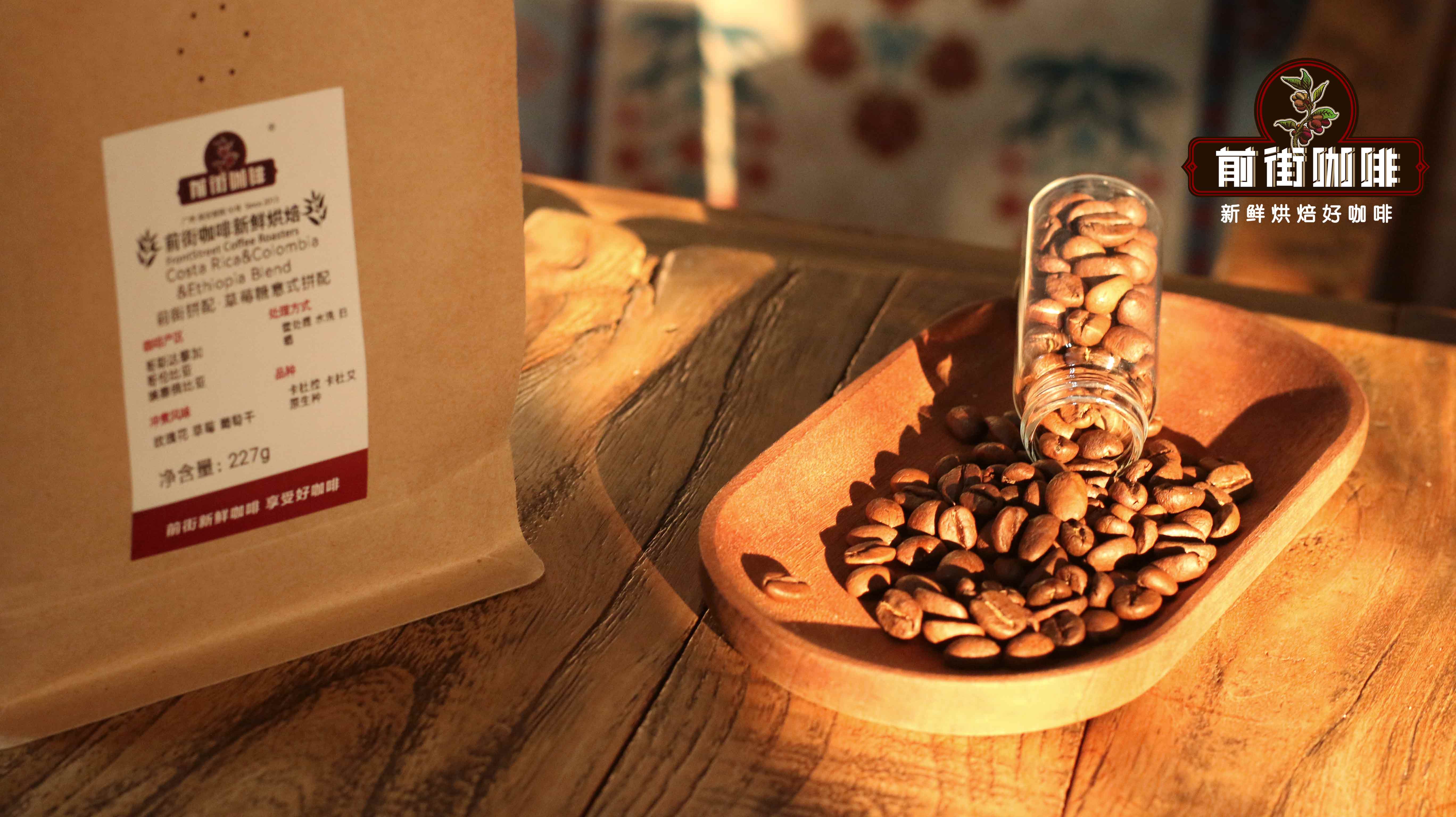
Another distinctive blend combines the sweetness of honey-processed Costa Rican coffee, the bright citrus acidity and floral notes of Ethiopian coffee, and the chocolate and nutty flavors of Colombian coffee. The resulting espresso is not only non-acidic but also boasts enchanting aromas of rose, strawberry soft candy, and dried blueberries, with a balanced sweet and sour profile and an almond-rich aftertaste. The crema is fine and velvety, making it suitable for those who enjoy a balance of fruity and sweet notes.

In addition, there is a blend that combines beans from Colombia’s Huila region and Brazil’s Cerrado region. The former is known for its pleasant acidity and aromatic fragrance, while the latter provides a comfortable bitter-sweetness and smooth mouthfeel. The espresso made from this blend features enticing flavors of roasted nuts, cocoa, and maple syrup, with a distinct sugarcane sweetness in the aftertaste. Overall, it presents a smooth and comfortable profile, suitable for various specialty coffee shops and home environments.
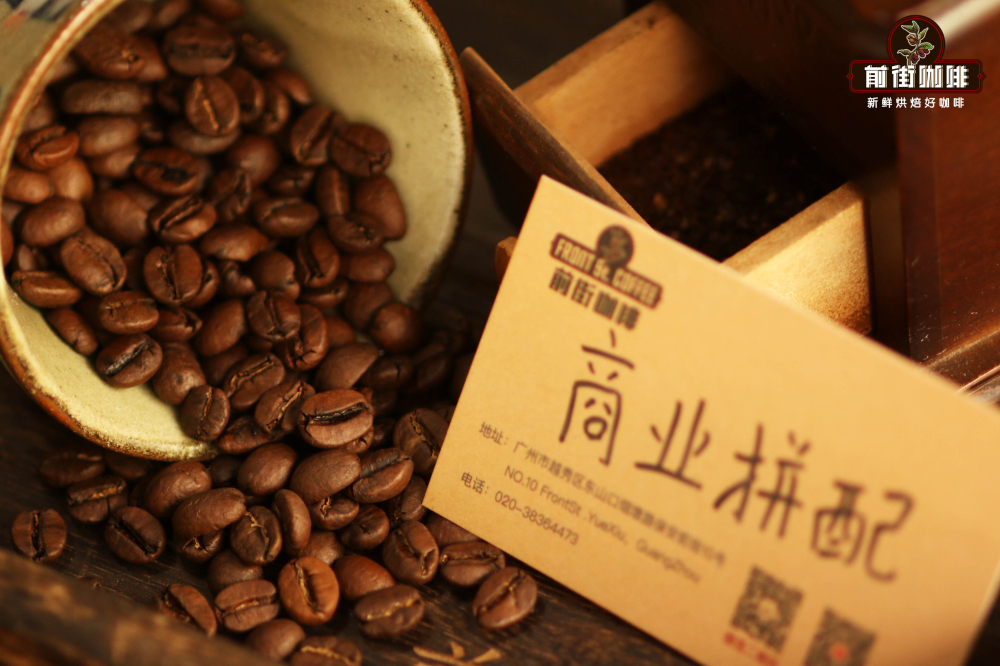
If you wish to recreate the classic Americano and latte flavors found in coffee shops, try a commercial-grade coffee blend made from beans sourced from Brazil, Colombia, and Vietnam. After medium-dark roasting, these beans display rich crema and toasty aromas. The resulting Americano has a mellow taste with intense black cocoa and toasted bread notes, while the latte is smooth, rich, and has a long-lasting finish. Moreover, it is affordably priced, making it an excellent everyday bean for home use.
The above content is compiled by CoffeeHunters, a coffee news website.

