







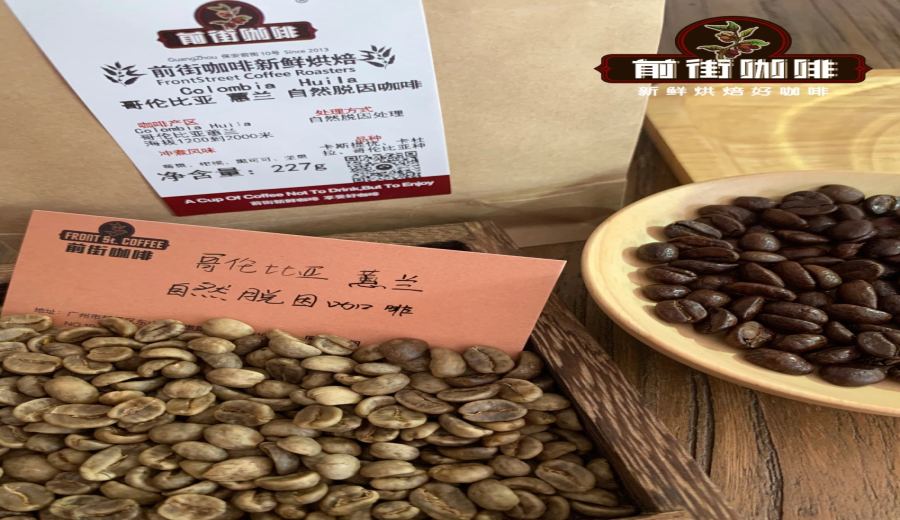
Introduction:Decaffeinated coffee has become the beverage of choice for many who are sensitive to caffeine or prefer to enjoy coffee at night. But do you know how much caffeine actually remains in low-caffeine coffee? This article delves into the science behind decaffeination, introduces the five mainstream decaffeination processes, and provides a comprehensive practical guide—from roast profile to pour over parameters—using Swiss Water Process decaf beans from Colombia’s Huila region as an example. Learn how to choose truly delicious low-caffeine coffee.
Modern coffee drinking is not just about staying alert—it’s also a lifestyle statement. However, for those sensitive to caffeine or who prefer to enjoy coffee at night, decaf offers an excellent alternative. Is decaf coffee really completely caffeine-free? What are the differences among the decaffeination methods on the market? Let’s explore these questions from a scientific perspective.
What is decaffeinated coffee? How little caffeine is considered “decaf”?
Generally speaking, Arabica beans contain about 0.9%–1.4% caffeine (averaging 1.2%), while Robusta contains even more, at 1.8%–4% (averaging 2.2%). So-called decaf coffee can be divided into natural and artificially processed types. Among them, the naturally low-caffeine variety known as Laurina, due to a genetic mutation, contains only 0.6% caffeine—about half that of regular Arabica. According to international standards, the EU stipulates that decaffeinated coffee must not exceed 0.1% caffeine content of the green bean, while the U.S. FDA requires that at least 97% of the original caffeine be removed (i.e., no more than 3% residual). In reality, current technology still cannot completely remove caffeine. A cup of decaf espresso typically still contains a trace amount of 0–7 milligrams of caffeine, but for most people, this is no longer an issue.
Analysis of the Five Decaffeination Processes: Which One Best Preserves Flavor?
Modern decaffeination techniques are mainly divided into five mainstream methods:
1. Direct Solvent Method: Uses dichloromethane or ethyl acetate (commonly used in Colombian processing) to directly extract caffeine. Note that residual dichloromethane must be less than 0.001% (strictly regulated by the FDA). Ethyl acetate, derived from sugarcane, is sometimes called the “sugarcane decaf method,” but it is a flammable substance and requires careful handling.
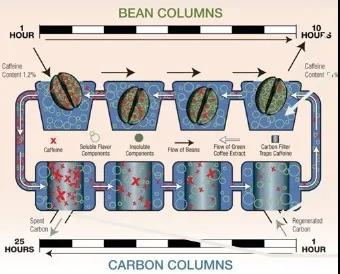
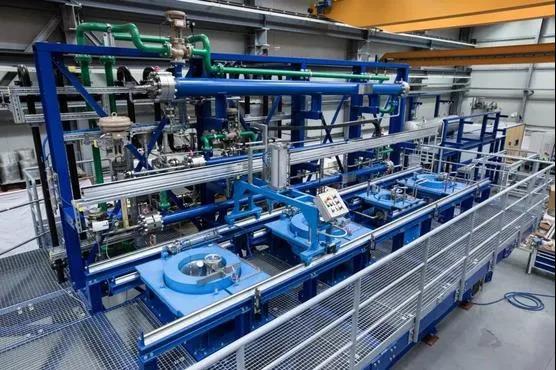
2. Swiss Water Process: Uses “flavor-saturated water” to soak green beans and removes caffeine through activated carbon filtration while retaining other flavor compounds. It is a more natural, non-chemical process.
3. Supercritical Carbon Dioxide Method: Utilizes liquid CO₂ under 100 atmospheres of pressure to selectively adsorb caffeine. It does not damage carbohydrate and protein structures, resulting in minimal flavor loss but higher cost.
4. Mountain Water Process: Similar to the Swiss Water Process but uses glacial water as the base and removes caffeine through special filtration devices, such as the method used by Mexico’s Descamex company.
5. Indirect Solvent Method: First extracts flavors with hot water, then treats the caffeine with solvents. It is a compromise solution.
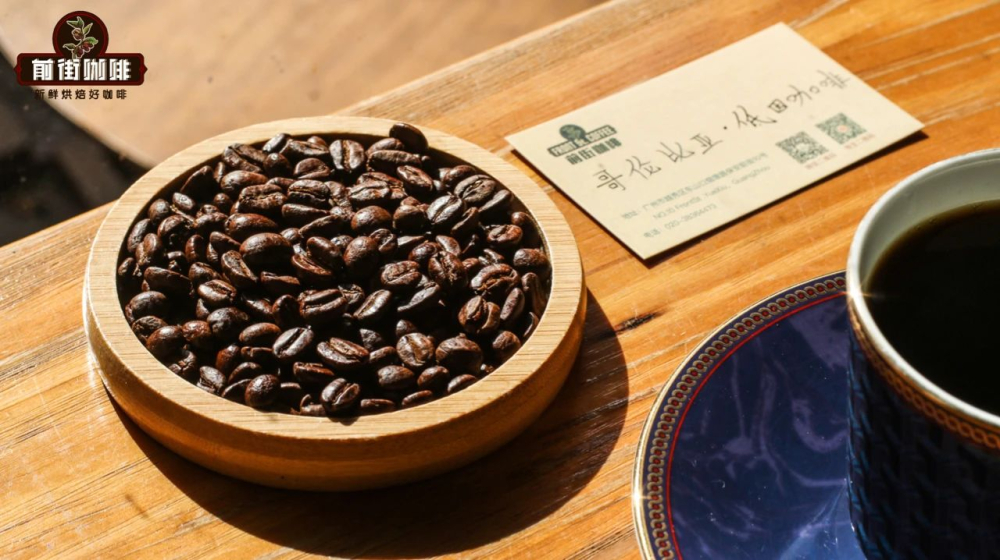
The Flavor Myth of Decaf Coffee: The Problem Isn’t the Process Itself
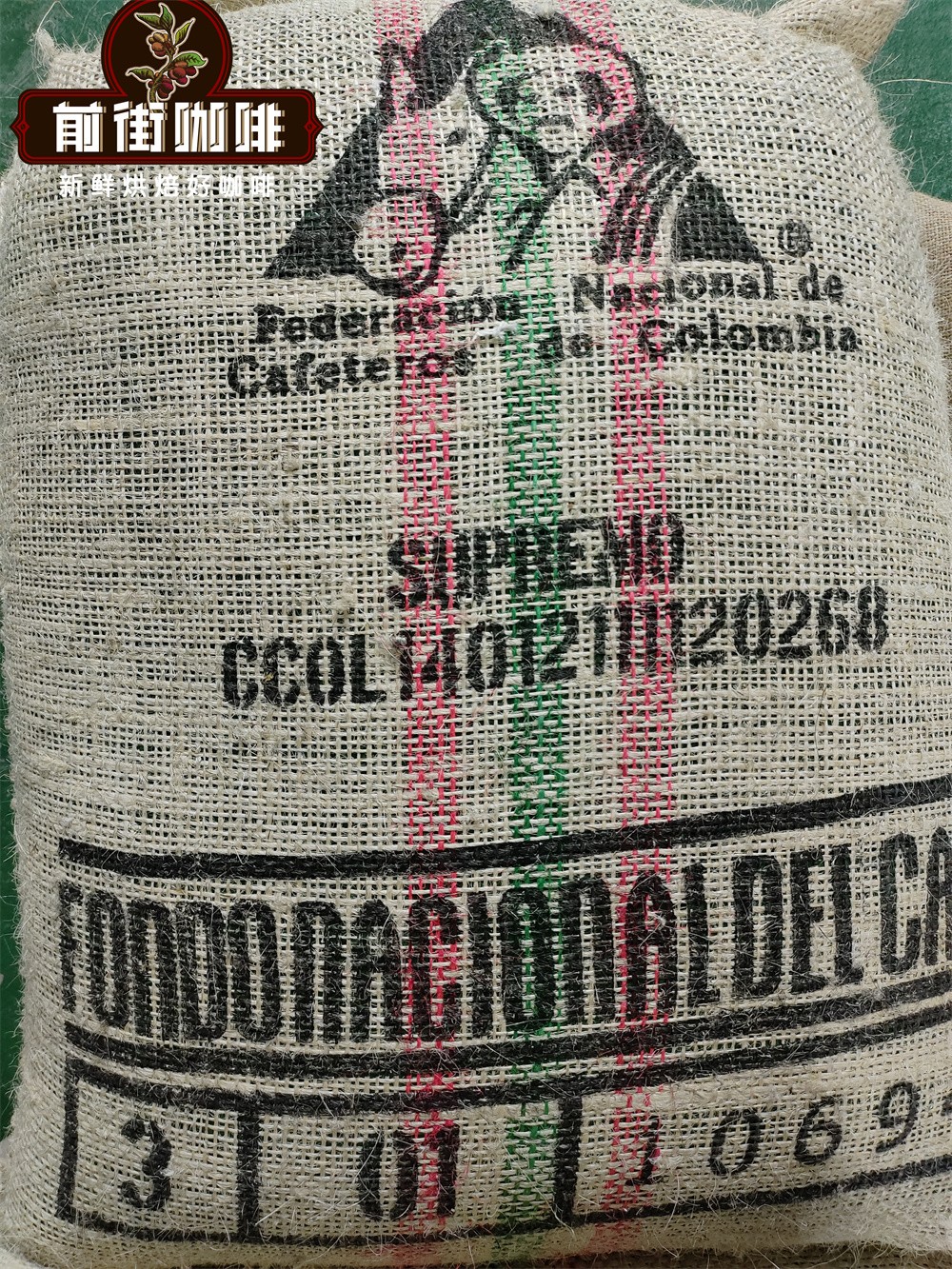
Many people think decaf coffee has inferior flavor, but the real key lies in the choice of raw materials. In the early market, low-cost commercial beans were often used for decaffeination, resulting in poor quality. If high-quality Arabica beans (such as Typica or Caturra varieties) are used—even after Swiss Water processing—they can still deliver rich layers of flavor. It is recommended to choose high-grade beans such as Supremo and pay attention to the quality control processes of the processing plant.
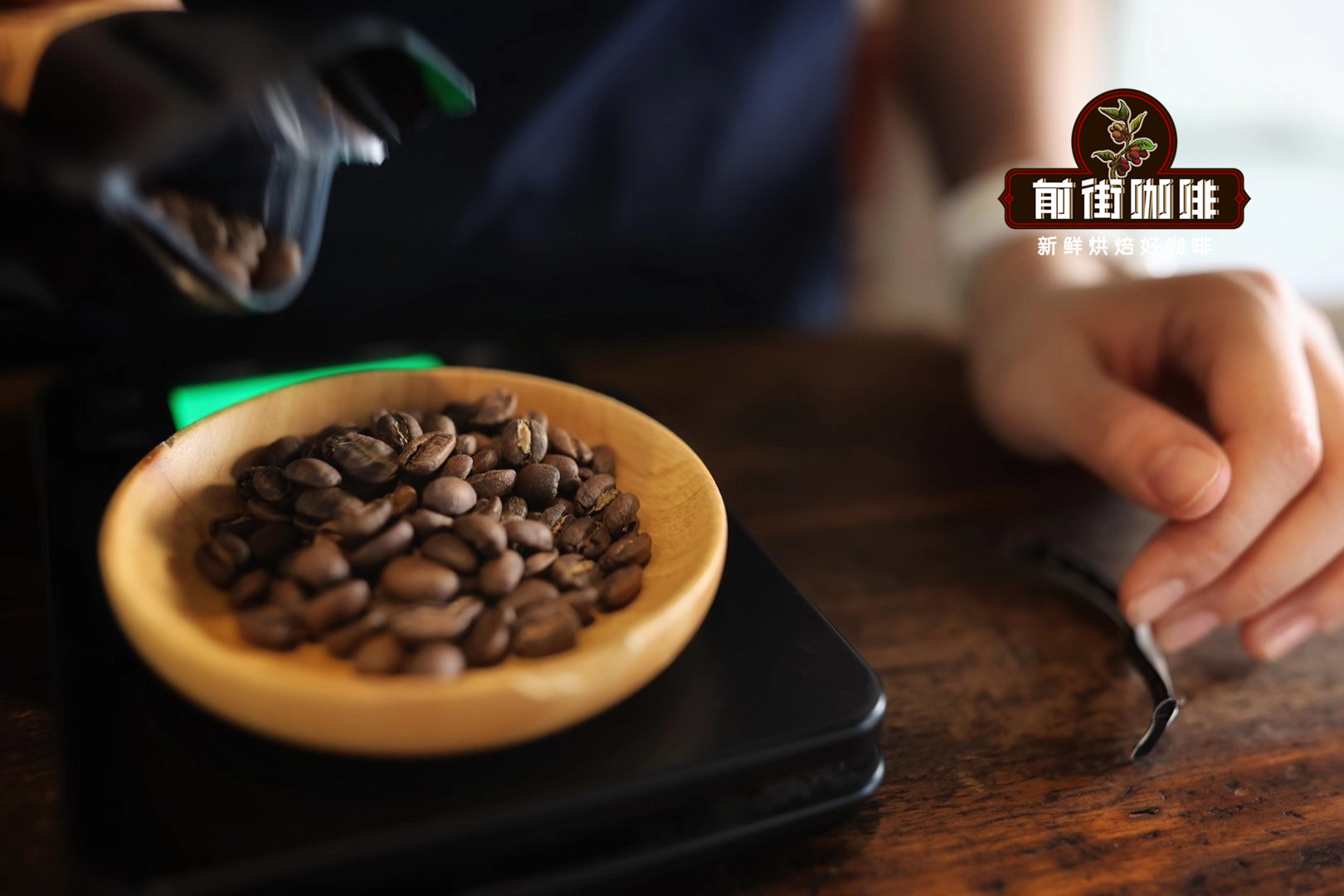
Practical Analysis of Colombian Huila Decaf Beans
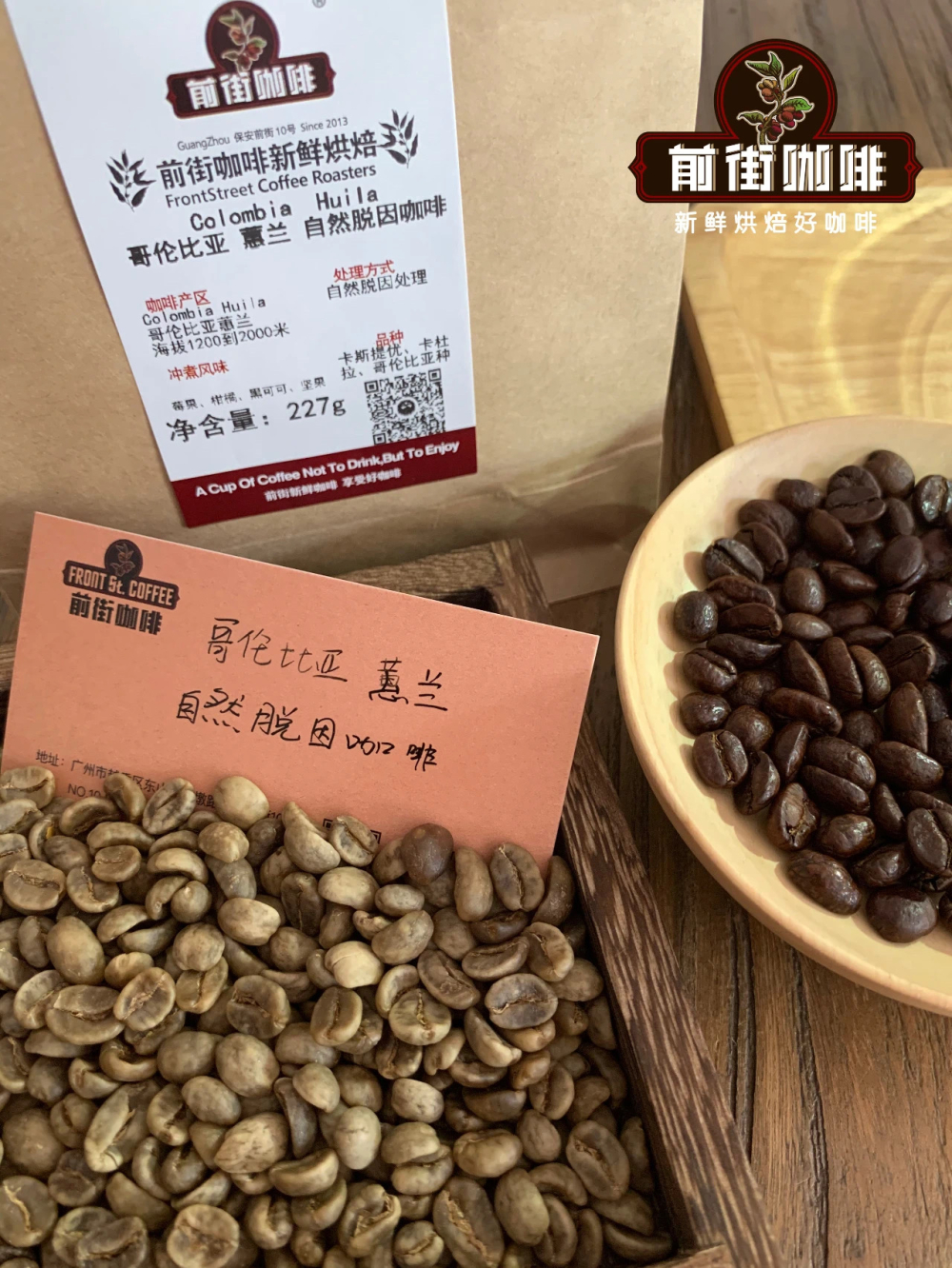
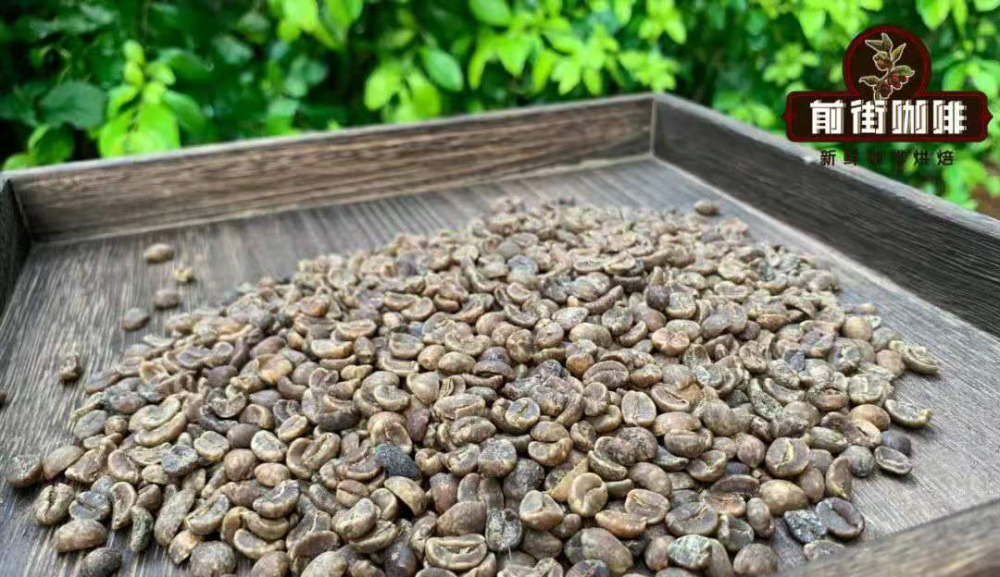
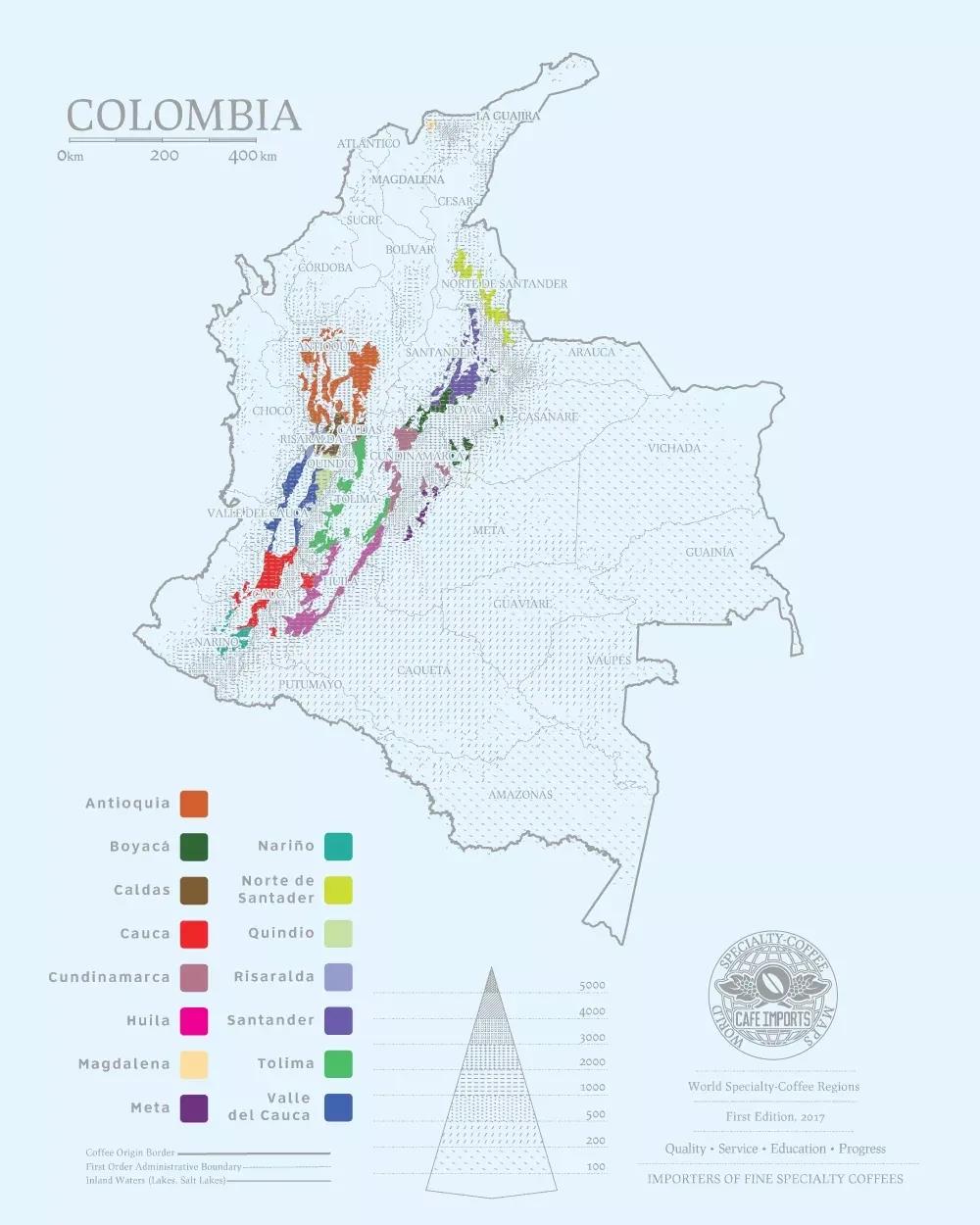
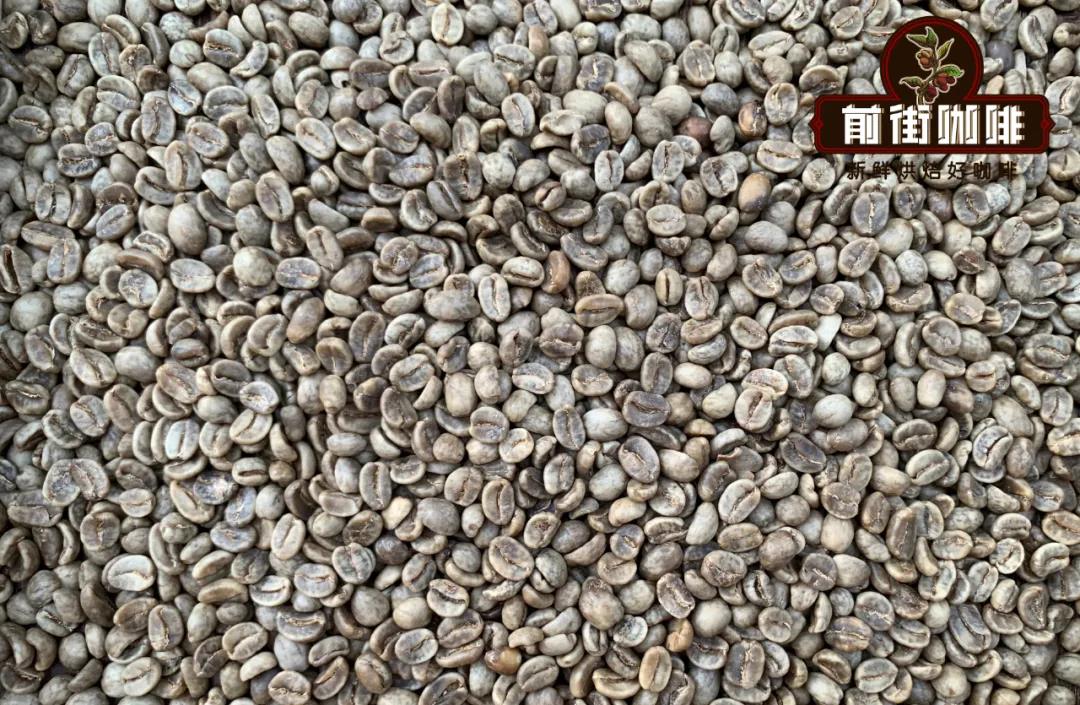
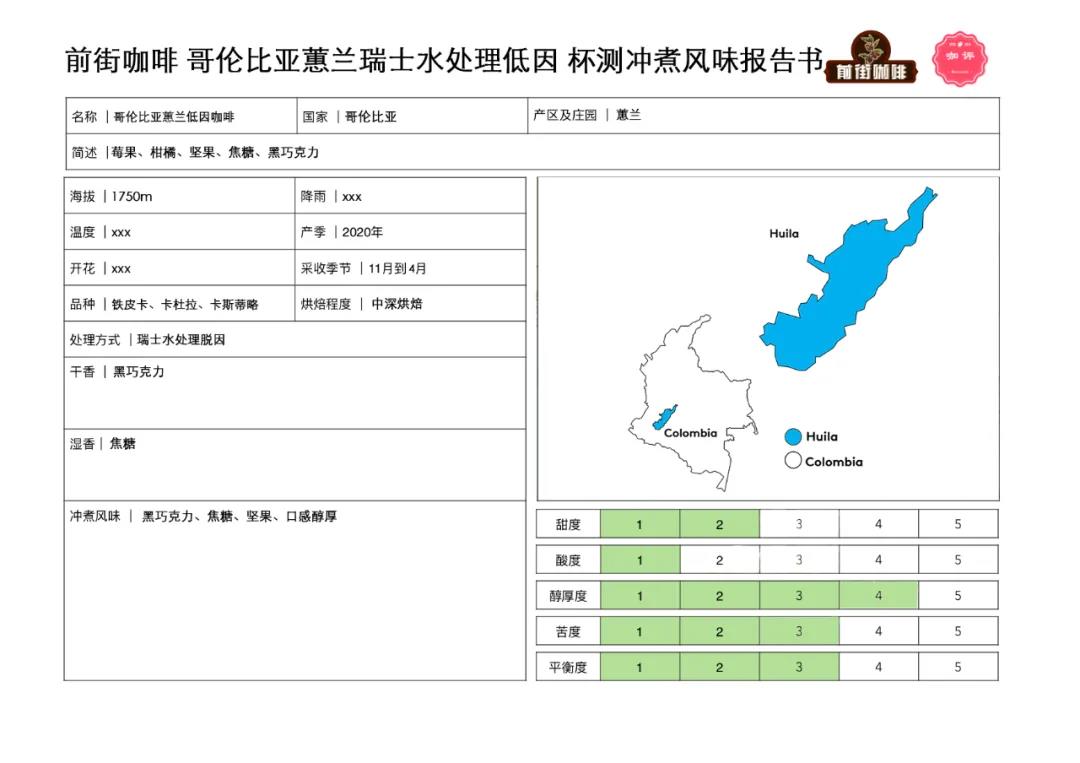
Take the Swiss Water Process decaf beans from Colombia’s Huila region as an example: this batch uses a blend of three classic varieties—Typica, Caturra, and Castillo—grown at a high-altitude environment of 1,750 meters. Among them, Typica is the oldest Arabica variety, known for its sweet floral and fruity notes; Caturra is highly adaptable and has stable yields; Castillo is a tenth-generation hybrid of the Colombia variety and Caturra, and in recent years, its flavor profile has become increasingly delicate. Supremo-grade beans are plump, and after medium roasting, they present a rich base of vanilla and dark chocolate.
Professional Roast Profile and Pour Over Parameters
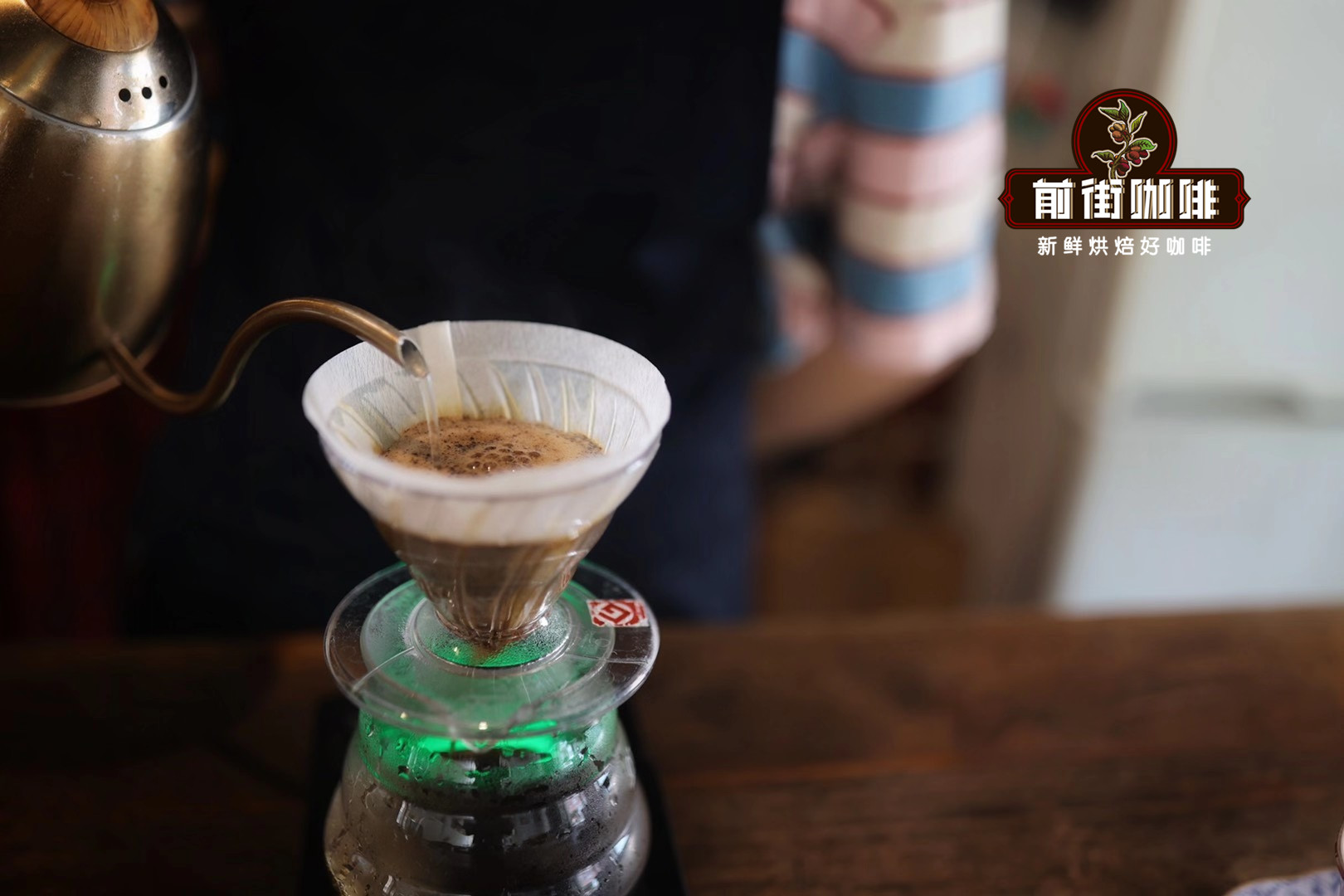
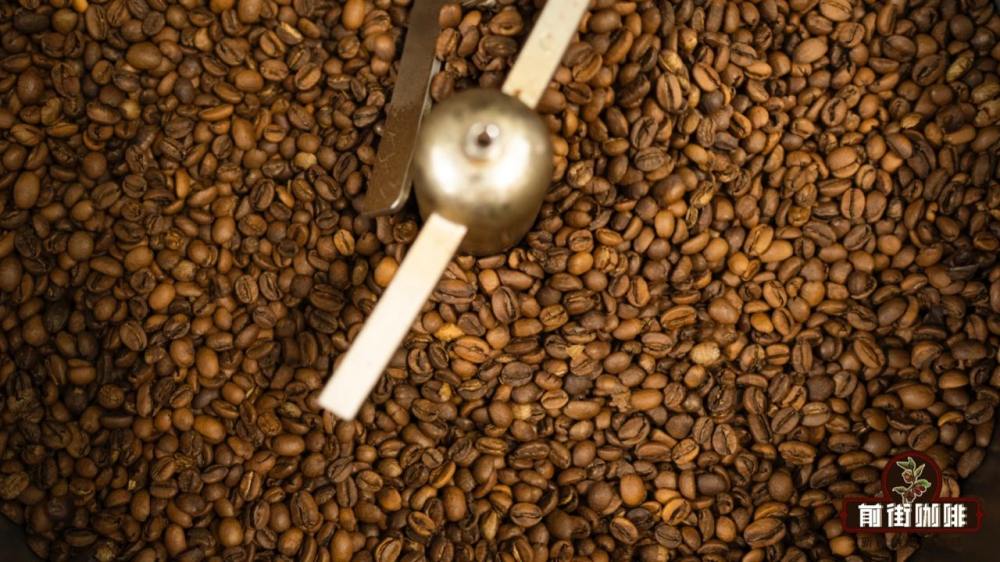
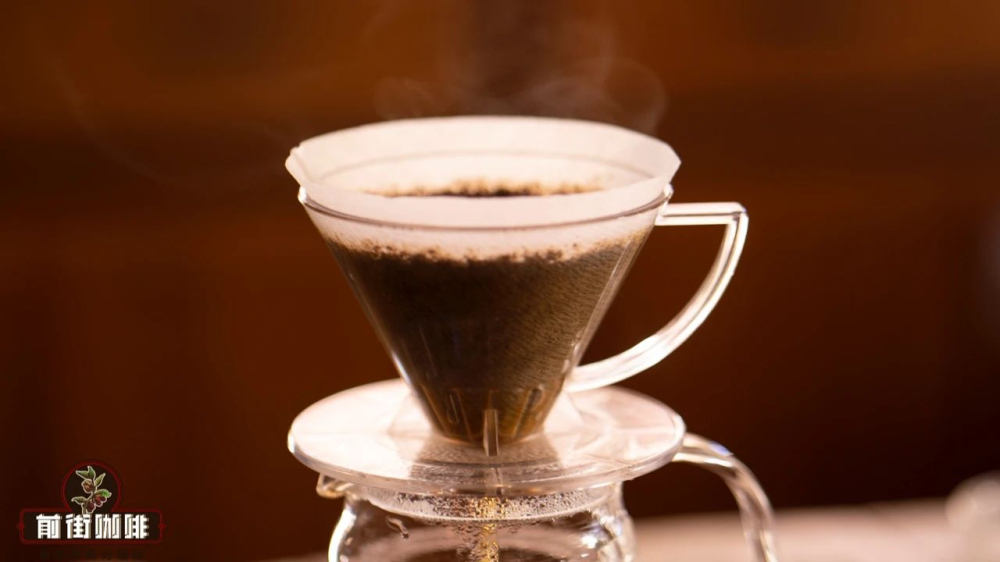
The roaster used a medium-fire progressive roasting method: the entry drum temperature was 200°C, with damper setting 3. After 30 seconds, the heat was turned on and adjusted to firepower 130. Key turning points included: yellowing at 6 minutes 15 seconds, damper adjusted to 4 at 151°C, full damper opening at 183.2°C when first crack began, and completion of roasting at 194.2°C (total duration approximately 9 minutes 57 seconds). For pour over, it is recommended to use a Kono filter, with water at 90°C, 15 grams of coffee to 225 milliliters of water (a 1:15 brew ratio), using medium-coarse grind (70% passing through a #20 sieve). A three-stage extraction is advised: 30 grams of water for a 30-second bloom, followed by pouring to 125 grams and then to 225 grams, with total time controlled within 3 minutes. This highlights the dominant flavors of dark chocolate, caramel, and nuts.
Common Misconceptions Reminder
Consumers often mistakenly assume that “decaf” means “flavorless.” In fact, flavor flaws mostly stem from improper raw material selection and roasting. Also, note that some products labeled as “natural decaf” may mix in Robusta beans. It’s recommended to confirm the variety information. If sharp acidity or astringency appears during brewing, check whether the grind size is too fine or the water temperature is too high.
The above content is compiled by CoffeeHunters, a coffee news website.

