







Introduction:If you want to brew coffee with rich crema and balanced flavors using a moka pot or espresso machine, choosing the right blend is key. This article delves into which coffee beans are suitable for high-pressure extraction and recommends several common, easily accessible blends that deliver intense chocolate and caramel notes. It also provides practical tips for making Americano and latte, along with extraction parameters to help you quickly level up from beginner to coffee expert.
To brew café-quality, layered espresso at home, selecting a blend suited for high-pressure extraction is absolutely essential. Whether you use an espresso machine or a moka pot, a good blend can produce rich crema, a full-bodied mouthfeel, and a balanced acidity and sweetness. Many classic blends are not only affordable but also versatile across various brewing devices—perfect for daily drinking and capable of meeting milk coffee needs.
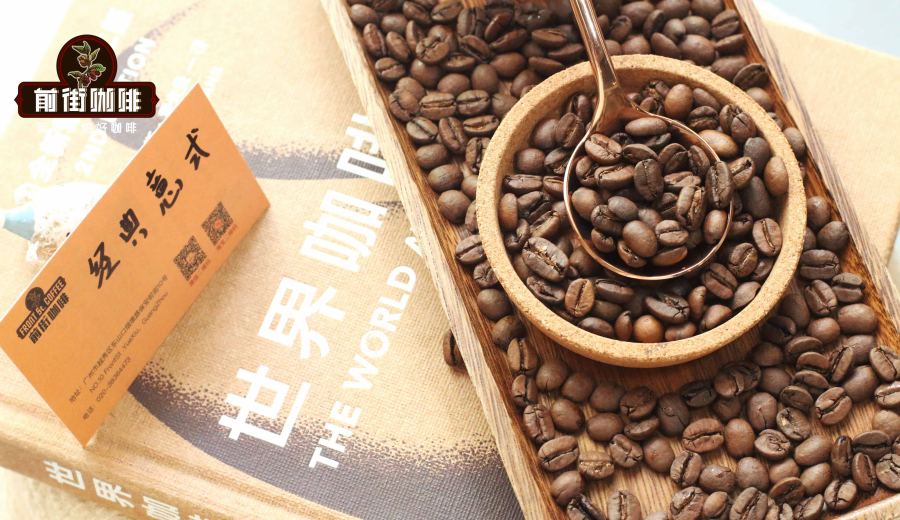
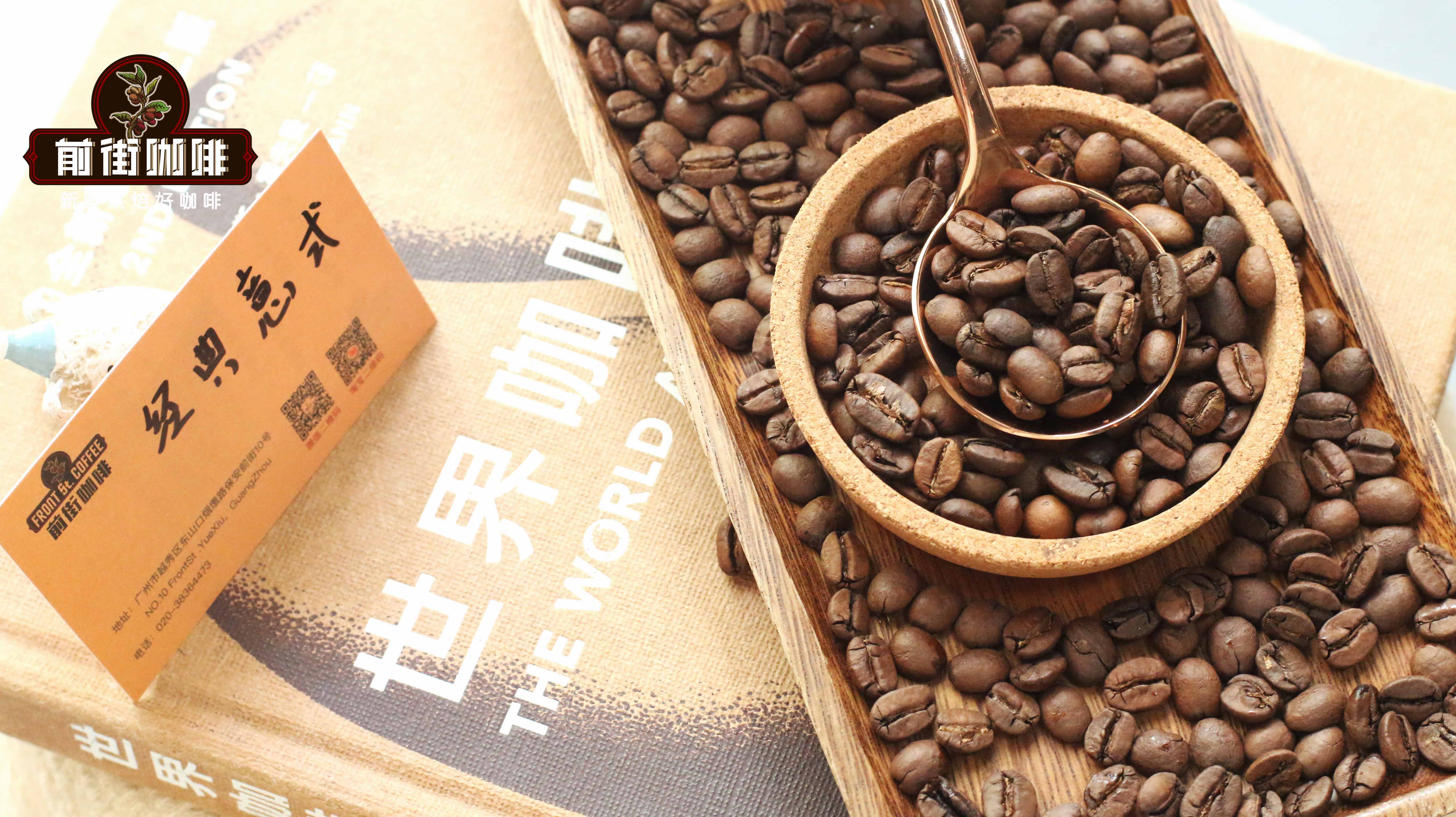
For example, a dark-roast-dominated blend often features intense dark chocolate, mellow roasted nuts, and mildly sweet caramel notes, with low acidity. It’s ideal for making Americano or pairing with milk. These types of beans tend to form rich crema under high-pressure extraction, the so-called coffee oils, enhancing the overall body and aroma of the drink.
When using such blends to make Americano, it’s recommended to start with a double shot of espresso as the base, then adjust the strength with hot or cold water according to personal preference. Specifically, use about 20 grams of coffee grounds to extract 40 grams of espresso, then add around 240 grams of 80°C hot water—or opt for cold water instead. Be mindful that the water temperature shouldn’t be too high; exceeding 92°C may introduce excessive bitterness, disrupting the flavor balance.
If you prefer milk-based drinks like lattes, then the choice of blend should place more emphasis on flavor expression and crema stability. The generally recommended milk-to-coffee ratio is 1:6, meaning 40 ml of espresso paired with 240 ml of hot milk. Using the same 20-gram coffee dose to pull 40 grams of espresso, heat the milk to around 55–60°C, then steam and create fine microfoam. Pour the milk slowly in a circular motion into the espresso to ensure thorough integration, resulting in a smooth texture that balances milk and coffee aromas.
A special note: fresh milk releases more natural sweetness from lactose during heating. This sweetness perfectly balances the bitterness of the espresso and the deep roast aromas, making the latte not only rich and creamy but also subtly sweet—without overshadowing the inherent characteristics of the coffee itself.

For those who frequently use a moka pot, it’s even more important to pay attention to the grind size and roast level of the beans. The moka pot is a high-pressure brewing tool. Though its pressure is lower than that of a professional espresso machine, it still requires beans with a certain density and extraction stability. Therefore, dark roast blends are usually a safer bet, capable of releasing sufficient flavor compounds and crema during short high-pressure extraction, ensuring each cup has a bold taste and aroma.
Additionally, no matter which brewing method you use, it’s advisable to preheat your equipment and cup appropriately before brewing. This helps maintain the coffee’s temperature and further enhances flavor expression. Also, pay attention to the tamping pressure and evenness of the coffee grounds, as these are also crucial factors affecting the smoothness of extraction.

In summary, choosing a blend suitable for both espresso machines and moka pots not only allows you to easily brew coffee with rich crema and balanced flavors but also enables you to customize drinks to your liking—from intense black coffee to silky milk coffee. By mastering basic extraction parameters and bean characteristics, you too can enjoy a professional-level coffee experience at home.
The above content is compiled by CoffeeHunters, a coffee news website.

