







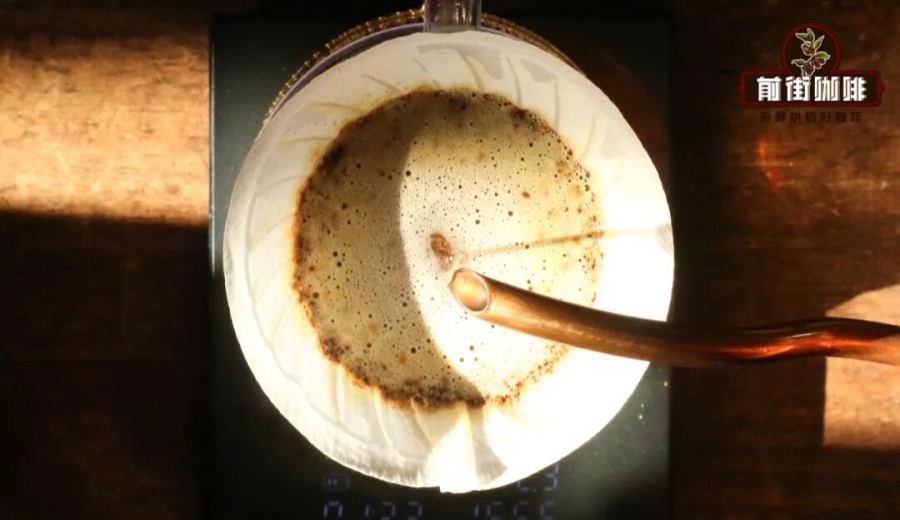
Introduction:As a globally renowned specialty coffee region, Yirgacheffe is famed for its distinctive bright floral and fruity flavors. However, many beginners often encounter issues such as uneven extraction, muted flavors, or filter paper clogging when brewing it using pour over methods. This article delves into the origins of Yirgacheffe’s signature taste, explaining how high altitude and washed processing shape its classic profile. It also provides practical pour over parameters and steps to help you successfully extract Yirgacheffe’s bright citrus acidity and floral finish.
When it comes to specialty coffee, many people immediately think of Yirgacheffe. This is not only because it is a world-famous producing region, but also because the coffee beans grown there boast highly recognizable and unique flavors that leave a lasting impression.
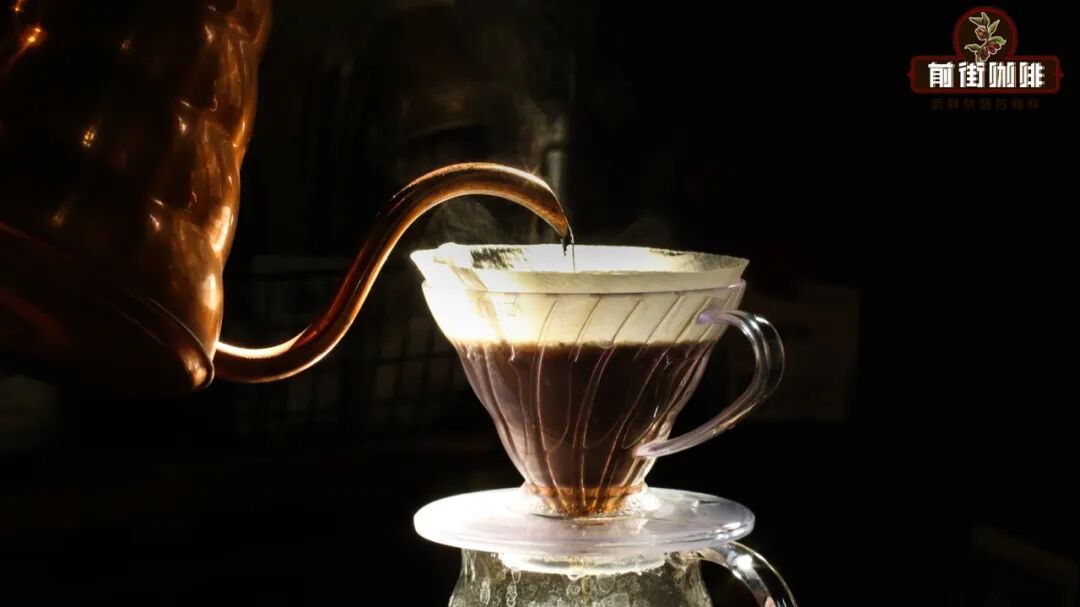
However, successfully brewing a great cup of Yirgacheffe is no easy task. Many experienced coffee enthusiasts know that these high-altitude beans are not only prone to clogging filters during brewing, but also notoriously challenging in terms of highlighting what is commonly referred to as the “Yirgacheffe flavor.” Don’t worry—this article will break down the correct extraction techniques in detail and introduce you to what the true Yirgacheffe flavor is all about.
What is the “Yirgacheffe flavor”?
Simply put, the “Yirgacheffe flavor” refers to the classic flavor characteristics exhibited by coffee from Ethiopia’s Yirgacheffe region. With an average altitude of around 2,000 meters, it is one of the highest-altitude coffee-growing regions in Ethiopia. The high elevation slows down the ripening process of coffee cherries, allowing for more complete sugar accumulation and the development of a wider range of flavor compounds.
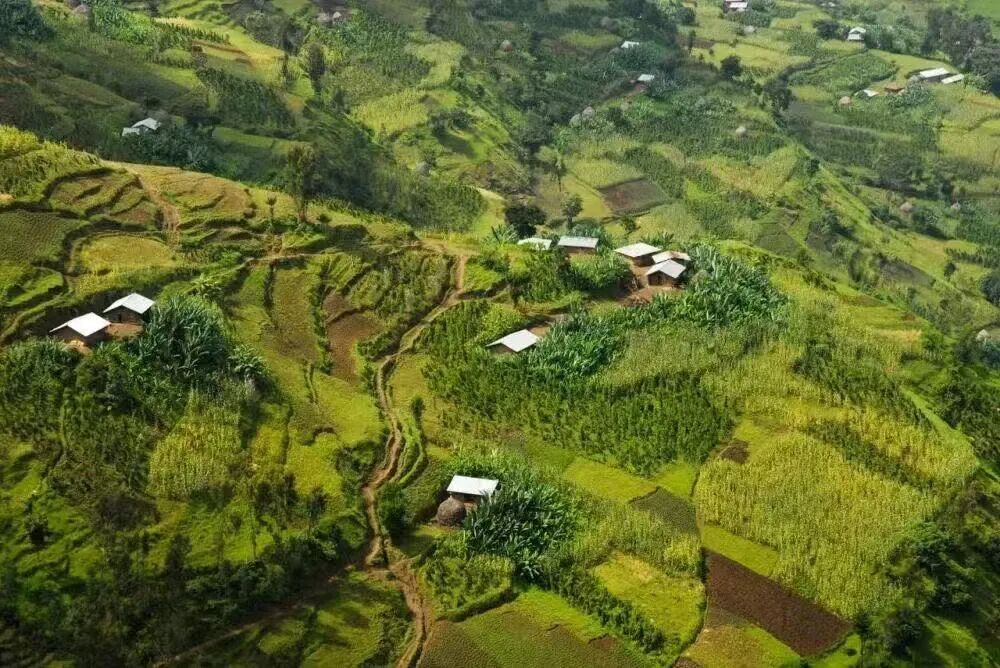
Originally part of the Sidamo region, Yirgacheffe was later designated as a separate producing area due to its uniquely outstanding flavor profile, eventually growing into one of Ethiopia’s most iconic coffee representatives.
When discussing Yirgacheffe, one cannot overlook its most representative processing method: washed processing. The so-called “Yirgacheffe flavor” that people often talk about largely comes from the clean and bright characteristics brought by this method.
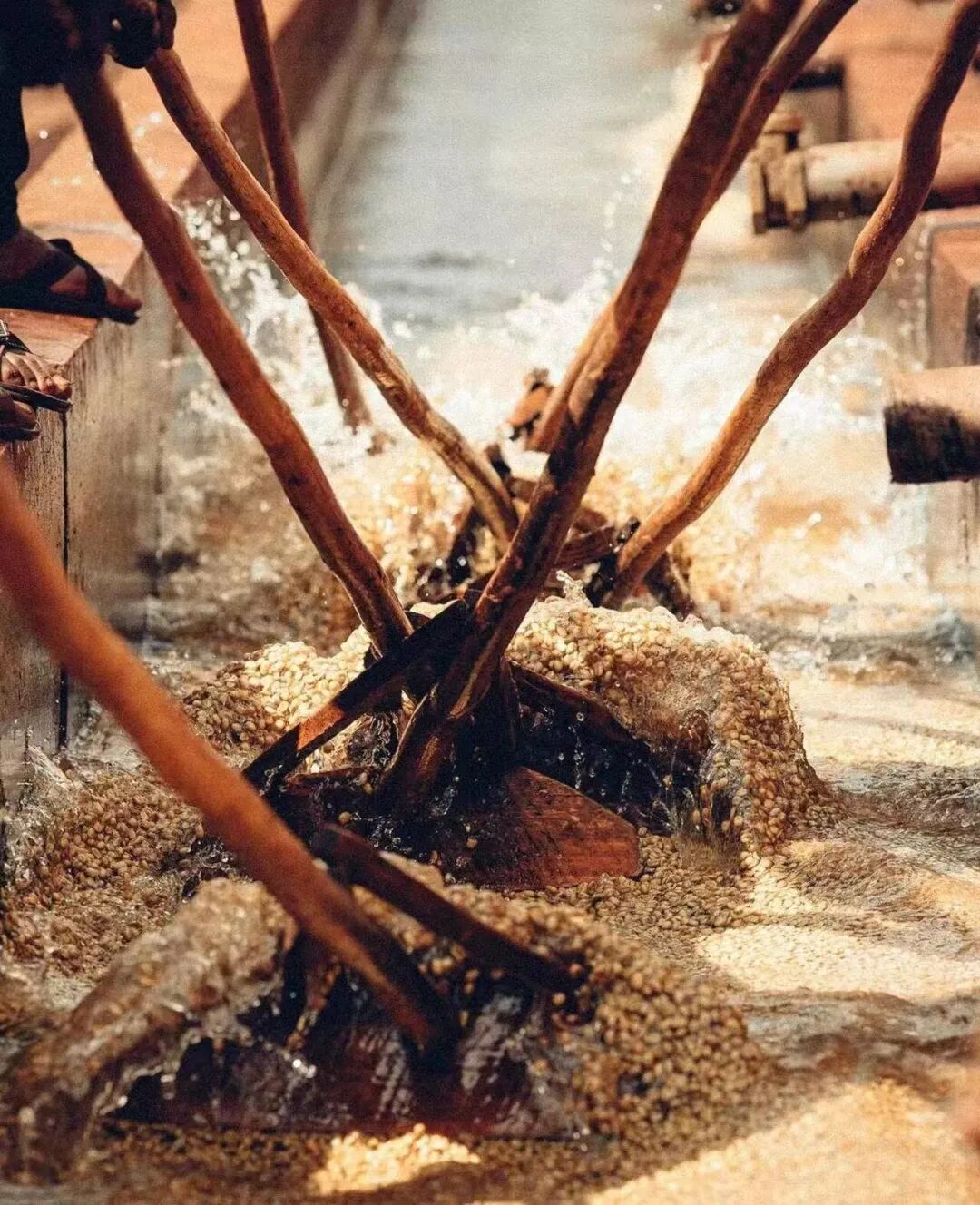
In the early days, Ethiopia primarily used the natural (sun-dried) processing method. However, due to immature techniques at the time, it often led to over-fermentation and a high percentage of defective beans, severely affecting the final quality of the coffee. To address this issue, the Ethiopian government introduced modern washed processing technology in 1972 and established the first professional washing station in the town of Yirgacheffe. This reform significantly reduced defect rates while preserving the coffee beans’ purer, more original flavors.
Through washed processing, the fermentation process becomes more controllable, which not only enhances overall cleanliness but also allows the bright citrus acidity, soft white floral notes, and tea-like green tea aftertaste to shine through—this is the well-known “Yirgacheffe flavor.” (However, it should be noted that not all Yirgacheffe coffee beans will necessarily exhibit this flavor profile, as it still depends on the processing method and microclimate.)

Thanks to the success of washed processing in improving both stability and flavor expression, the region gradually shifted to primarily using this method. Over time, “Yirgacheffe” became almost synonymous with “washed coffee,” making it a top choice for many beginners entering the world of specialty coffee.
How to brew Yirgacheffe to bring out its classic flavors?
Although Yirgacheffe has captivating flavor potential, extracting its essence is not easy. Many beginners often experience issues such as flat taste, unbalanced sourness, over-extraction, or under-extraction when brewing it. These problems are actually closely related to the unique characteristics of Yirgacheffe beans.
Most coffee from this region is lightly roasted and grows in high-altitude environments, resulting in higher bean density. For those using hand grinders, it is common to find these beans particularly difficult to grind.

High-density coffee grounds are less easily penetrated by hot water during extraction. If the pouring technique is not appropriate, it can lead to channeling (i.e., water not evenly passing through the coffee bed) or clogging of the filter paper, which in turn affects overall extraction uniformity and taste. Additionally, overly long extraction times can lead to over-extraction, resulting in unwanted bitterness and astringency.

So, how can you correctly brew Yirgacheffe to highlight its bright acidity and delicate floral-fruity aromas? The key lies in adjusting grind size, water temperature, and pouring technique.
It is recommended to use a finer grind (such as around setting 10 on the Ek43 grinder, equivalent to a 20-mesh sieve with approximately 75% throughput, roughly the coarseness of fine sugar), paired with a slightly higher water temperature of around 92°C. This helps improve extraction efficiency, allowing the aromatic compounds in the coffee to be fully released.
When pouring, try to control the height of the water stream to avoid forcefully hitting the coffee bed, thereby reducing the risk of filter clogging. It is advisable to use a multi-pour technique with a small, steady stream, controlling the flow in stages to effectively avoid channeling and over-extraction.
Next, we’ll walk you through a practical pour over example to brew a cup that showcases the representative Yirgacheffe flavor step by step.
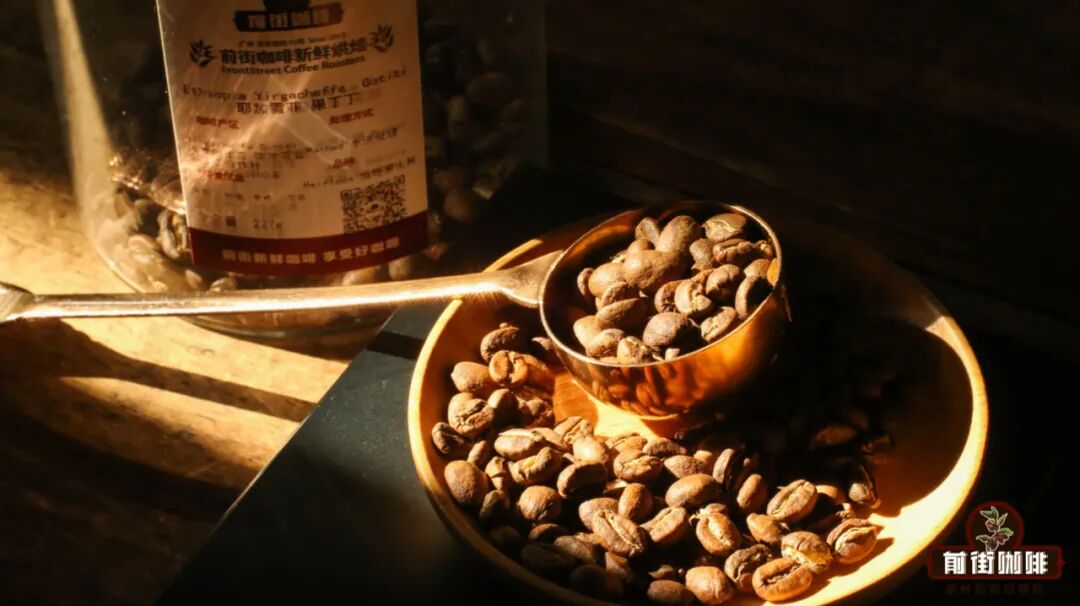
For this demonstration, we’re using a classic washed Yirgacheffe coffee bean with a very typical Yirgacheffe flavor profile. Below are the recommended extraction parameters:
Dose: 15 grams
Grind size: Ek43 grinder setting 10 / approximately 75% throughput on a 20-mesh sieve (similar to fine sugar granules)
Coffee-to-water ratio: 1:16
Water temperature: 92°C
Brewing method: four-pour pour over
Steps are as follows:
1. Start by pouring about 30 ml of hot water (approximately double the coffee dose) for the bloom, letting it sit for about 30 seconds. This helps degas the coffee and release its aroma.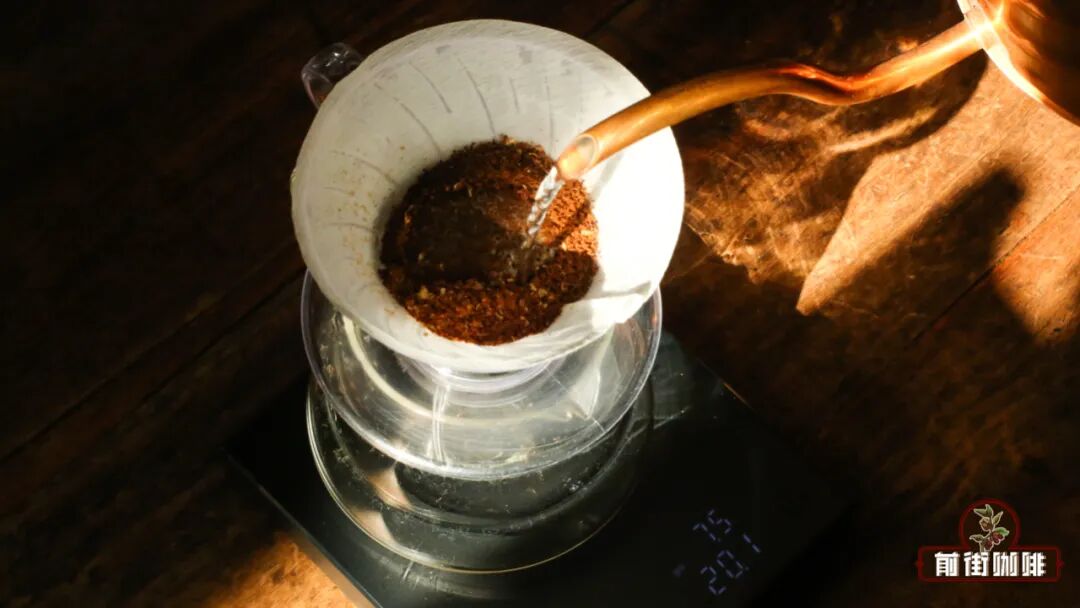
2. After the bloom, pour the second stage of about 90 ml of hot water. Use a small, slow circular motion to pour, keeping the water level controlled to avoid submerging the coffee bed too deeply and preventing channeling.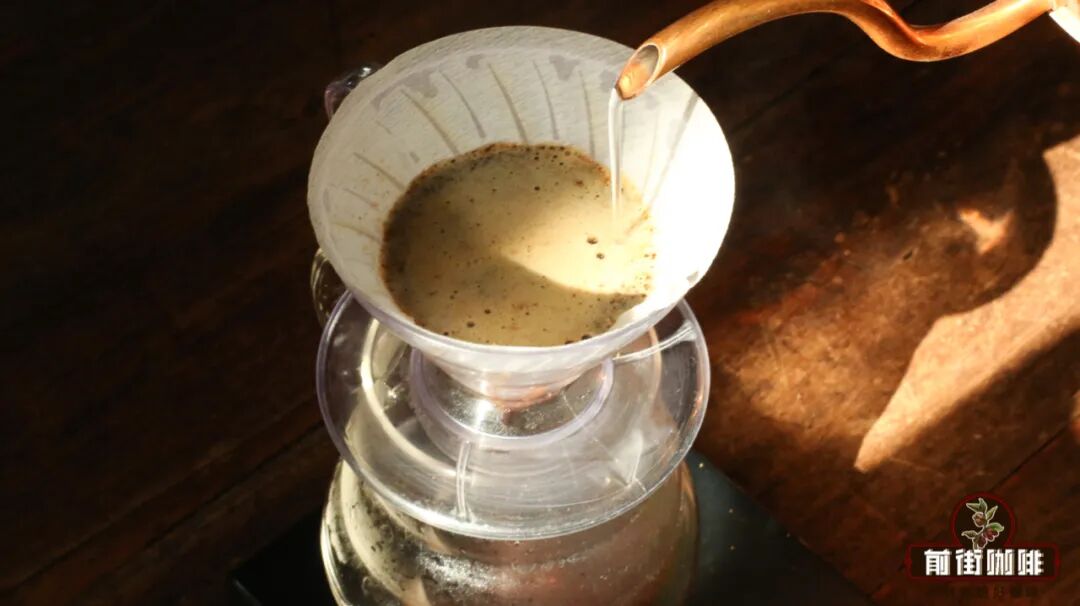
3. Once the water in the filter has mostly dripped through, pour the third stage of about 60 ml of hot water. Switch to a smaller circle pour, maintaining a low water flow and steady pace.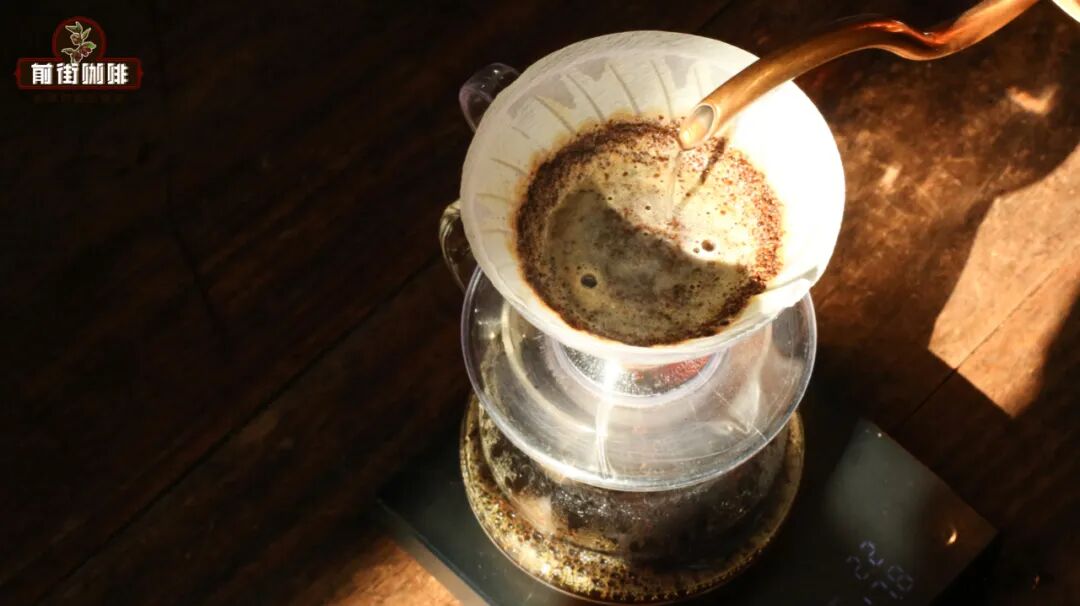
4. For the final stage, when the water level is nearly drained, pour the last 60 ml of hot water. If the total extraction time is less than two minutes, continue with a small, slow circular pour; if it has exceeded two minutes, it is better to switch to a fixed-point slow pour. After finishing the pour, let the coffee drip through completely. The total extraction time is about 2 minutes and 28 seconds.
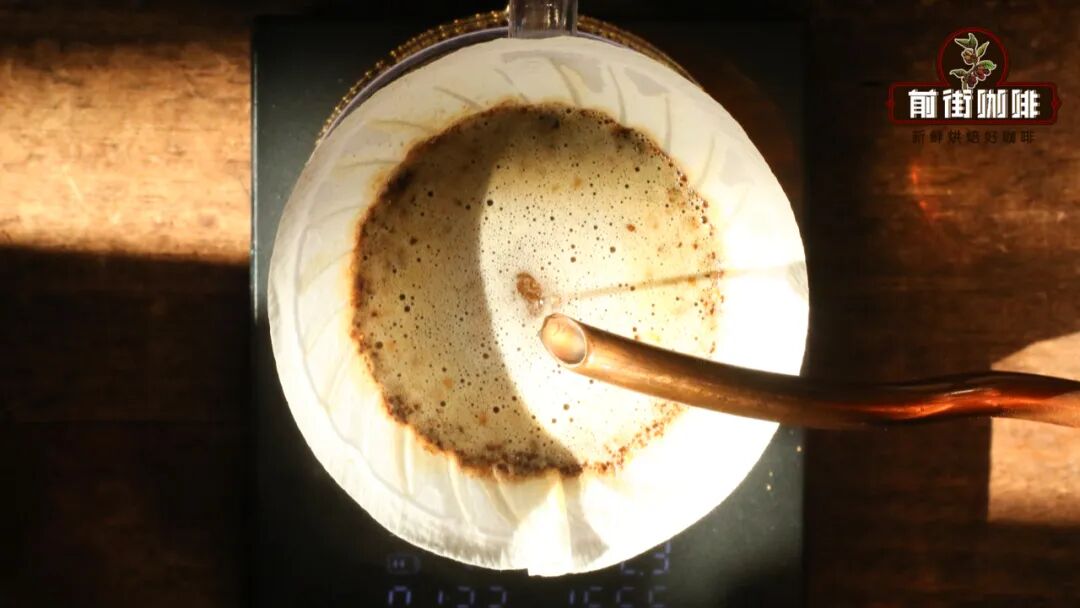
The brewed coffee will offer delicate white floral aromas right from the start. On the palate, you’ll notice a bright acidity reminiscent of lemon and jasmine, paired with the sweetness of apricot and citrus. The finish carries a honey-like sweetness with a subtle green tea freshness. The overall cup is clean, vibrant, and layered—perfectly suited for coffee beginners and enthusiasts alike who enjoy fruity and floral profiles.
The above content is compiled by CoffeeHunters, a coffee news website.

