







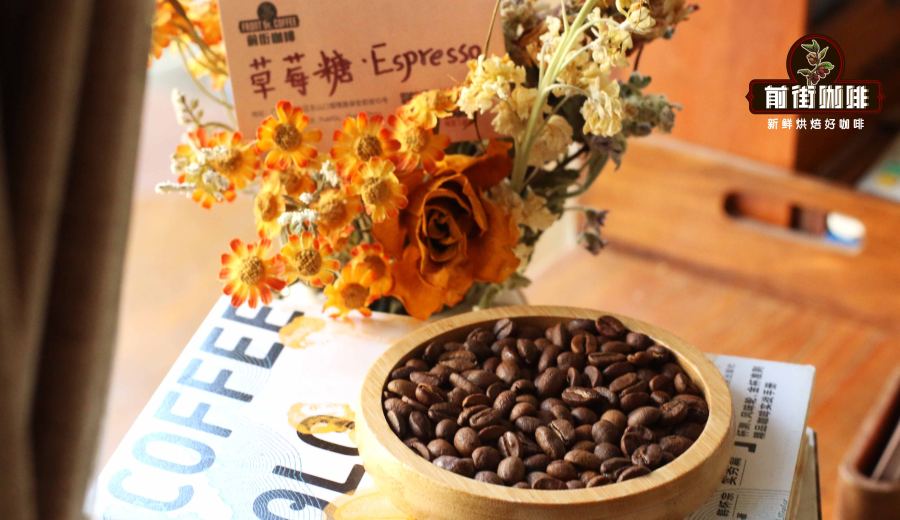
Introduction:To brew a delicious Americano at home with the same captivating flavor as a café, choosing the right espresso beans is key. This article delves into how to recreate professional-level Americano flavors through suitable bean varieties, roast levels, and brewing ratios. Whether you prefer bright fruity notes, bold richness, or balanced smoothness, you’ll find suitable everyday beans and practical brewing tips.
Though an Americano may seem simple—just espresso and hot water—it’s a daily essential for many coffee lovers. However, to replicate café-quality Americanos at home, the key lies in selecting a high-quality espresso bean and mastering the correct brewing ratio and steps.

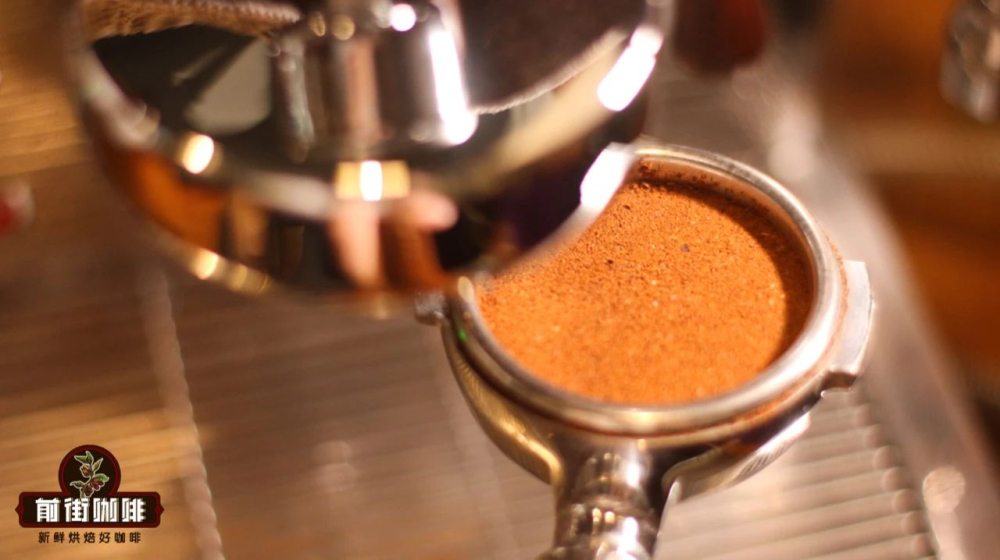
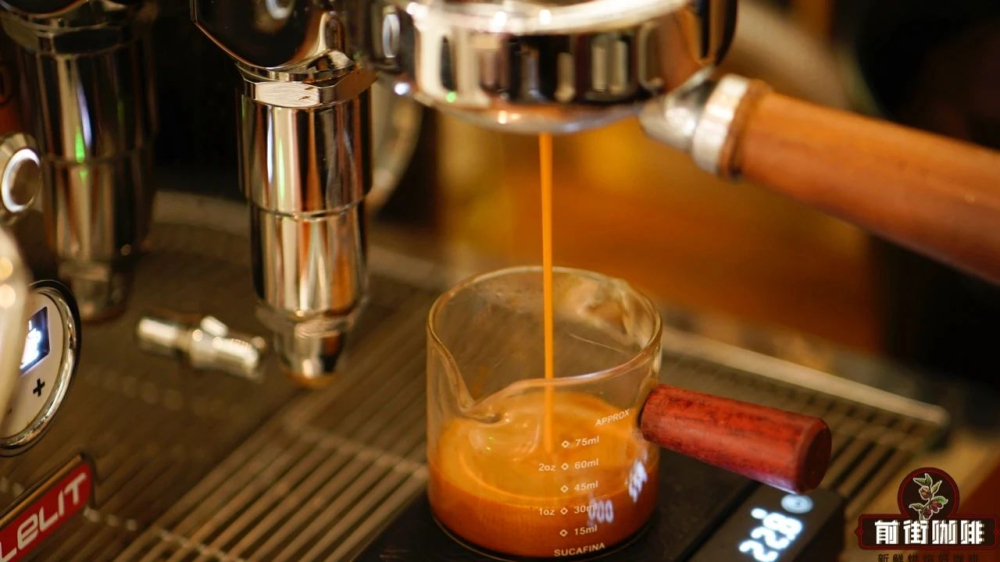
Generally, making a standard Americano is quite straightforward. First, fill a portafilter with about 20 grams of coffee grounds, distribute them evenly, then tamp appropriately. Attach it to the machine’s group head and extract around 40 grams of espresso at a 1:2 coffee-to-water ratio. This step takes only about 25–30 seconds—the golden extraction time for espresso.
Once extracted, add about 180 ml of water heated to around 80°C to the espresso. It’s recommended to use a cup with a capacity of 200–250 ml. For an iced Americano, replace the hot water with about 180 ml of room-temperature water and around 90 grams of ice for a refreshing taste.

It’s worth noting that the overall flavor profile of an Americano largely depends on the quality of the espresso, and since espresso is extracted under high pressure and temperature, the roast level and freshness of the beans are crucial. To achieve a rich taste, thick crema, and layered flavors, it’s especially important to choose freshly roasted medium to dark roast beans.

Among the many coffee bean brands, some well-known roasters are favored by consumers for their consistent quality and reasonable prices. These roasters typically offer a variety of espresso blends tailored to different taste preferences, including fruity, bold, intense and smoky, as well as balanced and mild profiles, allowing customers to choose the most suitable everyday beans based on personal taste.
For example, fruit-forward blends often combine processing methods from different regions—such as natural, washed, and honey—to bring out diverse layers of rose, citrus, grape, cream, and nuts. These are ideal for those who enjoy a refreshing taste, especially refreshing in summer. Blends focused on bold body usually select beans from regions like Mandheling and Brazil, sometimes adding a small amount of Robusta to enhance crema volume and richness, perfect for enthusiasts seeking a full-bodied coffee experience.
In addition, many blend recipes combine beans from Colombia, Brazil, and Robusta, using complementary flavors from different regions to deliver caramel sweetness, nuttiness, and dark chocolate aftertaste, with balanced acidity and a long finish. If you prefer a milder, less intense taste, consider neutral and balanced blends primarily featuring Colombia and Brazil—medium in body with soft flavors, suitable for various daily brewing methods.

In summary, crafting a café-quality Americano involves not just attention to brewing parameters like coffee-to-water ratio, water temperature, and grind size, but also choosing the right espresso beans from the start. By understanding different blend styles and roast characteristics, you too can easily enjoy a professional-grade coffee experience at home.
The above content is compiled by CoffeeHunters, a coffee news website.

