








Introduction:Have you ever wondered why Ethiopian coffee beans vary so much in size and appearance? This is actually closely related to the local 'Heirloom native varieties.' This article will delve into why Ethiopian beans look so diverse, uncover the true definition of Heirloom, and introduce you to the unique flavor profiles of classic beans such as Natural Guji Konga and Washed G1 Yirgacheffe. It will help you better understand how to choose and enjoy Ethiopian coffee.
"Boss, why are the beans in this bag so uneven in size? Each one looks pretty unique..."
This is a common question many customers ask customer service after receiving Ethiopian-imported coffee beans. Especially when they see the beans they bought, they might notice the beans vary greatly in size and shape—so much so that at first glance, they don’t even seem to be the same variety. This may lead them to wonder if defective beans were mixed in or if other types were blended in.
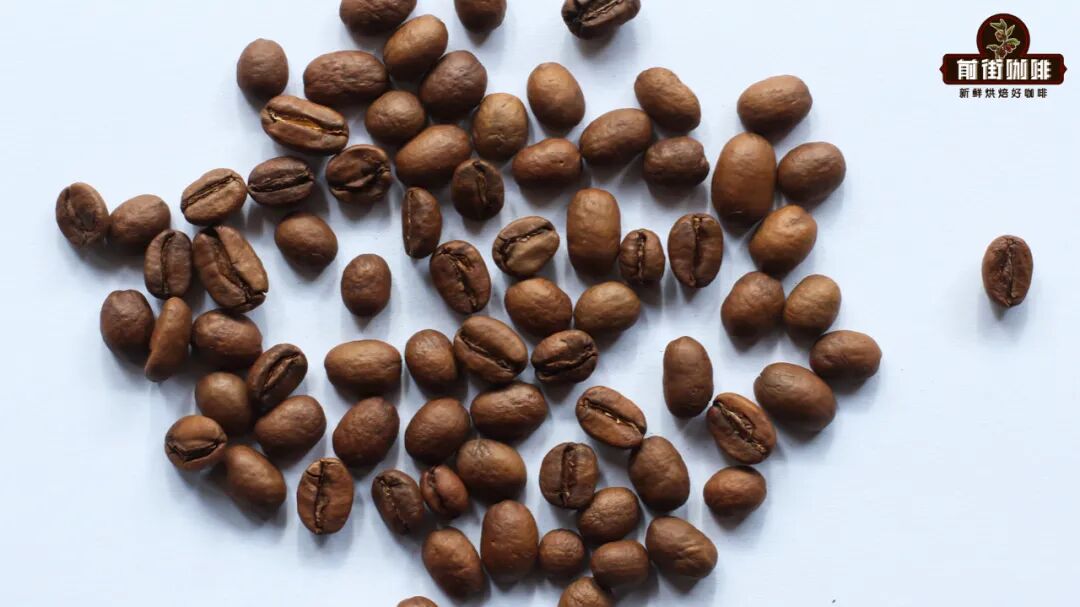
However, this phenomenon is actually quite normal for Ethiopian coffee. The main reason behind this "appearance diversity" is closely tied to the production methods and varietal characteristics of Ethiopian coffee, especially those widely labeled as 'Heirloom native varieties.'
So, why do Ethiopian coffee beans appear so 'inconsistent'? The answer lies in the word 'Heirloom.' Translated, it means 'family heirloom,' and in the coffee world, we generally refer to it as 'native variety.' This does not refer to a single variety but is a collective term for the many coffee varieties in Ethiopia that have not yet been officially classified.

Ethiopia is considered the birthplace of coffee. Well-known Arabica varieties such as Gesha, Typica, and Bourbon—all familiar to us—originated from this land. But besides these named varieties, there are still thousands of wild or semi-wild coffee varieties in Ethiopia that have not been scientifically identified or even discovered. In some forests or smallholder farms, dozens of coffee trees with different appearances, sizes, and flavors may grow side by side. These varieties grow together in a mixed state, exhibiting high biodiversity.
For this reason, the term 'Heirloom' is used to collectively refer to all these native Ethiopian coffee varieties that have not been subdivided. It represents a naturally occurring, diverse coffee gene pool within a region, rather than a single variety.
Since coffee is an important source of income for many families in Ethiopia, many farmers collect ripe coffee cherries from their backyards, surrounding forests, or roadsides and send them to nearby processing facilities. However, these beans are usually not separated by variety when they arrive at the processing plant, and in fact, many varieties cannot be easily distinguished. As a result, the processing plants can only carry out unified post-harvest processing, such as natural or washed methods, and ultimately export the batch of beans under the name 'Heirloom.'
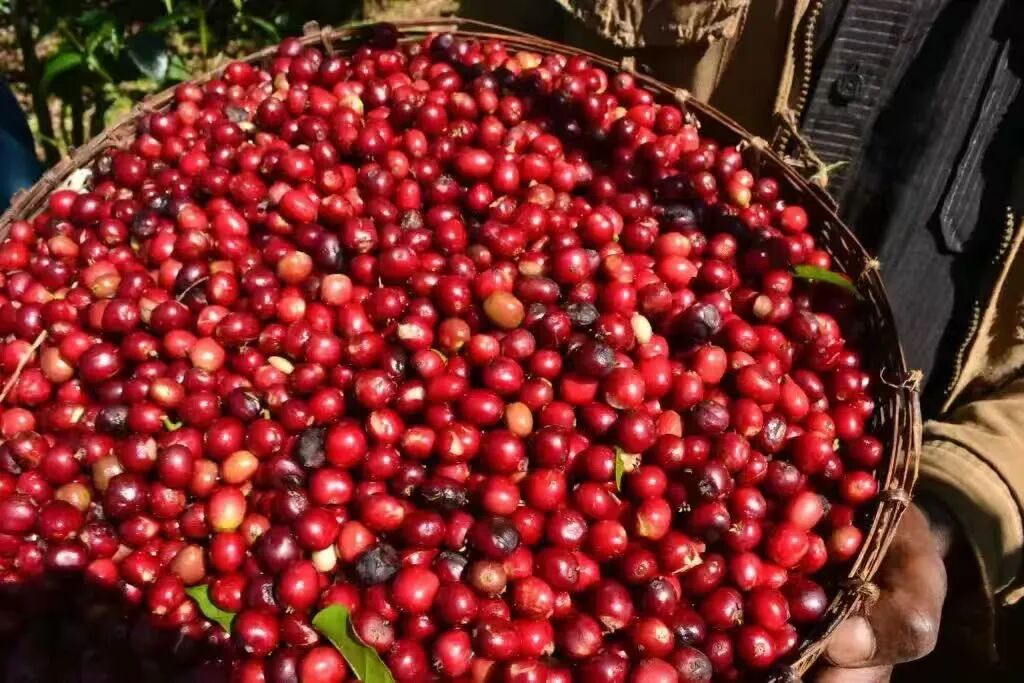
This explains why many Ethiopian coffee beans vary in size, shape, and even slightly in color—they may come from dozens or even hundreds of different varieties, compiled from coffee grown by different smallholders within the same producing region under similar microclimatic conditions. This blend is not the common 'commercial blend' seen on the market but falls under the category of 'single-origin coffee,' because it still comes from the same producing area, just a mix of various naturally existing varieties.
Although this blend of multiple varieties may dilute the distinct characteristics of a single variety, it can bring a richer and more layered flavor profile. Every batch of Ethiopian Heirloom coffee is like a flavor blind box, containing a unique personality shaped by the local soil, altitude, and climate.
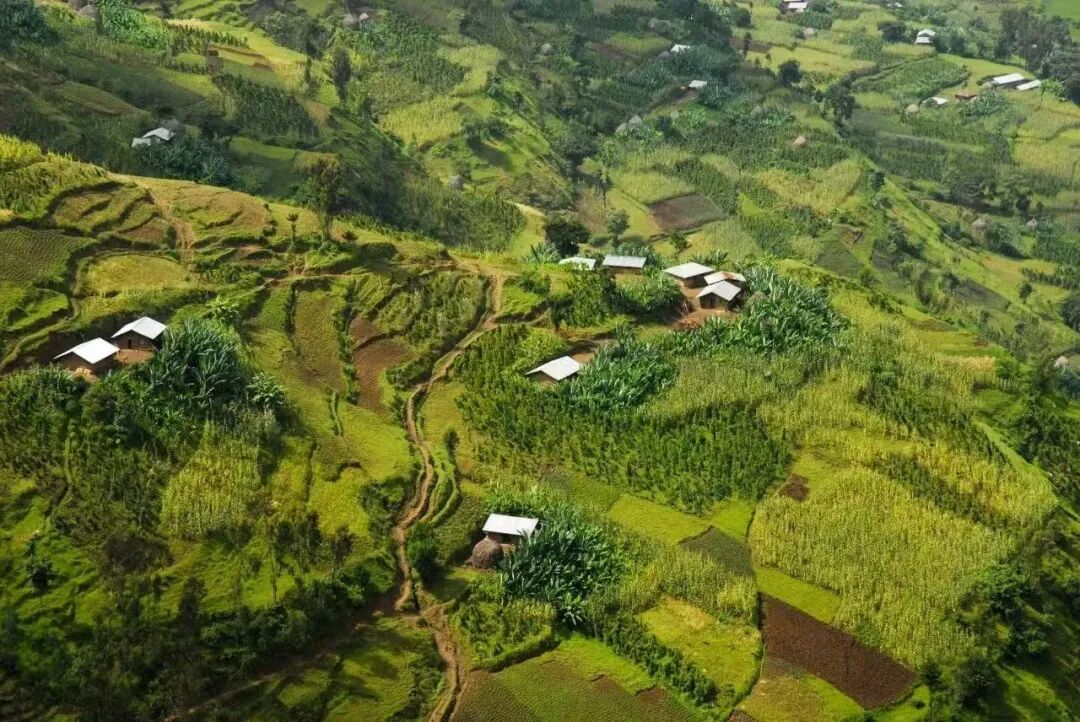
For example, a highly regarded Ethiopian natural coffee on the market comes from the Guji region and is a Natural Heirloom bean. This bean is often described as having complex flavors of citrus, berries, strawberries, and cream. These characteristics are actually the 'regional taste' created by the unique microclimate and processing method of that producing area, not determined by a single variety.
Similarly, another classic Ethiopian washed coffee, although its variety also cannot be clearly identified, through the washed processing method, presents clear floral notes, citrus, and a refreshing lemony tone—distinct flavor features cultivated by the high altitude and cool climate of the Yirgacheffe region.
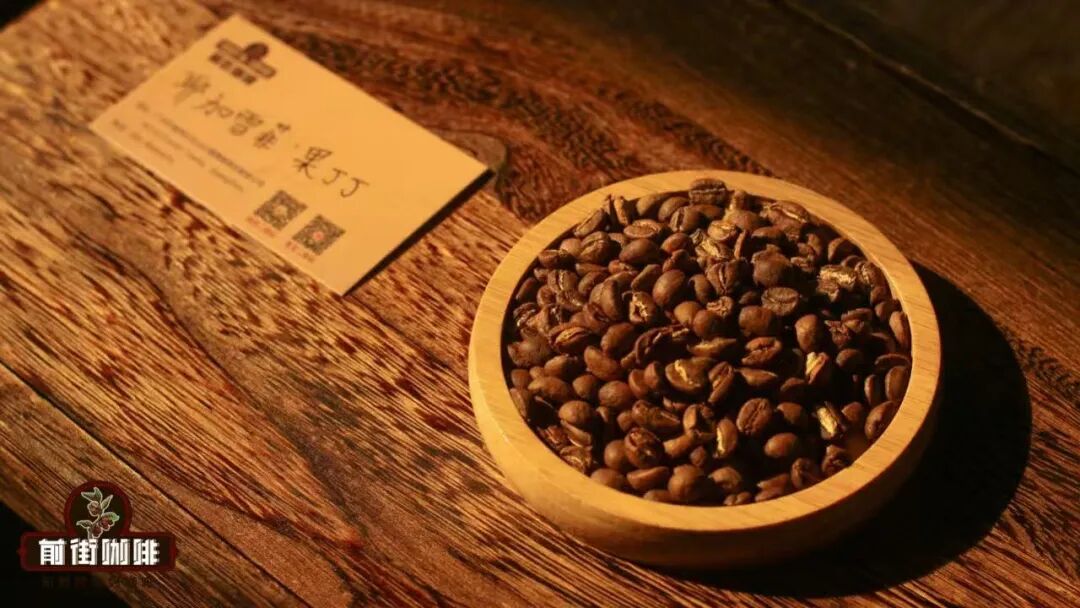
In summary, the next time you see a pack of Ethiopian coffee beans that vary in size and appearance, don’t doubt whether you’ve received defective beans. This is actually the charm of the Heirloom native varieties. They represent the rich biodiversity and regional terroir characteristics of Ethiopian coffee, and each sip may bring you a different surprise.
The above content is compiled by CoffeeHunters, a coffee news website.

