








Introduction:From Jamaican Blue Mountain to Ethiopian Geisha, we’ve carefully selected 10 high-quality coffee beans from globally renowned producing regions, covering brewing recommendations for various methods such as pour over and espresso. Each bean is labeled with its flavor profile, processing method, and roasting suggestion, along with key parameters like growing altitude and variety to help you accurately choose your favorite coffee beans.
Many coffee enthusiasts often ask which coffee beans are the most representative. In fact, the answer often lies in the signature varieties of each major producing region. This article carefully selects 10 specialty coffee beans from different countries, taking you on a journey through a diverse world of flavors — from traditional classics to innovative processing methods.
Jamaican Blue Mountain No.1 Coffee Beans
Even those with limited knowledge of coffee have likely heard of the fame of Jamaican Blue Mountain. This bean, hailed as the “King of Coffee” in the last century, was known for its meticulous washed processing, strict grading system, and the Typica variety, setting the standard for quality cultivation at the time. It’s important to note that most products on the market labeled as having a “Blue Mountain flavor” are actually blends. Only the genuine Blue Mountain No.1 from the Clifton Estate (at an altitude of 1310 meters) can deliver its signature rich balance of acidity and sweetness, with a finish of dark chocolate.
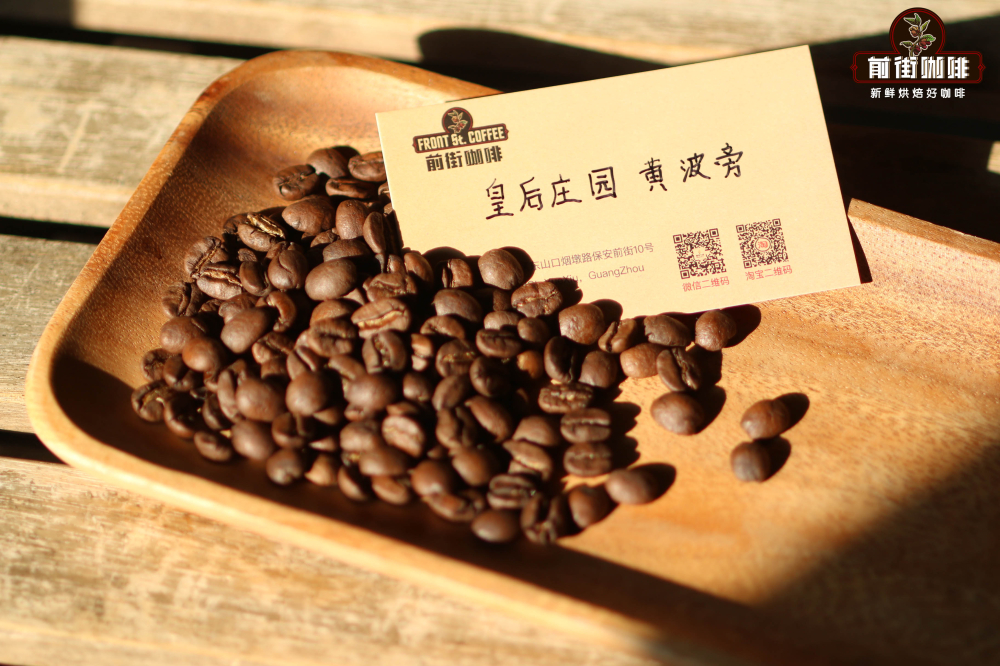
Panama Geisha Red Label from Hacienda Esmeralda
The champion of the 2004 BOP competition, its reputation remains unmatched to this day. The Red Label Geisha is sourced exclusively from specific plots grown above 1650 meters in estates such as Jaramillo. The Mario plot recommended here (the original winning plot from 2004) uses slow natural processing to enhance tropical fruit and honey notes. Be sure to distinguish between the Red Label (specific plots) and the Green Label (blended plots).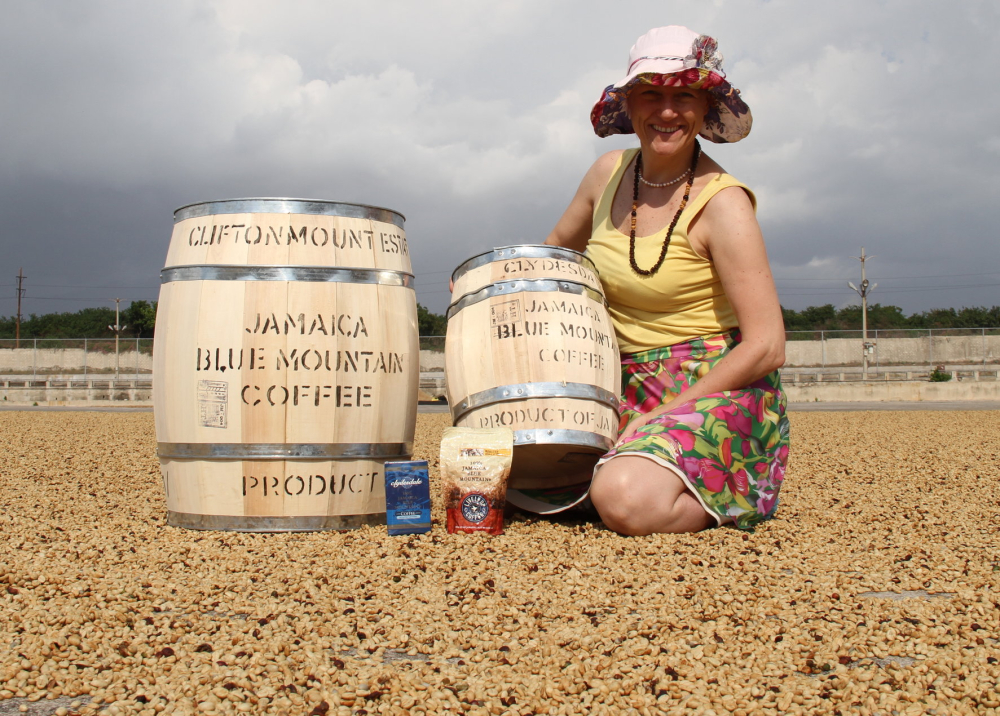
Indonesia PWN Golden Mandheling
A representative of Sumatra’s top-tier beans, with trademark rights held by the PWN company. Authentic products must be identified by their 30kg jute sack packaging and certification documents, and have undergone three rounds of manual sorting to ensure flawlessness. The triple-washed process gives it a full-bodied nutty profile and a clean dark chocolate aftertaste, with volcanic soil at an altitude of about 1200–1500 meters being key.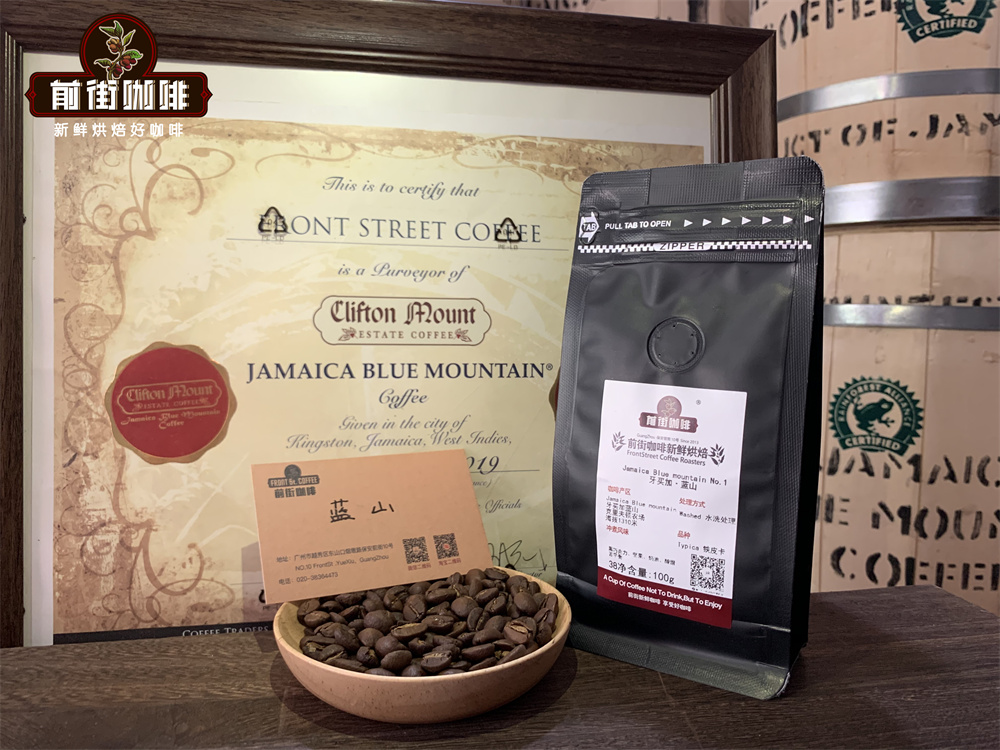
Ethiopia Huaca
The champion bean of the 2017 TOH competition, originally named “Huaca” (meaning “the first geisha”) due to a Chinese competition. Grown at a high altitude of 1200 meters, it undergoes whole red cherry sun-drying with manual turning, developing intense tropical fruit aromas like passionfruit and mango, with vibrant acidity and outstanding sweetness.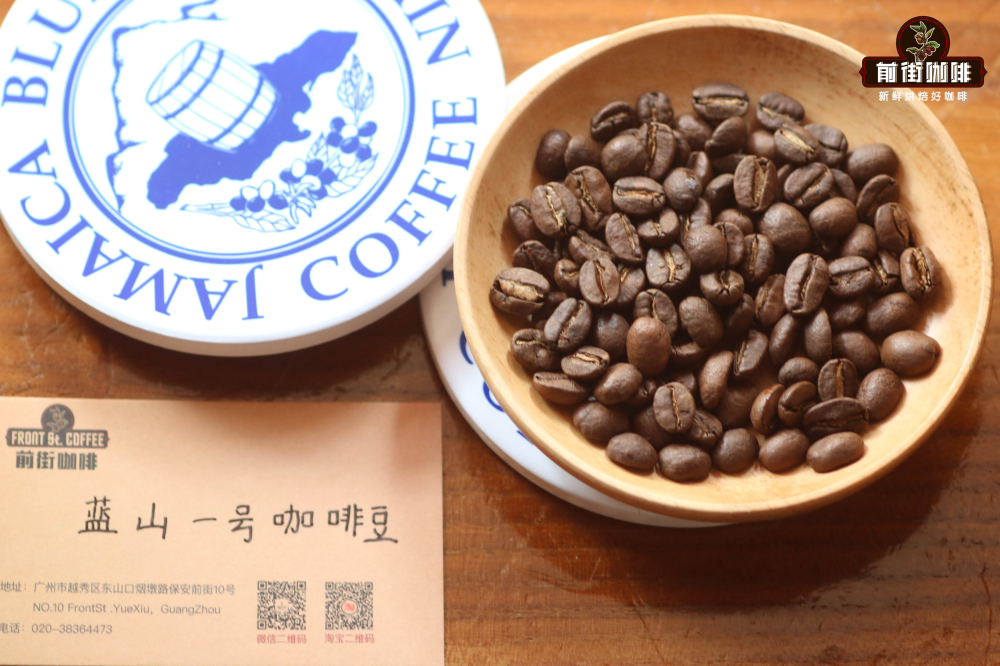
Kenya Little Tomato Coffee
A strong rival to neighboring Ethiopia, it’s famed for using the SL28/SL34 varieties along with a 72-hour double washed process. The masterpiece from the Asali processing factory showcases bright tomato and dark plum acidity, with wine-like aromas stemming from the diurnal temperature variation at altitudes of 2000 meters. Light roasting better highlights the vibrancy of the berry flavors.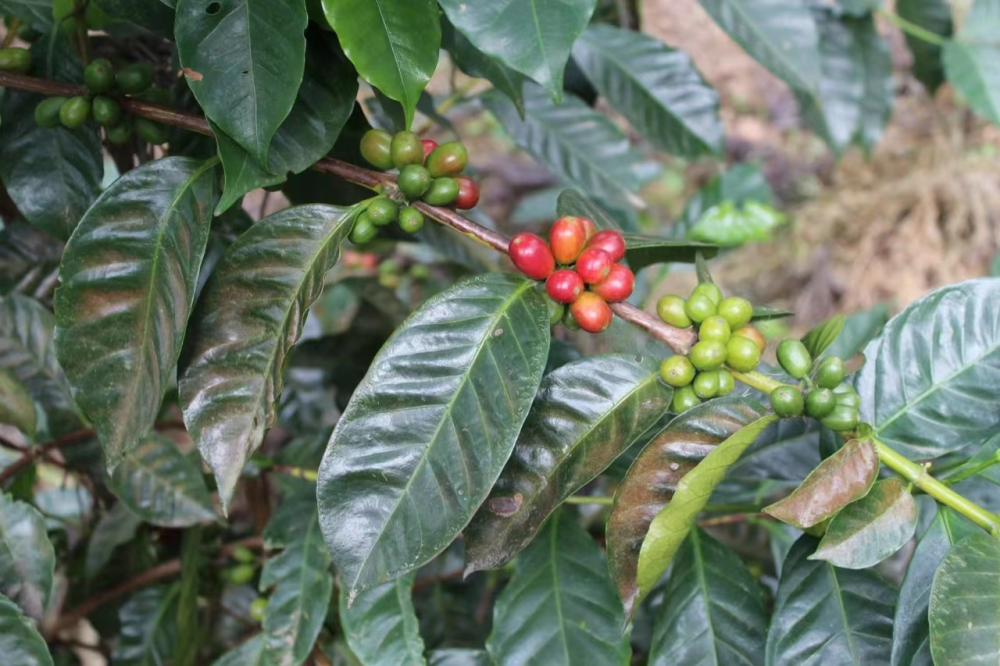
Brazil Queen Estate Yellow Bourbon
A beginner-friendly choice, the Yellow Bourbon variety takes on a creamy texture and peanut notes after sun-drying. Medium-light roasting releases a sugary sweetness, making it compatible with everything from pour over to espresso machines. Note: True Yellow Bourbon has yellow fruit skins due to a recessive gene, distinguishing it from the more common Red Bourbon.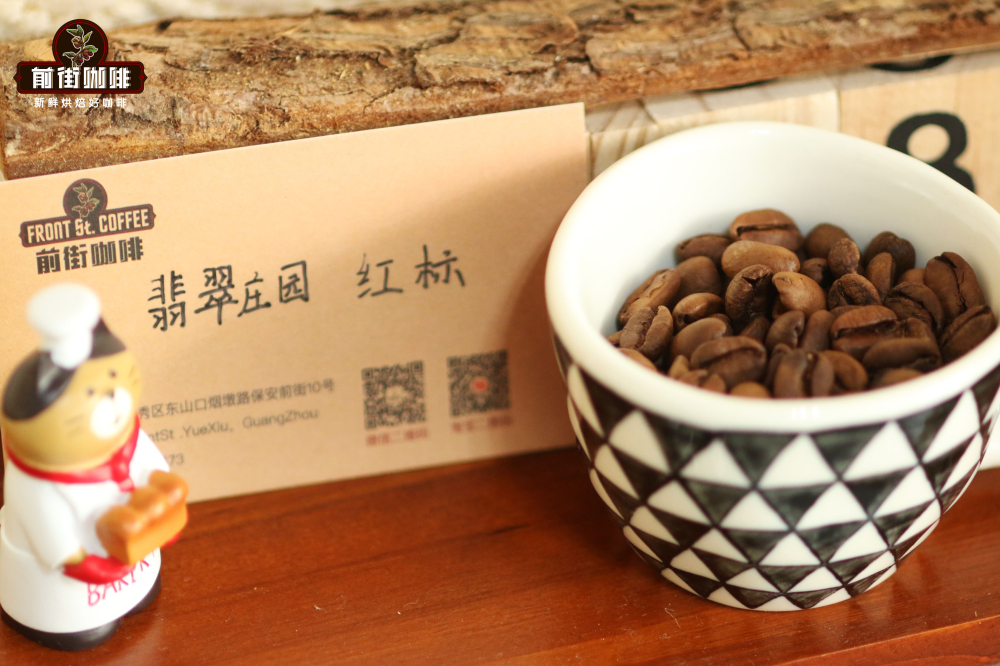
Colombia Flor de Luna
A model of anaerobic sun-dried processing from the Huila region. Coffee cherries undergo 15–20 days of low-temperature fermentation in stainless steel tanks, resulting in rich layers of strawberry jam and honey. This processing method requires strict humidity control to prevent over-fermentation, making it ideal for those who prefer sweet profiles.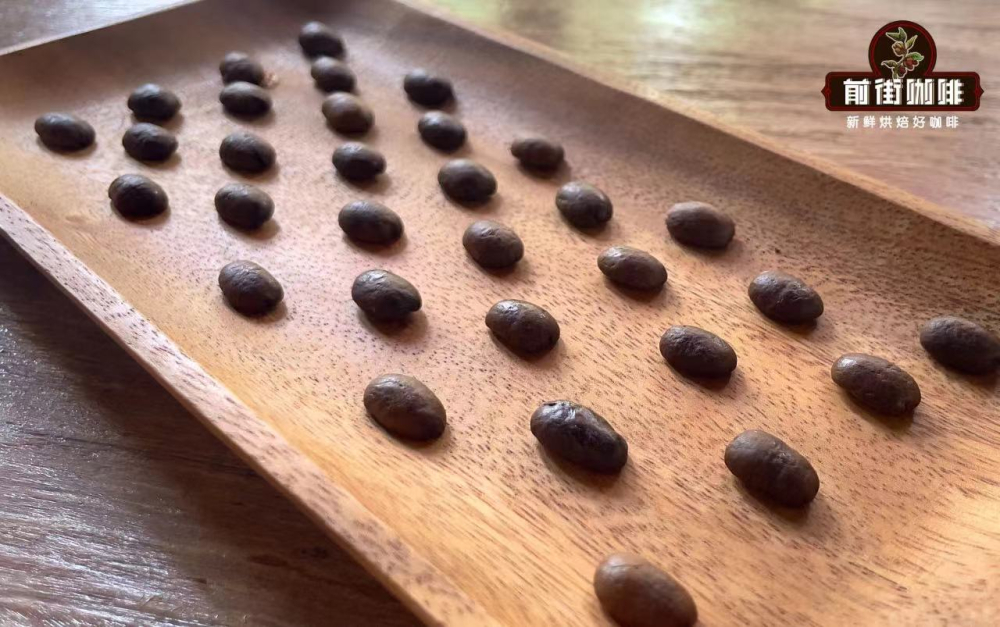
Honduras Sherry Coffee
A benchmark for barrel-fermented beans, its 30-day low-temperature treatment in whiskey barrels gives it natural vanilla and cream notes. During brewing, the whiskey aroma blends with a chocolatey finish. Store in a dark, moisture-proof place to maintain aroma stability.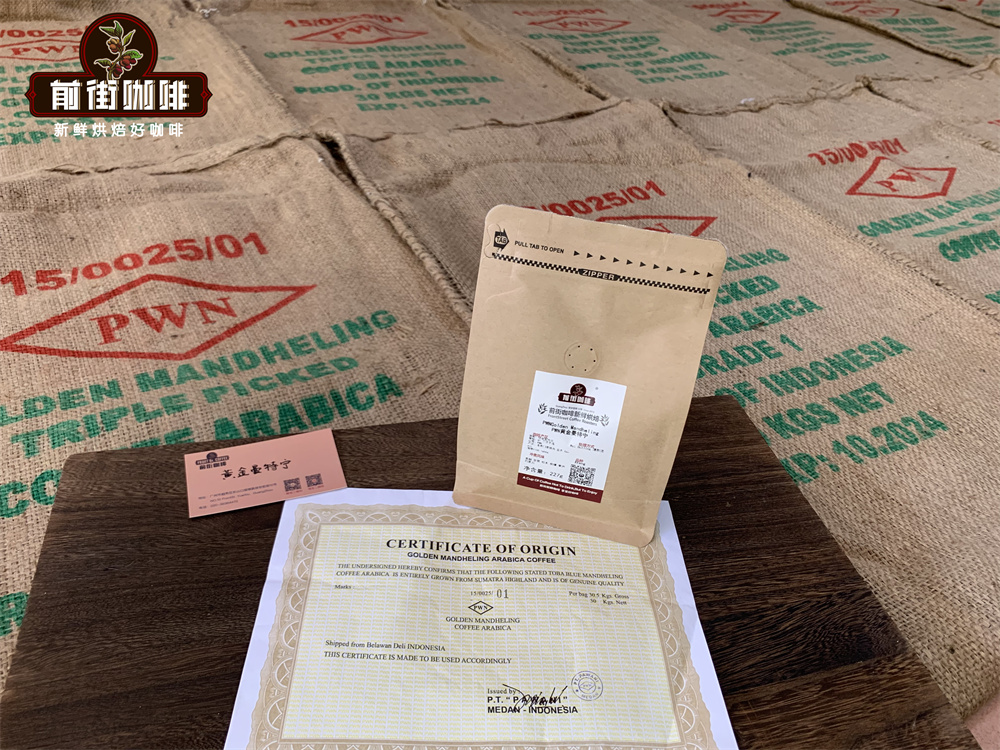
Yunnan Typica
A vintage variety grown at high altitudes (1200–1300 meters), the traditional sun-drying process preserves flavors of plum and brown sugar. Compared to the mainstream Catimor, Typica yields less but offers more complex aromas, thanks in part to the microclimate of the primitive forest areas near the Lincang border.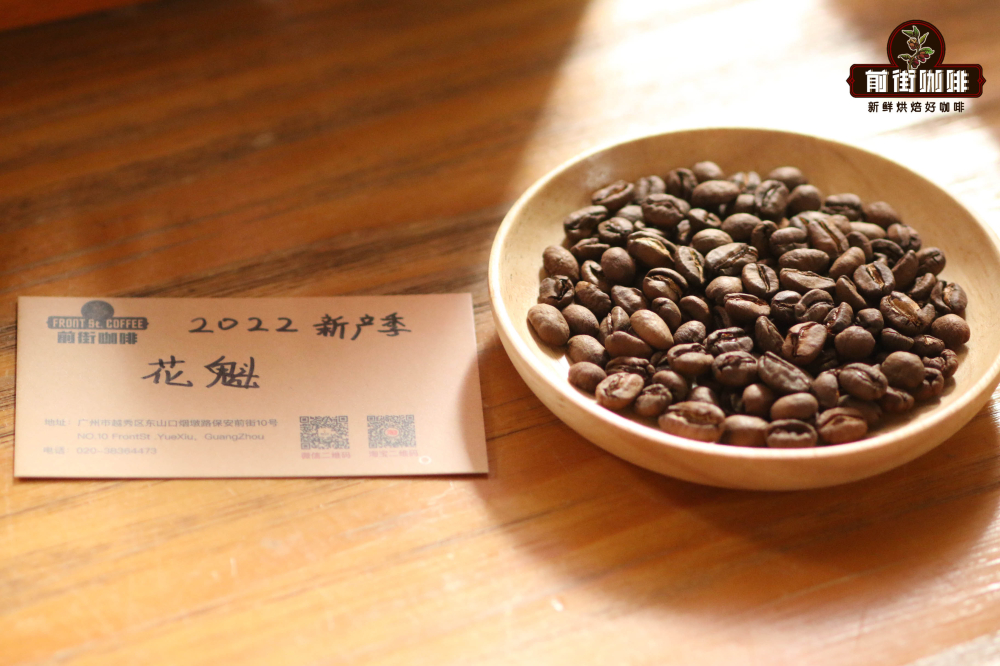
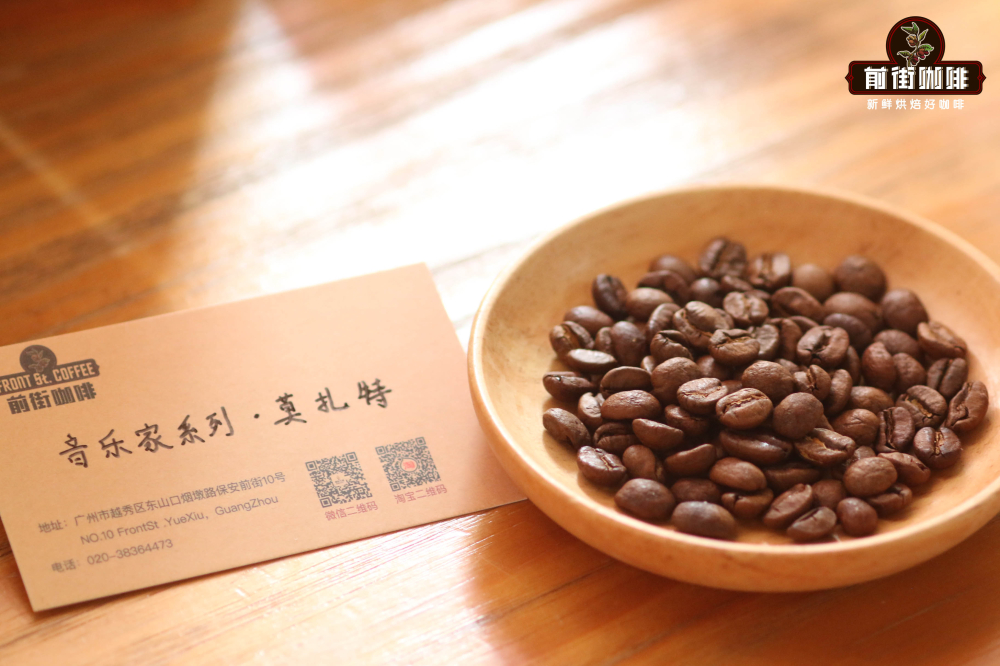
Costa Rica Mozart
A sweet highlight of the raisin honey processing method, medium-light roasting emphasizes the flavors of Kyoho grapes and rose blossoms. This process involves drying the coffee fruit with skin and pulp intact, with moisture control being key. Ideal for cold brew or milk-based coffee.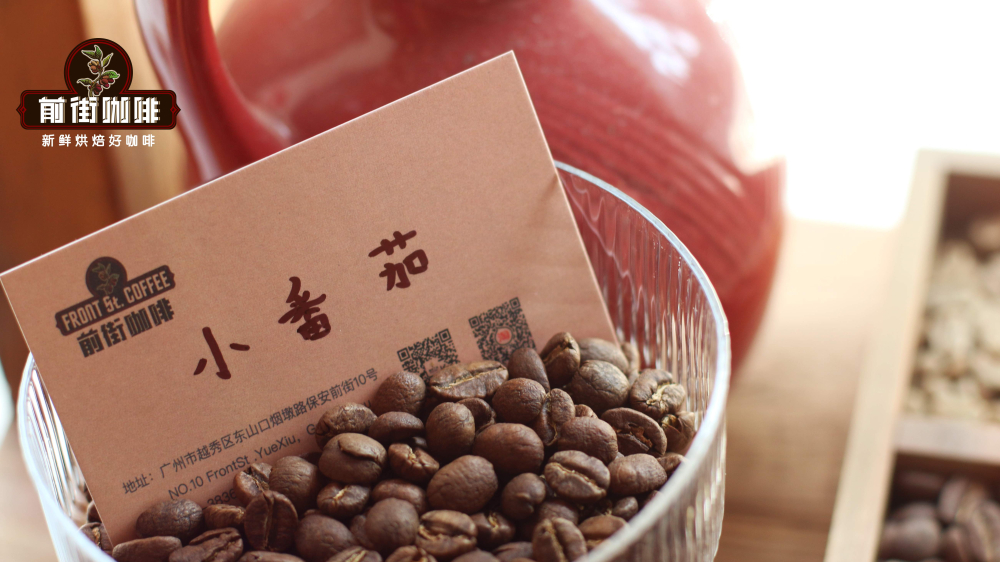
Buying Tips: Prioritize checking origin certificates (e.g., PWN), details on processing methods, and altitude parameters. Different roast levels will significantly impact the final flavor. For pour over, we recommend using water at 90–93°C, while espresso requires adjusting grind size to match extraction time.
The above content is compiled by CoffeeHunters, a coffee news website.

