







Introduction:Want to understand why Panamanian Geisha is hailed as the “Hermès of the coffee world”? From its origins and flavor characteristics to why its price remains sky-high, this article delves into the allure of this top-tier light-roast coffee bean. We’ve also handpicked recommended Geisha beans ideal for pour over, along with expert extraction advice and parameters to help you fully experience Geisha’s citrus floral notes and honey-like finish.
The Geisha (Geisha) variety can be traced back to the birthplace of coffee—Ethiopia. In 1931, it was discovered in Ethiopia’s Gesha Forest and later sent to the Kenya Coffee Research Institute, then subsequently introduced to Uganda, Tanzania, and Costa Rica. It wasn’t until the 1970s that it was brought to Panama, but initially, due to its scarce production and slender shape, it was mostly used as windbreak and went unnoticed.
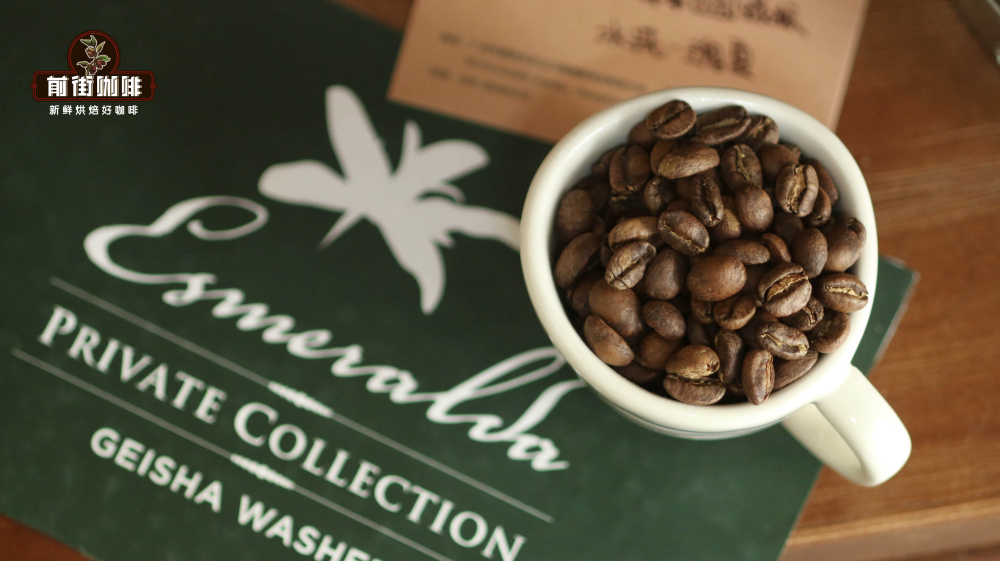
It wasn’t until 2004, when Hacienda Esmeralda planted the Geisha variety separately and entered the “Best of Panama (BOP)” competition, unexpectedly winning the championship, that this coffee shot to fame. Unlike the intense bitterness of typical dark-roast coffees, Geisha showcases unique fresh floral and fruity aromas such as jasmine, citrus, and berries, paired with a tea-like rich mouthfeel, completely overturning the public’s preconceived notions about coffee.
For example, when tasting a classic Green Label Geisha, upon opening the bag you can immediately smell bright coffee blossom, lemon, grapefruit, and a hint of cream; as the temperature drops, upon tasting, it reveals citrus, peach, honey, melon, and a subtle sugarcane sweetness, with a finish that carries the freshness of green tea and the lingering sweetness of caramel.
Panama’s uniquely advantageous geographical environment—high altitude, abundant cloud cover, volcanic soil, along with ample sunlight during the day and cool nights—allows Geisha to ripen slowly, accumulating more flavor compounds. Especially when Hacienda Esmeralda grows it in high-altitude mountainous regions between 1,400 to 1,800 meters, it enables this once overlooked variety to stand out and achieve its current top-tier status.
However, as Geisha continues to win accolades in international competitions, its reputation as a “luxury-priced coffee” has gradually spread. Many coffee enthusiasts jokingly call it “Expensive Geisha,” not only because of its competition pedigree and scarcity, but also due to the auction system that fuels its prestige, keeping the prices of premium Geisha consistently high and making it a dream bean for many coffee aficionados.
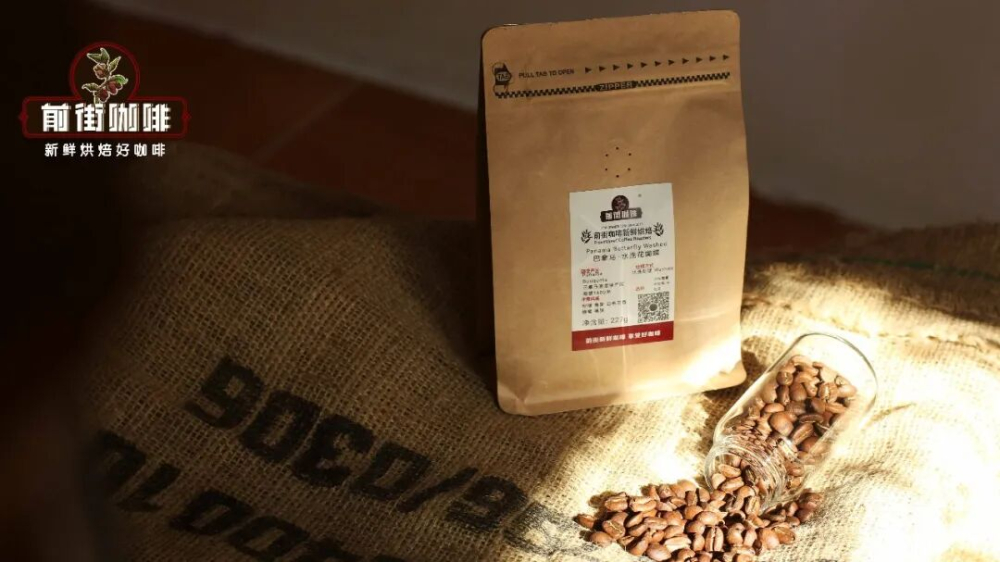
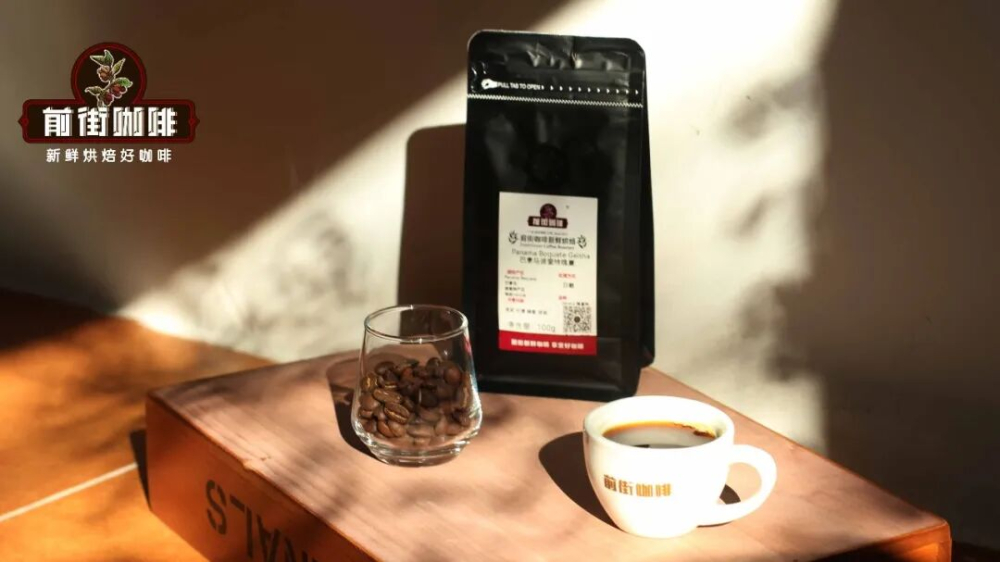
If you want to experience the unique flavors of Geisha at a more affordable price, the market has also launched several Geisha-based blends, such as those blending 70% Geisha with 30% Catualra or Catuai. These blends not only retain the signature bright acidity and floral-fruity notes of Geisha, but also come with a more approachable overall price, making them perfect for everyday pour over enjoyment.
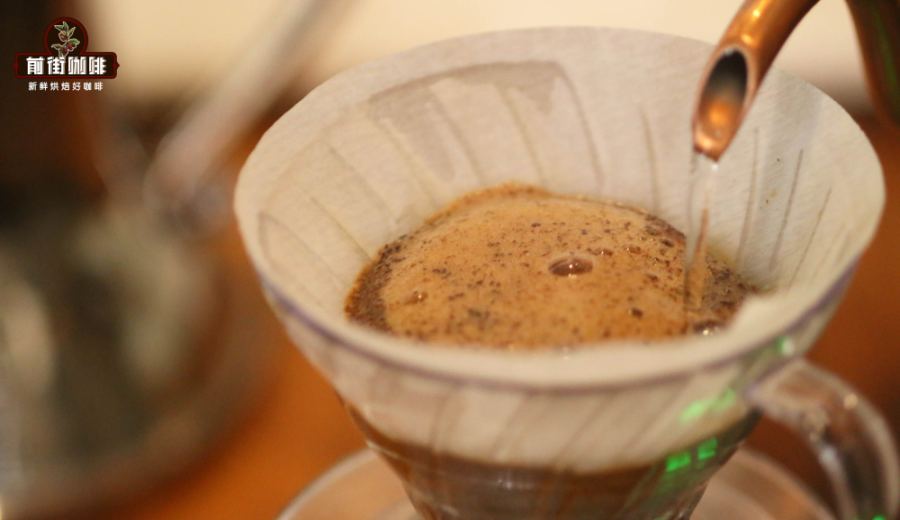
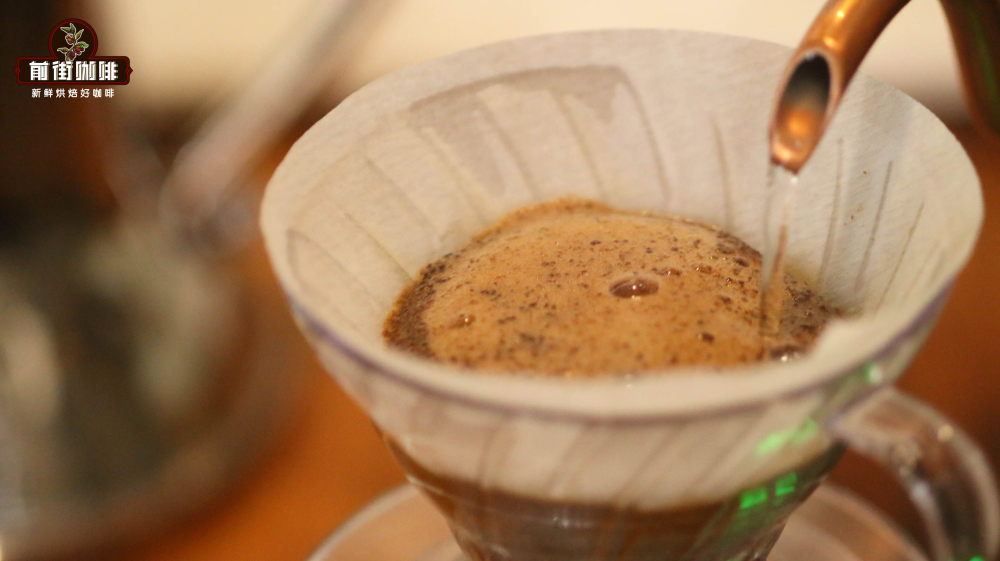
For light-roast Geisha or blended beans, it is recommended to use a V60 filter dripper for pour over to fully showcase its delicate layers. The suggested brewing water temperature is 90–91°C, with a grind size of approximately 80% passing through a #20 sieve, and a coffee-to-water ratio set at 1:15, using about 15 grams of coffee. Start by pouring around 30 grams of hot water for a 30-second bloom, then continue pouring with a thin stream in circular motions from the inside out. The first pour goes up to 125 grams, then wait for the bed to settle before pouring up to 225 grams, with the total brew time controlled around 2 minutes to fully bring out the citrus, peach, honey, and tea-like flavors.
The brewed Geisha coffee often exudes captivating orange blossom and citrus aromas. On the palate, it presents refreshing notes of berries, orange, honey, and green tea, with a finish carrying a clean hint of almond. The overall profile is bright, sweet, and notably smooth, making it highly suitable for coffee lovers who enjoy floral and fruity profiles.
The above content is compiled by CoffeeHunters, a coffee news website.

