







Introduction:Struggling to brew a delicious drip bag coffee that just feels a little off? This article breaks down key factors—from brewing techniques and water temperature control to coffee-to-water ratios—that make drip bag coffee more flavorful. We also recommend several classic coffee bean varieties suited to different taste preferences. Whether you're a beginner or a coffee enthusiast chasing refined flavors, you’ll find practical tips here.
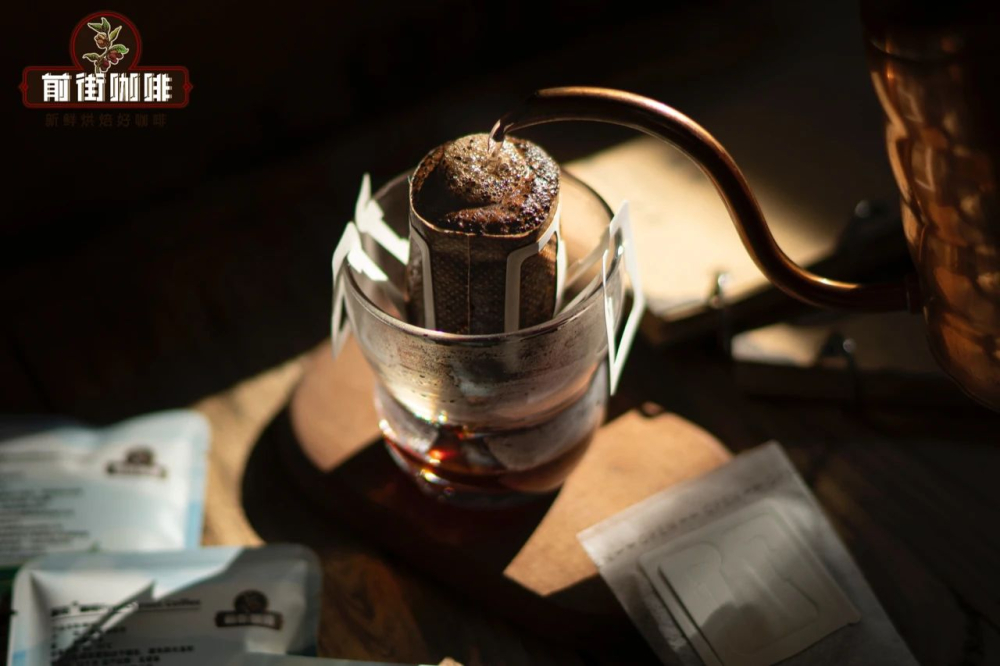
Drip bag coffee is widely loved for its convenience and its flavor profile, which closely resembles that of pour over. But brewing a cup with distinct layers and balanced taste still involves quite a few tricks. From selecting beans that match your taste preferences to mastering the right brewing parameters, each step influences the final flavor. The following will delve into the essential brewing points for drip bag coffee, helping you easily elevate your coffee quality.
When choosing drip bag coffee, you can start by selecting bean varieties based on your preferred flavor profile. If you enjoy delicate floral notes and bright acidity, go for beans from high-altitude regions with refined processing—these often feature pleasant notes like citrus and jasmine. For those who prefer refreshing acidity and an Earl Grey-like body, certain Central and South American beans are a great choice, offering rich and clear flavor layers. If you lean toward a full-bodied, low-acid, and smooth taste, dark roasted beans from Indonesia or Sumatra usually deliver intense chocolate and nutty tones, a favorite among many coffee aficionados.
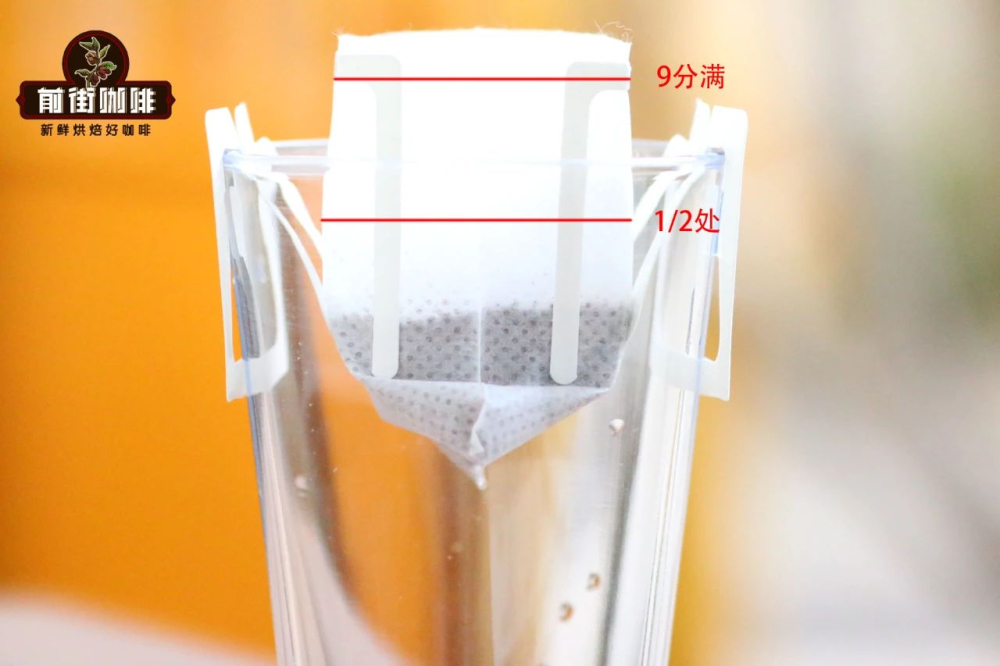
To make your drip bag coffee truly shine, mastering the following three key techniques is essential:
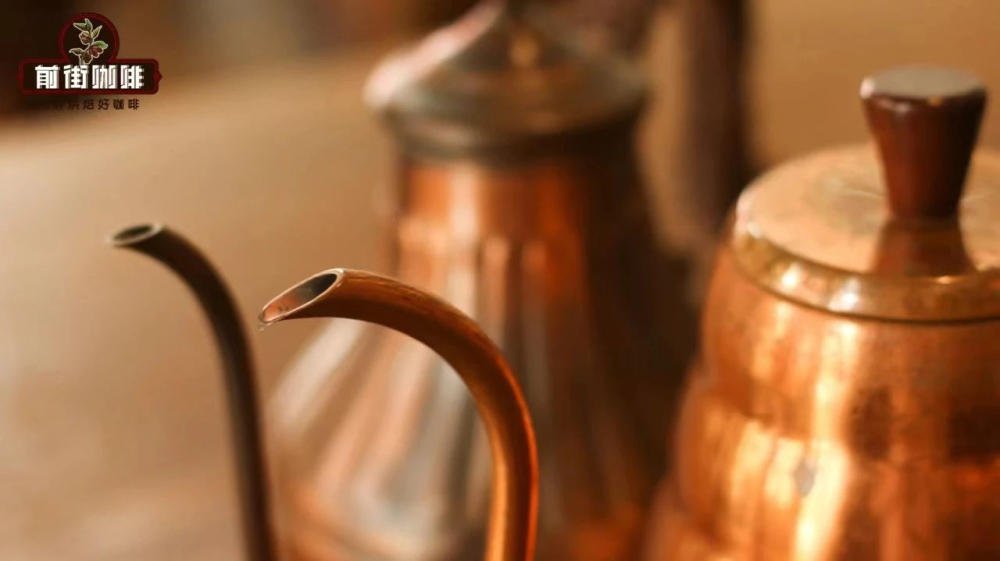
First, it’s recommended to use a gooseneck kettle instead of directly pouring water from a hot water dispenser. Many people, for the sake of convenience, simply place the drip bag on a cup and pour hot water quickly from the dispenser. However, this can easily lead to uneven extraction due to overly strong or unstable water flow, even releasing excessive off-flavors. Using a gooseneck kettle allows better control over water flow speed and direction, enabling the hot water to evenly saturate the coffee grounds. This helps improve the overall purity and balance of the flavor.
Second,Coffee-to-water ratiois one of the core factors influencing the strength and taste of your coffee. Common ratios such as 1:10, 1:15, or 1:20 actually show quite noticeable differences. A higher ratio (e.g., 1:10) can make the coffee overly strong and bitter, while a lower ratio (e.g., 1:20) may result in a flavor that’s too light and lacks depth. For drip bag coffee, it’s recommended to use a measuring cup with markings to accurately measure both water and coffee powder. A range of 1:15 to 1:17 is generally advised, as it balances flavor expression and smoothness.
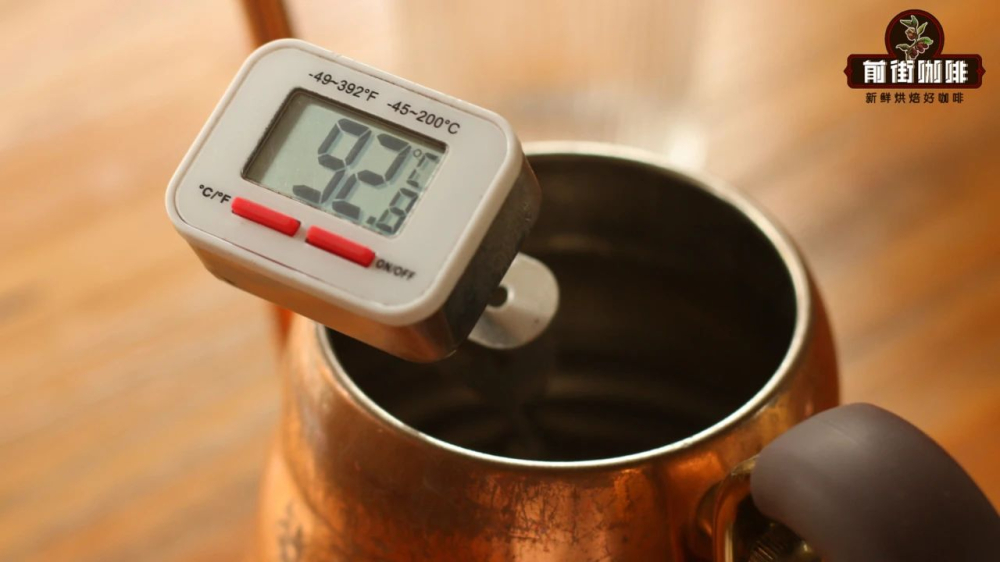
Finally,water temperature controlis also a key variable affecting extraction efficiency. Although drip bag coffee doesn’t require as precise temperature control as pour over, it’s still recommended to keep the water temperature between 85°C and 95°C. Water that’s too hot can cause excessive release of fibrous substances in the coffee, leading to a rough texture and noticeable astringency. If the water is too cool, extraction may be insufficient, resulting in bland flavors. Without a thermometer, you can pour freshly boiled water into a gooseneck kettle and let it sit for about 1–2 minutes to naturally cool to a suitable extraction temperature before brewing.
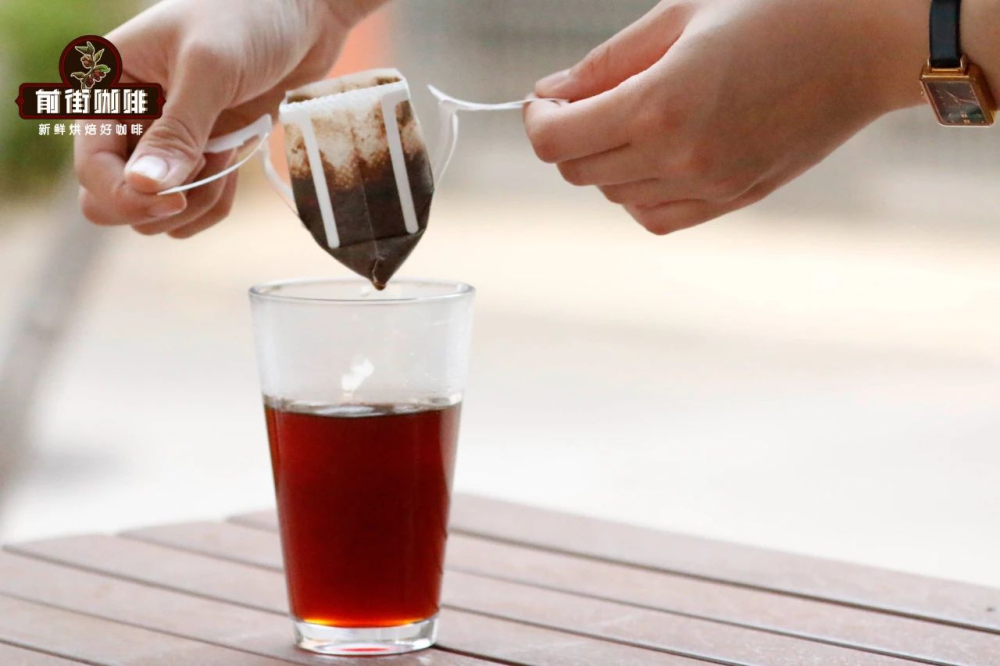
Additionally, during brewing, it’s recommended to place the drip bag steadily in the center of your cup and pour water in a stable, circular motion. This helps the coffee grounds expand evenly and release their flavors. Brewing time is generally kept between 2 to 3 minutes, with slight adjustments based on individual taste preferences. Mastering these basic techniques allows even beginners to easily brew drip bag coffee that approaches a professional level.
In summary, brewing drip bag coffee isn’t complicated, but every detail affects the final flavor outcome. By choosing the right beans, precisely controlling the coffee-to-water ratio, managing appropriate water temperature, and maintaining steady pouring, you can enjoy a high-quality cup of coffee with outstanding flavor and balanced taste at home.
The above content is compiled by CoffeeHunters, a coffee news website.


