







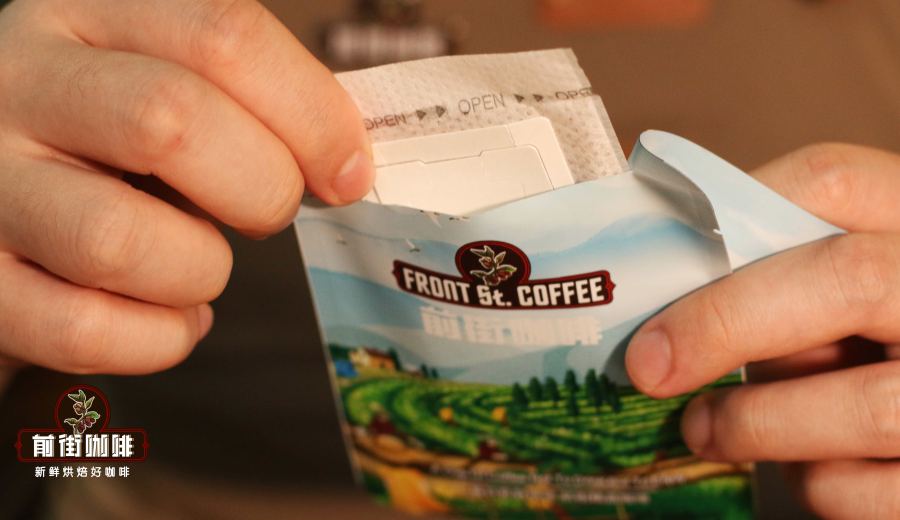
Introduction:Drip bags originated in Japan in the 1990s, combining the convenience of tea bags with the flavor profile of specialty coffee, making them an ideal choice for busy modern lifestyles. This article delves into the development history of drip bags, provides an in-depth analysis of five different single-origin drip bag varieties—ranging from bright fruity notes to rich and bold flavors—and offers professional brewing parameters and practical advice to help beginners easily master the art of enjoying high-quality pour over coffee at home.
The Birth and Evolution of Drip Bags
In 1990, Yamamoto Kogei Co., Ltd. in Japan pioneered the application of the traditional tea bag concept to the coffee field by developing a revolutionary filter-drip style coffee, which was subsequently patented. This innovation allowed coffee enthusiasts to enjoy a coffee experience close to that of pour over brewing without the need for complicated equipment. With the rise of specialty coffee culture, drip bags quickly became the preferred option for those seeking quality but limited by time or equipment constraints, thanks to their ease of use and excellent flavor.
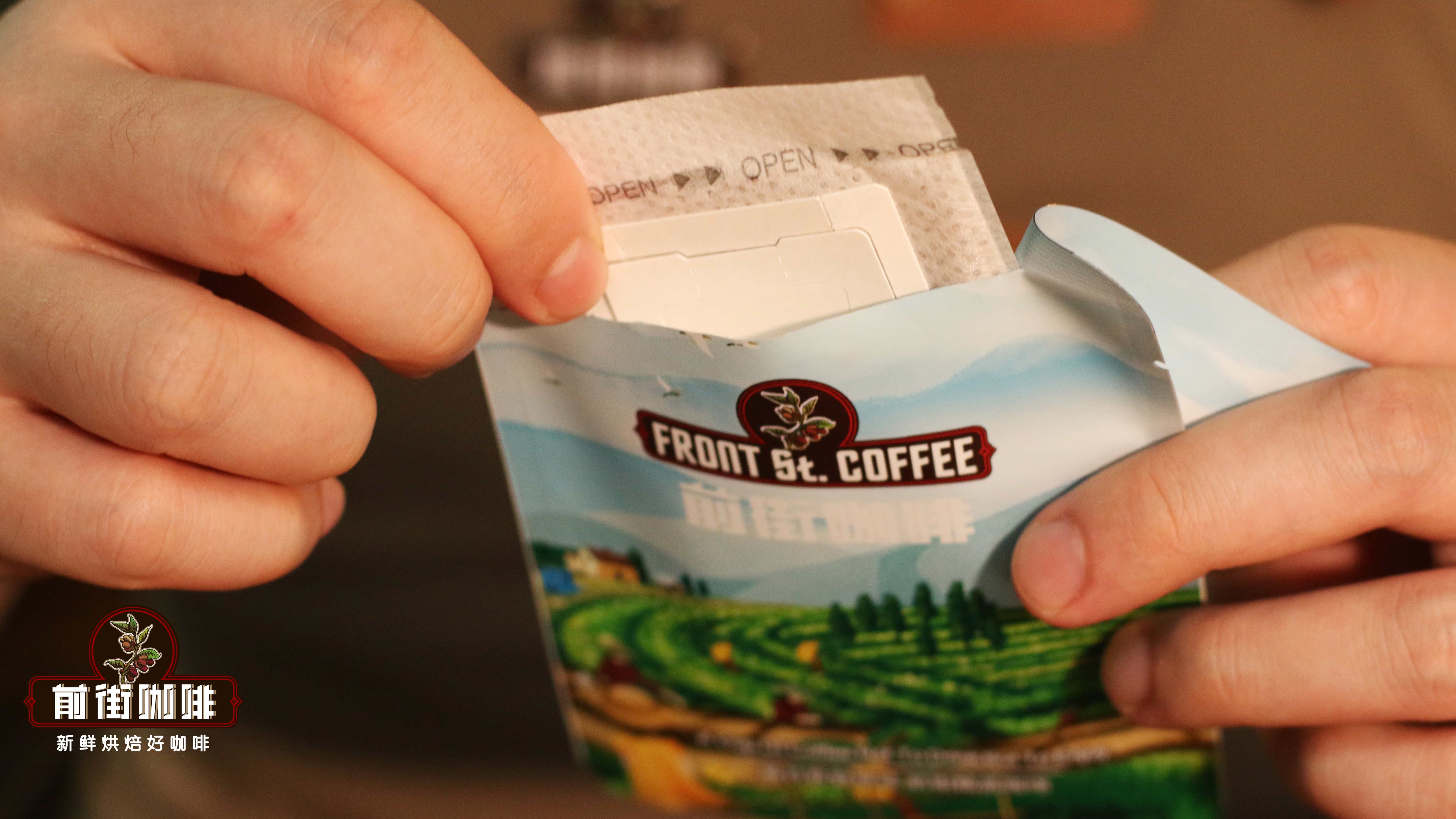
In-Depth Analysis of Five Flavor-Type Drip Bags
The key to high-quality drip coffee lies in the skillful pairing of single-origin beans' flavor characteristics with their processing methods. According to international coffee tasting standards, our recommended products are divided into five distinct flavor categories: vibrant fruity, elegant floral, unique fermented, bold boozy, and rich bodied. Each type features distinctive sensory profiles and is suited to specific consumer preferences.
Fruity Profile Representative: Yirgacheffe Washed
Grown in the Gedeo Zone of Yirgacheffe at altitudes of 1900–2300 meters, these native variety coffee beans undergo a rigorous washed process, showcasing the classic traits of highland African coffee.The citrus acidity is bright and lively,accompanied by a distinct green tea undertone and a natural honey finish. For optimal extraction, it is recommended to use 10 grams of coffee grounds with 140–150 ml of water at 90°C, employing a 1:15 coffee-to-water ratio. Begin with a 30-second bloom followed by pulse pouring to fully release its uniqueberry and creamy layered flavors..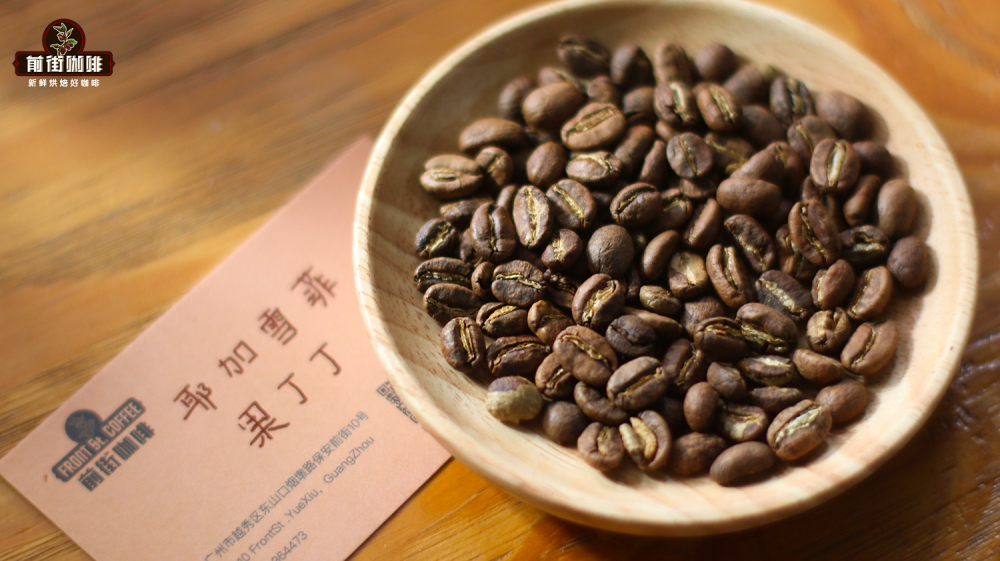
Floral Profile Selection: Panama Geisha-Blend Flower Butterfly
This premium blend, grown at 1600 meters on the Poás volcano, combines 70% Geisha lineage with the region’s unique microclimate.Delicate floral notes blend seamlessly with a black tea base,balanced by mild berry acidity and a subtle nutty aftertaste. This variety is especially suitable for beginners who prefer gentle acidity and a smooth mouthfeel. It is recommended to maintain even pouring during brewing to avoid disturbing the coffee bed, which could impact the expression of floral aromas.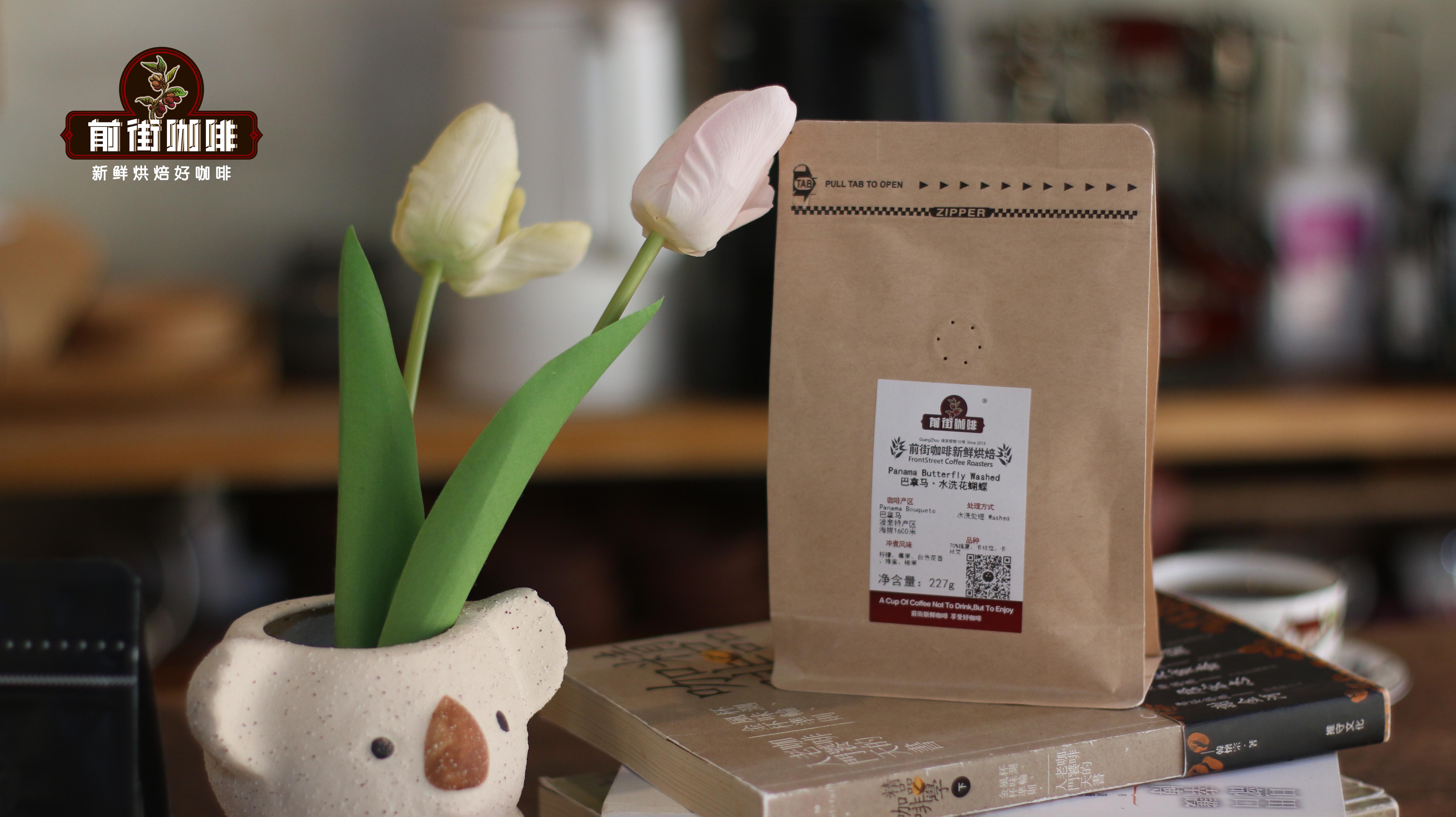
Fermented Profile Highlight: Costa Rica Strawberry Marmalade Process
Utilizing a special raisin honey process technique, this coffee preserves the complete mucilage layer and undergoes carefully controlled temperature drying.The fermented aroma is rich and layered,developing a full flavor curve from jasmine floral notes to an almond finish. The key to this process lies in precisely controlling the drying rate and environmental conditions—over-drying can diminish flavor, while under-drying may result in off-notes. This variety is recommended for advanced enthusiasts eager to explore the complex taste profiles brought by unique processing methods.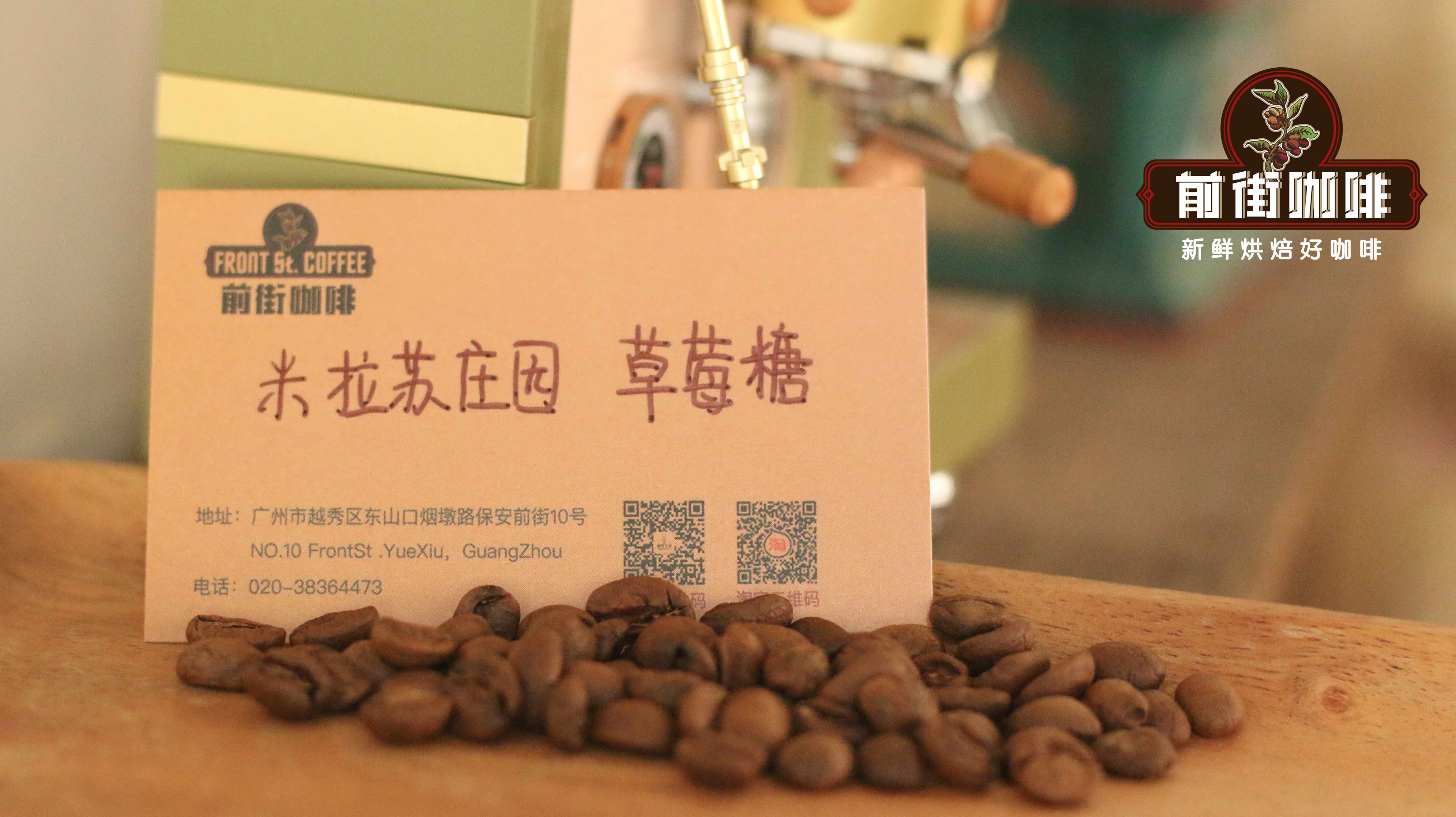
Rich Bodied Choice: Brazil Yellow Bourbon Natural
The Yellow Bourbon variety from the Mogiana Highlands, processed using the traditional natural method, showcases classic South American coffee characteristics.Low acidity and elegant sweetness achieve perfect balance,with hints of tropical fruit aromas beneath a chocolatey base. Brazilian coffee’s uniqueness lies in its consistently rich and full-bodied mouthfeel, making it suitable for various coffee beverages or savoring pure black coffee with deep flavor.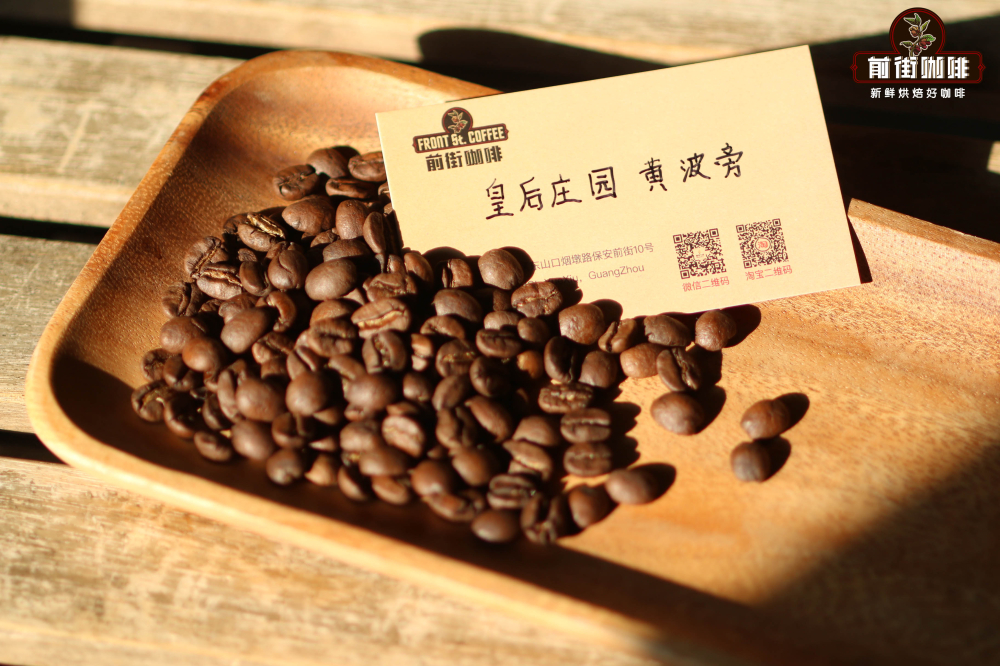
Key Points in Professional Drip Bag Production Craftsmanship
The production of high-quality drip bags is far more complex than it appears; every step from raw material selection to final packaging impacts the end quality. The foremost priority isthorough grinder cleaning,to prevent cross-contamination of flavors between different batches of beans. The grind size must be precisely controlled—too fine leads to over-extraction and bitterness, while too coarse results in under-extraction and weak flavor. Advanced nitrogen-flushed packaging technology effectively extends shelf life, maintaining coffee freshness and flavor integrity.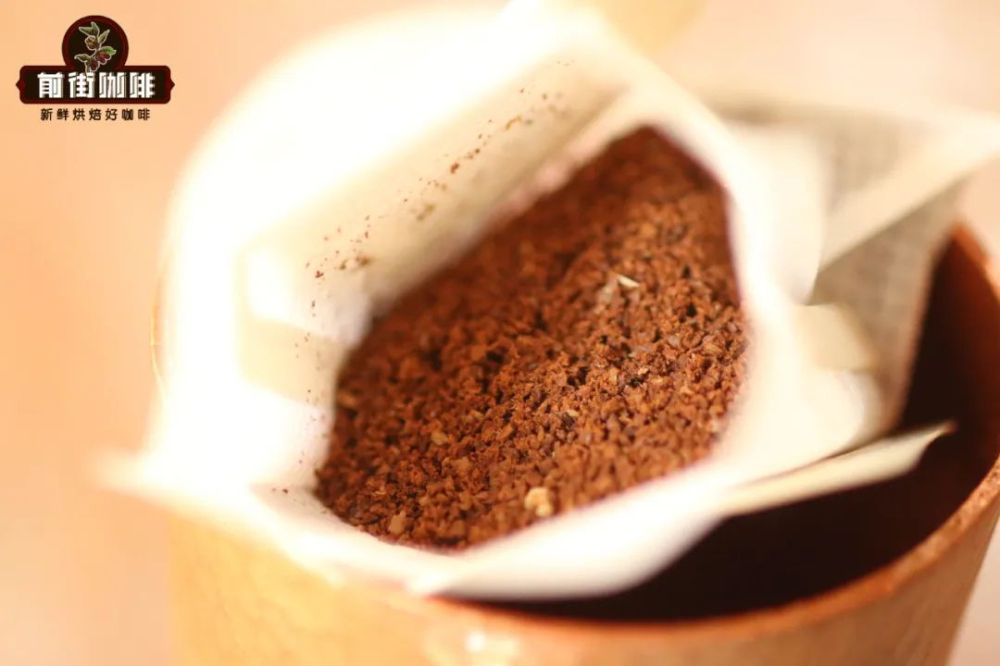
Home Brewing Practical Guide
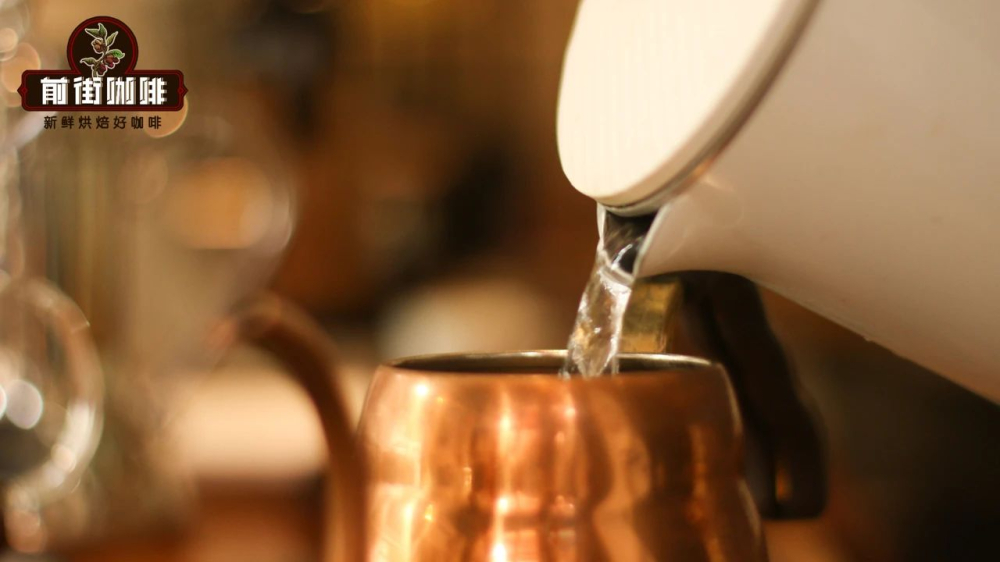
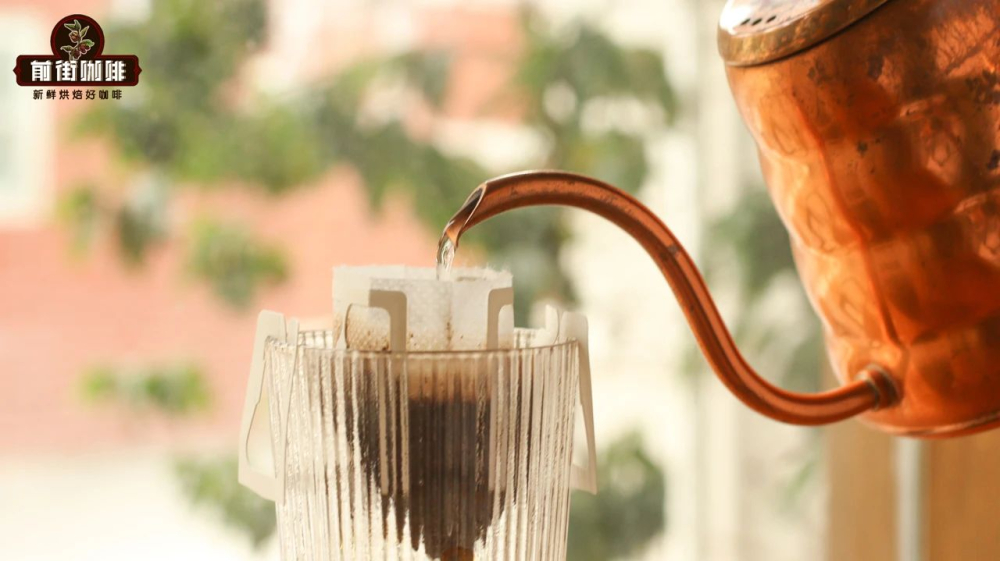
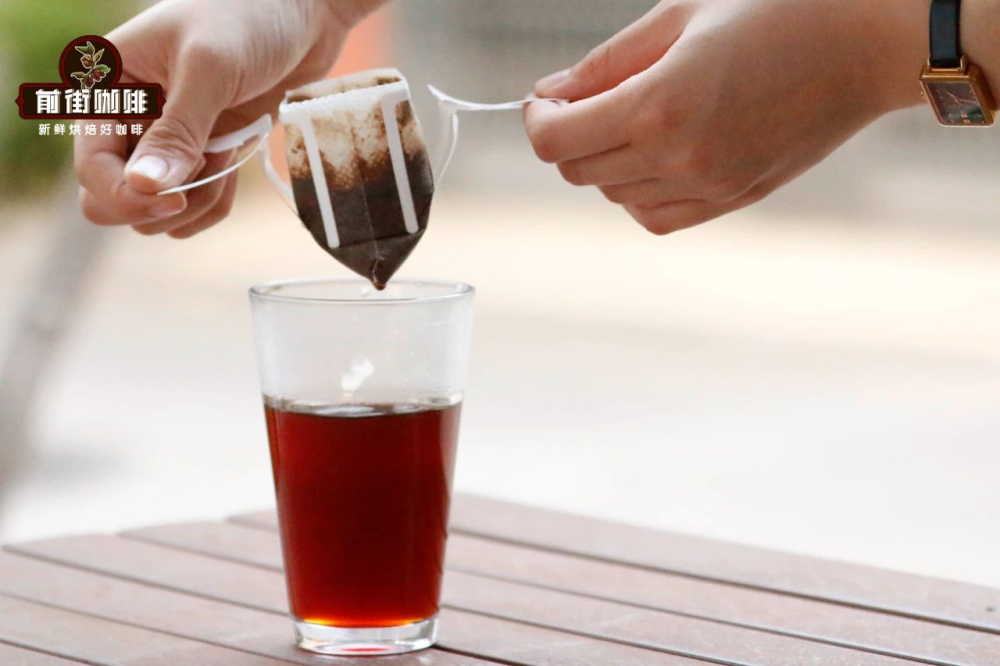
When using drip bags, it is recommended to use a medium-fine grind (similar to the texture of superfine sugar), maintaining a coffee-to-water ratio between 1:15 and 1:16. After preheating your equipment, start with a small amount of hot water for a 30-second bloom to activate the coffee grounds, then pour water steadily in a circular motion until the target volume is reached. Common mistakes include uneven pouring speed, water temperature that is too high or too low, and uneven placement of the drip bag affecting extraction consistency. Mastering these basic points allows you to easily recreate café-level pour over experiences at home.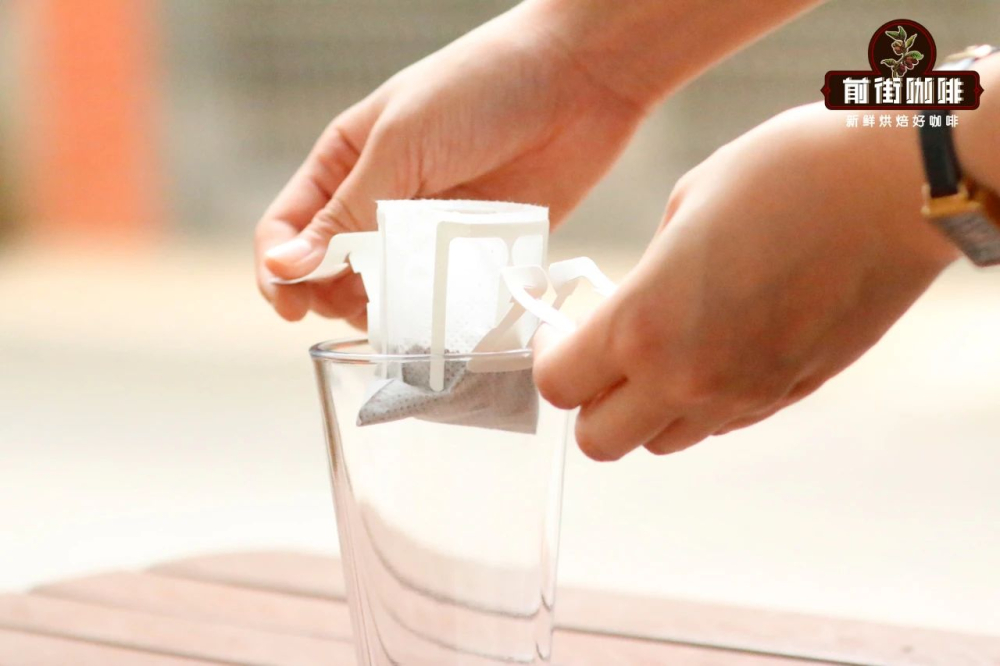
The above content is compiled by CoffeeHunters, a coffee news website.


