








Introduction:Drip bags have become the daily go-to choice for many coffee enthusiasts due to their ease of use and consistent flavor. However, many beginners often confuse drip bags with instant coffee. In reality, the two differ significantly in production processes and taste. This article delves into the characteristics of drip bags, compares their key differences with instant coffee, and features 10 single-origin drip bag selections from renowned roasters. Covering diverse regions and processing methods, it also provides comprehensive purchasing and brewing advice to help you discover your preferred flavor profile.
For modern individuals who are busy yet eager to enjoy a good cup of coffee, drip bags are undoubtedly an ideal compromise. Compared to traditional pour over brewing, which requires multiple pieces of equipment and mastery of complex parameters such as grind size, water temperature, and brewing time, drip bags only need hot water and a cup to complete extraction, significantly lowering the entry barrier. Simply hang the drip bag — which comes with filter paper — on the edge of a cup, slowly pour in hot water, and you can easily enjoy a black coffee that closely resembles the quality of pour over.

However, precisely because of their convenience, many people mistakenly assume drip bags are no different from instant coffee. In fact, drip bags use freshly ground coffee powder sealed in a filter pouch. During brewing, it functions like a manual drip filter, fully preserving the original flavor and aroma of the coffee beans. Instant coffee, on the other hand, undergoes extensive processing steps such as extraction, concentration, and spray drying, and is directly dissolved in water in powder or granule form, resulting in relatively thin flavor and less complexity. If you value the essence and quality of coffee, drip bags are undoubtedly a more worthwhile investment.
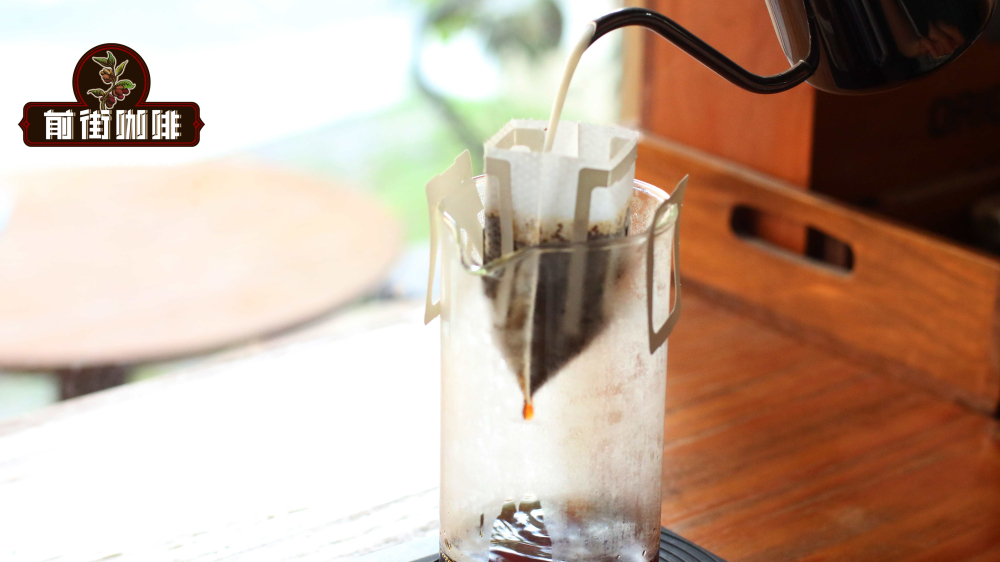
Currently, the market offers a wide variety of drip bags, where factors such as different regions, altitudes, and processing methods can all influence the final flavor profile. For example, coffee beans grown at high altitudes typically exhibit bright acidity and prominent sweetness. Different processing methods, such as natural, washed, or honey processing, impart unique fruit, floral, or rich qualities to the coffee. For coffee beginners wanting to explore a range of flavors, choosing single-origin drip bags from reliable roasters is an excellent starting point to experience the characteristics of coffees from around the world.
Below are 10 drip bags with distinct flavor profiles, all from roasting brands that prioritize quality and freshness. These drip bags are not only suitable for everyday drinking but can also help you develop a keener sensitivity to coffee flavors, gradually guiding you toward the perfect match for your palate.
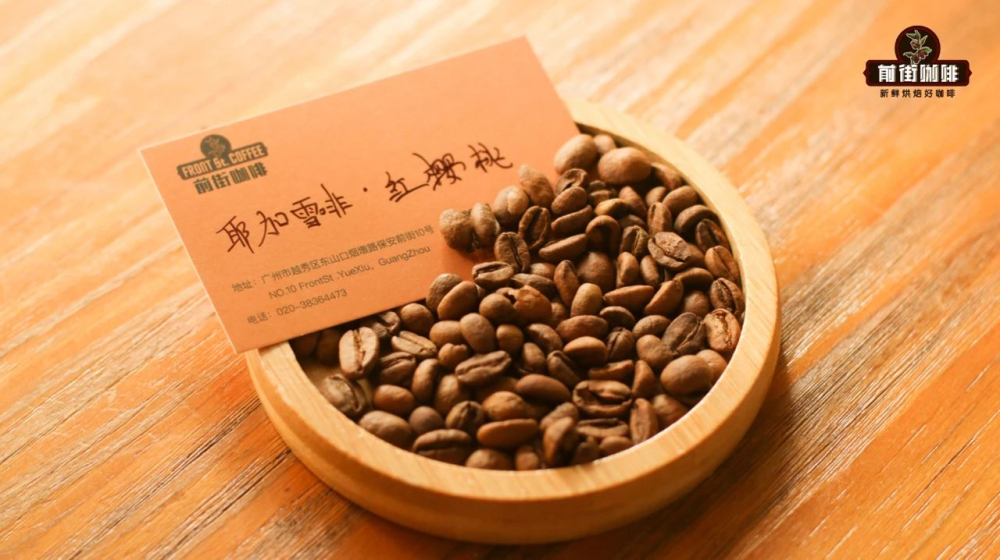
First up is the Red Cherry Natural from Yirgacheffe. Grown at high altitudes of 2000–2200 meters and using heirloom varieties with natural processing, this drip bag offers vibrant tropical fruit, strawberry, and berry aromas after brewing, with a creamy finish. It's perfect for those who enjoy sweet and fruity profiles.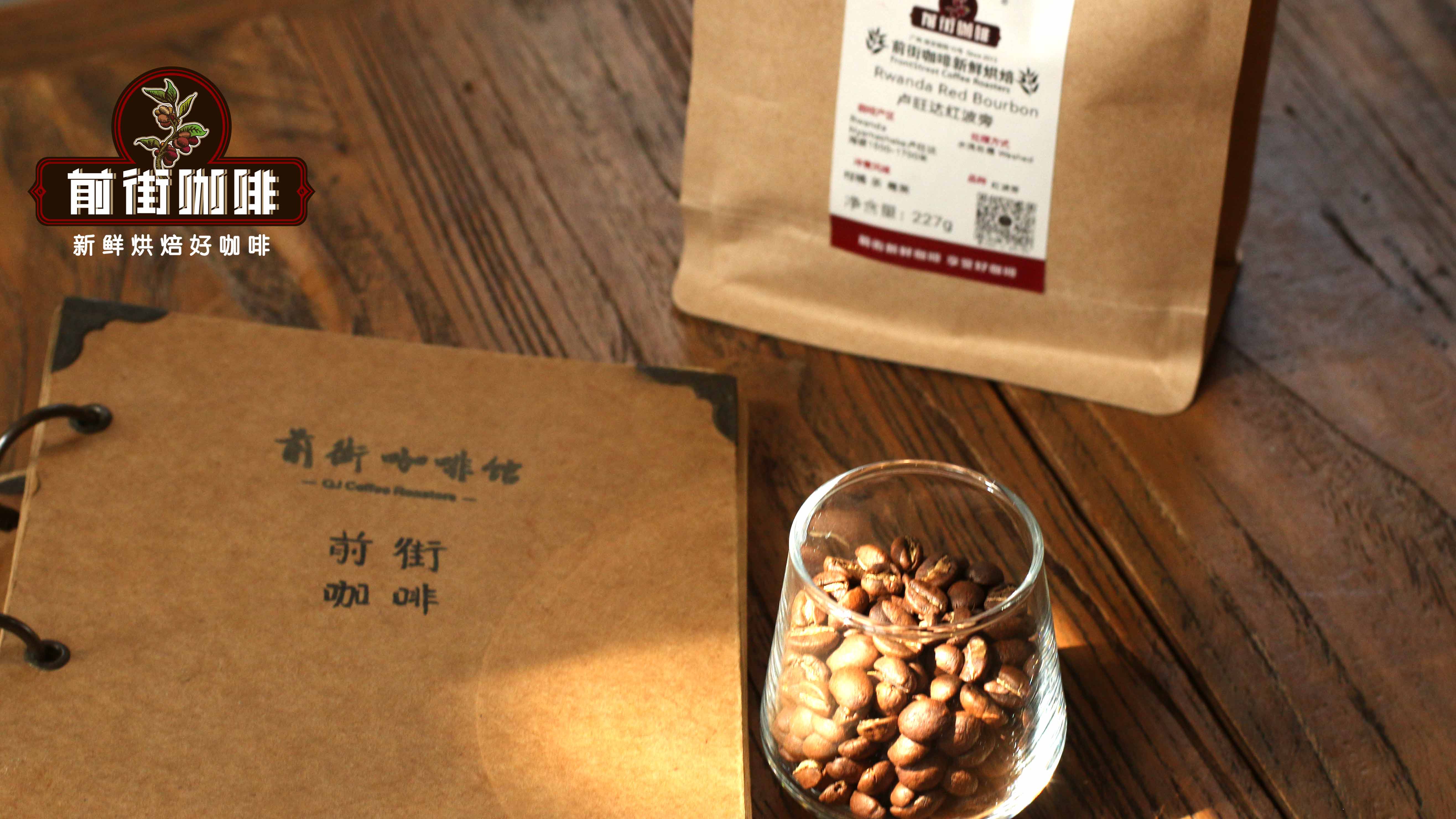
If you prefer coffee with vibrant acidity, the Red Bourbon from Rwanda is a great option. Sourced from the Southern Province’s Nyamasheke region at an altitude of 1500–1700 meters, its washed process highlights refreshing notes of berries, apple, and green tea, balanced with the sweetness of apricot. It has a well-rounded acidity and sweetness with clear layers.
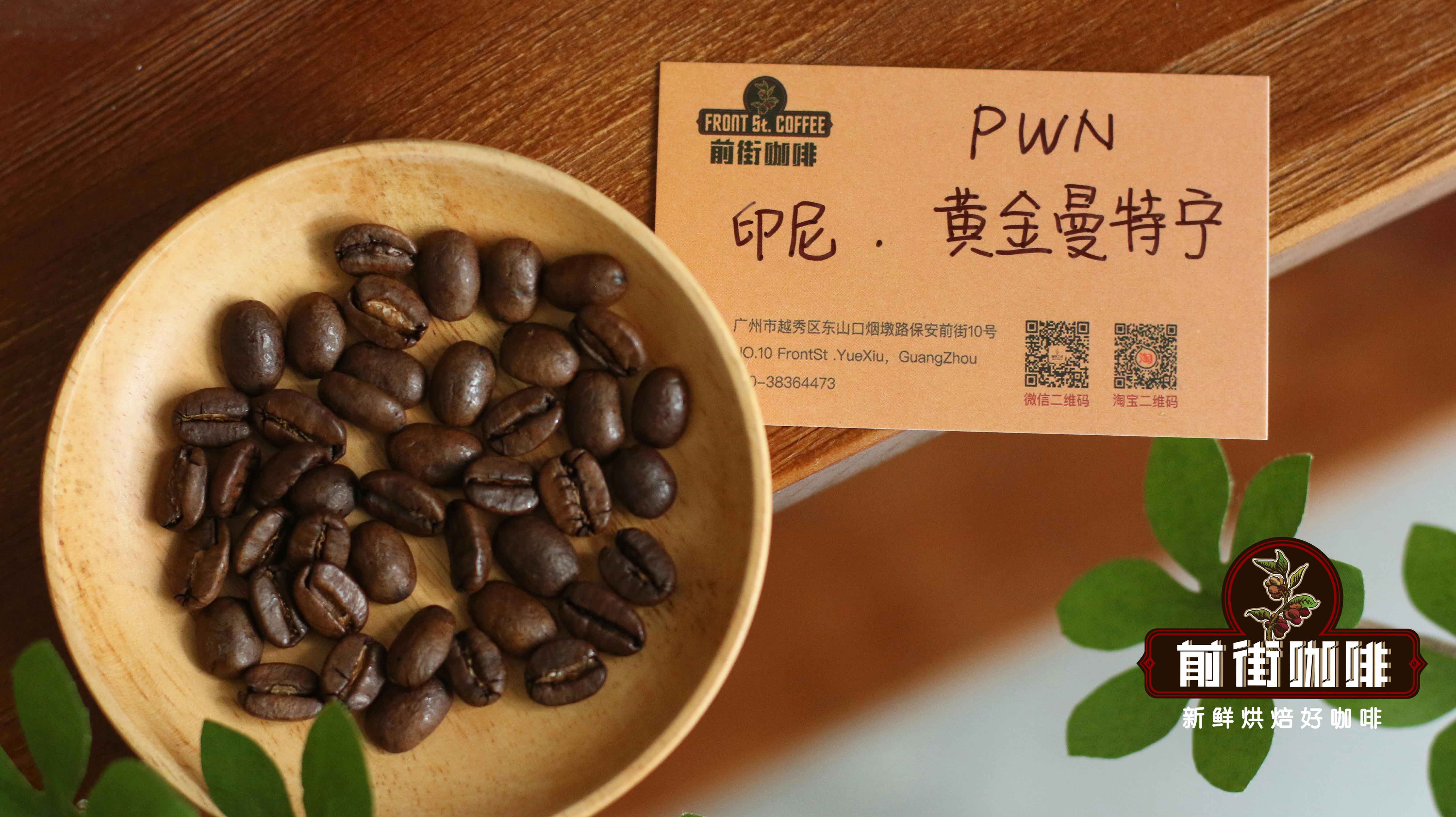
For those who appreciate a full-bodied taste, the Golden Mandheling from Indonesia is worth trying. Coming from Gayo Mountain in Aceh, North Sumatra, at an altitude of 1100–1600 meters and processed with the wet-hulled method, it features earthy, caramel, and dark chocolate notes. The long, clean finish makes it ideal for savoring slowly or as a thoughtful gift.
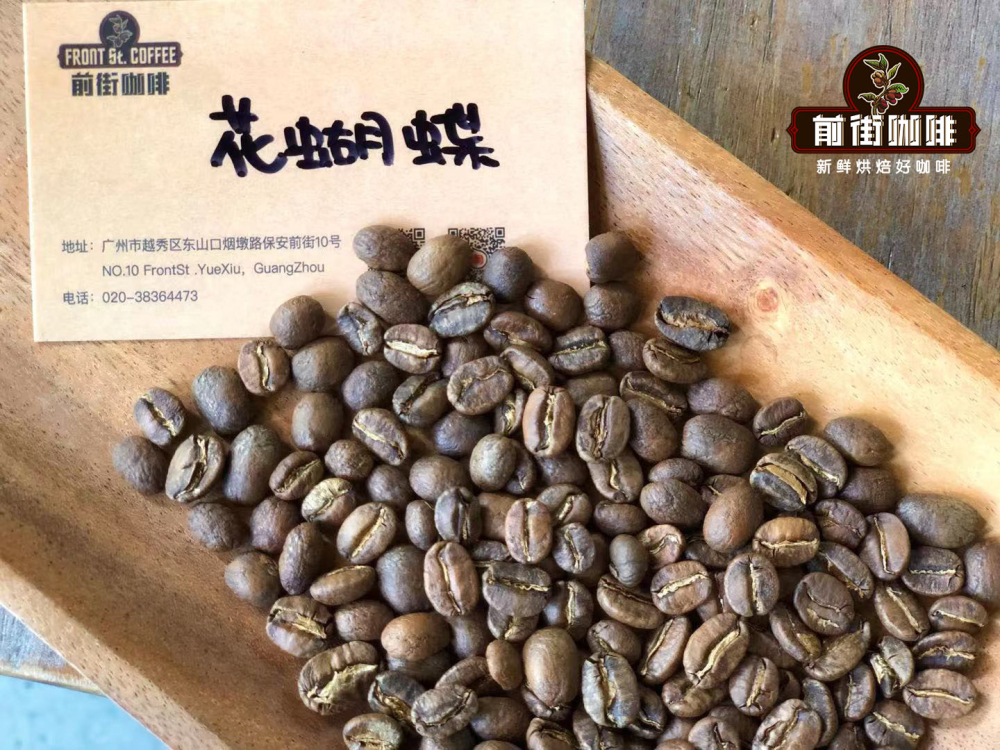
The Geisha Blend (aka Flower Butterfly) from Panama showcases the unique charm of a mixed-variety combination. Blending Catuai, Caturra, and 70% Geisha, this wash-processed drip bag from an altitude of 1600 meters presents soft tones of citrus, berries, and jasmine. With subtle acidity, it suits drinkers who prefer a milder cup.
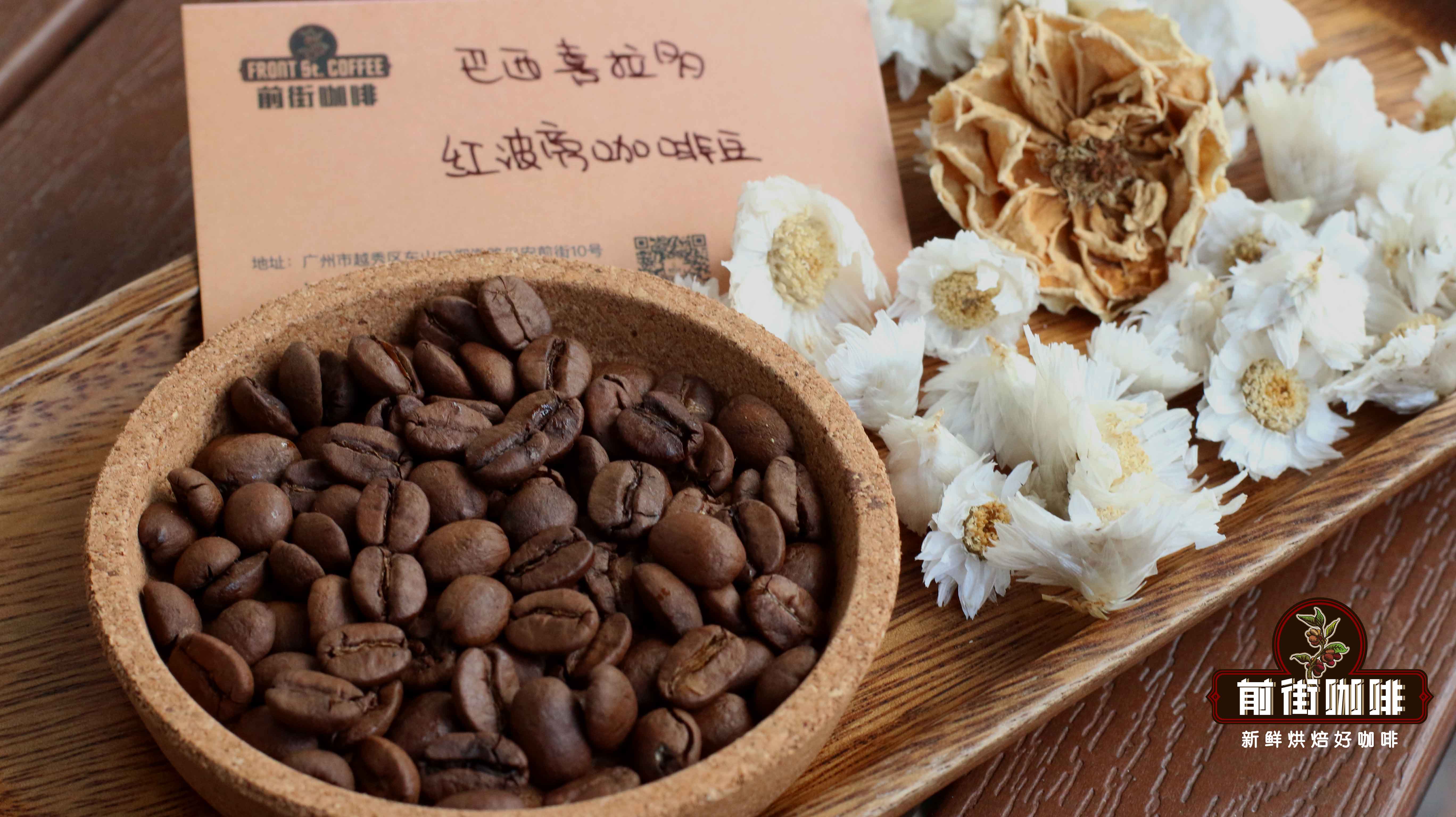
The Brazil Red Bourbon drip bag is known for its balanced flavor. Produced in Minas Gerais at an altitude of 1000 meters and semi-washed processed, it delivers nutty, chocolatey, and peanut aromas, paired with caramel sweetness. It’s great for consumers who enjoy mellow profiles.
The Huila from Colombia is grown at high altitudes of 1500–1800 meters. Using the washed Caturra variety, it shows a harmonious balance of dark chocolate, caramel, and soft fruity acidity, making it ideal for those who love chocolatey notes.
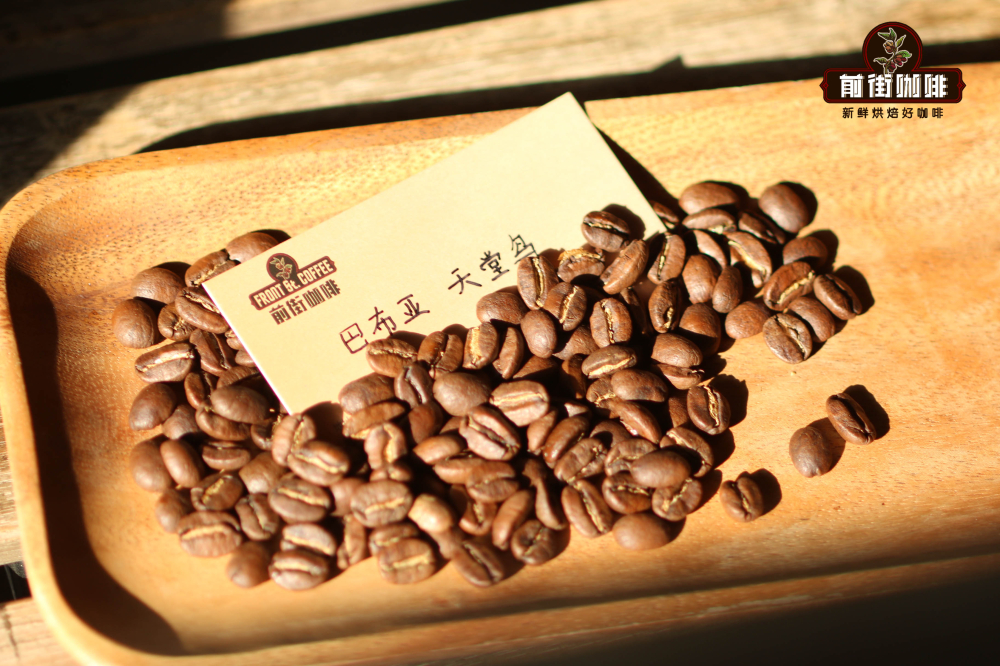
The Bird of Paradise from Papua New Guinea hails from the Western Highlands’ Bird of Paradise Estate at an altitude of 1600–1800 meters. The washed Typica variety offers mild flavors with enticing notes of toasted bread and cocoa. It’s suitable for those who dislike overly acidic or bitter cups.
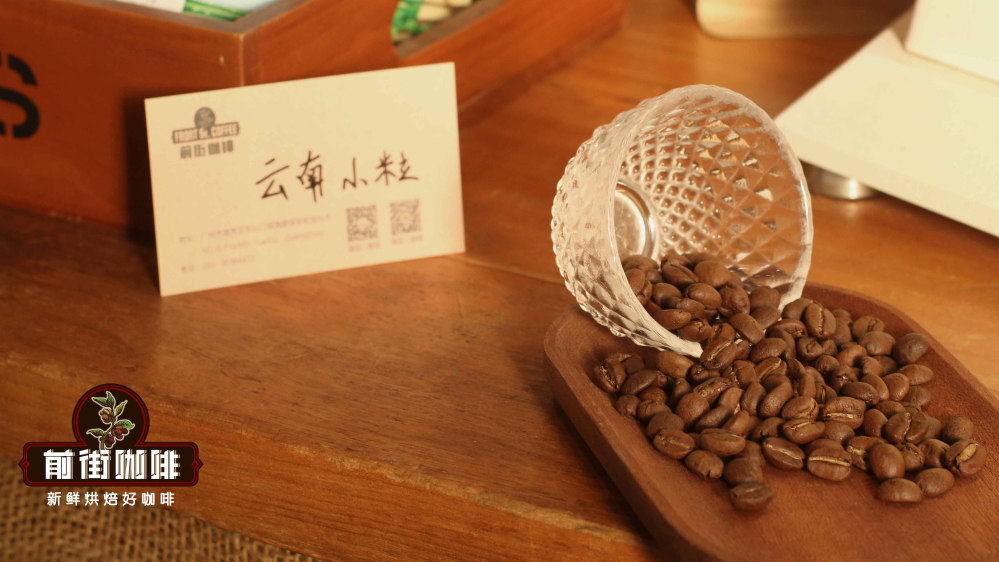
The Yunnan Small Bean drip bag showcases the potential of local Chinese coffee. Produced in Baoshan at an altitude of 1200 meters and using the washed Catimor variety, it combines fruity, melon, and black tea notes with soft acidity, catering to those seeking balanced flavors.
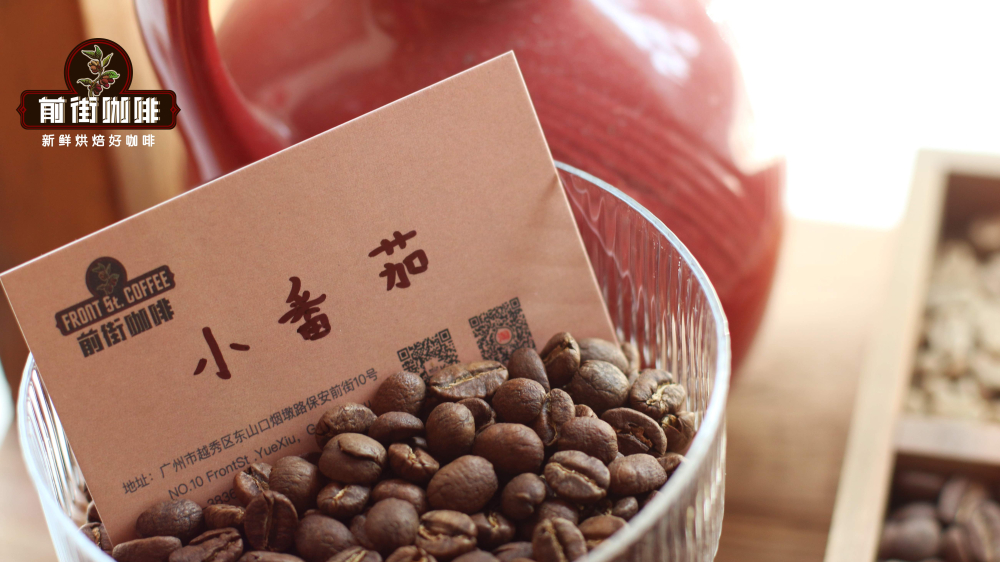
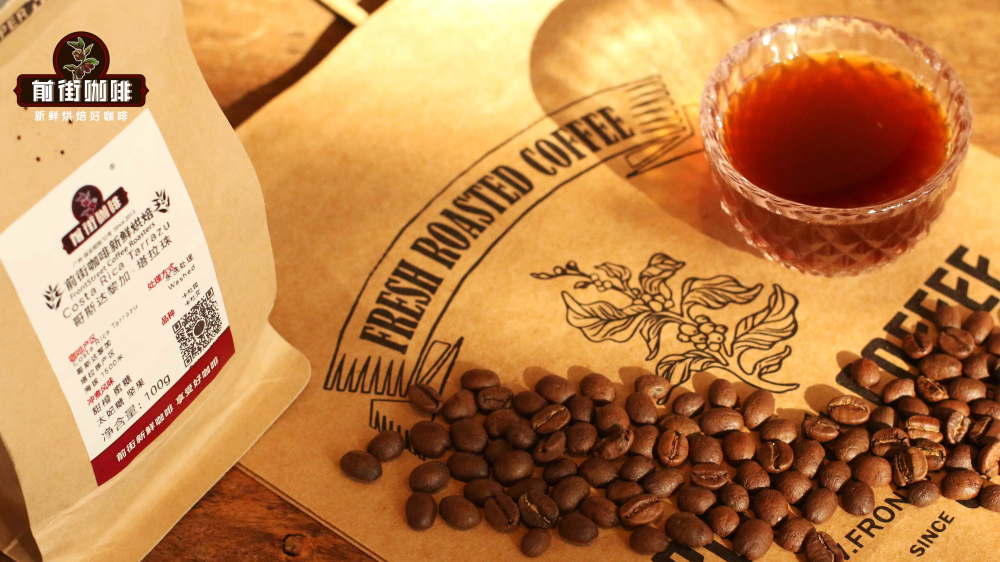
Lastly, the Kenya Little Tomato and Costa Rica Tarrazú drip bags stand out with their distinctive profiles — the former for vibrant fruit acidity, the latter for smooth sweetness. The Kenya variant from Thika, at 1550–1750 meters, uses the K72 washed SL28 and SL34 varieties, offering lively acidity reminiscent of Sydney pear, black plum, and cherry tomatoes. The Costa Rican version from Tarrazú, at 1500 meters and using washed Caturra and Catuai, exhibits a mellow tone of sweet orange, honey, and nuts. Both are ideal for those who prefer less intense acidity or bitterness.
The above content is compiled by CoffeeHunters, a coffee news website.


