







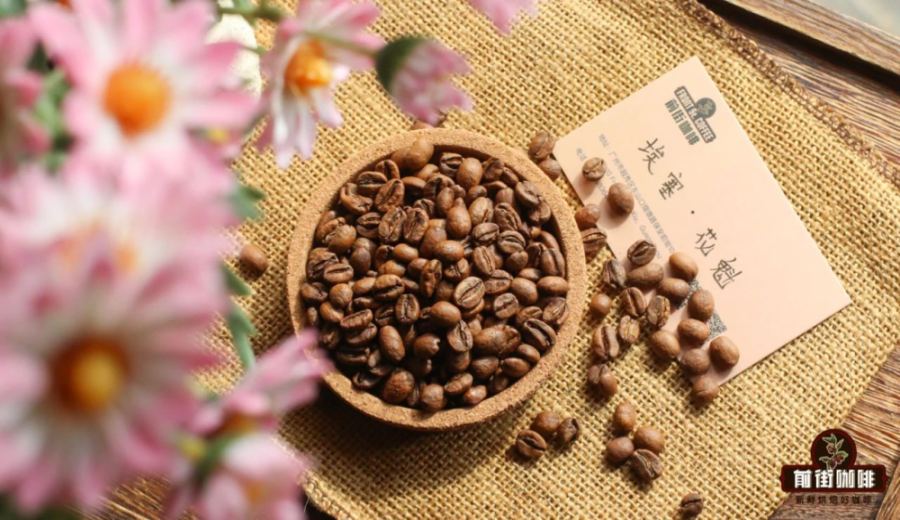
Introduction:As a convenient alternative to pour over brewing, drip bags combine ease of use with relatively full-bodied extraction flavors, making them a top choice for many coffee beginners and busy individuals. This article delves into the extraction principles of drip bags, the correct brewing steps and coffee-to-water ratio parameters, explains whether they can be reused, and recommends various types of drip bags suited to different taste preferences, helping you find the perfect match.
Drip bags are a type of drip filtration brewing. Their design is inspired by traditional hanging tea bags but further simulates the pour over process. The coffee grounds are pre-ground and packed into a non-woven fabric filter bag, with two ear-like paper pieces on either side that securely suspend the bag in the center of the cup rim, allowing hot water to evenly flow through the coffee layer. Although it lacks some of the equipment used in full pour over brewing, with the correct technique, it can still fully showcase the original flavors of the coffee beans, making it highly suitable for those who seek convenience without compromising on quality.
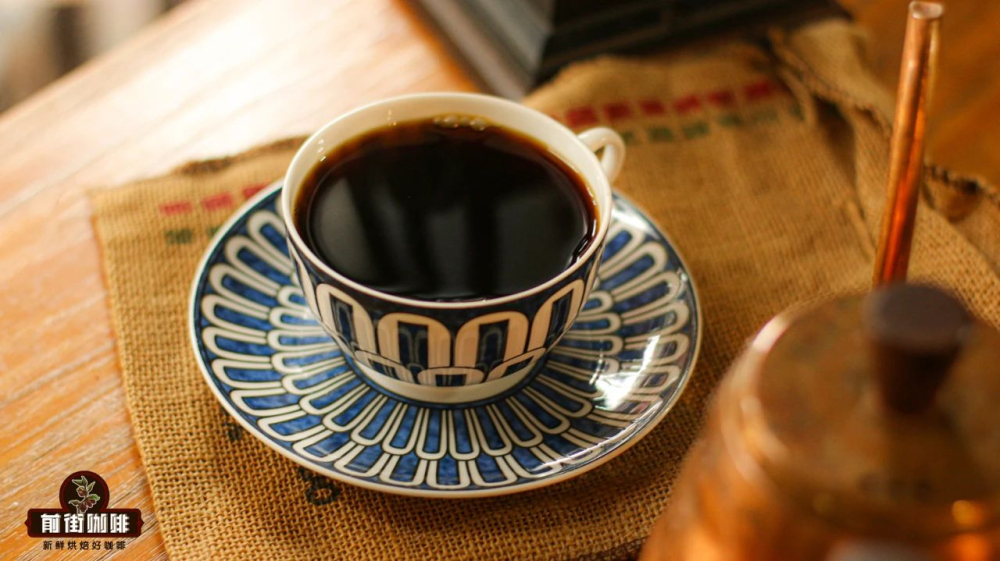
The biggest advantage of using drip coffee bags is their simplicity—you don’t need complex tools like a scale or thermometer. With just hot water, a cup of appropriate size, and a drip bag, you can easily enjoy a cup of black coffee. Even so, simple doesn’t mean careless. Mastering the right pouring technique and coffee-to-water ratio is essential to achieving the best flavor and aroma, while also preserving the ritual feel of pour over brewing.
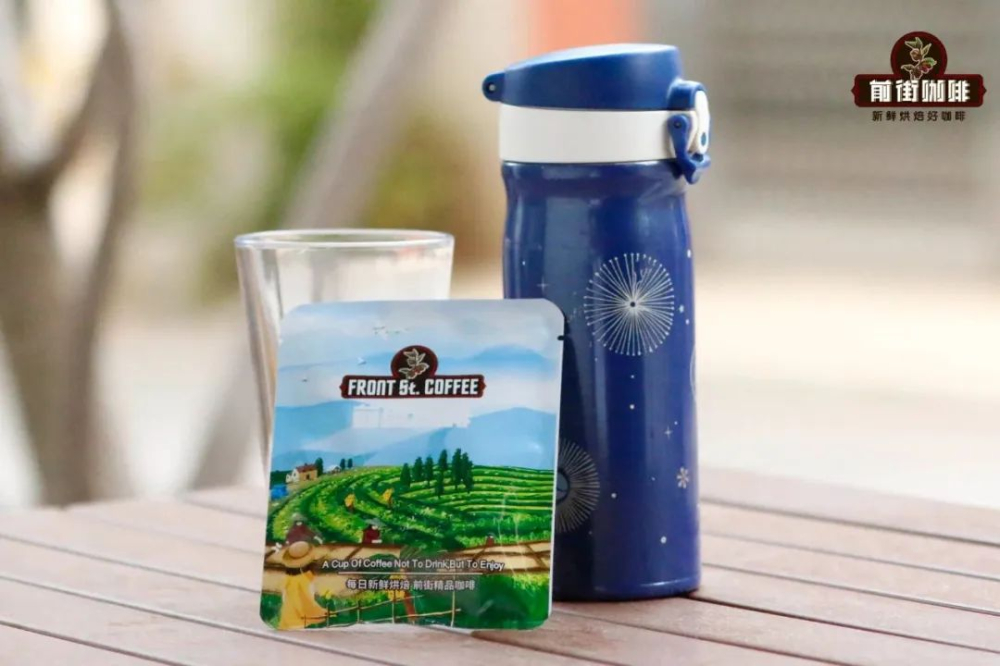
Taking the common 10-gram drip bag as an example, it is recommended to use the standard pour over coffee-to-water ratio of 1:15 to 1:18, which translates to a total water volume of about 150 to 180 milliliters. The general brewing process can be divided into three pours: First, wet the coffee grounds evenly with a small amount of hot water—this stage is called “bloom” and helps release carbon dioxide and initiate extraction. Next, pour water up to about half the height of the filter bag, then let it sit for about ten seconds; for the second and third pours, focus on adding water up to about 80% fullness of the filter bag, and allow the liquid to fully drip through before adding more, until the total water volume is reached. Pouring too much water all at once can cause the water to bypass the coffee layer, leading to uneven extraction and a weak flavor.
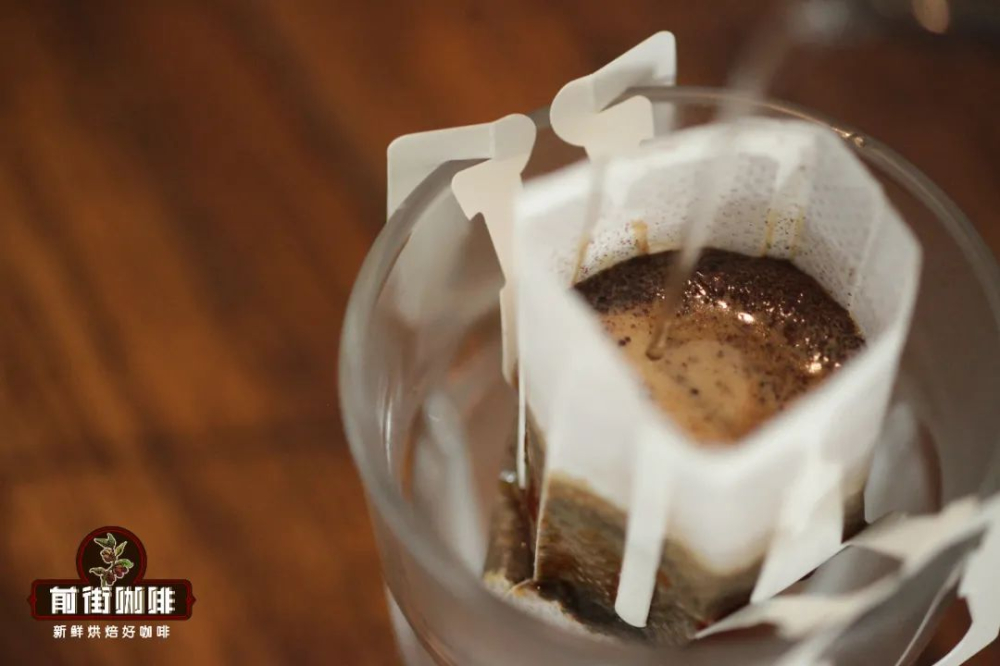
To enhance extraction efficiency and flavor complexity, it’s recommended to use a small amount of water poured multiple times, slowly and steadily, controlling the stream to be fine and focused to reduce the risk of channeling and over-extraction. The ideal water flow should be achieved using a kettle with a thin spout, and the pouring point should be maintained near the center of the filter bag, with the circular motion kept as small as possible—about the size of a one-yuan coin—to avoid large-scale agitation that may loosen or unevenly distribute the coffee layer.
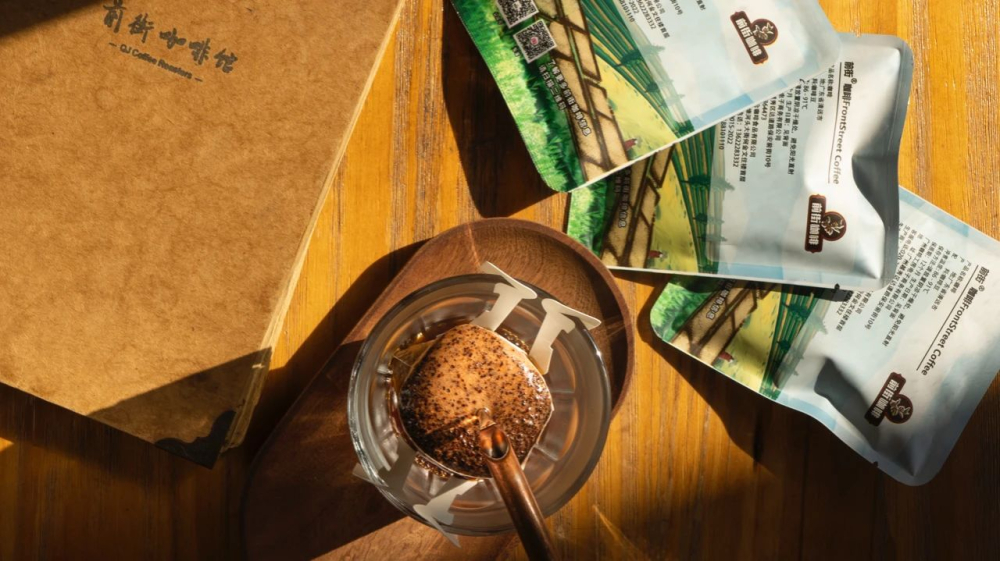
As for whether drip coffee bags can be reused? Generally speaking, since most of the soluble flavor compounds in the coffee grounds are released during the first brew, subsequent pours yield limited additional extraction, and the flavor becomes noticeably weaker, possibly even bringing out unpleasant off-notes. If you wish to save costs while attempting multiple uses, it’s only advisable for extremely coarse grinds and high-quality beans, but it’s still difficult to achieve the same aroma and taste as the first brew. Therefore, reuse is generally not recommended.
For different taste preferences, there are also many drip bags on the market offering a variety of flavor profiles. Those who enjoy floral notes and delicate flavors might consider beans from high-altitude regions, known for their pronounced citrus and floral characteristics; those who prefer bright acidity and berry-like tones might opt for options similar to black tea flavors with balanced sweet and sour notes; if you want a well-balanced flavor, neither too acidic nor too bitter, medium to dark roasted Brazilian beans are often a reliable choice; and for those seeking a rich, full-bodied cup with a pronounced aftertaste, options like Indonesian Mandheling, which undergoes multiple hand-sortings with extremely low defect rates, can deliver a bold and deep tasting experience.
The above content is compiled by CoffeeHunters, a coffee news website.


